Explore our premium selection of residential lifts, customized to match the architectural elegance and strict accessibility guidelines of Belgian houses, villas, and low-rise apartments.
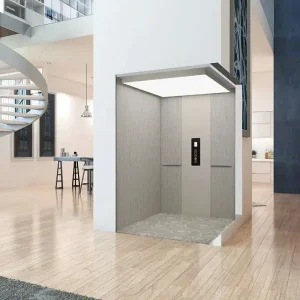
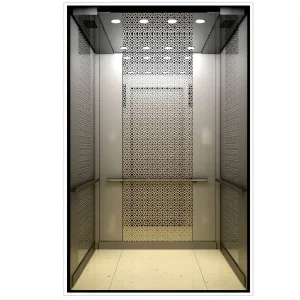
The demand for residential vertical transit solutions in Belgium is undergoing a profound structural shift. Historically governed by traditional multi-story architectural patterns in cities like Brussels, Antwerp, Ghent, and Bruges, homeowners are now prioritizing multi-generational living, long-term aging-in-place solutions, and luxury real estate differentiation. The consolidation of European structural codes (specifically EN 81-41 and EN 81-20/50) alongside Belgium’s regional building mandates has necessitated a transition from conventional hydraulic lift systems to ultra-modern, energy-efficient Machine-Room-Less (MRL) traction systems.
Furthermore, Belgium’s unique demographic profile presents clear accessibility requirements. With a significant portion of the population entering retirement age, retrofitting historical brick townhouses and urban duplexes with space-saving home elevators has transitioned from a premium architectural luxury to a core necessity. Localized requirements demand solutions that minimize structural interventions. Traditional elevators require deep pit depths and substantial headroom—conditions that are frequently impossible to fulfill in historic Flemish buildings or protected Walloon properties. As a consequence, localized design iterations focus heavily on low-pit (down to 50mm-100mm) and low-overhead configurations.
"For modern Belgian architectural designs, a home elevator is no longer just a functional mechanical component. It is an integrated design element that must harmonize with local energy efficiency targets (Passive House standards) while guaranteeing optimal shaft-to-cabin space ratios."
On a global scale, the vertical transportation industry is navigating challenges related to raw material volatility, energy efficiency mandates, and digital control integration. Elevators are now part of the wider Internet of Things (IoT) ecosystem. Today's smart home elevators feature predictive maintenance algorithms, remote fault diagnosis, and eco-friendly regenerative drives that feed electricity back into the building's microgrid during deceleration phases. Meeting these high technological demands requires a deeply integrated manufacturing chain that can balance advanced electronics, precise metallurgy, and mass-customization capabilities.
Established in 2006 by a dedicated group of vertical transportation engineers and specialists, Ningbo Bluetech Import & Export Co., Ltd. has grown into a leading manufacturer and exporter of elevators, escalators, and premium passenger lift components. With nearly two decades of research and development, our brand has built a reputation for engineering excellence, safety compliance, and robust supply chain coordination.
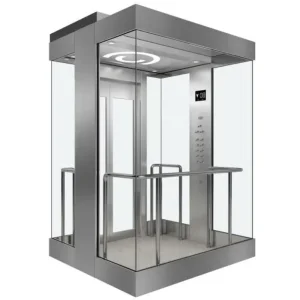
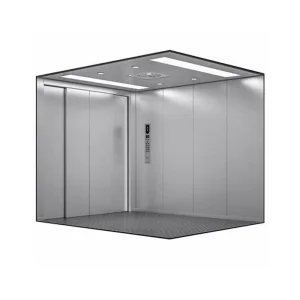
Our solutions span across home elevators, high-speed passenger elevators, panoramic sightseeing lifts, heavy freight elevators, and compact dumbwaiters. All of our structural designs and control assemblies are developed in strict conformity with the latest European safety standard EN-81. We combine humanized design, high-safety configurations, and reasonable pricing to serve both domestic markets and international clients across over 30 countries—including Germany, Singapore, Saudi Arabia, Egypt, and beyond.
At Ningbo Bluetech, we believe that high-quality engineering thrives on collaborative innovation. Our partners include major international elevator enterprises, such as Mitsubishi Middle East and ThyssenKrupp Africa. We actively cooperate with these global leaders on new elevator installations, complex system modernizations, and specialized spare parts maintenance projects.
Choosing Ningbo Bluetech means partnering with a technical team dedicated to delivering high-quality products. Our track record, along with our extensive client portfolio, demonstrates our commitment to safety compliance, short manufacturing lead times, and comprehensive technical documentation support.
How Ningbo Bluetech bridges advanced manufacturing with Belgian engineering requirements, delivering high quality, cost-efficiency, and rapid lead times.
While European manufacturers often require 16 to 24 weeks for custom-designed lifts, Ningbo Bluetech completes production in 3 weeks (and 2 weeks for urgent projects), helping to keep installation schedules on track.
Our experienced engineering team specializes in adapting elevator structures to fit tight shafts, low pits, and restricted headroom, ensuring compatibility with challenging architectural layouts.
By leveraging our established supplier network and optimized purchasing processes, we offer competitive pricing while maintaining the performance standards required for the European market.
Discover some of our successful integrations where customized engineering, swift delivery, and CE-compliant safety control systems came together to meet project requirements.
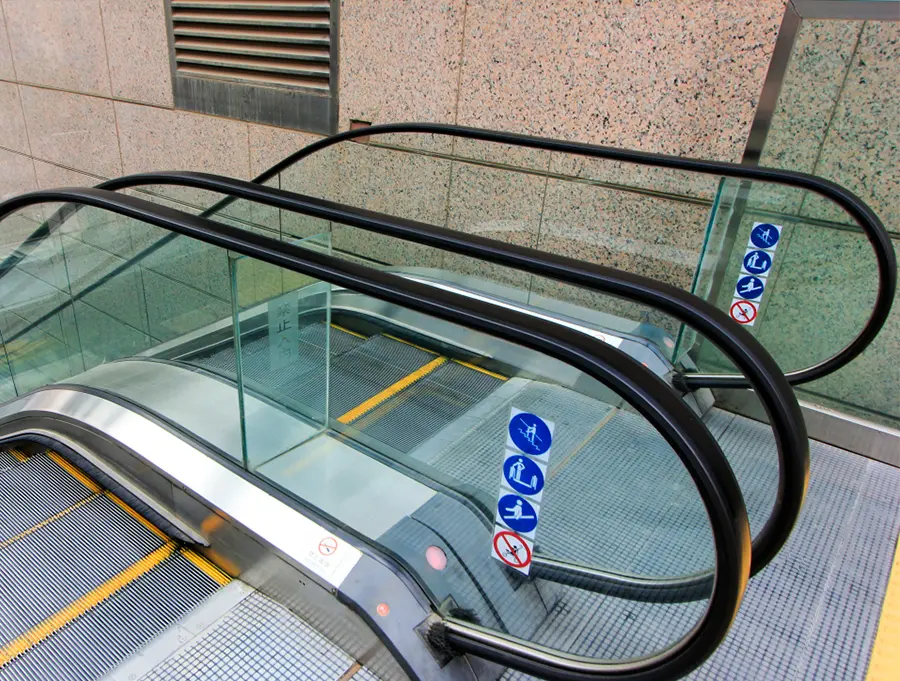
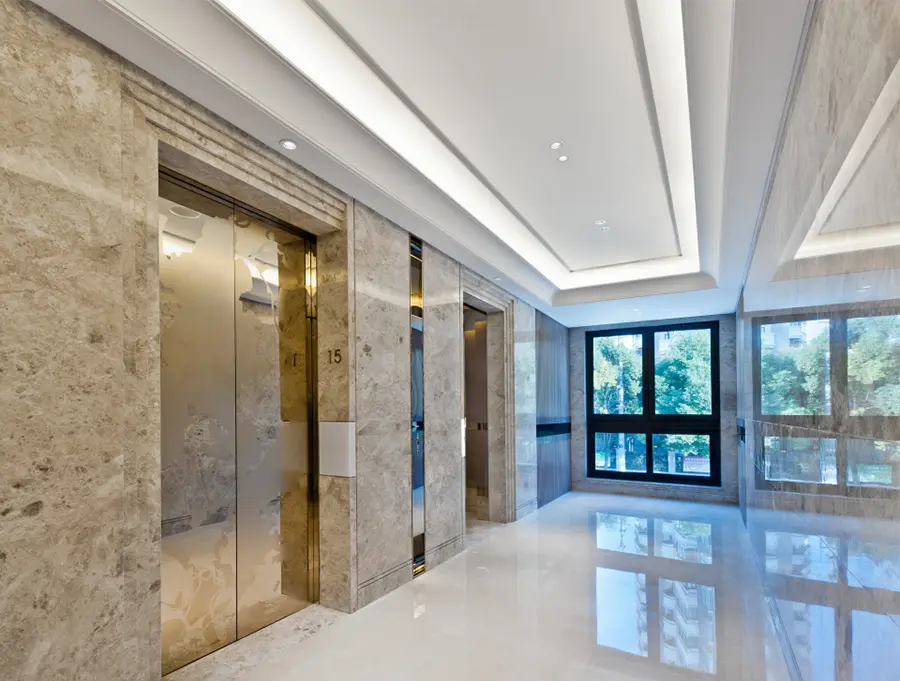
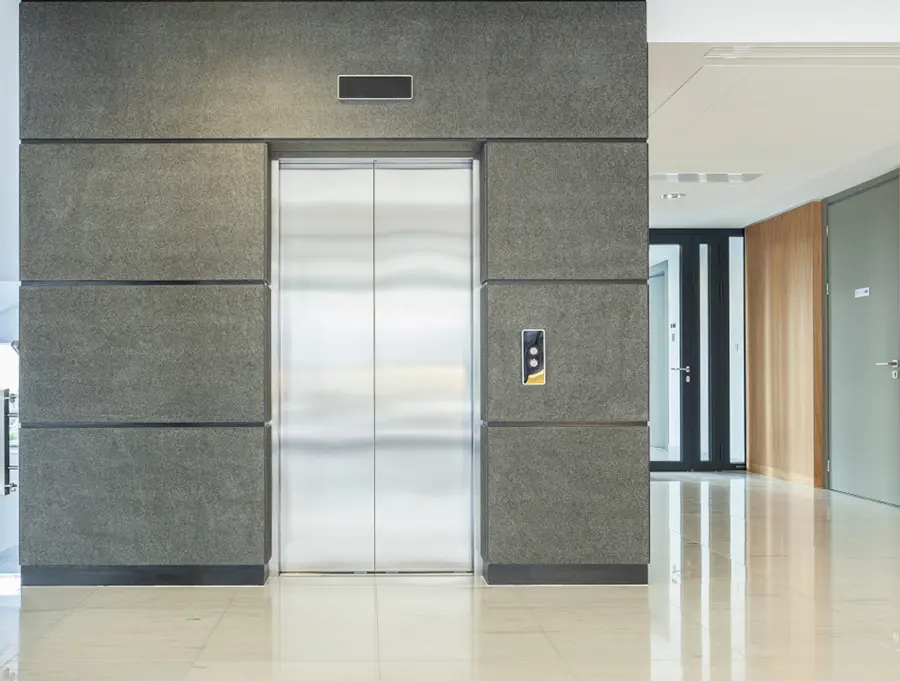
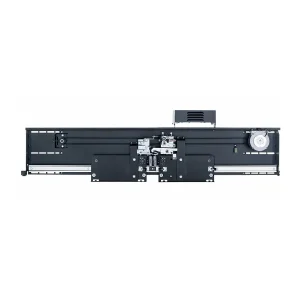
Explore our comprehensive product portfolio. From complete elevator packages to specialized control systems and door operators, we supply all critical components required for modernizations or new builds in Belgium.
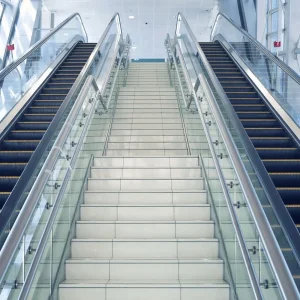
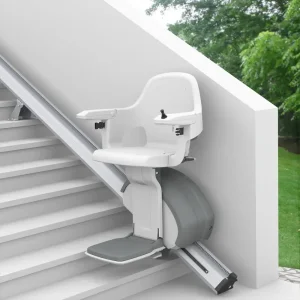
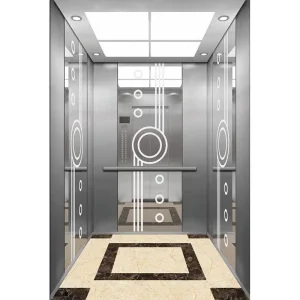
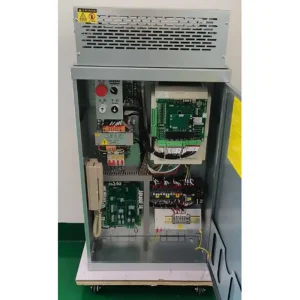
Operating in Belgium requires compliance with both European Directives and local modifications. For elevators with travel speeds under 0.15 m/s, compliance with the Machinery Directive 2006/42/EC and EN 81-41 is mandatory. For home passenger elevators exceeding this threshold, compliance with the Lifts Directive 2014/33/EU and the EN 81-20/50 standard is required. Furthermore, Belgium enforces the Royal Decree of March 9, 2003 (KB 09/03/2003), which mandates specific safety rules and periodic inspections for elevators.
Ningbo Bluetech designs complete home lifts in alignment with these standards. Our technical framework includes several standard configurations:
As the smart home market grows, home elevators are shifting towards IoT-enabled systems. Future units will feature microprocessor control systems with built-in internet interfaces. These modules allow remote technicians to monitor systems in real time, identify component wear before faults occur, and perform diagnostics remotely from our manufacturing center. In addition, the use of biodegradable hydraulic oils in hydraulic lifts and energy-saving standby modes in traction models helps align these systems with European environmental initiatives.
Answers to common questions regarding regulatory compliance, structural installation, and importing home elevators into Belgium.
 Bluetech