Explore our foundational range of certified residential elevators, precision-engineered for modern villa layouts and multi-level domestic structures.
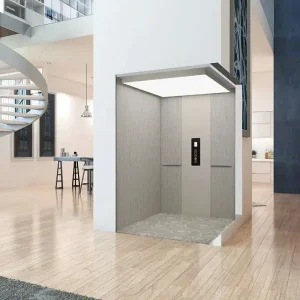
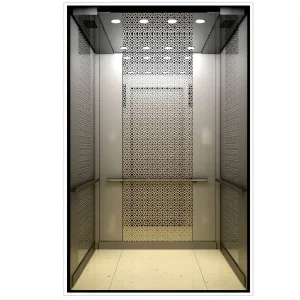
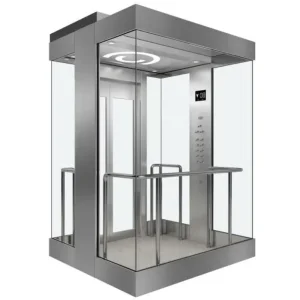
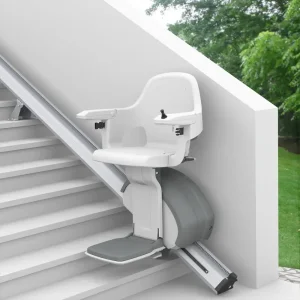
The demand for residential vertical transportation in the Republic of Ireland has experienced a structural paradigm shift. Traditionally regarded as an extreme luxury item, home elevators have evolved into critical structural components of modern, multi-story urban housing, suburban villas, and historical building retrofits across cities like Dublin, Cork, Galway, and Limerick.
This demographic shift is driven by two main factors. First, Ireland's aging population has motivated homeowners to invest in "future-proofing" their properties. Retrofitting homes with residential elevators allows individuals to enjoy lifelong tenancy and independence without being forced to relocate or downsize. Second, architectural trends within Irish urban areas have pivoted toward high-density, vertical developments. Three- and four-story townhouses are increasingly common in suburban Dublin and Kildare development schemes, where limited land footprints necessitate upward vertical planning.
From a regulatory standpoint, modern installations must comply with strict national building codes, specifically the Irish Building Regulations (Part M - Access and Use) and the European Harmonized Standard EN 81-41 (Safety rules for the construction and installation of lifts for persons with impaired mobility). For domestic passenger lifts, conformance with EN 81-20/50 is necessary to meet rigorous safety, structural integrity, and reliability requirements.
Selecting the optimal home lift solution requires a deep understanding of the engineering options. Modern domestic lifts mainly use hydraulic drive systems or traction-based, machine room-less (MRL) technology. The table below outlines the primary configurations used in residential projects across Ireland.
In addition, Variable Voltage Variable Frequency (VVVF) drive systems have become standard for high-end residential applications. These systems allow for precise control of motor torque and speed, providing exceptionally smooth acceleration and deceleration curves that minimize the structural vibrations transmitted to residential walls. The addition of automatic rescue devices (ARD) also ensures that if a power outage occurs—such as during winter storms in coastal counties like Galway or Mayo—the elevator cabin automatically descends to the nearest lower landing and safely opens the doors.
The global supply chain for residential lift equipment has changed significantly. In the past, localized assembly and high structural costs limited the accessibility of home lifts in Ireland. Today, architects and construction managers regularly use global B2B procurement models to source customized equipment directly from specialized manufacturers.
A key focus for Irish developers is managing lead times and ensuring complete compatibility with architectural specifications. To minimize risk, B2B procurement processes now incorporate detailed digital twin models and BIM (Building Information Modeling) exports prior to manufacturing. This integration ensures that lift shafts built on-site in Dublin or Cork align perfectly with the imported structural metal frames, guide rails, and cabin enclosures. Sourcing directly from verified industrial leaders allows Irish developers to lower equipment costs by 30% to 45% compared to sourcing through local intermediaries, while still maintaining compliance with European CE standards and EN 81 certifications.
A key driver behind the cost-effectiveness and high quality of modern home elevators is China's Factory 4.0 infrastructure. Leading production bases utilize automated manufacturing lines where laser cutting machines, robotic welding systems, and computerized QC inspection bays operate under a unified MES (Manufacturing Execution System).
At the Ningbo Bluetech manufacturing facility, this advanced automation ensures high accuracy during production. The structural frames, cabin panels, and safety components are manufactured to strict tolerances of less than 0.1mm. This high precision is crucial: it prevents installation issues at the job site and reduces operational friction, ensuring long-term reliability and quiet operation for residential clients in Ireland.
Furthermore, China's robust logistics networks and supply chain resilience ensure consistent material sourcing and fast production turnarounds. Under standard conditions, custom-engineered home elevator packages can be completed in just 3 weeks, and urgent projects can be ready in 2 weeks. This speed helps Irish developers keep projects on track and avoid construction delays.
Specialized engineering teams design custom layouts for tight structural shafts, low overheads, and historical building requirements across Ireland.
Quick communication channels provide detailed technical quotes and drawing revisions within 12 hours, ensuring projects stay on schedule.
Architectural diversity in Ireland requires adaptable home lift systems. Different geographical areas and building styles present unique engineering challenges:
Villas located along Ireland's Atlantic coastline face harsh marine environments. The salt-laden air can accelerate corrosion in mechanical components. For these installations, we recommend using marine-grade 316 stainless steel for the structural frames, guide rail brackets, and cabin panels, combined with moisture-resistant control enclosures (IP54 or higher) to extend the service life of the equipment.
Retrofitting elevators into listed buildings in Dublin requires minimal structural alterations. For these projects, shallow-pit hydraulic models or screw-driven platform lifts are ideal, as they can be installed with a pit depth of just 50mm to 150mm. Glass-shaft enclosures are also popular because they allow natural light to flow through existing stairwells and preserve the building's historic character.
Modern residential developments aiming for Nearly Zero-Energy Building (NZEB) status require highly efficient systems. Our MRL traction lifts use regenerative VVVF drives that capture energy during descent and feed it back into the household electrical grid, supporting low-energy design goals.
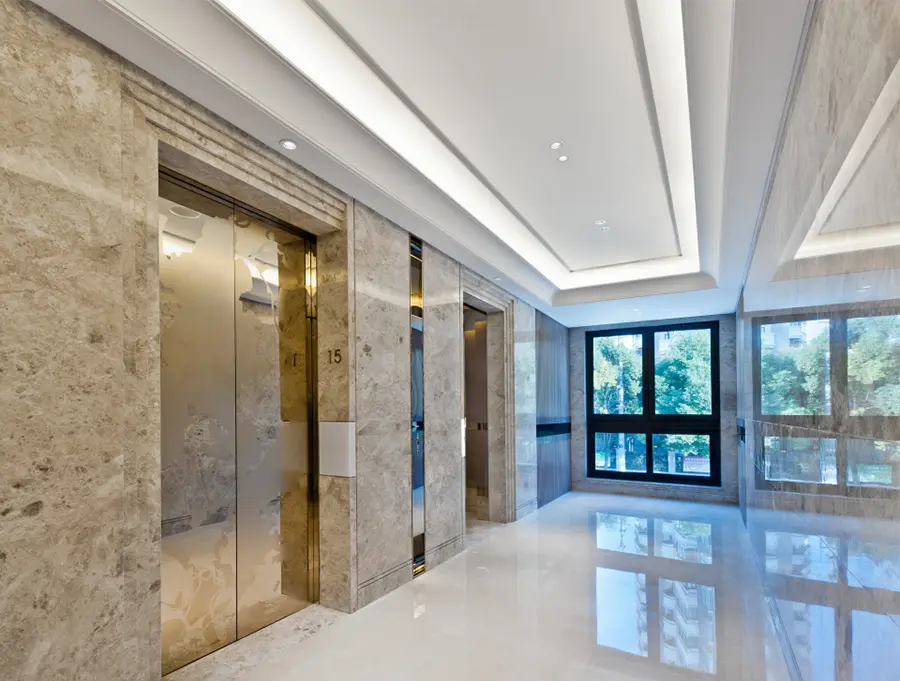
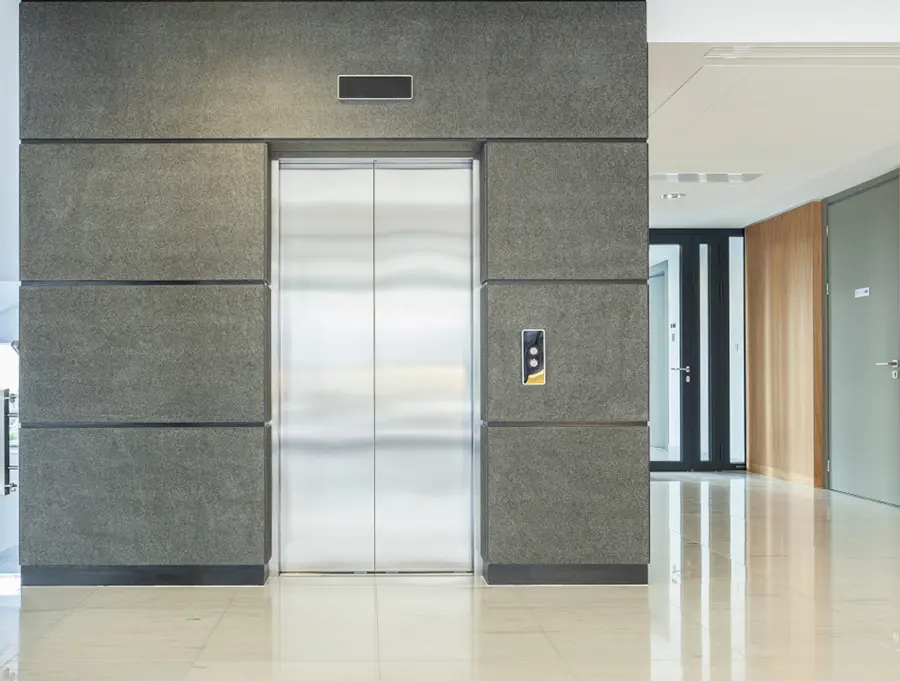
Demonstrating our capability to integrate custom lift technology into high-spec commercial and luxury residential layouts.
Get professional answers to technical, regulatory, and installation questions about home lifts.
Generally, if the lift is installed internally and does not alter the external structure of the property, planning permission is not required. However, for Protected Structures (such as historic Georgian townhouses in Dublin), you must obtain Planning Permission and Section 57 Declaration approval before starting any structural work.
EN 81-41 is the European standard that governs the safety rules for the construction and installation of vertical platform lifts. It mandates features like hold-to-run control buttons, sensitive edges to detect obstructions, emergency lowering systems, and speed limits (maximum 0.15 m/s for open platforms) to ensure safe operation for children, elderly users, and individuals with limited mobility.
Most modern home lifts operate on standard single-phase 230V power supplies, which can easily connect to standard Irish domestic electrical grids. Larger, high-speed traction passenger lifts may require a three-phase 400V power supply. We recommend providing a dedicated power line with its own residual current circuit breaker (RCBO) directly from the main consumer unit.
Under safety guidelines, home lifts should be serviced at least twice a year by a qualified technician. These regular inspections cover critical safety systems, including safety gear checks, electrical circuit tests, and mechanical lubrication. Keeping a consistent maintenance schedule helps ensure long-term reliability and compliance.
Yes, modern screw-driven and MRL platform lifts are highly adaptable and require very little space. They can be installed in shafts as small as 1 square meter and need only a shallow pit of 50mm, or a simple ramp if a pit cannot be excavated.
We offer a full range of high-performance components and specialized lift systems designed to meet demanding commercial and industrial specifications.
 Bluetech