Engineered specifically to solve space constraints, low pits, and energy parameters in historic and modern Dutch residences.
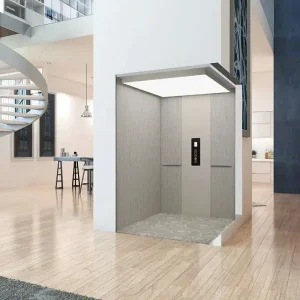
Advanced space-saving vertical lift ideal for Amsterdam's tall, narrow real estate structures. Requires minimal headroom and features customized luxury finishes to preserve classical interior aesthetics.
Explore Tech Specs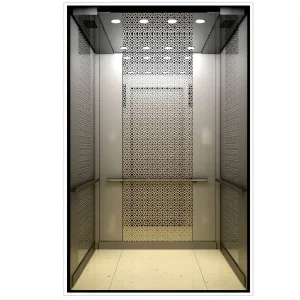
Low-carbon traction passenger elevator configuration utilizing PM synchronous gearless motor technology. Excellent energy-efficiency and quiet performance suitable for new build suburban projects.
Explore Tech Specs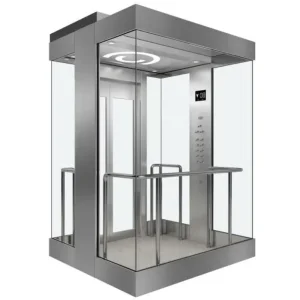
Corrosion-resistant marine-grade stainless steel framing, designed to withstand coastal air in Rotterdam and The Hague. High aesthetic integration with panoramic glass panel options.
Explore Tech Specs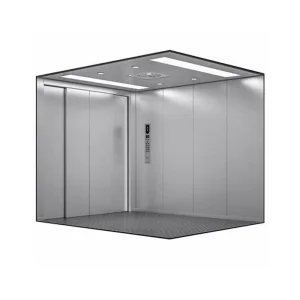
Engineered for Dutch logistics hubs and manufacturing plants. Features robust structure, high-load rating capacity, and micro-level alignment technologies for heavy goods transport.
Explore Tech SpecsUnderstanding the structural, regulatory, and demographic constraints driving the home elevator market in the Netherlands.
The Netherlands home elevator sector is undergoing a profound transformation. Driven by an aging population (vergrijzing), dense urban planning models, and strict municipal building codes, residential lift technology is no longer viewed as a pure luxury. Instead, it is an essential component of "future-proof living" (levensloopbestendig wonen).
Unlike standard suburban homes globally, residential properties in Netherlands major urban areas like Amsterdam, Rotterdam, Utrecht, and The Hague present unique engineering challenges. Traditional Dutch townhouses (grachtenpanden) are famous for their steep, narrow staircases and extremely limited spatial footprints. Retrofitting a standard elevator into these structures was historically impossible without destroying historical architectural fabric or altering load-bearing masonry. Modern architecture in regions like Almere and Leidsche Rijn, on the other hand, prioritizes zero-energy consumption (BENG regulations), requiring elevator manufacturers to reduce stand-by power states and transition completely to advanced green propulsion systems.
"Integrating vertical mobility solutions into historical Dutch urban fabrics requires more than scaling down equipment size. It demands an engineering philosophy centered on minimal physical footprint, zero-pit depths, and high structural self-reliance." — Bluetech Global Engineering Team
When modernizing historical real estate in the Netherlands, developers and architects must balance two opposing mandates: the preservation of historical values under the municipal monument commissions (Monumentenzorg) and the realization of accessibility standards as defined by the European Accessibility Act and the Dutch Building Decree (Bouwbesluit). Key constraints include:
A comparative overview of mechanical drive configurations, energy ratings, and shaft compatibility parameters.
| Drive System Technology | Pit Depth Required | Power Configuration | Energy Efficiency (VDI 4707) | Best Application Scenario (Netherlands) |
|---|---|---|---|---|
| PM Synchronous Gearless Traction | 100mm - 300mm | 230V / 400V Adaptable | Class A / B | Modern villas in Rotterdam, energy-saving multi-story residences. |
| Hydraulic with Biodegradable Fluid | 300mm - 500mm | 230V Single Phase | Class C | Low-traffic, heavy lifting installations with compact overhead spaces. |
| Pneumatic Vacuum Lift (Shaftless) | 0mm (Zero-Pit) | 230V Single Phase | Class D | Historic preservation retrofitting in Amsterdam Canal Houses. |
| Screw and Nut Platform Drive | 50mm | 230V / 400V | Class C / D | Duplex apartments and elderly accessibility additions without shafts. |
In accordance with the Dutch goal to achieve net-zero carbon building operations, residential elevators must transition from energy sinks to smart appliances. Our high-efficiency Permanent Magnet (PM) synchronous gearless motor drives minimize frictional losses. In tandem with smart variable frequency controllers (VVF), they pull up to 50% less current than traditional hydraulic units. Furthermore, for taller luxury residences with heavy travel patterns, optional regenerative drives feed kinetic energy back into the house's solar-battery microgrid, supporting local sustainability goals.
Established in 2006, delivering high-performance vertical transportation solutions across 30+ countries.
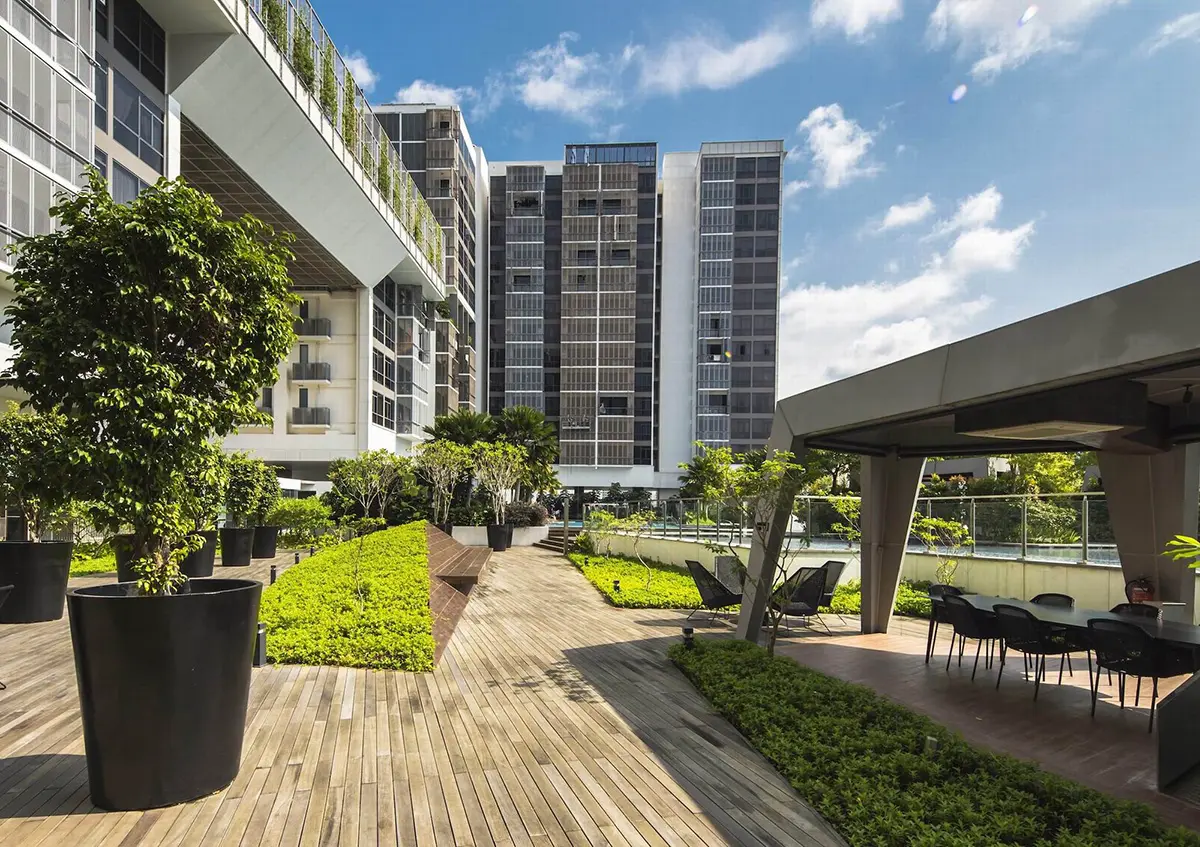
Ningbo Bluetech Import & Export Co., Ltd., established in 2006 by a group of industry specialists, has dedicated nearly 20 years of professional elevator and escalator engineering to clients worldwide. We design and manufacture our equipment in strict compliance with the rigorous European EN-81 standard, assuring that safety, design depth, and craftsmanship meet the expectations of the Dutch and global markets.
Our solutions span across home elevators, passenger elevators, sightseeing lifts, freight elevators, and dumb waiters. We emphasize humanized design, prioritizing safety, longevity, and cost efficiency. Our international export division serves over 30 countries, including Germany, the Netherlands, Saudi Arabia, Singapore, and the UAE. We work closely with municipal installers and distributors to supply certified lift structures ready for registration with local testing boards (such as Liftinstituut in the Netherlands).
Driving modernizations, new installs, and maintenance projects alongside global leaders.
When you choose Ningbo Bluetech, you align with an ecosystem built on collaboration with the world’s leading lift organizations, including ThyssenKrupp Africa and Mitsubishi Middle East. Our experience handling large-scale commercial contracts translates into premium-grade components for residential projects. Whether configuring a high-speed elevator, modernizing old architectural shafts, or installing a self-supporting glass home lift, our solutions are engineered for zero-defect integration.
In the Netherlands, we partner with certified local installation and maintenance services to ensure prompt on-site engineering, compliance checks, and emergency monitoring under Warenwet regulations. Our systems run on open-protocol controllers, which empowers building owners to choose flexible maintenance contracts, preventing OEM locking and reducing lifetime ownership costs.
Our global portfolio includes commercial developments such as the ACE Hotel group. We carefully blend client guidelines, environmental limitations, and modern technical aesthetics to produce silent, responsive lifts.
Decades of professional design experience enable us to deliver tailor-made lift layouts in complex, narrow, or non-standard architectural shafts.
We respect both existing partners and potential customers, guaranteeing full technical solutions or quotations within 12 hours.
Through robust supply chain networks and highly optimized production loops, we offer premium tier equipment at competitive price structures.
Our standard manufacturing schedule finishes components within 3 weeks, and urgent projects can be delivered within 2 weeks.
Providing full systems and components designed for the EU market, maintaining strict conformance to EN-81 and CE standards.
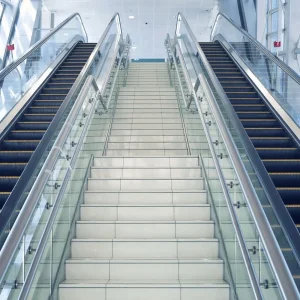
Advanced escalators running on variable frequency drives (VVF) to minimize energy use during low-occupancy periods, matching Dutch smart-building standards.
Explore Tech Specs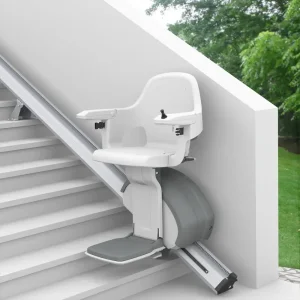
Safe incline passenger lift for wheelchair users. Folds compactly against the wall when not in use to maintain hallway egress clearance under fire regulations.
Explore Tech Specs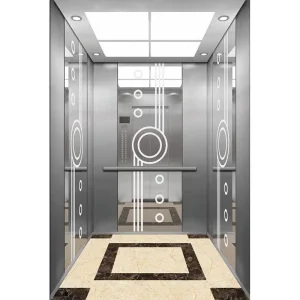
High-end cabin options using textured bronze, panoramic glass, and oak finishes to harmonize with historic Dutch interiors and contemporary villas.
Explore Tech Specs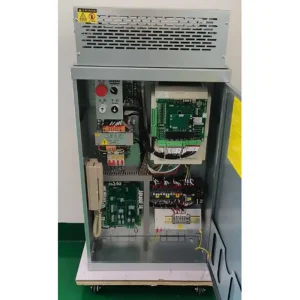
Intelligent lift control panel featuring CAN-bus communication, supporting real-time diagnostics, remote monitoring, and smooth landing accuracy.
Explore Tech Specs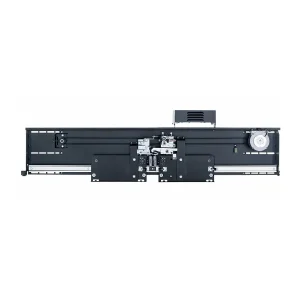
Quiet and reliable door operators featuring integrated safety light curtains and variable frequency speed curves for maximum safety and comfort.
Explore Tech Specs
Optimized machine-room-less (MRL) design perfectly matching modern modular and prefabricated house blueprints in Zeeland and Gelderland.
Explore Tech Specs
Advanced accessibility lifts suitable for narrow staircases. Safe battery operation ensures smooth travel even in the event of home power failure.
Explore Tech Specs
Heavy-duty stainless steel elevator cabins. Designed to support apartment developments, community spaces, and social housing projects across the Netherlands.
Explore Tech SpecsPioneering smart, connected, and eco-friendly vertical transportation infrastructure.
As standard home appliances integrate with local home management setups, the home elevator is transforming into an active participant in smart residential spaces. At Ningbo Bluetech, our technological research roadmap targets three core developments tailored for the European market:
By shifting from standard scheduled maintenance cycles to proactive, predictive maintenance models, we minimize lift downtime. Integrated sensors track motor vibration, door cycle efficiency, and temperature shifts. Data is processed locally and synced via secure channels to local Dutch service engineers, alerting teams before a mechanical failure occurs.
With solar panel arrays (zonnepanelen) and residential home batteries becoming standard in provinces like Utrecht and Brabant, future home lifts will act as flexible loads. Our regenerative drives are configured to coordinate draw patterns with smart home energy hubs, utilizing stored battery energy during peak tariff periods to minimize grid draw.
We are optimizing our manufacturing loops toward Cradle-to-Cradle (C2C) standards. Every component, from aluminum framing and copper windings to interior wood panels, is selected for high recyclability, helping developers achieve higher BREEAM ratings for modern Dutch building projects.
Answering the technical, financial, and regulatory questions critical to Dutch home lift installations.
 Bluetech