Engineered for architectural integration, low energy footprint, and silent operation in modern Austrian residences.
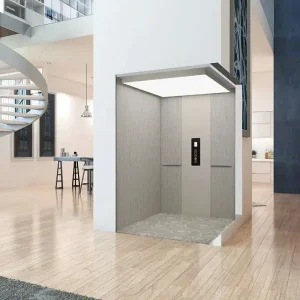
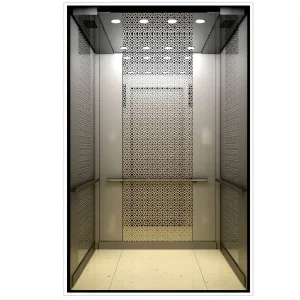
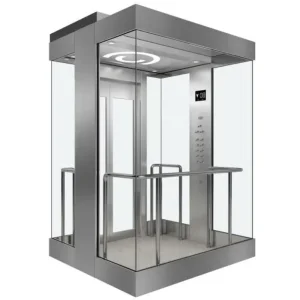
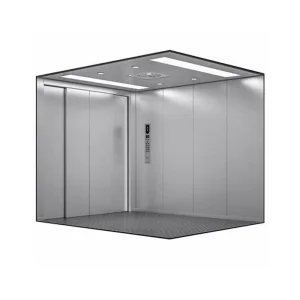
The home elevator industry in Austria is undergoing a profound paradigm shift. Driven by a rapidly aging demographic, structural shifts towards multi-generational homes, and strict urban building regulations in cities like Vienna, Salzburg, and Graz, residential vertical mobility has transitioned from a luxury addition to a core structural requirement. The Austrian elevator market is highly regulated, prioritizing safety, low carbon footprint, and space optimization.
A key driver within the Austrian domestic market is the retrofitting of "Altbau" properties (historical buildings). These historic urban structures present major structural hurdles, such as exceptionally narrow stairwells and historic heritage protections that prevent changes to building facades. To address this, developers and homeowners rely heavily on specialized Machine Room-Less (MRL) traction elevators and self-supporting structural glass shafts. In modern suburban areas like Tyrol and Carinthia, the push is toward low-energy "Passivhaus" (passive house) standards, requiring home lifts with minimal standby power consumption, highly efficient VVVF (Variable Voltage Variable Frequency) drives, and eco-certified materials.
On a global scale, the vertical transportation market is moving away from energy-intensive hydraulic systems to advanced gearless permanent magnet (PM) synchronous motor systems. In Austria, this technological trend is accelerated by local green energy mandates and noise protection standards (such as ÖNORM B 8115-2, which governs sound insulation in residential buildings). Homeowners expect near-silent operational performance, with noise emissions kept below 35 dB(A). Globally, safety features such as Automatic Rescue Devices (ARD), smart monitoring via IoT, and infrared light curtains have become industry baselines, but the Austrian market demands rigorous certification by European Notified Bodies (e.g., TÜV Austria, CE certification matching Lift Directive 2014/33/EU and EN 81-41/EN 81-70 norms).
Any residential platform lift or home elevator deployed within the European Union, particularly Austria, must strictly adhere to the safety guidelines of EN 81-41. This specifies safety gear performance, electrical design safety, structural analysis of the guide rails, and emergency lowering systems.
For Austrian procurement managers, elevator contractors, and estate developers, sourcing key components or complete systems from specialized manufacturing clusters in China offers unparalleled economic and technical advantages. By partnering with advanced manufacturers like Ningbo Bluetech Import & Export Co., Ltd., European businesses bridge the gap between strict European compliance (EN-81) and manufacturing efficiency.
The primary advantages of Chinese manufacturing hubs include:
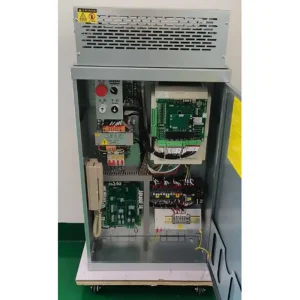
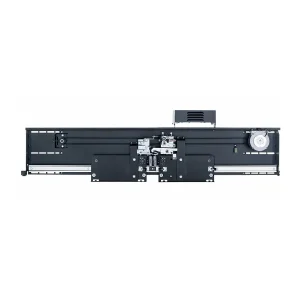
At Bluetech, technology is integrated at every step of manufacturing. Using advanced VVVF control technology, smart emergency evacuation systems, and active energy regeneration modules, Bluetech products match the performance levels of high-tier European elevator brands. Factory Acceptance Testing (FAT) ensures every control cabinet, door system, and drive unit is fully configured, pre-wired, and tested before container loading, significantly lowering installation times and labor costs on-site in Austria.
Comparing vertical transport mechanics for Austrian single-family homes, historical retrofits, and commercial buildings.
| System Type | Drive Mechanism | Typical Footprint / Pit Required | Energy Efficiency Rating | Best Application in Austria |
|---|---|---|---|---|
| MRL Traction Lifts | Gearless PM Synchronous Motor | Minimal (Pit: 300mm, Headroom: 2800mm) | Class A (VDI 4707) | New Passive House builds, modern villas in Tyrol |
| Platform Lifts | Screw and Nut / Hydraulic Lift | Low (No pit required / 50mm pit) | Class B / C | Accessibility retrofit in Vienna historical apartments |
| Hydraulic Elevators | Hydraulic Pump & Piston | Moderate (Pit: 1000mm + machine room box) | Class C / D | Low-rise industrial/commercial cargo buildings |
We deliver premium vertical mobility solutions engineered for the highest expectations of European safety, sustainability, and longevity.
Our engineering team designs custom structural glass shafts, tailored cabin heights, and premium finishes matching historical preservation criteria in Austria.
We guarantee complete technical layouts, mechanical drawings, and commercial quotes within 12 hours of receiving shaft parameters.
All control systems feature standard Automatic Rescue Devices (ARD), battery back-ups, and optional IoT modules for predictive maintenance alerts.
Standard home elevator orders are manufactured and tested within 3 weeks, and urgent customization projects can be processed within 2 weeks.
Explore our architectural and commercial installations built in partnership with leading European development agencies.
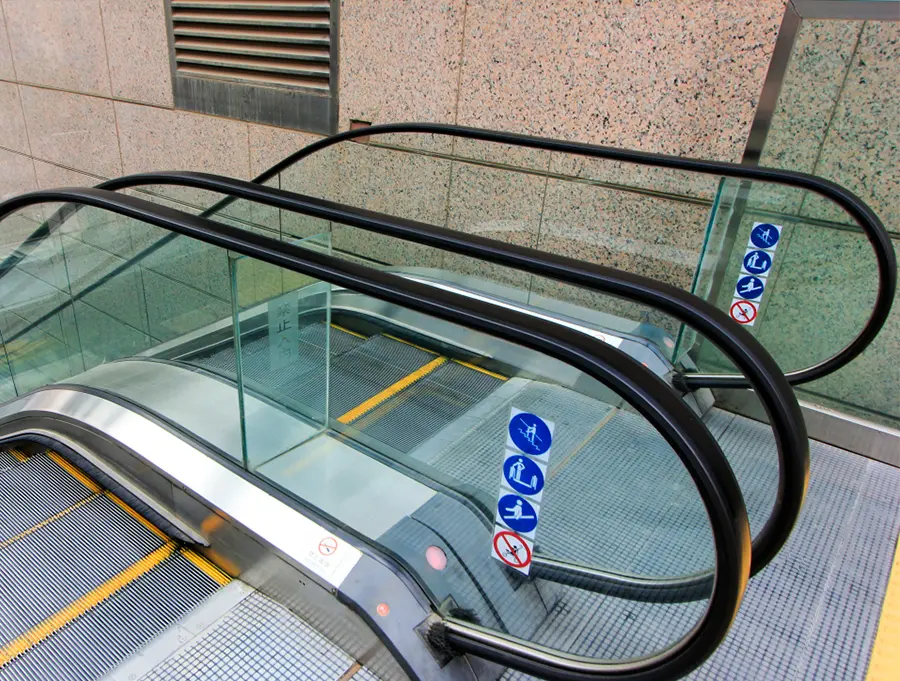
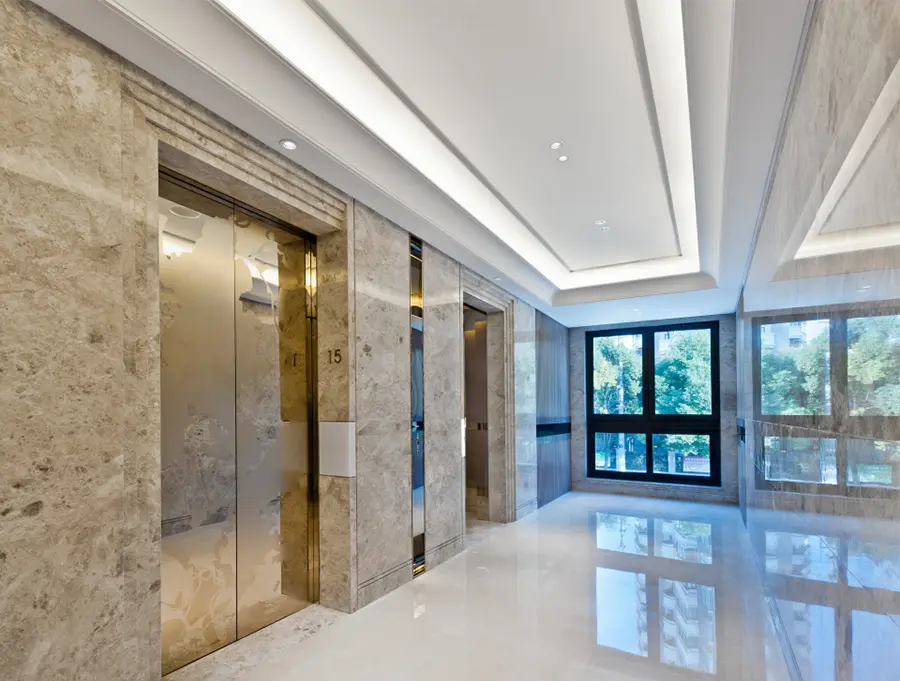
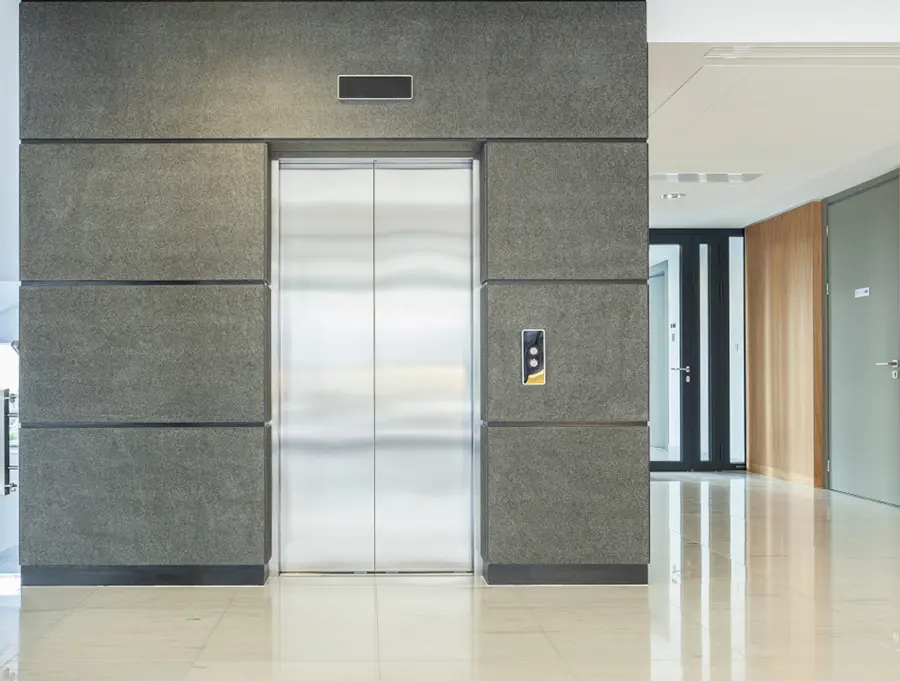
From space-saving escalators to heavy industrial lifts and luxury custom cabins compliant with European regulations.
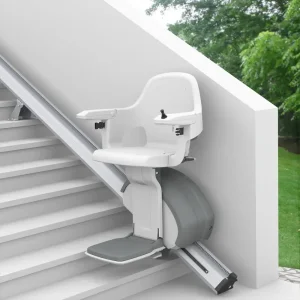
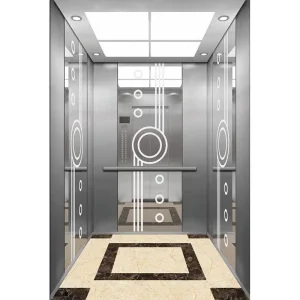
Austrian geographic diversity requires specialized elevator configurations. In the mountainous western provinces like Tyrol and Vorarlberg, luxury Alpine chalets demand robust vertical mobility systems. These structures often feature wood and stone architectures, requiring home elevators with rustic timber panel interiors or seamless glass designs. The mechanical systems must operate reliably in seasonal low temperatures and high elevations without condensation affecting the safety electronics.
Conversely, in historical areas of Vienna and Graz, space optimization is the key requirement. Retrofitting an elevator into historic buildings often means fitting the shaft into a central stairwell. This requires extremely narrow elevator pits (sometimes only 150mm to 300mm deep) and low headroom clearances. Traditional overhead drive rooms are not options here. Self-supporting structural steel shafts with integrated control cabinets built right into the door frame are the ideal solution for these urban projects.
Managing the supply chain for residential vertical transit systems requires balancing technical compliance, manufacturing timelines, and transportation logistics. Global buyers must ensure their Chinese OEM suppliers can meet localized standards while keeping prices competitive.
Important factors for successful sourcing include:
Since Austria is landlocked, shipments sent by sea from China are typically routed to northern European ports like Rotterdam or Hamburg, then transported via container rail directly to terminals in Vienna, Linz, or Graz. Transit times are approximately 35 days, whereas land rail freight via the Silk Road offers a faster, 18-to-22-day transit option.
The home elevator industry is modernizing through smart technology and carbon-neutral manufacturing. The standard home lift of the future will be a fully connected appliance integrated with home automation platforms. Key emerging trends include:
Essential insights for developers, architects, and private owners when sourcing home lifts for Austria.
Get in touch with our engineering team for customized shaft drawings, technical specifications, and detailed pricing within 12 hours.
Send Inquiry Now Bluetech