Engineered for high spatial efficiency, unmatched safety margins, and seamless architectural integration in contemporary structures.
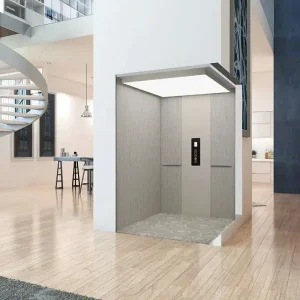
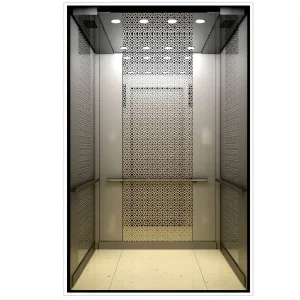
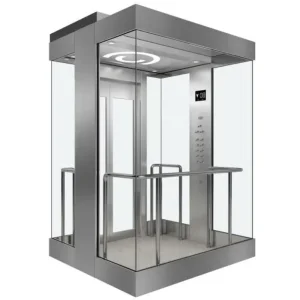
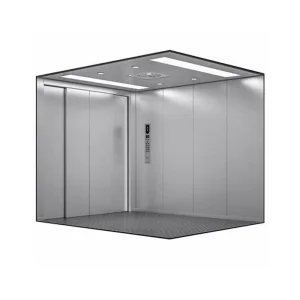
The Japanese market for home elevators represents one of the most technologically demanding and safety-conscious sectors globally. Driven by a rapidly aging demographic—where over 29% of the population is aged 65 or older—and characterized by high-density urban residential layouts, the demand for residential vertical transit systems has evolved from a luxury option into an essential structural component of multi-generational dwellings.
Unlike typical western configurations, Japanese home elevators must operate within exceptionally tight spatial footprints, often conforming to the unique constraints of Kyosho-jutaku (micro-homes). This design paradigm demands Machine-Room-Less (MRL) technology, low pit depths, and minimized overhead clearance, all while achieving compliance with stringent national building codes.
Furthermore, manufacturing home elevators for the Japanese metropolitan landscape requires profound mastery of seismic engineering. Every system must feature advanced automated sensors integrated with the Japan Meteorological Agency's earthquake early warning broadcasts, ensuring passenger safety during tectonic activities.
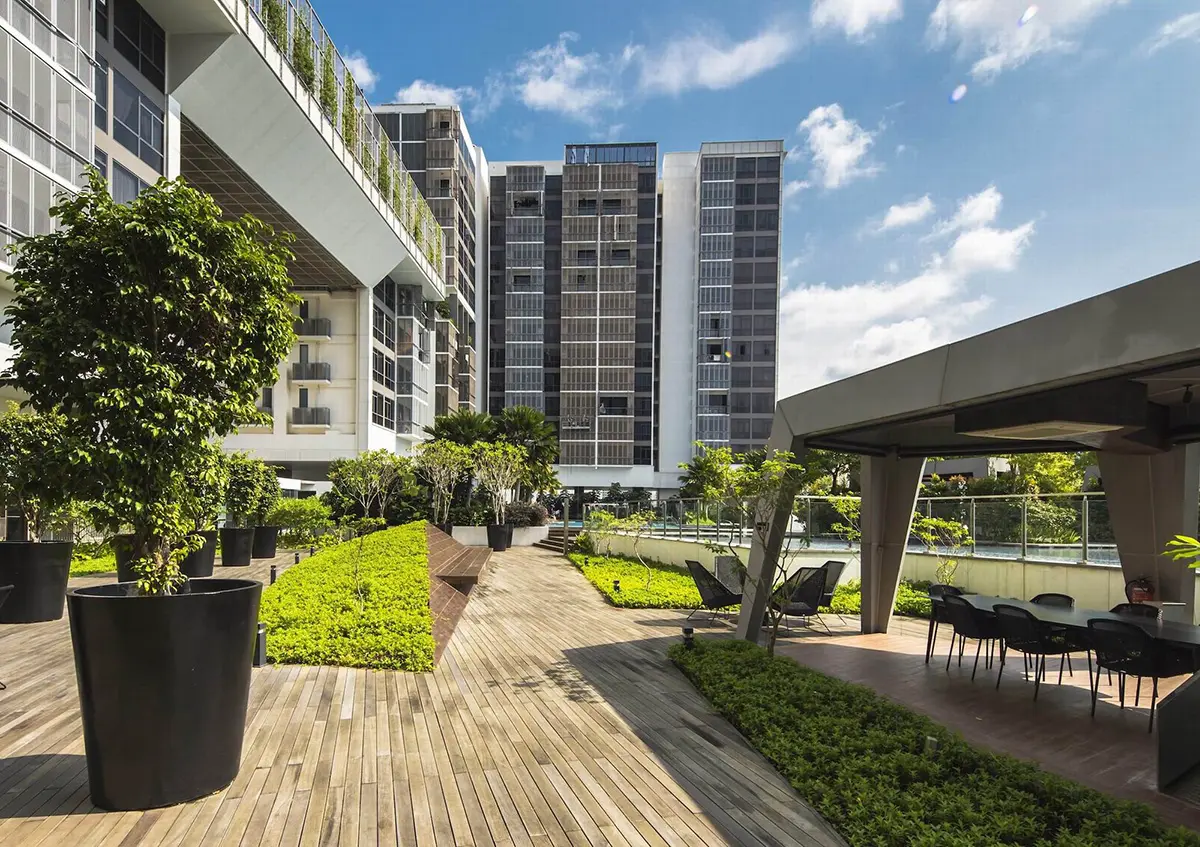
Discover the engineering protocols that position Bluetech as a global partner for high-precision elevator manufacturing.
Integrated with high-precision acceleration sensors that detect Primary seismic waves (P-waves) seconds before structural shocks arrive, executing immediate stop controls at the nearest available floor.
Our Variable Voltage Variable Frequency digital systems deliver micro-smooth velocity curves. Accelerations and decelerations are calibrated dynamically, eliminating cabin jitter completely.
By shifting traction elements into the shaft structure itself, we eliminate the need for dedicated machine rooms, adapting perfectly to space-restricted urban layouts in Japanese neighborhoods.
Our permanent magnet synchronous motors feed power back into the domestic electrical network during light-load ascents or heavy-load descents, cutting operational footprints by 35%.
Equipped with progressive safety gears, electromagnetic double brakes, and infrared light curtains that prevent passenger entrapment or impact at the landing gate.
Embedded IoT connectivity enables live telemetry monitoring, alerting dispatch centers of physical irregularities and performing self-checks to achieve up to 99.9% uptime.
Established in 2006 by a dedicated group of vertical transit specialists, NINGBO BLUETECH has amassed nearly two decades of intensive manufacturing and design excellence. Today, we specialize in high-spec home elevators, passenger lifts, freight systems, and escalators designed and fabricated under strict international standards.
Our strategic alignment with elite global entities, such as Mitsubishi Middle East and ThyssenKrupp Africa, underscores our operational reliability. All solutions conform strictly to EN-81 and JIS compliance architectures, offering premium performance, swift delivery turnarounds within two to three weeks, and a resolute commitment to engineering safety.
Partner With UsProcuring home elevators for deployment in Japan or other highly regulated regional markets involves complex structural, electrical, and legal interfaces. B2B buyers, architectural firms, and high-end residential contractors must evaluate parameters far beyond simple aesthetic configuration.
Importing machinery into Japan requires strict compliance with the Building Standards Law. Elevators must pass comprehensive inspection regimes detailing structural integrity under peak seismic loads, cabin ventilation rates, fire-resistance characteristics of door landing systems, and safety circuit designs. Bluetech products undergo continuous testing to verify compatibility with these rigid specifications, streamlining the pathway to local municipal sign-offs.
Historically, residential lifts deployed hydraulic drives due to their compact shaft requirements. However, contemporary Japanese design heavily favors Variable-Frequency Permanent Magnet Synchronous (PMSM) Gearless Traction systems. These systems offer:
Traditional infrastructure projects often require deep foundation pits (often exceeding 1.2 meters) to house shock absorbers and guide rails. In Japan, bedrock structures or existing subterranean piping systems make this impossible. Modern Bluetech designs utilize advanced telescopic guide frames and low-profile buffers, reducing pit requirements to as little as 300mm without compromising safety margins.
We forecast the trajectory of residential elevators integrating deeply with smart-home AI systems. Voice-recognition controls, touchless gesture panels, and facial recognition access protocols are transitioning from concepts into basic engineering requirements. Additionally, regenerative batteries will ensure home elevators remain fully operational during standard power grid blackouts—a crucial factor in earthquake-prone coastal cities.
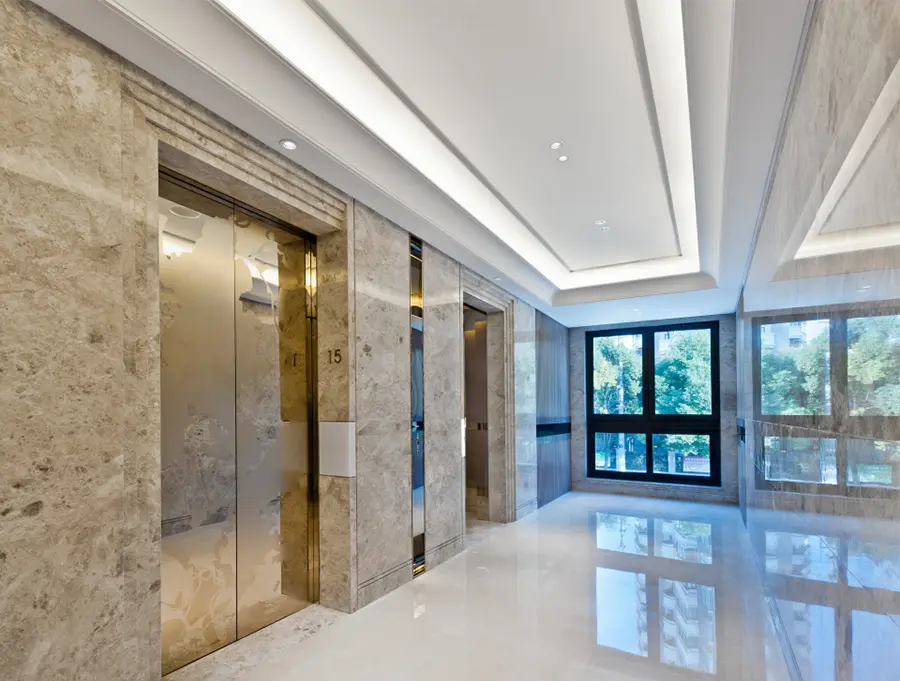
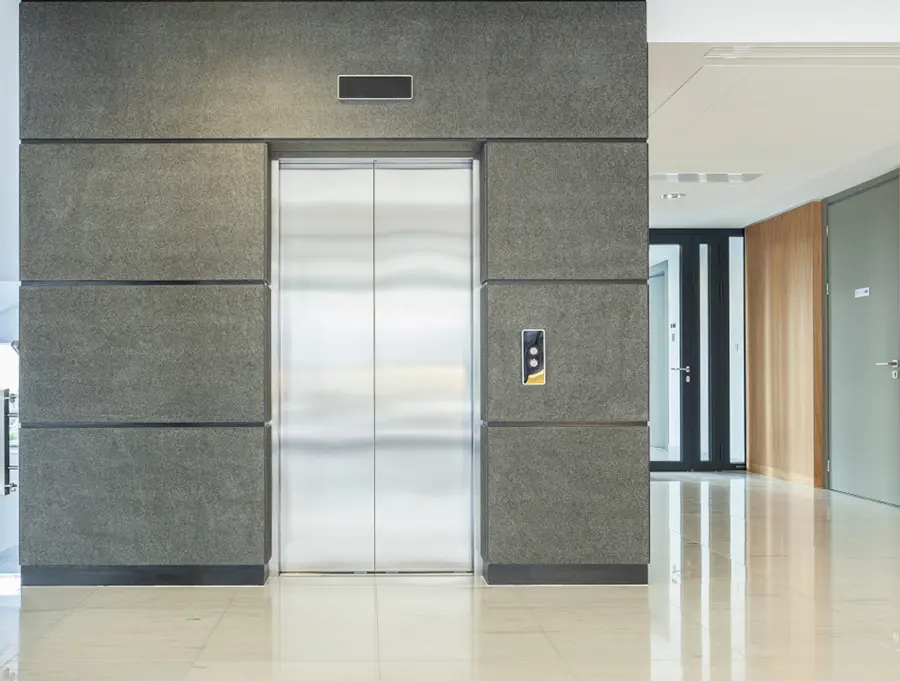
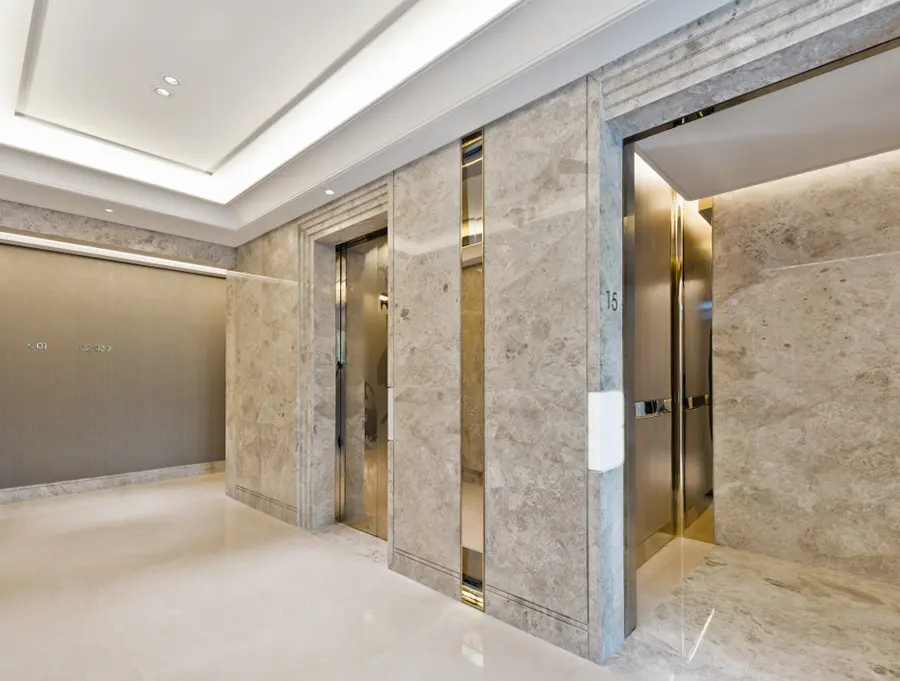
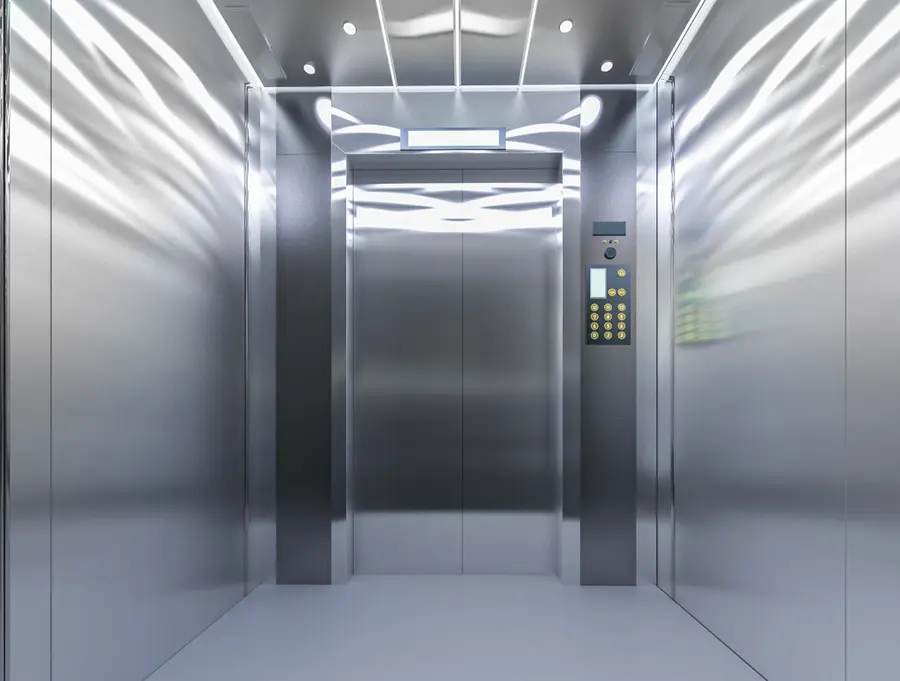
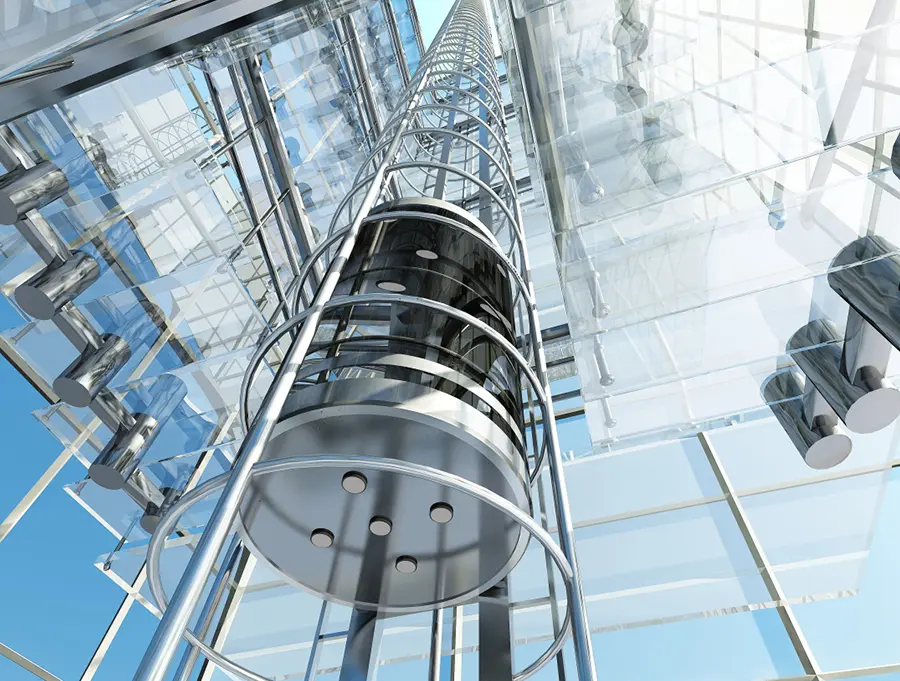
Explore some of our structural installations spanning urban penthouses, heritage villa modernization projects, and boutique hospitality spaces.
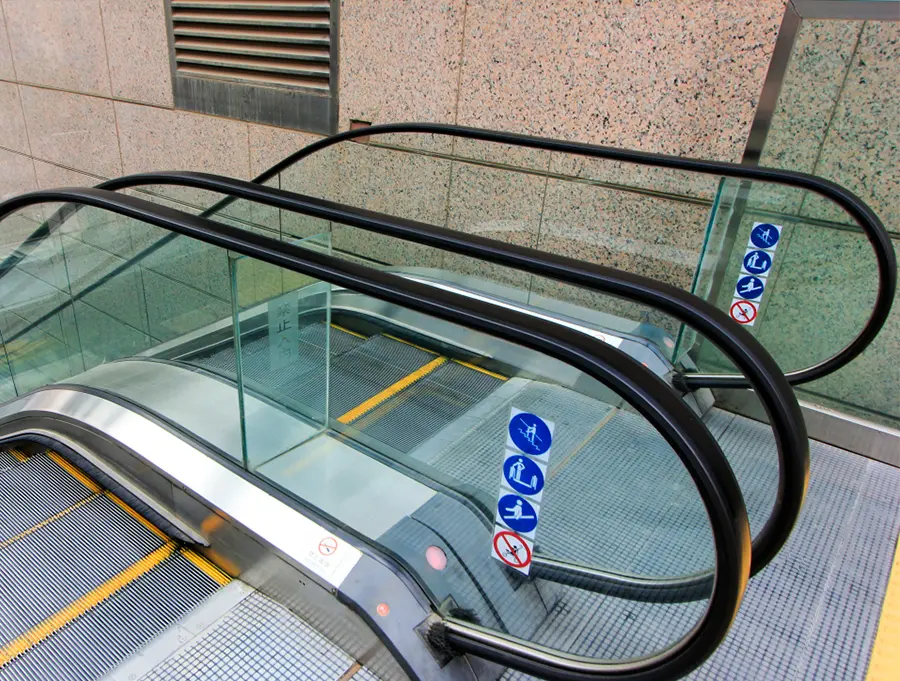
Explore our complete manufacturing lineup, containing drive controllers, premium elevator cabins, and architectural accessibility products.
Technical answers to support structural architects, building engineers, and procurement managers.
To accommodate space-restricted architectures, Bluetech's MRL home elevators require a minimum pit depth of 300mm to 450mm and headroom height starting at 2800mm. This is significantly lower than standard commercial variants, reducing excavation and structural modifications.
All elevators configured for seismic areas are built with P-Wave (Primary Wave) and S-Wave (Secondary Wave) sensors. Upon detection of low-level initial tremors, the elevator automatically terminates upward/downward transit at the nearest floor, opens the doors to allow passengers to exit, and alerts safety centers via integrated network arrays.
Yes. Our entire product matrix, including home passenger lifts, escalators, and door mechanisms, conforms to the latest EN-81 European Standards, and is custom-engineered to meet specific regional requirements such as the Japanese Building Standards Law (BSL) and JIS regulations.
Due to our optimized supply chain and manufacturing efficiency, standard configurations are fabricated within 3 weeks. Urgent local housing projects or specific construction demands can be accommodated in 2 weeks under special prioritization protocols.
Absolutely. Every residential lift configuration includes an Automatic Rescue Device (ARD). In the event of a municipal power failure, the battery bank automatically takes over control systems, bringing the elevator to the closest landing, opening the doors, and illuminating the emergency cabin arrays.
Get in touch with our design engineers for detailed drawings, CAD file configurations, compliance consultations, and precise cost estimates.
Send Inquiry Now Bluetech