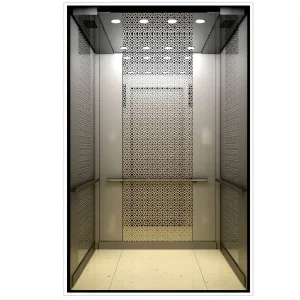
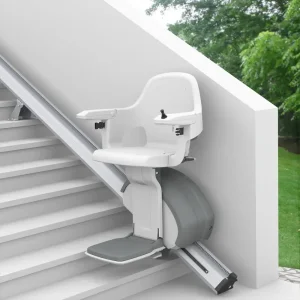
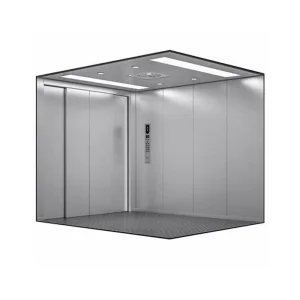
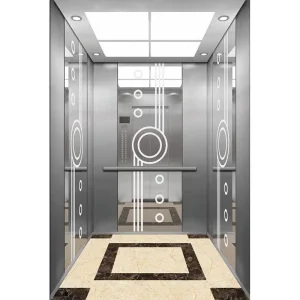
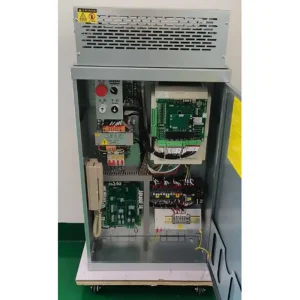
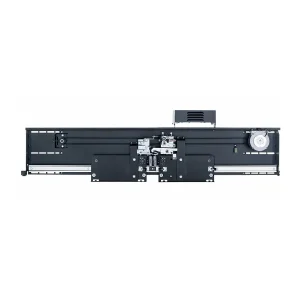
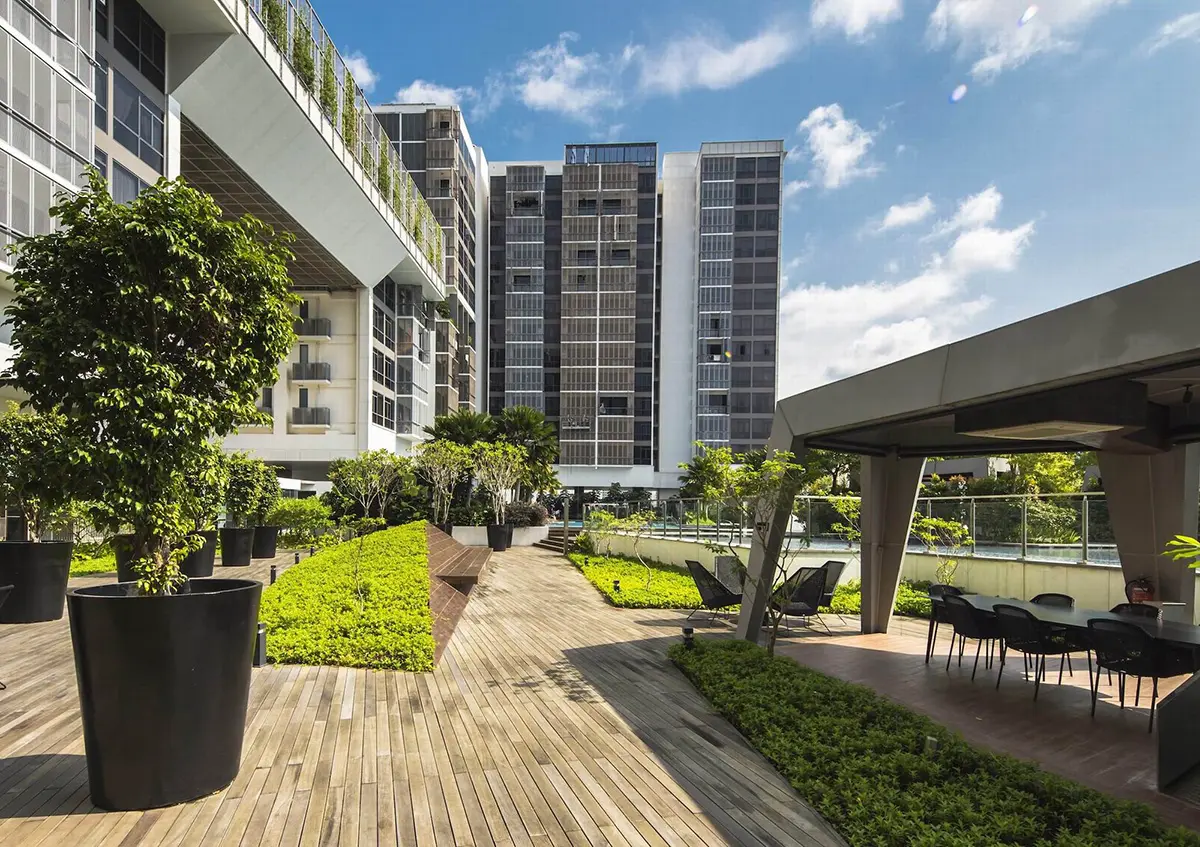
Designed to match New Zealand's unique architectural landscape—from modern townhouse developments in Auckland to coastal retreats in Tauranga.
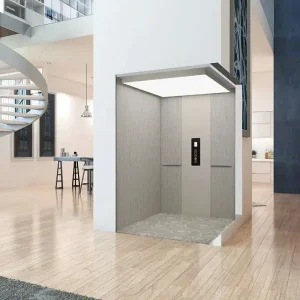
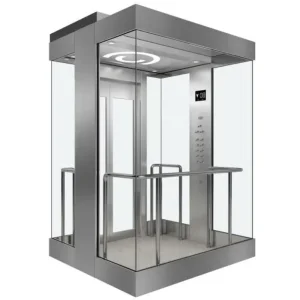
The demand for premium, energy-efficient home elevators in New Zealand has escalated exponentially. Driven by urban consolidation under the National Policy Statement on Urban Development (NPS-UD), multi-story townhouse developments have become the new standard in major cities like Auckland, Wellington, and Christchurch.
Furthermore, New Zealand's aging population profile creates a pressing requirement for "aging-in-place" home modifications. Modern homebuyers seek out integrated vertical mobility solutions to future-proof their properties. We engineer residential elevators specifically to address these demographics while focusing on local architectural integrity and structural constraints.
Due to New Zealand's active fault lines, residential structural components must undergo strict compliance assessments. Our home elevator structures are designed and tested to withstand significant seismic actions as mandated by NZS 1170.5, utilizing reinforced structural steel frameworks, dual guide rails, and fail-safe mechanical locking systems.
All our passenger and home lifts are constructed to align with NZS 4332, EN 81-41, and NZS 4121 (Access for People with Disabilities). We provide comprehensive documentation packages including PS1 (Producer Statement) structural designs to guarantee clean, hassle-free approvals during local district council consent procedures.
Our track record of excellence and our long list of satisfied clients speak to our commitment to quality, innovation, and customer satisfaction.
Our partners including many international elevator companies, such as Mitsubishi middle east, ThyssenKrupp Africa. We are working together both in new lifts, modernization and maintenance projects. When you choose NINGBO BLUETECH for your elevator and escalator needs, you can have peace of mind knowing that you are working with a team of industry experts who are dedicated to delivering top-tier products and services. In summary, NINGBO BLUETECH is the go-to choice for elevators and escalators. With nearly two decades of industry experience, a focus on quality, safety, and customer satisfaction, and a dedication to innovation and sustainability, you can trust us to provide the perfect vertical transportation solution for your specific needs.
We apply advanced technologies into our products, such as intelligent VF control technology, emergency rescue system and energy saving and regeneration device etc, ensure BLUETECH high level quality.
We have years of professional design experience, that enable to provide best solution in special cases.
BLUETECH respect both in cooperating and potential customers, and give reply or solution within 12 hours, no matter before sales or after sales.
Basis on long term cooperation supplier and well control in purchasing process, BLUETECH can offer you best competitive products.
All our products can finish in 3 weeks, and 2 weeks in special case, that can meet urgent requirement.
The technological architecture behind Ningbo Bluetech elevator systems integrates state-of-the-art permanent magnet synchronous motors (PMSM), gearless machine-roomless (MRL) configurations, and regenerative energy-saving systems. This delivers quiet, space-saving operations ideal for luxury homes and compact NZ urban properties.
Recovers thermal and kinetic energy generated during braking processes and returns clean energy directly into the residential power grid, reducing overall energy consumption by up to 30%.
Variable Voltage Variable Frequency door mechanisms that monitor path impedance in real-time, adjusting opening/closing torque dynamically to enhance passenger safety and operational smoothless.
Integrated digital seismic sensors interface with the elevator controller, automatically directing the cabin to park at the nearest landing stage and open doors before structural hazards occur.
We understand that physical distance requires robust B2B assistance. That is why Ningbo Bluetech maintains a complete digital commissioning workflow. All parameters can be optimized remotely, and we provide physical maintenance protocols, comprehensive wiring schematics, and structural drawings for local NZ certified lift technicians.
All our team collaborates with our clients, across all of our 3 offices, which are located throughout the US. Our mission is to implement the outstanding design ideas and solutions for any project we're working on... During that process we carefully combine client's guidelines, technical possibilities.
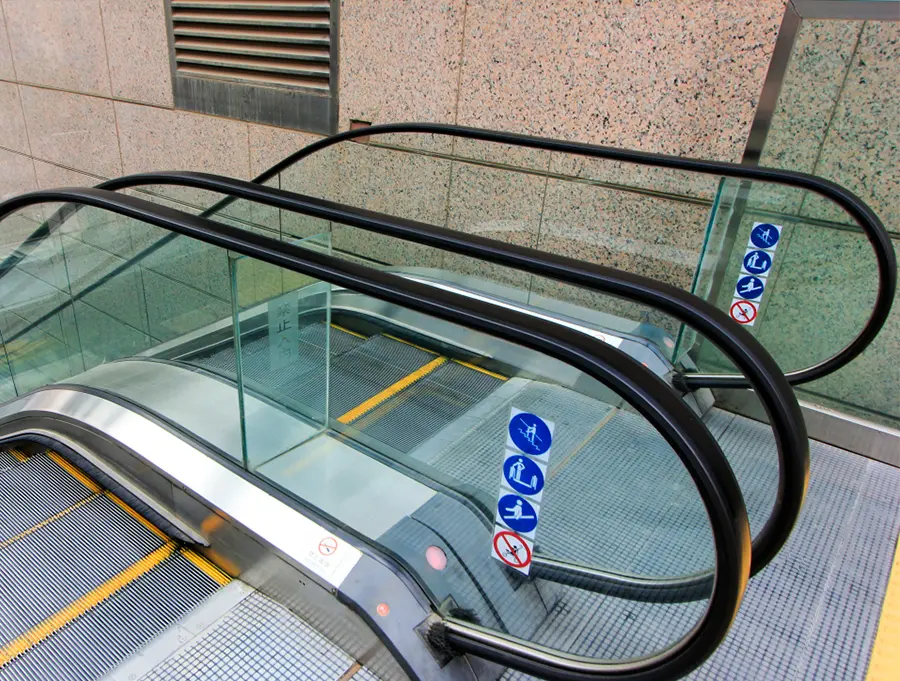
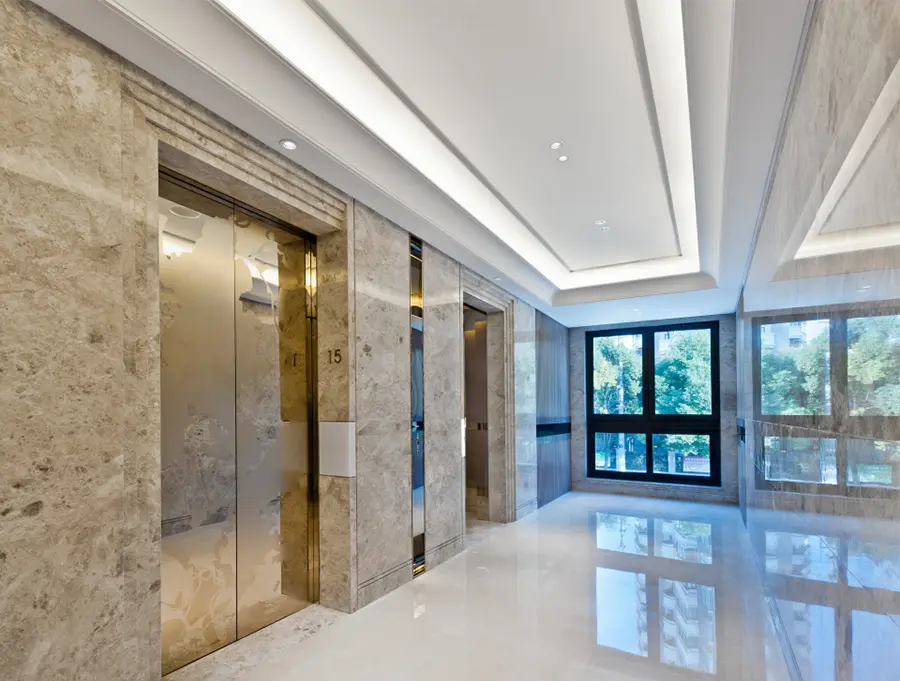
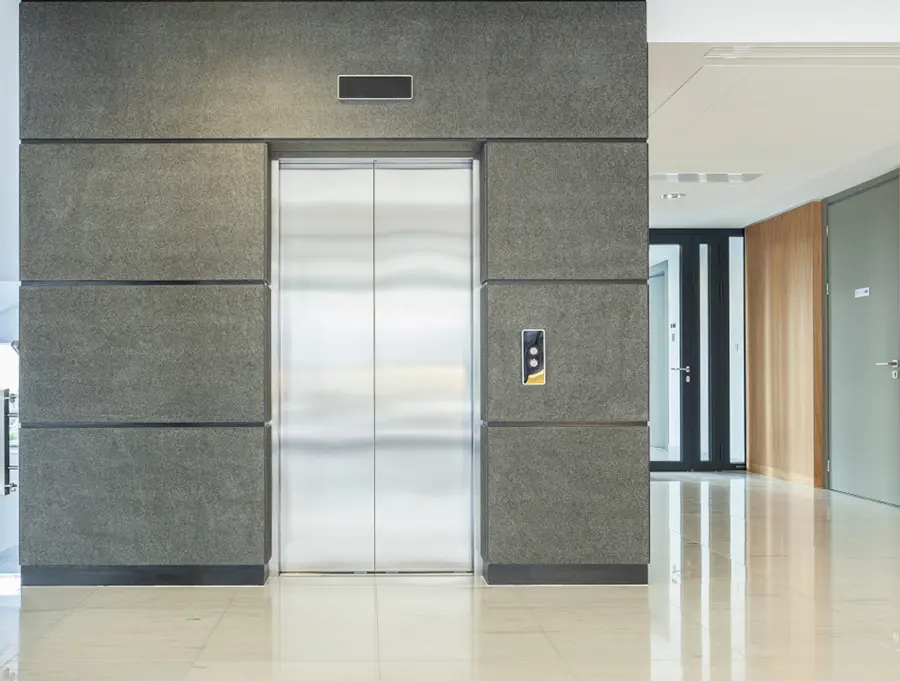
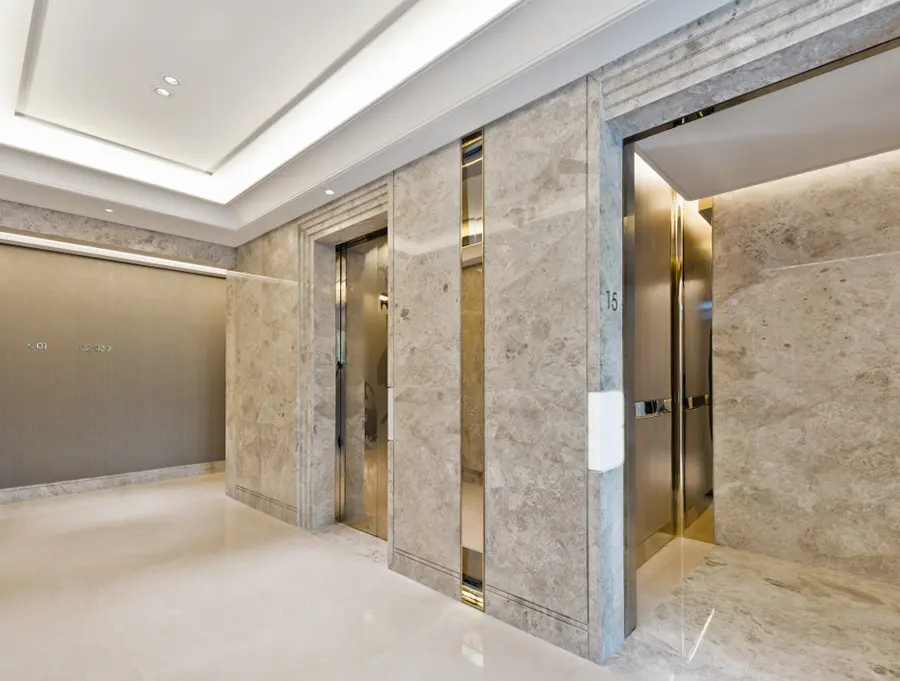
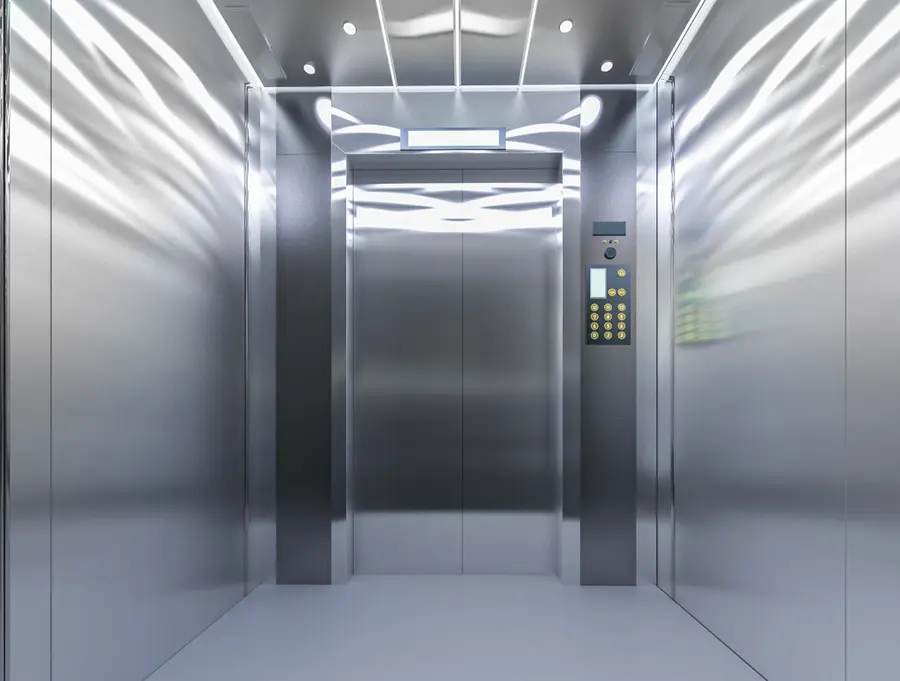
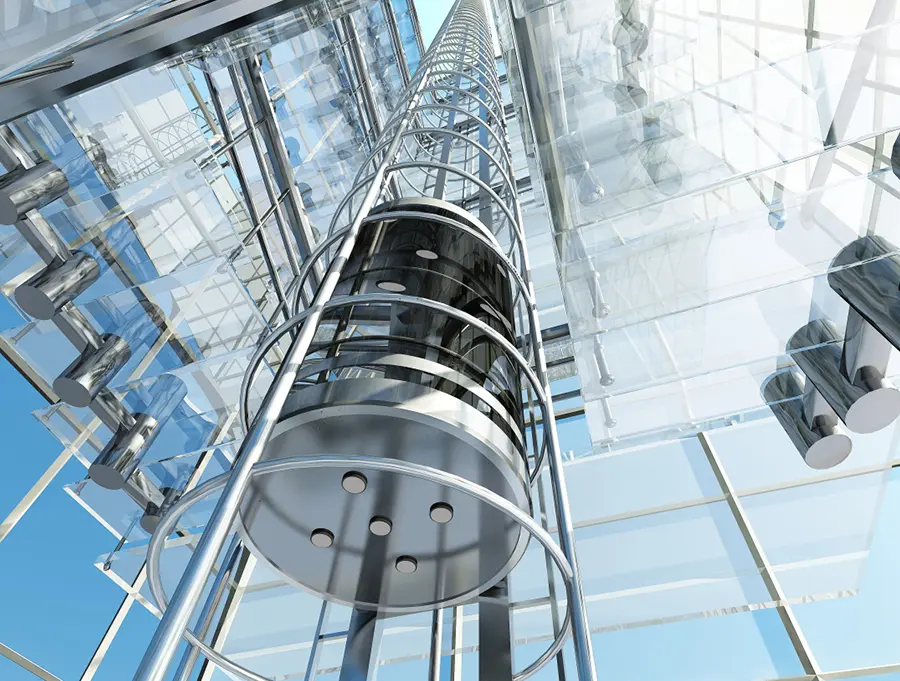
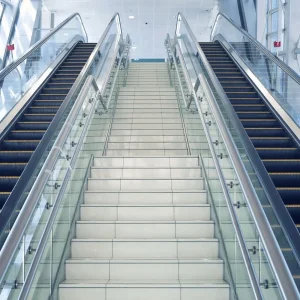
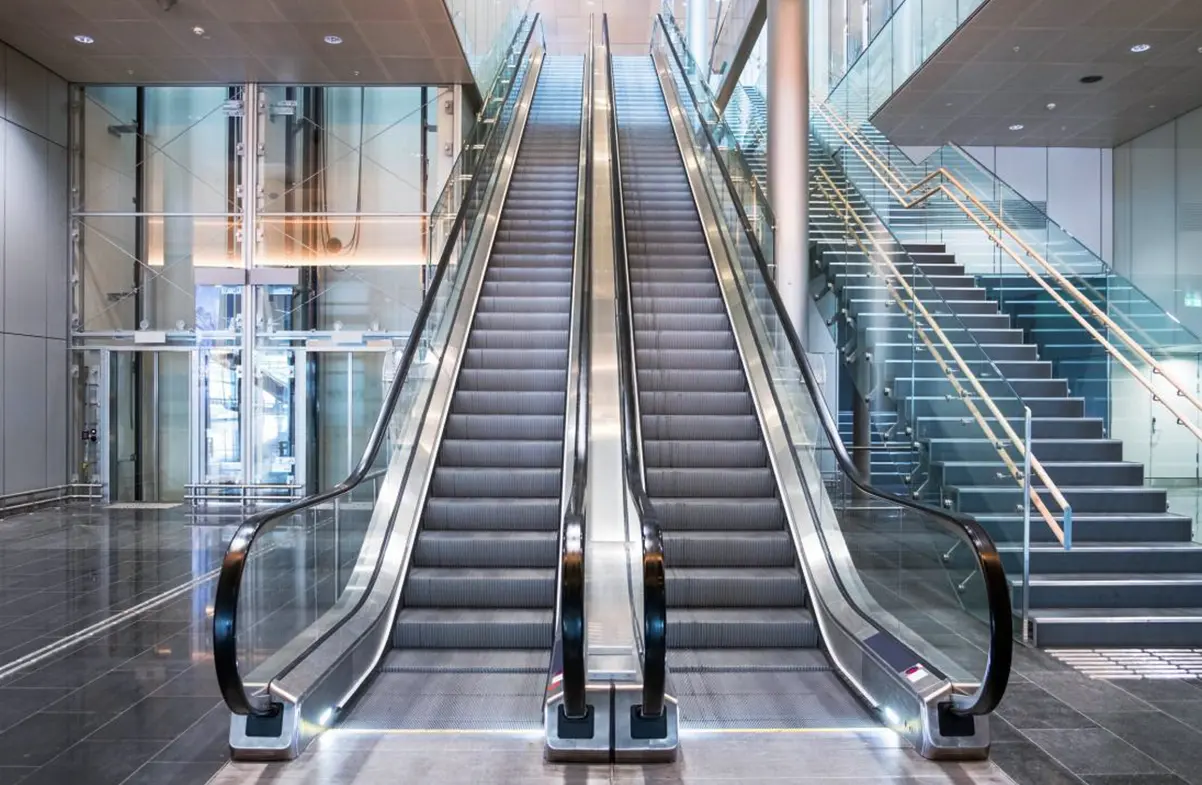
Explore our full line of passenger cabins, controller logic units, door mechanisms, escalators, and structural hoistway designs engineered for the New Zealand trade sector.
Expert insights on architectural planning, regulatory compliance, freight logistics, and onsite operations for builders, developers, and homeowners.
Yes. The installation of any home elevator or platform lift in New Zealand constitutes structural and mechanical alterations under the Building Act 2004. You must apply for a building consent with your local district council (e.g., Auckland Council, Christchurch City Council). We assist developers by providing CAD layouts, electrical diagrams, and PS1 documentation.
NZS 4121 specifies guidelines for accessibility and mobility. For public and residential spaces requiring compliance, we offer elevator cabins measuring at least 1400mm x 1400mm (or 1100mm x 1400mm where permissible) with handrails, low-level tactile controls, visual and auditory voice announcers, and automated sliding doors.
Our standard factory production timeline is 3 weeks from structural drawing sign-off. For urgent projects, we can compress production to 2 weeks. High-priority sea freight routing from our port in Ningbo to Auckland or Lyttelton ports typically spans 18 to 25 days, ensuring rapid supply timelines.
Machine-Roomless (MRL) elevators place the driving motor and controller directly within the hoistway. This removes the need for a dedicated concrete room, saving footprint space. Requirements involve a load-bearing shaft wall (concrete block, structural steel, or reinforced timber stud framing) and a shallow pit (typically 300mm to 1000mm) at the ground landing level.
 Bluetech