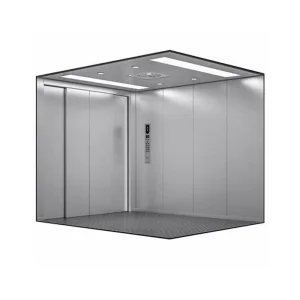
High-performance custom design solutions and integrated structural components engineered under EN-81 standard directives.
Ningbo Bluetech Import & Export Co., Ltd. has established itself as an innovative force in the international elevator and escalator manufacturing landscape. Initiated by a consortium of vertical mobility engineers in 2006, our brand delivers high-reliability design frameworks that integrate modern electronics with rugged mechanics.
Our core mission centers on creating space-optimized systems for residential dwellings, private villas, and high-load transport systems. Engineered to fulfill the strict criteria of European Union standards (such as EN-81 and EN 81-41), our platforms satisfy both the architectural demands of modernization projects and the rigorous parameters of structural accessibility.
The technical efficacy of NINGBO BLUETECH is reinforced by our extensive collaborative projects alongside multi-national elevator firms. We actively contribute to manufacturing pipelines, retrofitting assemblies, and technological system updates in coordination with global enterprises such as Mitsubishi Middle East and ThyssenKrupp Africa.
Through our partnerships, we keep our components ahead of global market requirements. We operate in over 30 countries—including Germany, Singapore, Thailand, Saudi Arabia, the United Arab Emirates, Egypt, Ethiopia, and Nigeria—delivering reliable machinery that addresses specific geographical challenges and regional compliance codes.
Why architectural engineering divisions, distributors, and global construction firms specify BLUETECH systems.
Our engineering division creates custom vertical mobility designs for structural configurations with minimal headroom, reduced pit clearances, or unique architectural layouts.
Standard fabrication runs are completed in 3 weeks, and urgent projects can be fast-tracked to 2 weeks, ensuring minimal project downtime and seamless supply chain transitions.
Our commercial and engineering technical support teams maintain a strict 12-hour response window, addressing inquiries from installation firms and procurement divisions worldwide.
Modern residential architecture is undergoing a significant transition, driven by spatial optimization, urbanization, and changing demographics. Home builders and developers are increasingly moving away from traditional, bulky elevator designs in favor of compact, energy-efficient residential passenger lifts. This whitepaper analyzes the engineering systems, regulatory environments, and architectural design strategies that are defining this shift in vertical mobility.
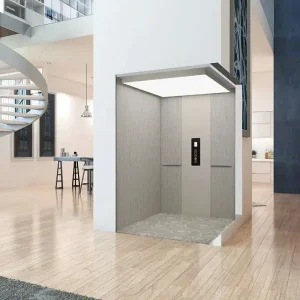
One of the primary challenges in residential vertical transit design is footprint efficiency. Conventional commercial elevators require dedicated machine rooms, deep pits, and substantial overhead heights. Small residential elevators are engineered to minimize or eliminate these requirements through Machine Room-Less (MRL) technology and compact drive packages.
By integrating the hoist machinery directly into the elevator shaft (hoistway), architects can reclaim valuable floor space. The structural load calculations for these systems are also different from commercial lifts. Rather than distributing loads to the building's structural frame, modern residential lifts frequently utilize self-supporting structures, concentrating the mechanical weight on the pit floor and minimizing the need for reinforced concrete walls.
| Drive Technology | Pit Depth Requirement | Headroom Clearance | Energy Efficiency Rating | Structural Load Distribution |
|---|---|---|---|---|
| Traction (MRL) | 150mm - 300mm | 2600mm - 2800mm | Excellent (With Regeneration) | Pit Floor & Guide Rails |
| Hydraulic (Compact) | 100mm - 200mm | 2500mm - 2700mm | Moderate | Pit Floor (Load Centered) |
| Screw & Nut System | 50mm - 100mm | 2200mm - 2400mm | Standard | Self-supporting Frame |
In the global home lift sector, safety and regulatory compliance are critical. In the European Union and other international markets, residential elevators must meet the strict standards outlined in the EN 81 series (specifically EN 81-41 for vertical lifting platforms). These regulations cover everything from structural integrity to backup systems and electrical safety controls.
Modern safety suites rely on two key systems: Automatic Rescue Devices (ARD) and Variable Voltage Variable Frequency (VVVF) motor control. In the event of a power outage, the ARD automatically switches the lift to battery power, bringing the cabin to the nearest floor and opening the doors. Concurrently, VVVF drives manage acceleration and deceleration curves, reducing structural wear and ensuring a smooth ride.
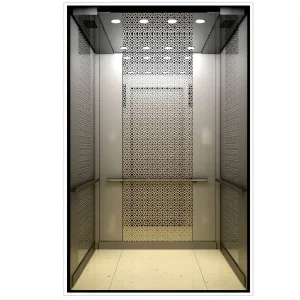
While safety and engineering are the foundation of any lift, residential systems must also blend with the home's interior design. Material selection plays a critical role here. Modern residential lift cabins often feature high-grade stainless steel (such as 304 or 316 grade), structural glass panels, and lightweight composite walls to keep deadweight low without sacrificing strength.
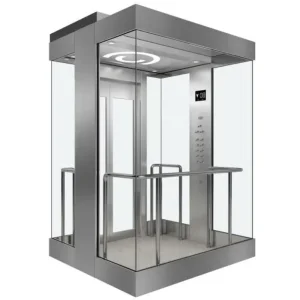
Using glass panels also supports the growing architectural trend toward panoramic home elevators, which maximize natural light and offer clear sightlines through the home. Advanced finishing options—like mirror-polished, brushed, or PVD-coated stainless steel—help integrate the elevator cabin with modern interior designs.
For distributors, developers, and builders, smooth logistics and supply chain reliability are just as important as the technology itself. Since home construction timelines are tight, delivery delays can lead to costly disruptions for other trades.
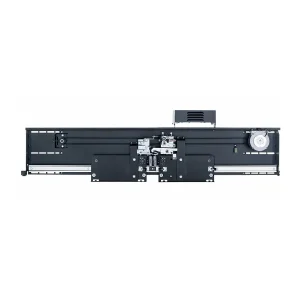
To address this, modern factories use modular manufacturing techniques. By standardizing core mechanical components, like guide rails, door operators, and control systems, and keeping structural frames customizable, manufacturers can reduce lead times to 2-3 weeks. This approach helps builders keep projects on track while maintaining the flexibility needed for custom architectural finishes.
Answers to key engineering, installation, and procurement questions from builders and architects.
For standard compact traction (MRL) installations, the minimum pit depth is typically 150mm to 300mm, with a headroom requirement of 2600mm to 2800mm. For properties where excavation isn't possible, we offer pitless configuration models. These install directly onto the existing slab and use a small, 50mm ramp for cabin access.
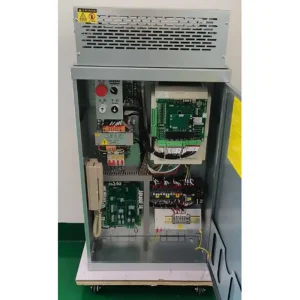
Every elevator system we manufacture is built to meet the latest European EN-81 standard directives. Our components—including safety gears, governors, door locks, and control panels—are certified by recognized testing bodies. In addition, our systems are pre-assembled and tested at our factory to ensure smooth operation before shipping.
Yes. Our residential lifts come standard with an Automatic Rescue Device (ARD) and a dedicated backup battery pack. If main power is lost, the control system switches to battery power, safely moves the elevator cabin to the next landing, and opens the door to allow passengers to exit.
We offer a wide range of customization options, including premium brushed or mirrored stainless steel, custom titanium gold plating (PVD), and structural panoramic glass cabins. You can also customize control panels, lighting schemes, and door system configurations to match the interior design of the home.
With nearly 20 years of export experience, we manage all international shipping logistics, customs documentation, and packaging requirements. Our lifts are packed in seaworthy, reinforced wooden crates to prevent damage, and we work closely with local installation firms to ensure a smooth transition from arrival to setup.
Select and review our main product categories, spare parts, and lift systems available for wholesale procurement.
 Bluetech