Explore our foundational range of elevator systems, customized engineering components, and specialized accessibility platforms engineered for global compliance.
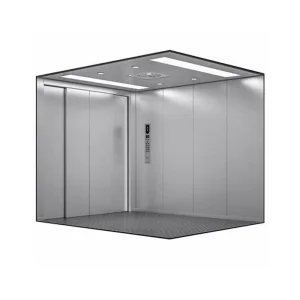
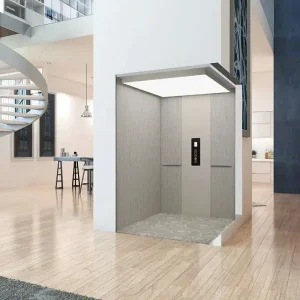
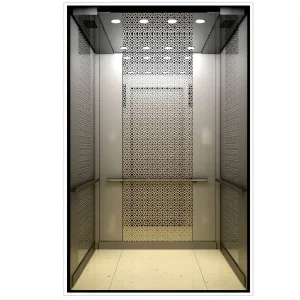
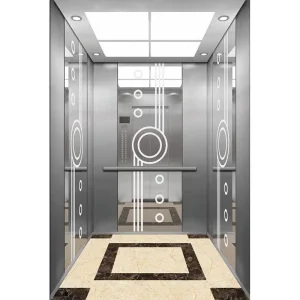
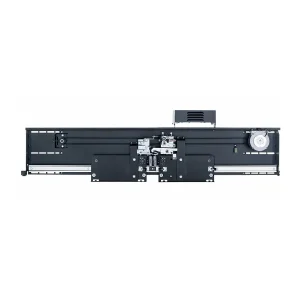
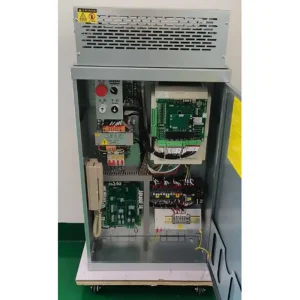
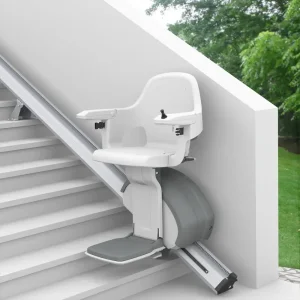
In contemporary architectural design and urban rehabilitation projects, optimization of physical space is paramount. The traditional traction elevator, while robust, places significant spatial demands on building design, necessitating dedicated concrete shafts, deep structural pits, and elevated overhead machine rooms. Shaftless elevators (also termed hoistway-free lifts) represent a paradigm shift. By eliminating the structural dependency on a fully enclosed vertical shaft, these systems interface directly with the building's existing structure, minimizing footprint requirements and significantly accelerating installation timelines.
“The modern shaftless elevator represents more than a spatial convenience; it is a complex intersection of structural engineering, mechanical physics, and intelligent micro-control technologies designed to reduce civil overheads by up to 65%.”
Unlike traditional configurations where structural loads are carried by a hoistway frame, shaftless elevators rely on self-supporting rail towers, structural cantilever assemblies, or pneumatic sealed columns. The architectural configurations primarily fall into three categories:
By implementing intelligent VVVF controllers and energy regeneration devices, modern systems from manufacturers like Ningbo Bluetech capture kinetic energy during downward travel, converting it back into electrical currents to feed the building’s power grid. This aligns with green building certificates globally, such as LEED or BREEAM.
For global procurement departments and engineering offices, the priority is not simply buying components; it is guaranteeing long-term compliance under local jurisdictions. Elevators must conform to rigorous safety rules before structural commissioning.
All vertical transit systems developed by specialized manufacturers are built to comply with international regulatory frameworks, specifically EN-81 (European Standard for safety rules for the construction and installation of lifts) and ASME A17.1 (Safety Code for Elevators and Escalators in North America). These standards govern safety parameters including:
Local compliance requires working in close partnership with regional engineering offices for field installation tests. By collaborating with multinational elevator brands like Mitsubishi Middle East and ThyssenKrupp Africa on modernization projects, Ningbo Bluetech ensures its hardware meets local inspection mandates in over 30 countries across Europe, Asia, and Africa.
Leveraging Chinese manufacturing ecosystems is a key strategy for global sourcing. Ningbo Bluetech’s position in the industrial landscape provides distinct competitive advantages for wholesale clients:
Situated in Ningbo, the facility benefits from immediate proximity to Ningbo-Zhoushan Port, the world’s busiest port by cargo tonnage, ensuring streamlined containerized shipping and reduced transit durations.
Raw high-grade structural steel, precision electronics, hydraulic assemblies, and CNC machine shops are co-located in the regional industrial cluster, reducing raw material lead times.
Strategic vendor partnerships and consolidated purchasing frameworks allow Bluetech to offer competitive factory pricing while completing custom structural manufacturing runs in under 3 weeks.
This deep integration minimizes typical bottlenecks in elevator procurement: customized engineering, structural drafting, and material supply. The combination of local components, domestic steel sourcing, and streamlined cargo clearance ensures that custom configurations are delivered on budget and on schedule.
Enterprise procurement departments (representing real estate groups, commercial developers, and regional distributors) operate under rigid selection criteria. To assist procurement managers in evaluating their vertical transit acquisitions, we have mapped key priorities below:
| Procurement Objective | Technical Requirement | Manufacturer Deliverable |
|---|---|---|
| Space Preservation | Eliminate concrete hoistways and machine rooms; minimize overhead clearance. | Compact structural column designs requiring no pit or overhead machine room. |
| Energy Efficiency | Low power draw during operations; integration with local solar grids. | VVVF variable drives, sleep-mode circuits, and optional power regeneration blocks. |
| Lead Time Reliability | Guaranteed fabrication schedules to prevent construction phase delays. | 3-week standard factory output window, with 2-week rush delivery option. |
| Compliance & Safety | Local certifications (CE, ASME, EN-81, TUV) prior to commissioning. | Engineered components fully designed under EN-81 standards with comprehensive certification manuals. |
The structural characteristics of shaftless elevators make them ideal for specialized architectural scenarios:
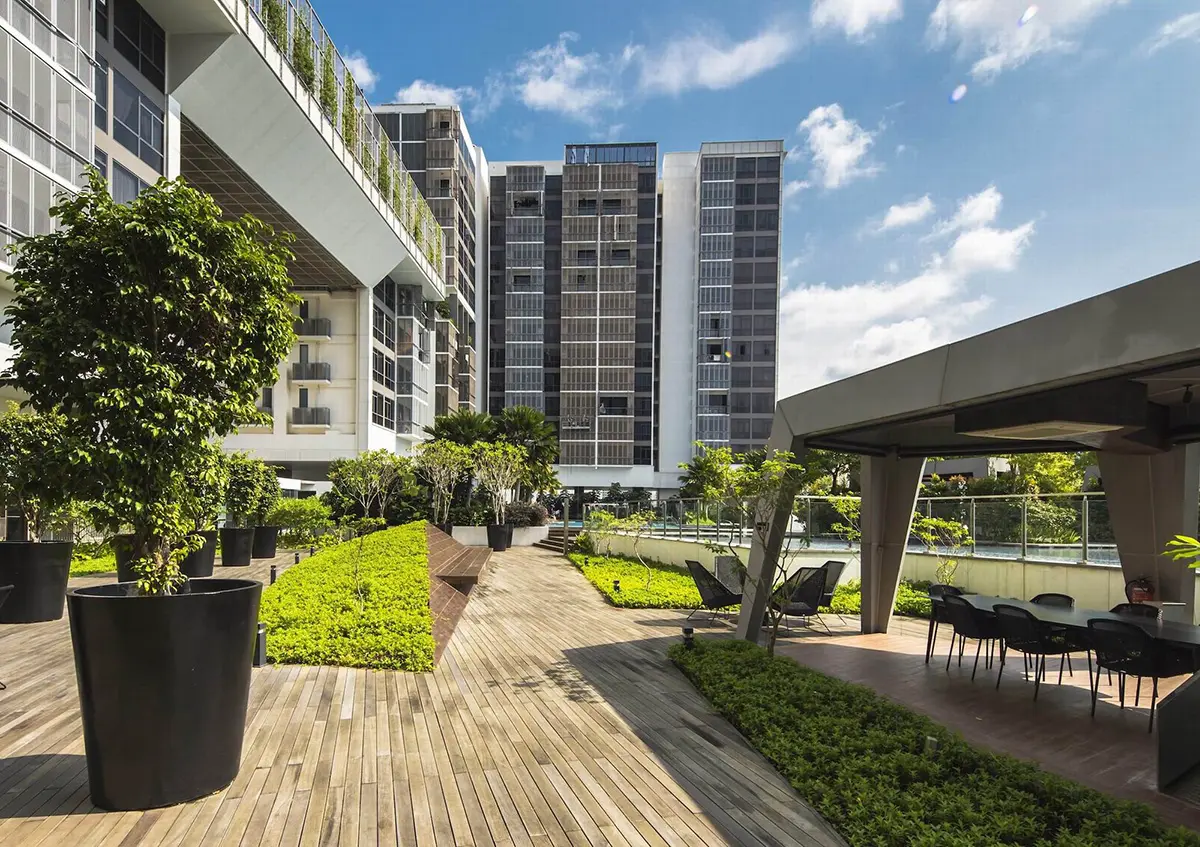
Our track record of excellence and our long list of satisfied clients speak to our commitment to quality, innovation, and customer satisfaction.
Established in 2006 by a specialized group of vertical mobility engineers, NINGBO BLUETECH has dedicated nearly two decades to the design, research, manufacture, and deployment of high-safety elevators and escalators. Our global solutions encompass home elevators, commercial passenger elevators, panoramic sightseeing lifts, high-capacity freight elevators, and specialized dumbwaiters.
By blending humanized industrial design with high safety standards, BLUETECH products balance performance and price. We serve the domestic market and export directly to over 30 countries, including Singapore, Thailand, Saudi Arabia, Germany, UAE, Egypt, Ethiopia, and Nigeria.
We work in partnership with many international elevator companies, such as Mitsubishi Middle East and ThyssenKrupp Africa. We collaborate on new installations, system modernizations, and maintenance networks. When you choose NINGBO BLUETECH for your elevator and escalator needs, you can work with a team of industry experts who are dedicated to delivering top-tier products and services.
With nearly two decades of industry experience, a focus on quality, safety, and customer satisfaction, and a dedication to innovation and sustainability, you can trust us to provide the perfect vertical transportation solution for your specific needs.
Our engineering teams collaborate with clients across our global network, delivering outstanding design ideas and reliable technical solutions for complex architectural landscapes.
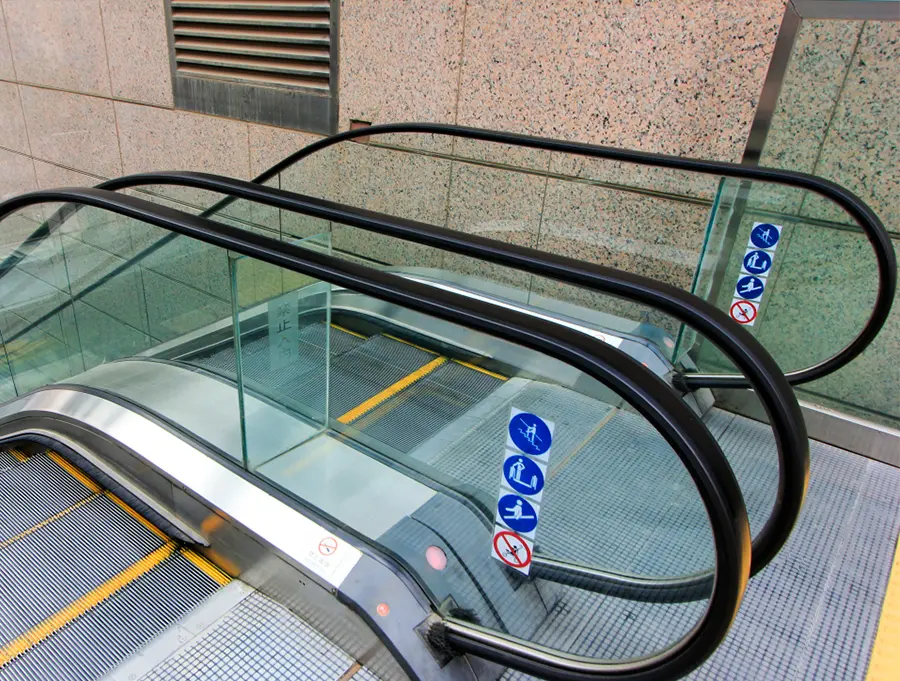
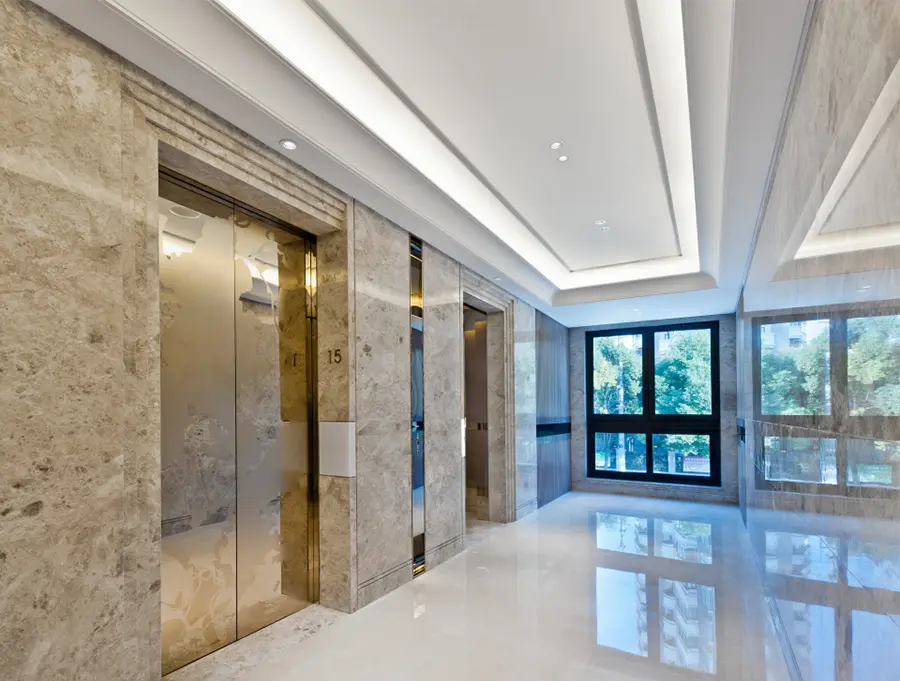
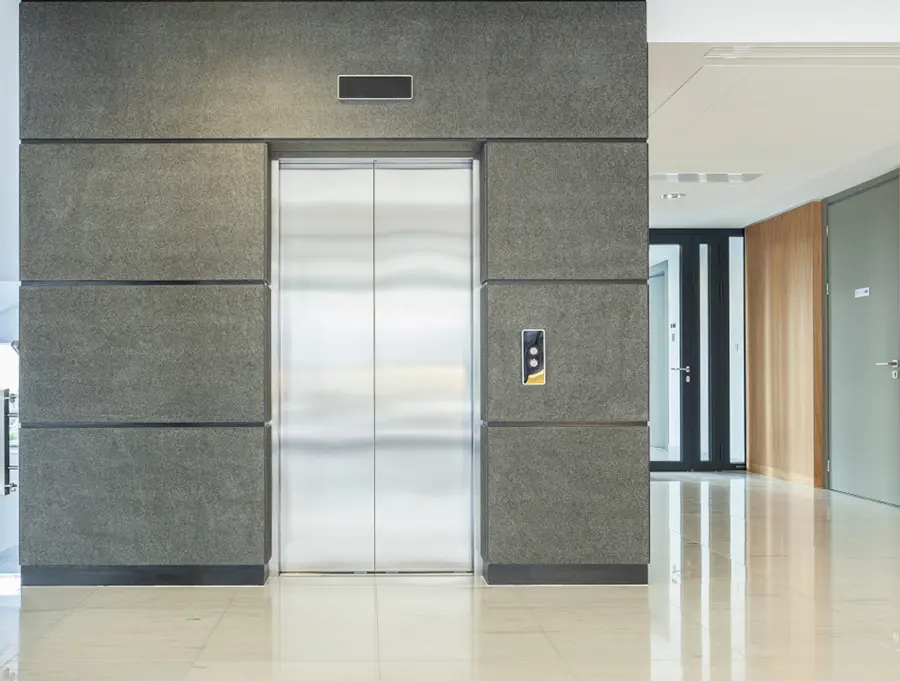
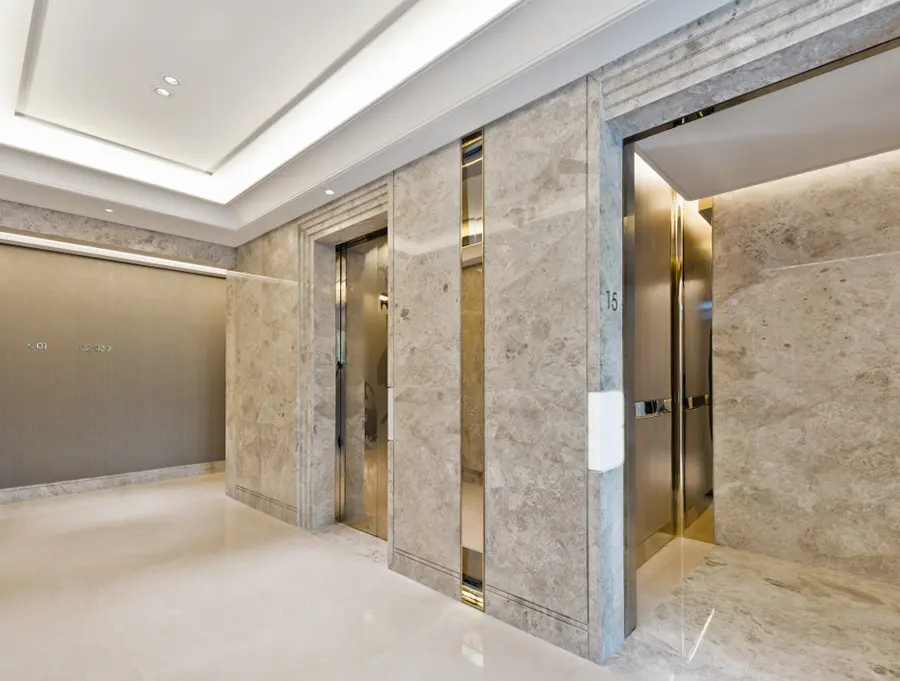
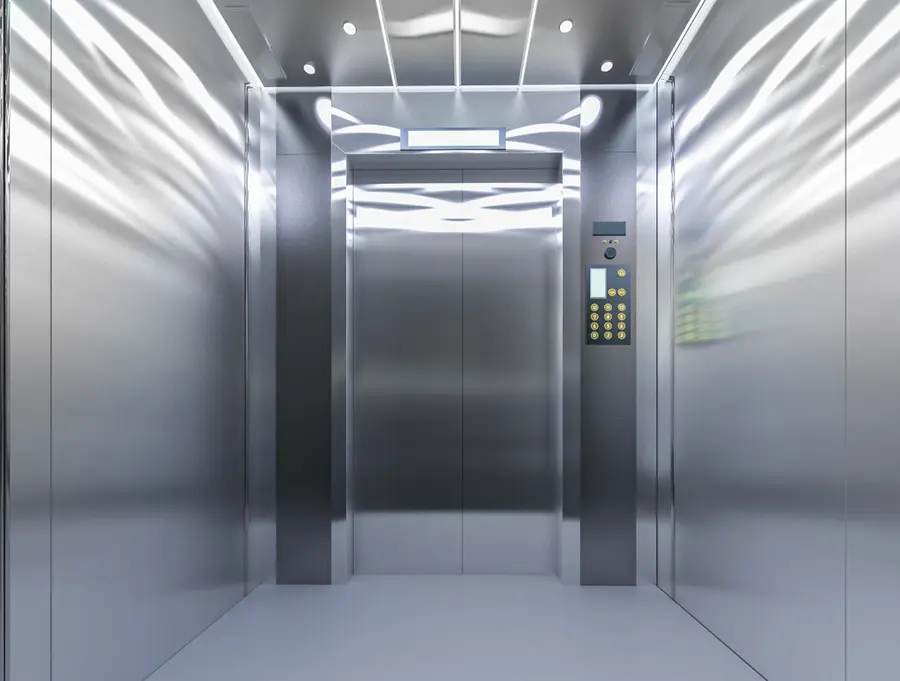
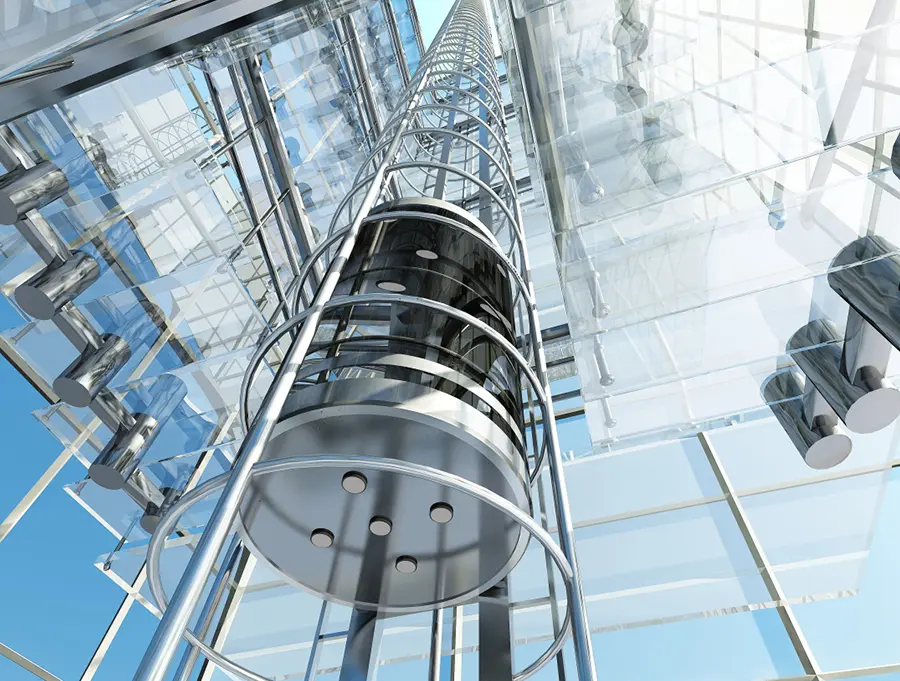
Understand the engineering parameters, logistical timelines, and structural considerations of shaftless elevator systems.
A shaftless elevator is an architectural lift designed to operate without a fully enclosed, load-bearing concrete or steel shaft. It relies on a self-supporting guide rail assembly or vertical column towers that anchor directly to the building floors. The elevator car travels vertically through simple ceiling apertures, utilizing pressure sensors, safety undersides, and mechanical interlocks to prevent operation if structural path interference is detected.
Our designs are engineered and produced under the latest European EN-81 safety standard. Each lift undergoes structural loading analysis, traction calculations, and electrical diagnostic tests. Furthermore, we maintain direct engineering partnerships with companies like Mitsubishi Middle East and ThyssenKrupp Africa to verify local field requirements and compliance protocols.
Standard engineering designs and orders can be manufactured and ready for logistics inside 3 weeks. In special urgent cases, such as fast-track commercial or residential retrofits, we can reduce fabrication lead time to 2 weeks, supported by our local supply chain in Ningbo.
Our shaftless elevators employ intelligent Variable Frequency (VF) control systems that optimize power usage based on cabin load. We also provide optional energy-saving and regeneration units. These components capture energy during braking and feed it back into the local building grid, lowering total energy consumption.
Explore our complete manufacturing lines, covering high-capacity cargo lifts, residential villa elevators, and essential mechanical control components.
 Bluetech