Explore our premium factory-direct solutions designed for strict commercial specifications and compliance standards.
In the rapidly changing landscape of urban commercial construction, architects, structural engineers, and property developers face a common challenge: optimizing space utilization while complying with tight zoning, structural, and environmental restrictions. The emergence of the Pitless Commercial Elevator represents a significant evolutionary step in vertical transportation systems (VTS). By eliminating the traditional requirement for deep concrete pits beneath the elevator shaft, these systems dramatically reduce excavation costs, simplify foundation engineering, and allow vertical mobility in spaces previously considered unfeasible.
A pitless commercial elevator operates without the standard 1.2-meter to 2.0-meter deep structural depression in the lowest level's floor. Instead, it relies on creative technological adaptations—such as low-profile bottom-runby buffers, mechanical safety locks, and compact machine-roomless (MRL) gearless traction systems—to establish equivalent safety clearance zones dynamically. This guide breaks down the technical roadmap, global procurement demands, architectural integration, and regional regulatory compliance frameworks for pitless systems engineered by leading factories.
By avoiding sub-ground level excavation, projects bypass complex water table sealing, sewer main re-routing, and structural foundation underpinning.
Allows older buildings, multi-level retail units, and historical sites to integrate premium commercial lift systems without risking the building's structural integrity.
Standard concrete curing for traditional elevator pits is eliminated, saving up to 15-20 days of critical path scheduling in the construction timeline.
Procurement agencies and commercial real estate developers in Europe, the Asia-Pacific region, North America, and the Middle East are shifting from local sourcing to global factory-direct models. The procurement of pitless and low-pit elevator products is driven by specific regional macro-economic factors:
Driven by strict preservation laws in historic cities (e.g., London, Munich, Paris) where excavation is restricted due to archaeological layers and structural vulnerability. Demands compliance with EN 81-21 (safety rules for existing buildings).
Driven by prestigious mixed-use low-rise commercial plazas, private healthcare facilities, and coastal developments where sandy soils and exceptionally high water tables make underground excavation expensive and prone to chronic leaks.
Rapid urbanization, high-density residential and commercial towers, and retrofitting older transit hubs require modular, compact designs. Focus is placed on high speed, dynamic traffic throughput, and seismic resistance.
Compliance with ADA (Americans with Disabilities Act) regulations and ASME A17.1 / CSA B44 codes. Demands high structural integrity, fire-rated door systems, and integration with building management systems (BMS).
When traditional elevator designs limit architectural layout, pitless technology offers solutions across four main application areas:
Building offices or retail space directly above transit lines means foundation space is limited. Digging deep pits could impact underground tunnels. Pitless lifts allow elevators to land directly on the transfer slab, avoiding structural interference with lower-level tunnels.
In coastal areas, keeping deep elevator pits dry requires continuous pumping and complex waterproofing. If the seal fails, water can rust safety gear, damage electrical loops, and create structural issues. Pitless systems keep all components above grade, eliminating these risks.
Adding a new lift to an existing building with post-tensioned concrete slabs is challenging because cutting tendons can compromise structural integrity. Pitless systems can be mounted directly on top of the finished slab, requiring only minor anchors and avoiding structural modifications.
Achieving a safe, code-compliant elevator system without a traditional pit requires advanced engineering. Below is the technical setup our factories use to replace the traditional deep pit:
For pit depths under 300mm, we use telescoping, safety-monitored buffers or a mechanical safety block. When technicians access the pit, these blocks deploy to create a safe, code-compliant refuge space.
Permanent Magnet Synchronous Motors (PMSM) offer high torque in a compact size, allowing them to mount within the standard headroom of the shaft. This eliminates the need for separate machine rooms.
Integrated UCMP (Unintended Car Movement Protection) systems detect drift at the landing zone. In fractions of a second, dual auxiliary brake calipers activate to stop the cabin safely.
Modern commercial projects demand sustainable building designs. By utilizing Energy Regeneration Devices, our systems capture mechanical energy during descent and braking, converting it back into clean electricity. This power is returned to the building's electrical grid, reducing the elevator system's overall energy use by up to 35%. Additionally, this reduces thermal load in the shaft, lowering HVAC cooling requirements.
Established by a group of industry specialists in 2006, NINGBO BLUETECH is dedicated to the research, development, manufacture, and distribution of high-performance elevator and escalator systems. With nearly 20 years of professional industry experience, our brand stands for quality, safety, and customer satisfaction.
All our products are designed and produced under the latest EN-81 standard. With humanized designs that prioritize user safety and comfort, BLUETECH brand products are highly marketable and cost-competitive. We serve both local markets and global regions, exporting to more than 30 countries, including Singapore, Thailand, Saudi Arabia, the UAE, Germany, Egypt, Ethiopia, and Nigeria.
Our strategic partners include leading international elevator companies, such as Mitsubishi Middle East and ThyssenKrupp Africa. We collaborate on new lift installations, modernization packages, and maintenance projects. These alliances ensure our clients receive components and engineering support built to international standards.
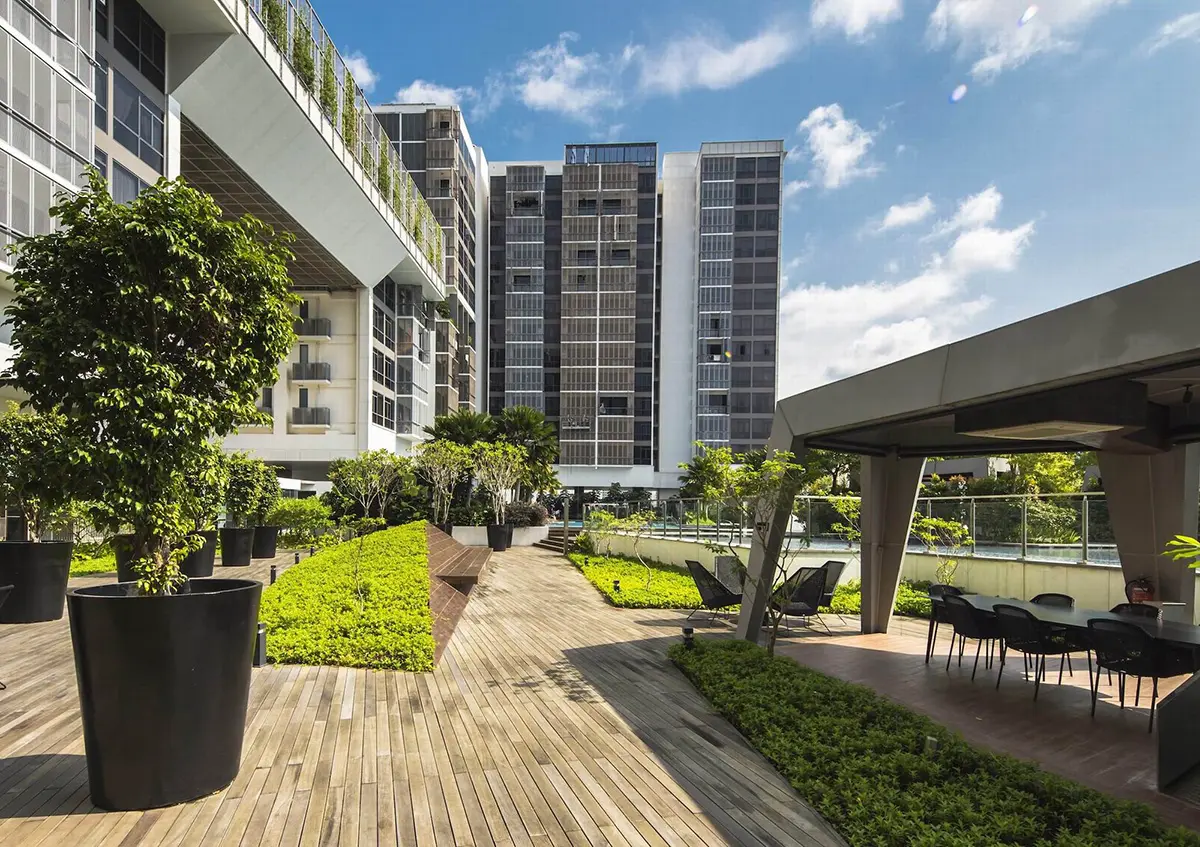
We integrate modern technologies—such as intelligent VF control systems, emergency rescue setups, and energy-saving regeneration units—to ensure safety, reliability, and long-term performance.
Our engineering team has years of professional custom design experience, allowing us to develop tailored solutions for complex spaces, low headroom, or limited pit clearance.
BLUETECH respects our clients' timelines. We guarantee a detailed technical reply or customized quote within 12 hours, for both pre-sales design and after-sales support.
Through long-term supplier relationships and efficient purchasing controls, we supply high-quality commercial components at competitive wholesale rates.
Standard components can be completed within 3 weeks, and urgent requirements can be expedited to 2 weeks for fast-track projects.
Our engineering teams collaborate with clients across our global offices. We combine project guidelines, technical possibilities, and regional regulatory compliance.
Compliance is a critical safety factor for pitless commercial elevators. Because these lifts deviate from traditional elevator configurations, they require specialized approvals during building commissioning. NINGBO BLUETECH structures its designs around strict international testing frameworks:
This European standard governs new passenger and goods passenger elevators in existing buildings. It outlines the design parameters for safety spaces when standard pit depths cannot be achieved.
For American and Canadian installations, we ensure compliance with ASME A17.1 (Section 5.2 for limited-use/limited-application elevators) and ADA accessibility requirements.
Our products undergo full-load cycle testing, brake thermal dissipation tests, and mechanical fatigue analysis to guarantee safety and compliance before export.
Below are answers to common technical and operational questions regarding pitless commercial elevator systems:
Select from our certified range of home, residential, commercial, and industrial vertical transport systems:
 Bluetech