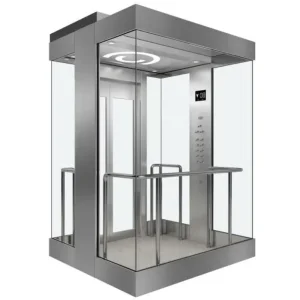
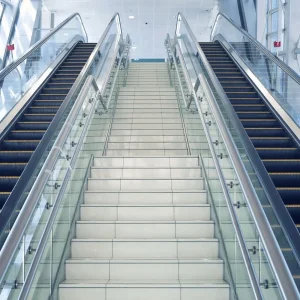
NINGBO BLUETECH, established by a group of specialists in 2006, is dedicated to the development, manufacturing, and supply of high-end elevators and escalators. With nearly 20 years of professional industry experience, we are widely recognized for delivering excellent build quality, outstanding safety track records, and dedicated consulting service. Our integrated mobility solutions cover home elevators, passenger elevators, sightseeing elevators, freight elevators, and dumbwaiters.
All BLUETECH products are meticulously engineered and produced in strict accordance with the latest international EN-81 safety standards. Rooted in humanized design philosophies and considering high structural safety and component durability, BLUETECH brand products have gained strong market traction. Not only do we serve a comprehensive domestic scale, but we have also successfully exported to over 30 countries and regions globally, including Singapore, Thailand, Saudi Arabia, the UAE, Germany, Egypt, Ethiopia, and Nigeria.
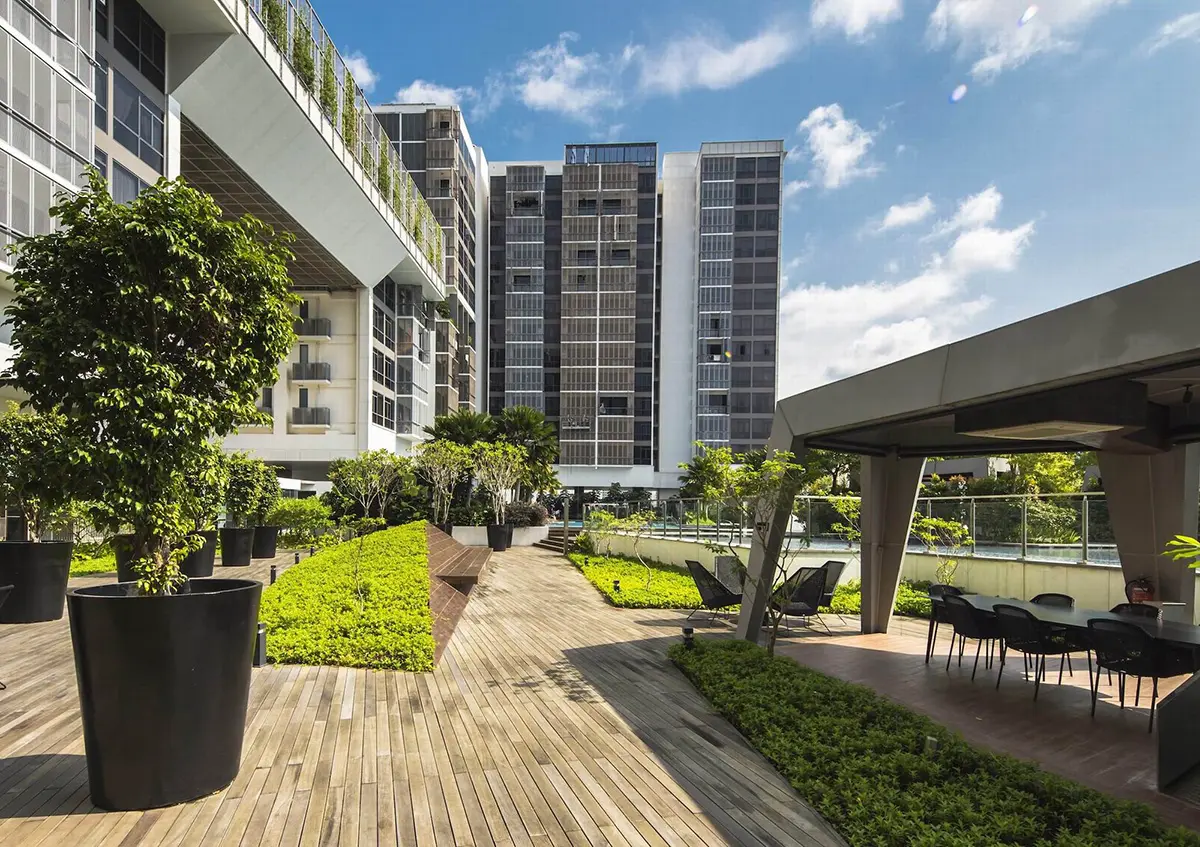
The global passenger lift market is undergoing a rapid evolution driven by urbanization, high-density residential developments, and the urgent demand for energy-efficient building systems. Modern engineering is shifting away from traditional geared machines toward permanent magnet synchronous gearless traction machines, which offer remarkable energy efficiency, lower maintenance profiles, and a significantly smaller footprint.
In modern architectural plans, space optimization has catalyzed the transition to Machine-Room-Less (MRL) layouts. By removing the traditional rooftop machine room, developers gain design flexibility and save valuable square footage. Furthermore, the integration of Internet of Things (IoT) sensors within passenger lift systems has transitioned operations from reactive repairs to predictive maintenance models, analyzing component wear patterns in real-time to minimize lift downtime in high-traffic buildings.
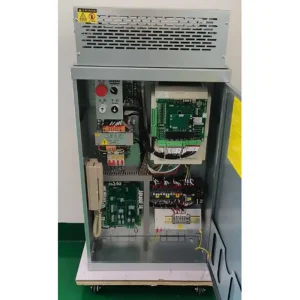
Variable Voltage Variable Frequency (VVVF) drive systems dynamically regulate speed and torque profiles during lift travel, resulting in incredibly smooth acceleration, deceleration, and leveling accuracy while saving up to 40% in energy costs.
Equipped with electronic safety gear, automatic rescue devices (ARD), and Unintended Car Movement Protection (UCMP) structures to comply with rigorous international safety regulations.
Innovative mechanical layout eliminates the rooftop machine room, integrating components cleanly into the elevator hoistway, maximizing net leasable floor space for building owners.
B2B elevator procurement involves navigating complex technical parameters to match the structural requirements of real estate projects, commercial towers, or public transit hubs. Professional sourcing managers must analyze variables including passenger capacity, travel height, velocity, and door configuration, while aligning these specifications with local building codes.
Key architectural variables include:
NINGBO BLUETECH configures tailored mobility structures designed to match diverse application scenarios, securing optimal vertical traffic flow across different sectors:
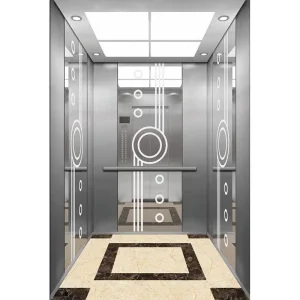
For high-rise office buildings, retail centers, and hotels, we deliver high-velocity, high-capacity passenger lifts coupled with integrated destination dispatch control. These systems analyze real-time passenger loads to group travelers going to similar floors, significantly reducing wait times and structural congestion.
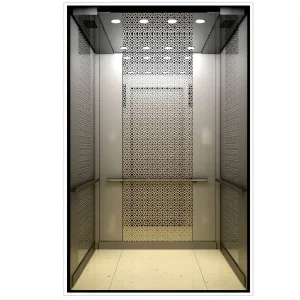
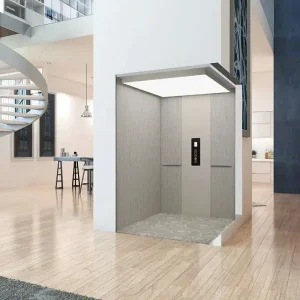
Home lifts require quiet operations, low energy profiles, and space-saving layouts. Our private villa and residence elevator systems employ single-phase power compatibility, soft-start configurations, and luxury design finishes that blend seamlessly into modern architectural interiors.
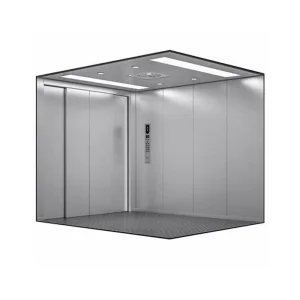
For industrial structures and warehouse distribution complexes, our high-load freight elevator models are engineered to withstand rigorous loading conditions (ranging from 1350kg to 5000kg). They feature reinforced car frames, heavy-duty door protection, and impact-resistant cab materials.
As a global supplier, NINGBO BLUETECH ensures all equipment complies with international elevator codes, primarily the European Standard EN 81-20 / EN 81-50, which defines the safety requirements for passenger and goods lifts. Our engineering team modifies equipment layouts to comply with localized codes, such as SASO standards in Saudi Arabia, local building regulations in Singapore, and CE certification for European markets.
To support overseas partners, we offer a dedicated B2B service structure that guarantees technical replies or engineered solutions within 12 hours. From initial shaft drawing evaluation to final installation and testing advice, our technical team works alongside local installers to ensure smooth approvals and reliable operations.
Our commitment to quality, engineering innovation, and customer satisfaction has enabled us to work with leading international elevator brands and participate in major construction projects worldwide.
We work alongside global elevator manufacturers on both new installations and modernization projects. Our regular collaboration partners include major names such as Mitsubishi Middle East and ThyssenKrupp Africa. These partnerships allow us to continuously refine our technology and deliver systems that meet demanding technical standards.
Whether modernizing older lifts to enhance efficiency or supplying systems for new builds, BLUETECH remains a reliable and trusted partner for global engineering projects.
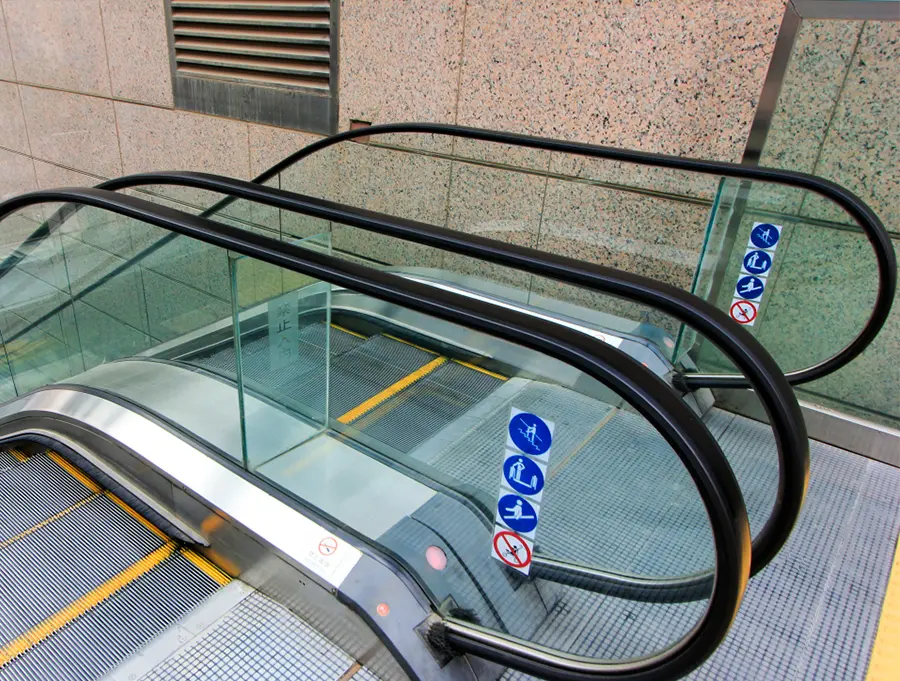
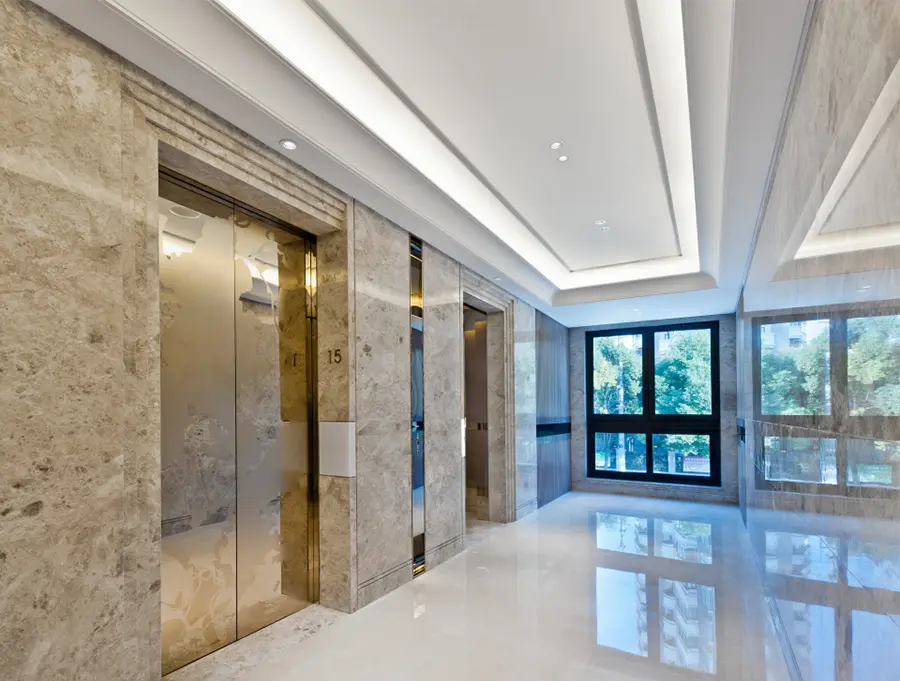
The next generation of passenger lift technology will focus on deeper integration with smart building ecosystems. High-efficiency regeneration units will continue to evolve, converting the energy generated during braking back into electricity and feeding it directly back into the building's microgrid. This regenerative technology significantly reduces the overall carbon footprint of high-density buildings.
On the user experience front, touchless controls, destination dispatch mobile apps, and predictive car ventilation systems are becoming industry standard features. BLUETECH's R&D roadmap focuses on incorporating advanced artificial intelligence algorithms within the elevator control system. By predicting floor traffic based on historical patterns, the systems minimize elevator travel cycles, leading to reduced energy consumption and faster waiting times.
 Bluetech