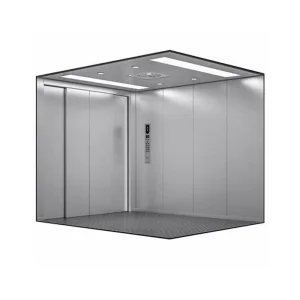
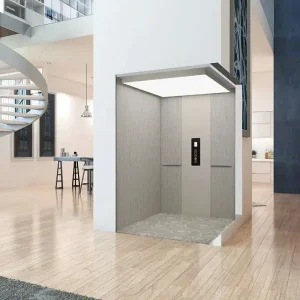
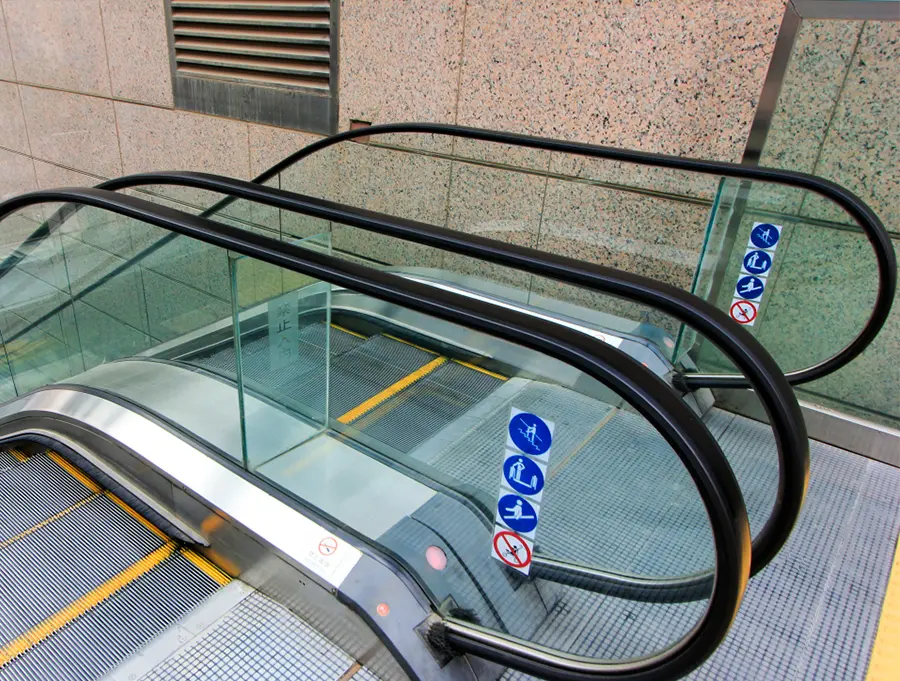
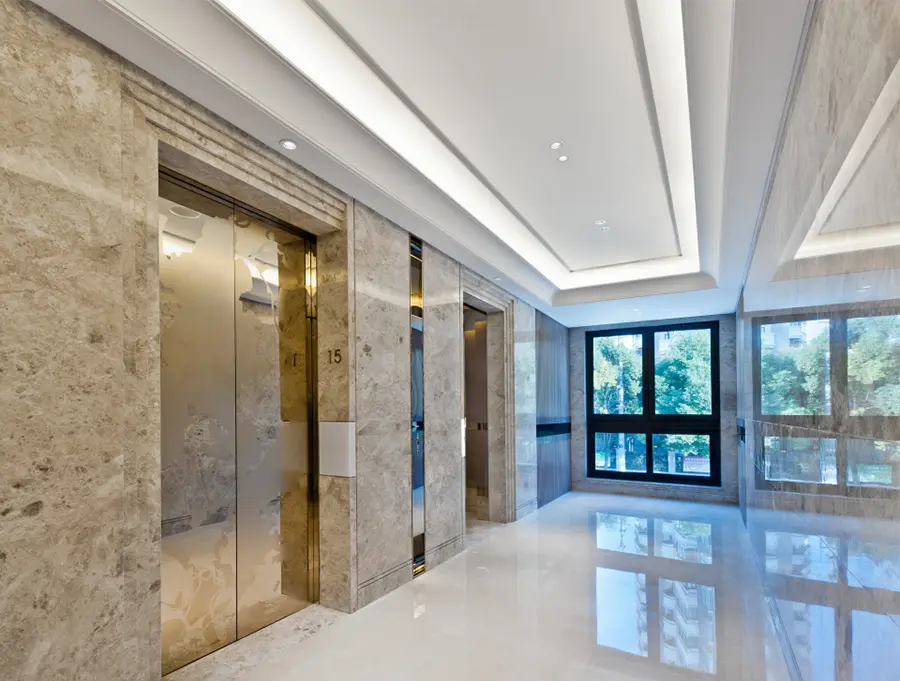
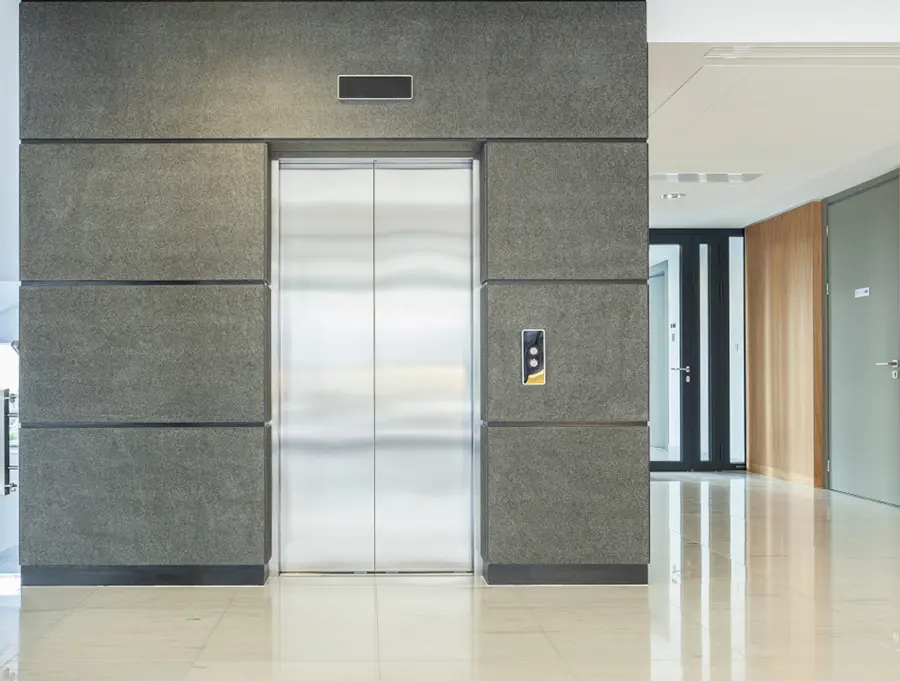
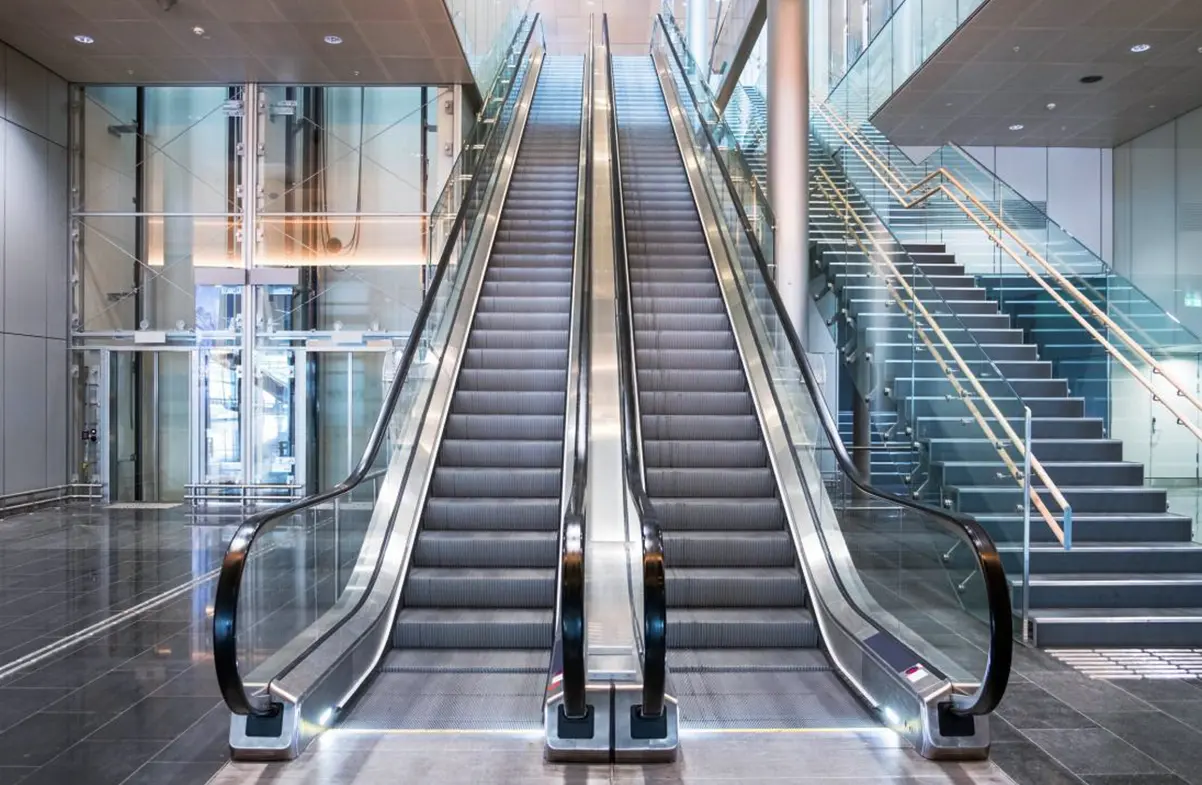
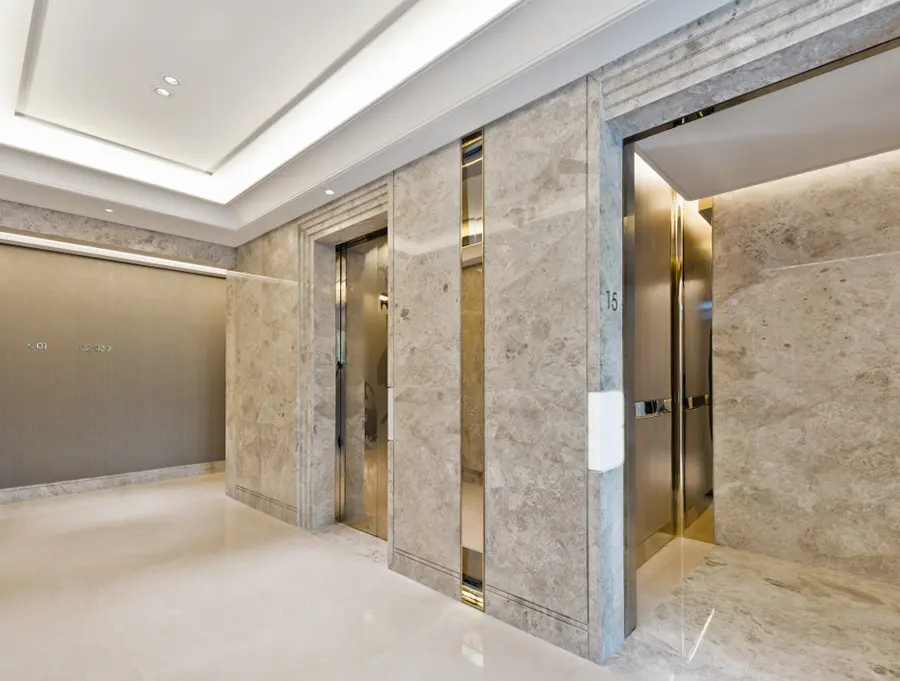
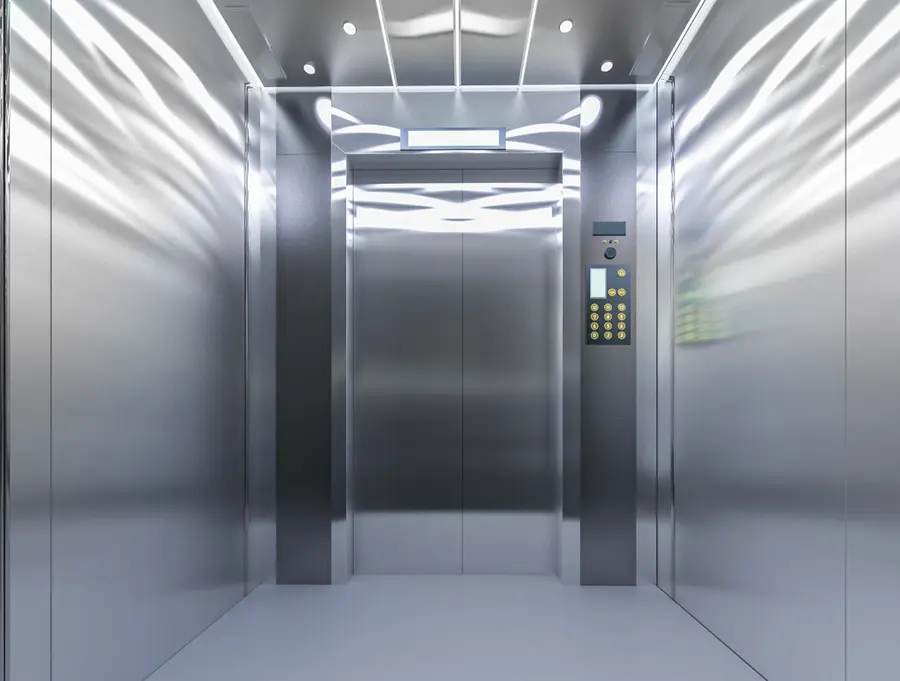
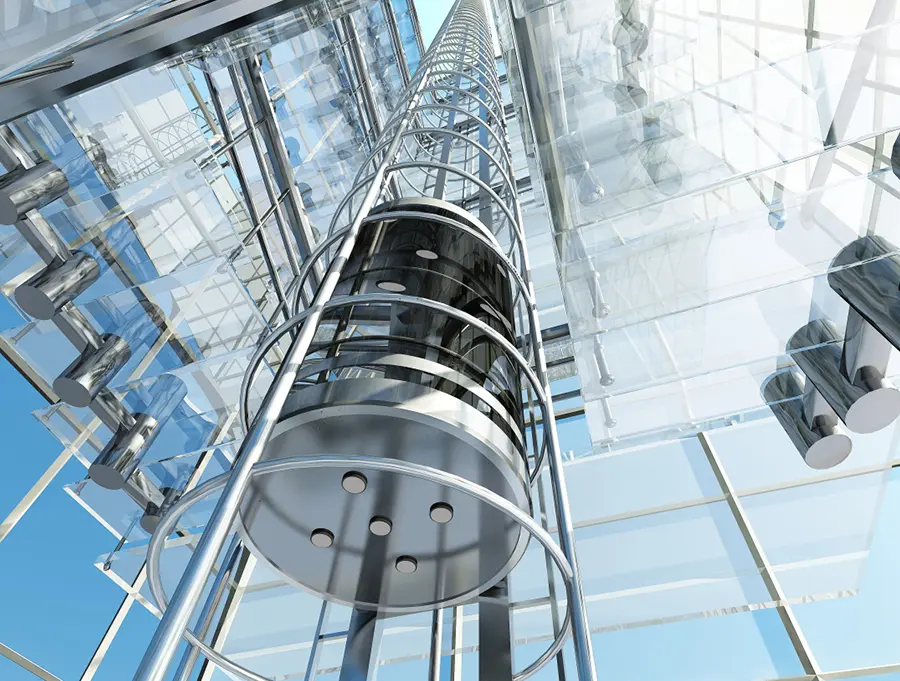
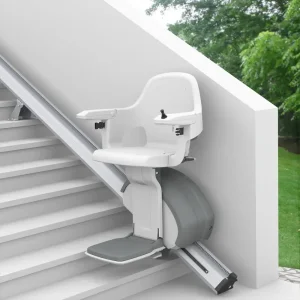
Explore our industrial grade residential traction elevators, custom cabins, advanced door operators, and modern controllers engineered for heavy-duty cycle operations.
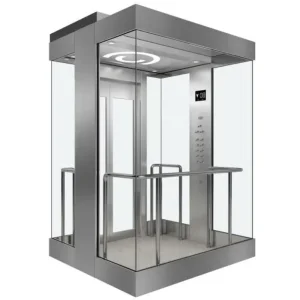
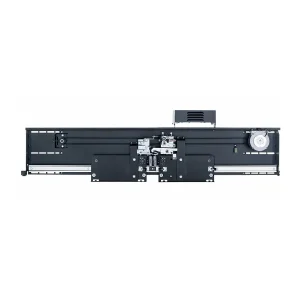
An in-depth analysis of architectural adaptation, meteorological challenges, and engineering requirements for developers, general contractors, and distributors.
In modern multi-level residential development, spatial efficiency and barrier-free accessibility have driven a major shift in architecture. Incorporating vertical mobility systems externally—commonly known as outdoor home lifts—is now a standard solution for both retrofitting historical structures and planning space-efficient new buildings. This configuration bypasses internal space limits, preserves architectural aesthetics, and provides panoramic views.
However, outdoor vertical transportation presents distinct challenges. Unlike indoor systems housed in climate-controlled shafts, outdoor home lifts face severe weather, including temperature shifts, UV radiation, wind loads, and rain. As a result, global procurement requires a deep understanding of materials science, structural design, international safety standards (e.g., EN 81-41 and ASME A18.1), and system life cycle optimization.
This whitepaper outlines the structural parameters, safety features, and manufacturing compliance guidelines that B2B buyers must evaluate when selecting a supplier or factory for outdoor residential lifts.
Established in 2006 by a group of industry specialists, NINGBO BLUETECH has dedicated nearly two decades to the design, research, development, and manufacture of high-performance elevators, escalators, and key mechanical and electrical subsystems.
Our comprehensive solutions span home elevators, passenger elevators, panoramic lifts, freight lifts, and dumbwaiters. Engineered to satisfy the rigorous requirements of international standards, every BLUETECH product is built to perform in challenging environments. By prioritizing user safety, humanized control logic, and cost effectiveness, we have successfully exported our products to over 30 countries across Europe, the Middle East, Southeast Asia, and Africa.
Understanding the key considerations for regional developers, procurement consortia, and vertical mobility distributors.
Aging populations in Europe, North America, and parts of Asia have led to stricter regulatory mandates for residential barrier-free access. Distributors require home lifts that can integrate with existing residential structures without expensive, time-consuming interior foundation modifications.
Real estate developers prioritize maximizing usable square footage. Outdoor Machine Room-Less (MRL) designs locate the drive and control assemblies directly within the hoistway or a compact integrated cabinet, minimizing the footprint and lowering civil engineering costs.
Commercial buyers prioritize durability. Outdoor lifts must feature high corrosion resistance, self-draining thresholds, thermal insulation, and dustproof seals to extend system life and lower long-term maintenance costs.
How modern engineering addresses the environmental challenges of outdoor vertical transit.
Moisture is a constant challenge for outdoor shafts. Standard carbon steel components degrade quickly in coastal or high-humidity environments. We use hot-dip galvanized steel frames combined with C4 to C5 marine-grade powder coatings.
Cabins are built using 304 or 316-grade stainless steel, which protects structural elements, guide rail brackets, and door headers from rust and premature wear.
Outdoor systems require high-level ingress protection for all electrical elements. Limit switches, door interlocks, control cabinets, and wiring junctions are rated to at least IP54 (dust and water splash-proof), with critical controls rated up to IP67.
Specially insulated, UV-stabilized traveling cables prevent jacket cracking and electrical failure caused by sunlight exposure and temperature shifts.
Sunlight exposure can create a greenhouse effect in glass shafts, overheating electronics and passenger cabins. Our panoramic glass shafts feature double-glazed, laminated low-E glass that blocks infrared radiation.
An automated temperature monitoring system activates ventilation fans or heating elements to maintain the lift machinery and cabin within optimal operating limits.
External elevator shafts act as tall vertical columns exposed to wind. We calculate structural wind loads based on local building codes (EN 1991-1-4 or ASCE 7).
We reinforce tie-backs, structural columns, and anchoring brackets to handle local wind forces, ensuring stability and safety during extreme weather events.
Leveraging high-performance, energy-efficient solutions to deliver reliable outdoor mobility systems.
We have years of professional design experience, enabling us to provide customized solutions for unique architectural layouts, historical retrofits, and compact spaces.
BLUETECH values our customers' time. We provide replies, technical drawings, or project quotes within 12 hours for both pre-sales inquiries and after-sales support.
Through long-term partnerships with raw material suppliers and optimized manufacturing workflows, we deliver reliable, cost-effective products.
Standard orders are produced and ready to ship within 3 weeks. Urgent projects can be fast-tracked for completion in 2 weeks to meet tight construction timelines.
We integrate advanced technology into our systems, including intelligent VF (Variable Frequency) control technology, emergency rescue systems (ARD), and energy-regenerative braking devices to ensure reliable operation, smooth ride quality, and low energy consumption.
Our commitment to continuous innovation ensures that our vertical transportation solutions remain at the forefront of the industry.
Modern outdoor lifts are evolving into intelligent connected devices. By incorporating internet-connected sensor arrays, our elevators continuously stream operational data—such as motor temperature, door cycles, vibration frequencies, and leveling accuracy—to centralized monitoring dashboards.
This enables real-time remote diagnostics and predictive maintenance alerts. Over 80% of minor system faults can be diagnosed remotely, allowing service technicians to address potential issues before they cause service interruptions.
Sustainability is a key focus in modern construction. Our high-efficiency regenerative drive systems convert the gravitational energy of descending heavy elevator cars or ascending light cars back into clean electrical energy.
This power is filtered and fed back into the home's main electrical grid, reducing energy consumption by up to 35% compared to traditional geared or hydraulic drive systems. This technology helps buildings meet LEED, BREEAM, or equivalent regional green certifications.
Collaborating with leading global manufacturers and developers to deliver custom installations worldwide.
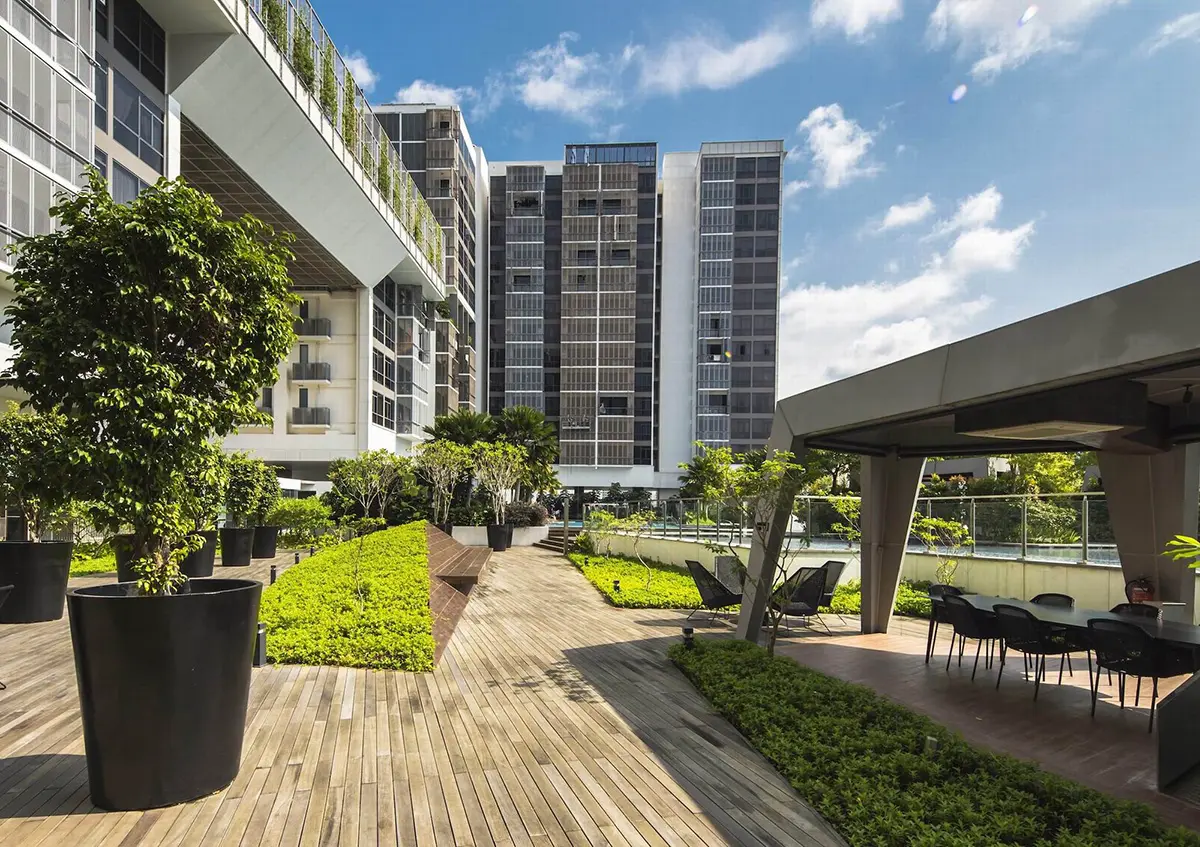
At NINGBO BLUETECH, we partner with international elevator companies, including Mitsubishi Middle East and ThyssenKrupp Africa. We work together on new lift installations, modernization programs, and maintenance projects globally.
When you partner with us for your elevator and escalator needs, you gain access to a dedicated team of engineers focused on quality, safety, and performance. Our track record and satisfied client base demonstrate our commitment to reliable delivery, innovation, and client satisfaction.
Ensuring compliance with international safety and design regulations for a smooth integration process.
All home elevators, passenger lifts, and mechanical components are designed, manufactured, and tested to meet the strict requirements of EN 81-20, EN 81-50, and EN 81-41 standards, ensuring full compatibility within the EU and UK.
For the North American market, our platform lifts and home elevators are built to comply with ASME A18.1 (Safety Standard for Platform Lifts and Stairway Chairlifts) and ASME A17.1 codes, simplifying the local inspection and approval process.
We coordinate with local engineering firms and certified installers in over 30 countries to provide technical support, assist with installation site prep, and supply replacement parts quickly.
Our engineering team answers common questions from architects, general contractors, and procurement departments.
Our standard production time is 3 weeks from structural drawing approval to ex-factory shipment. For urgent projects, we can expedite the manufacturing schedule to 2 weeks by utilizing pre-engineered components and dedicated assembly lines. Shipping times vary by destination port.
We perform structural calculations for every project based on local building codes, such as EN 1991-1-4 or ASCE 7. We reinforce the elevator's steel structure and anchoring brackets to withstand the regional wind pressure, ensuring stability during storm events.
For coastal installations exposed to salt air, we use hot-dip galvanized steel frames finished with a C5-M marine-grade powder coating. Internal cabins, control boxes, and door mechanisms are manufactured from 316-grade stainless steel to prevent rust and corrosion.
Yes, our products are engineered to meet the safety codes of the target market. Lifts destined for the Americas comply with ASME A17.1/A18.1 regulations, while those heading to Europe, Africa, or the Middle East conform to the EN 81-20/50 and EN 81-41 directives.
Standard features include an Automatic Rescue Device (ARD) to return the cab to the nearest floor during power loss, a full-height infrared light curtain to prevent door contact, mechanical overspeed safety gears, and an integrated emergency phone system.
Yes. Through our partnerships with major manufacturers like Mitsubishi Middle East and ThyssenKrupp Africa, we provide compatible components such as door operators, controllers, traction machines, and cabins designed for the upgrade and modernization of existing shafts.
The elevator shaft is equipped with temp sensors connected to the main control unit. If the interior temperature exceeds 40°C, the controller activates fans or air conditioning. In winter, if temperatures drop below 5°C, heating elements activate to keep the oil and control systems running smoothly.
With regular maintenance and proper weather protection, a BLUETECH outdoor home lift has a design life of 20 to 25 years. Major structural elements, guide rails, and gearless traction machines are built to last throughout this lifespan, while typical wear items like rollers and door belts can be easily replaced during routine servicing.
Preserving our original project records, factory layouts, and customization options for wholesale buyers.
Direct factory procurement of reliable elevators, specialized escalators, controllers, and accessibility platform lifts.
 Bluetech