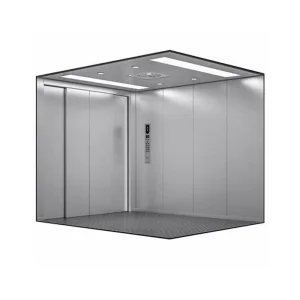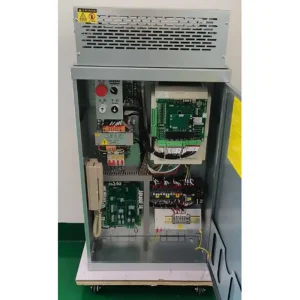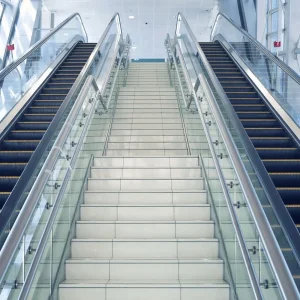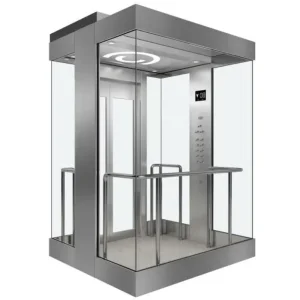
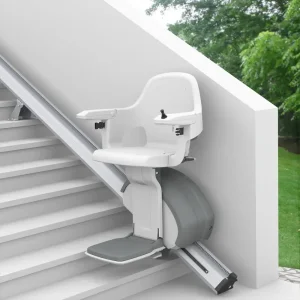
Established by a distinguished group of vertical mobility specialists in 2006, Ningbo Bluetech Import & Export Co., Ltd. has spent nearly two decades defining precision engineering standards in the elevator and escalator manufacturing domain. Our integrated research and development focus delivers next-generation vertical transportation solutions encompassing premium home elevators, high-capacity passenger escalators, heavy-duty cargo lifts, and space-saving narrow escalators. Every engineering output aligns rigorously with the latest international safety protocols, including the stringent European EN-81 and EN-115 specifications.
With a design philosophy centered on humanized interaction, enhanced safety envelopes, and optimized lifecycle costs, BLUETECH solutions have gained global prominence. Our distribution channels serve critical markets in more than 30 countries and administrative regions, including Singapore, Thailand, Saudi Arabia, the United Arab Emirates, Germany, Egypt, Ethiopia, and Nigeria. We are more than an equipment exporter; we act as a structural technology partner, engineering tailormade transit solutions that adapt to modern high-density architectural plans.
In an era defined by aggressive urban densification and the rapid rise of Transit-Oriented Developments (TODs), spatial planning has emerged as the ultimate premium. Structural engineers and retail designers face the complex challenge of moving thousands of people daily through minimal building footprints. The standard escalator, designed with step widths exceeding 1,000 millimeters, requires significant structural concessions, rendering it impractical for historical building renovations, compact retail complexes, and boutique office spaces. This structural limitation has created a surge in global demand for narrow escalators—specifically models utilizing step widths of 600 mm and 800 mm.
Internationally, narrow escalators serve as structural bridges in urban macro-infrastructures. In high-density cities across Western Europe, North America, and East Asia, urban planning departments increasingly retro-fit older masonry structures to comply with modern accessibility standards. Standard escalators would require invasive structural removals of load-bearing slabs. Narrow escalators, conversely, slide efficiently into traditional stairwells. This allows municipal authorities to implement vertical mechanization without compromising the building's historic architectural value.
In retail spaces, the business case for compact mobility is clear. Every square meter of floor space allocated to infrastructure reduces the active merchandising zone (Net Leasable Area). Implementing narrow commercial-grade escalators allows store designers to optimize footfall distribution to upper levels without reducing product display areas. The system acts as a high-capacity conduit that maintains fluid traffic patterns while protecting spatial yields.
Modern narrow escalators are not merely scaled-down versions of standard mechanical stairs; they are highly specialized engineering structures. The core challenge lies in the spatial restriction of the mechanical truss. Within a compact width (typically ranging from 1,100 mm to 1,250 mm total system width), manufacturers must integrate the driving motor, mechanical sprocket arrays, emergency braking units, step chain tensioners, and control micro-processors. Achieving this requires specialized internal placement: drive configurations are moved inline, and structural profiles are optimized to minimize horizontal tolerances. The result is an ultra-slim truss that offers the structural rigidity of a full-scale transit unit within a compact spatial profile.
The global dominance of Chinese manufacturing in the vertical transportation sector is built on specialized industrial clusters, massive capital investment in automation, and highly integrated supply chains. The Yangtze River Delta, particularly the manufacturing hubs surrounding Ningbo and Hangzhou, represents the peak of this operational model. This concentration of specialized suppliers allows factories to source high-grade structural steel, precision gearboxes, variable-frequency drives, and smart control units within a tight geographical radius. This proximity drastically reduces logistics overheads and shortens prototype-to-production cycles.
At the center of Ningbo Bluetech's manufacturing process is an advanced assembly line where automation ensures safety and reliability. For narrow escalators, structural consistency is critical: even minor misalignments in the truss can lead to step wear, noise, and safety risks over years of continuous operation. Our production line solves this through three main pillars:
By combining this technical infrastructure with massive buying power, China-based factories offer unparalleled cost performance. Global buyers can source custom-engineered, EN-115-certified narrow escalators at prices that are highly competitive with standard mass-produced machinery from other regions. This makes advanced urban modernization accessible to developers worldwide.
At Ningbo Bluetech, we believe in establishing strong partnerships with leading global brands. We work closely with international elevator companies, including Mitsubishi Middle East and ThyssenKrupp Africa, on new installations, system modernizations, and comprehensive maintenance projects.
This close collaboration keeps our design and quality control processes aligned with the highest standards in the industry. Whether you are retrofitting a historic metro station or building a modern commercial development, you can trust our team of industry experts to deliver top-tier vertical transportation solutions.
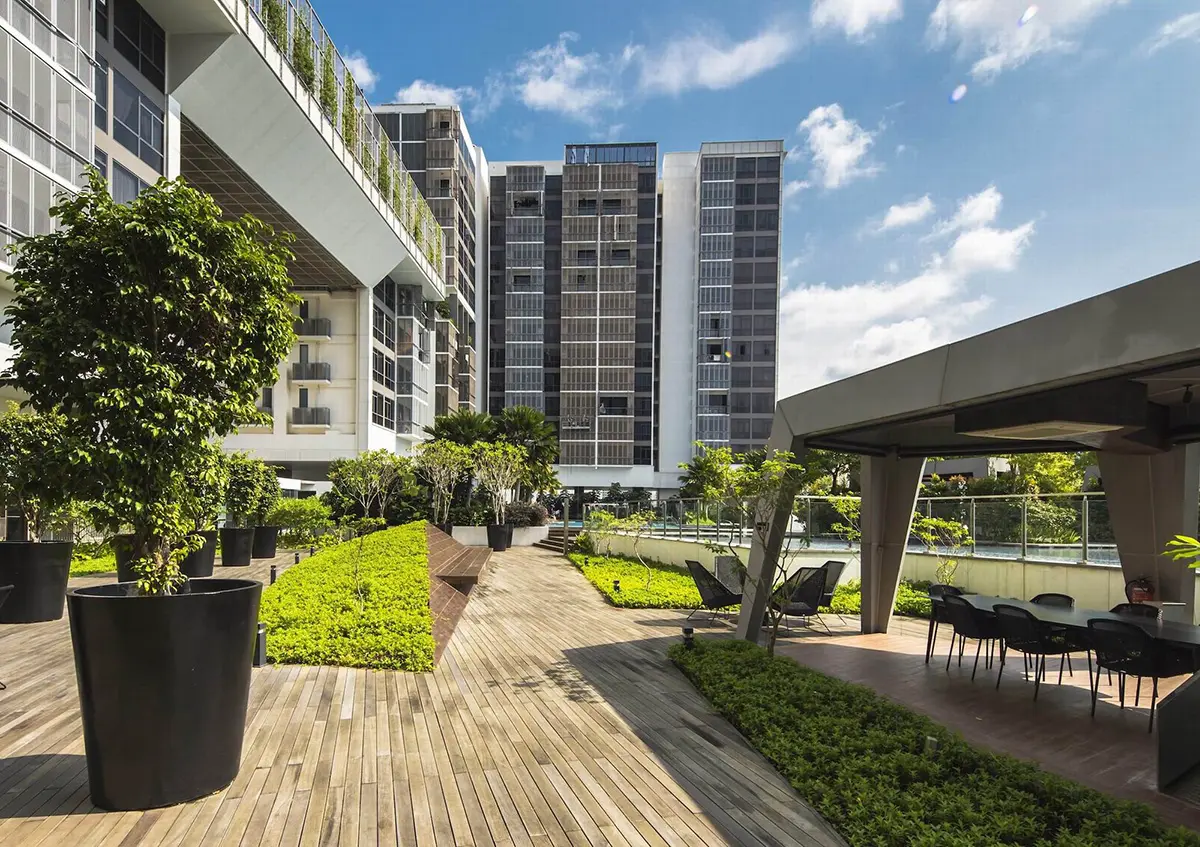
The versatility of the narrow escalator is demonstrated across a wide range of challenging architectural scenarios. As urban centers grow more compact, these systems provide critical access in areas where traditional escalators simply cannot fit.
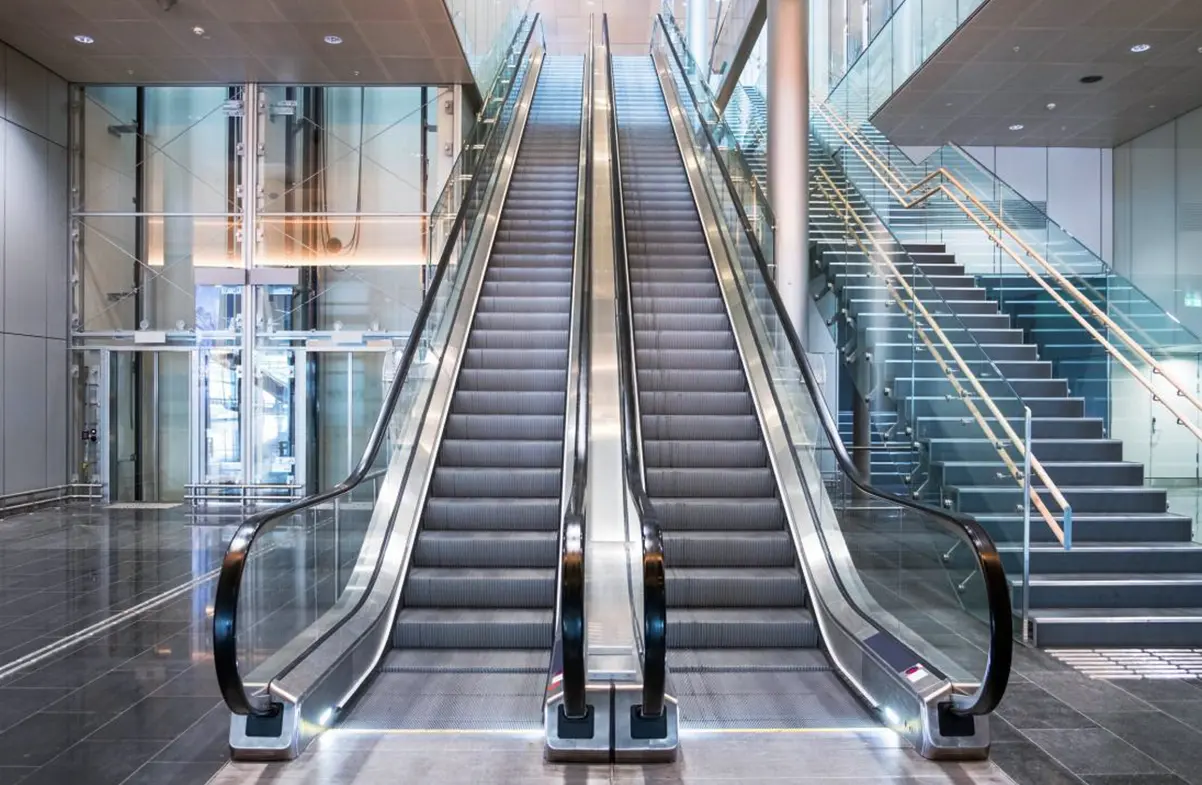
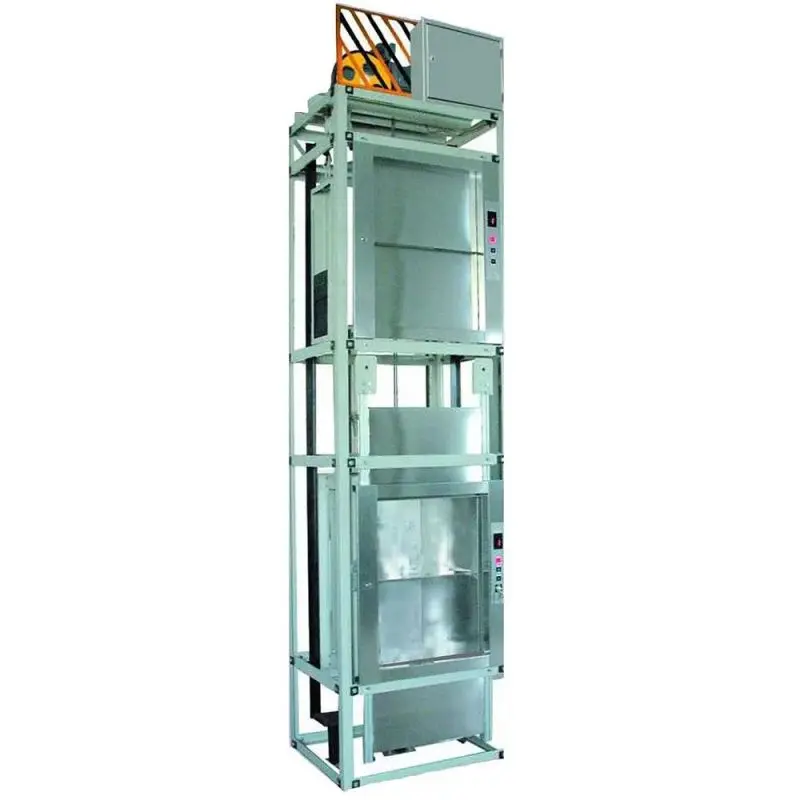
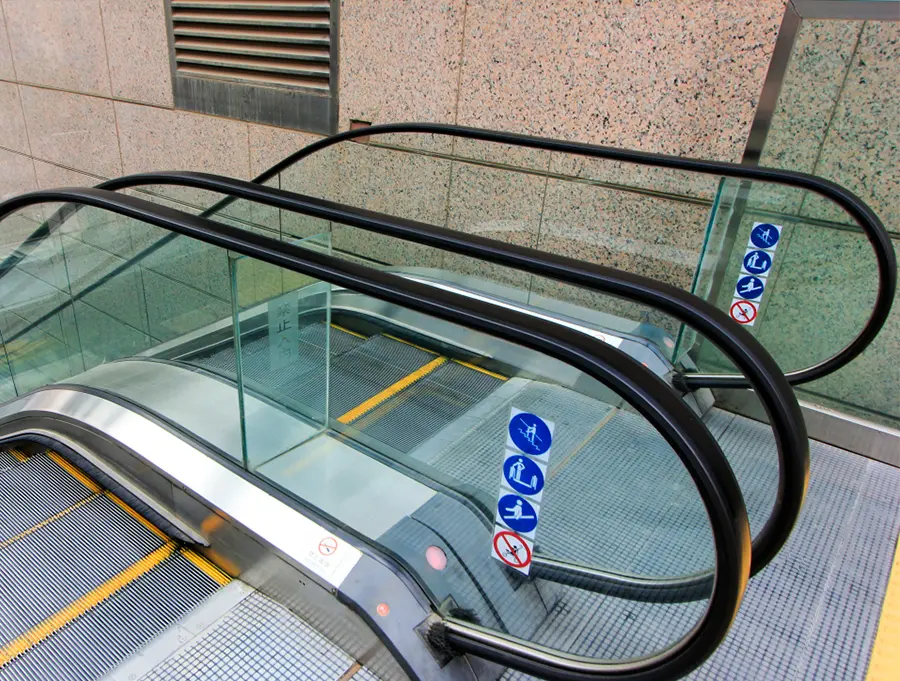
The escalator manufacturing sector is undergoing a massive transformation driven by digitalization, energy conservation initiatives, and safety regulations. As developers aim for carbon-neutral certifications (such as LEED or BREEAM), the focus has shifted to operational efficiency. Some key advancements shaping the industry include:
Traditional maintenance relies on fixed schedules, which can lead to unexpected downtime. Modern narrow escalators can be integrated with smart IoT sensor networks. These sensors monitor structural vibration patterns, motor temperatures, oil quality, and step-skirt clearance. By feeding this data into cloud-based analytics engines, the system predicts mechanical issues before they occur. This technology allows building managers to schedule repairs during low-traffic periods, reducing maintenance costs and ensuring uninterrupted performance.
Escalators run continuously, which can waste significant energy when passenger traffic is low. Standard variable-frequency systems slow the escalator down when no passengers are present. Advanced regenerative drive technology goes a step further: when passengers travel downward, the motor acts as a generator, converting gravitational energy back into electricity. This power is fed back into the building’s electrical grid, reducing overall energy consumption by up to 30%.
To reduce the overall width of narrow escalators, engineers have redesigned the internal drive layout. By placing the drive motor and gearbox in a vertical configuration rather than horizontal, we have reduced the required truss width. This space-saving layout provides a wider step surface for passengers without increasing the escalator's outer dimensions. It is an ideal design choice for retrofits where every millimeter of width matters.
Passenger safety extends beyond mechanical reliability. Today’s commercial environments demand advanced hygiene standards. Modern narrow escalators feature built-in UV-C handrail sterilizers located inside the truss. As the handrail circulates, it passes through a sanitizing chamber that continuously kills bacteria and viruses without chemicals. Additionally, smart handrail speed sensors detect slip variations instantly and stop the system if any imbalance is found, protecting passengers from falls.
For procurement directors, engineering consultancies, and general contractors, purchasing narrow escalators involves more than comparing initial quotes. An effective procurement strategy requires analyzing the **Total Cost of Ownership (TCO)**, which covers the entire lifecycle of the equipment. The true value of a vertical transportation system is determined by several key factors:
Structural Prep Costs: A cheaper escalator that requires extensive structural reinforcement can end up costing more overall. A well-designed narrow escalator fits into existing openings with minimal modifications, saving on site preparation, steel framing, and labor.
Installation Time: Time is money on any construction site. Delays in escalator installation can push back the entire project schedule. Selecting a manufacturer that delivers fully assembled, pre-tested systems reduces installation time, helping projects stay on track.
Energy Efficiency: Escalators run for 12 to 18 hours a day. Investing in energy-saving features like VVVF smart drives and LED lighting pays off quickly, lowering daily utility bills and contributing to the building’s green credentials.
Maintenance and Parts Availability: Over a 20-year lifespan, maintenance costs can exceed the original purchase price. Choosing a manufacturer that uses standard, non-proprietary parts ensures that local service companies can maintain the systems without relying on expensive, exclusive service contracts.
Ningbo Bluetech designs with TCO in mind. By combining robust EN-115 compliant engineering with open-source component choices, we help project managers keep long-term operating costs low while ensuring reliable passenger transit.
 Bluetech