Explore our industrial and commercial grade elevators, components, and accessibility solutions engineered for global specifications.
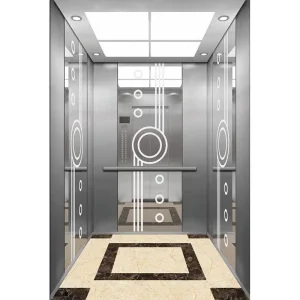
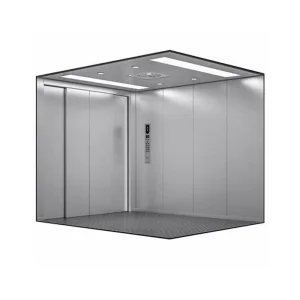
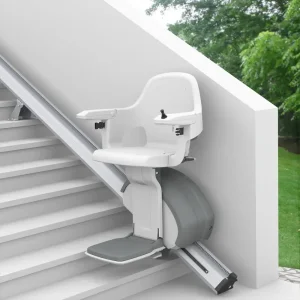
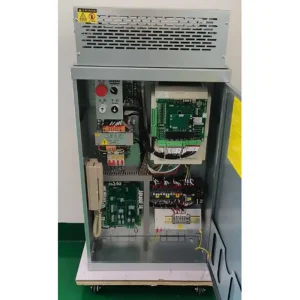
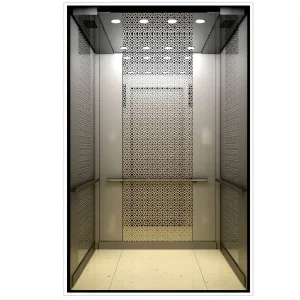
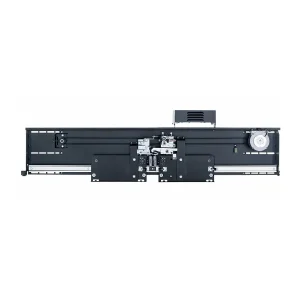
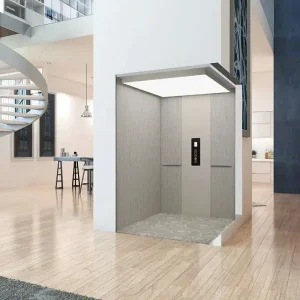
Modern architecture demands optimized building volume, reduced structural loads, and clean architectural envelopes. The evolution of vertical transportation systems has transitioned significantly from massive traditional machine rooms to Mini Machine Room (MMR) and Machine Room Less (MRL) configurations.
MMR design represents a highly efficient engineering compromise for mid-to-high rise buildings. By using advanced Permanent Magnet Synchronous Motor (PMSM) gearless machines, the machine room volume is reduced by up to 50% to 60% compared to traditional geared traction rooms. The machine room is designed to match the cross-sectional area of the elevator shaft, which fits neatly into the architectural core without demanding extensive structural overhangs.
This configuration simplifies routine maintenance operations, as control cabinets, governors, and traction machines remain grouped in a dedicated, secure space directly above or adjacent to the shaft. For developers, this balances lower construction costs with standard, high-speed lift capabilities.
For low-to-mid rise developments, MRL configurations relocate the traction machine and control components entirely within the hoistway. The PMSM machine is mounted either on the guide rails or on the structural beams at the top of the shaft. This completely eliminates the penthouse structure, maximizing architectural design freedom and eliminating aesthetic profiles that may violate local height regulations.
Furthermore, MRL systems lower structural roof loads, simplify core construction, and provide significant energy savings by employing gearless drives that yield up to 30% to 40% efficiency gains over traditional hydraulic or geared assemblies.
Selecting the optimal configuration relies on structural limitations, building height, rated loads, and intended use. The table below represents standard parameters utilized by engineers during the schematic design phase:
| Technical Parameter | Mini Machine Room (MMR) | Machine Room Less (MRL) |
|---|---|---|
| Speed Range | 1.0 m/s - 4.0 m/s | 1.0 m/s - 2.5 m/s |
| Maximum Capacity | Up to 5000 kg (High Load Freight) | Up to 1600 kg (Passenger / Villa) |
| Machine Placement | Dedicated small room above shaft | Mounted inside the hoistway overhead |
| Maintenance Access | Excellent access via dedicated room | Access through shaft top / car top doors |
| Recommended Projects | Hotels, Commercial Towers, Large Hospitals | Residential Villas, Mid-Rise Offices, Retail Lifts |
Established by a group of specialists in 2006, NINGBO BLUETECH is dedicated to elevators and escalators, boasting nearly 20 years of professional industry experience. With decades of developing and researching, NINGBO BLUETECH has become known for its excellent quality, customization capabilities, and responsive service.
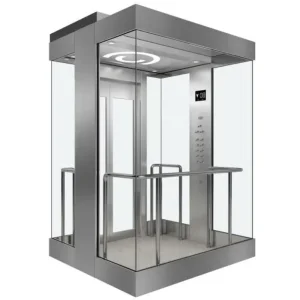
Our comprehensive structural and electronic solutions cover home passenger elevators, commercial elevators, panoramic sightseeing elevators, heavy-duty freight elevators, and dumbwaiters. All systems are engineered, constructed, and certified under the latest stringent EN-81 international standards.
With humanized designs always emphasizing high safety margins and component longevity, BLUETECH brand systems are highly competitive globally. We serve local markets while successfully exporting to more than 30 countries and regions including Singapore, Thailand, Saudi Arabia, the United Arab Emirates, Germany, Egypt, Ethiopia, and Nigeria.
Procuring vertical transportation equipment on a global scale requires attention to structural engineering protocols, country-specific certifications, and strict supply chain reliability.
For European, Middle Eastern, and Asian markets, compliance with EN-81 (specifically EN 81-20 and EN 81-50) is mandatory. In North America, systems must comply with ASME A17.1. These codes dictate safety factor requirements, car safety gears, overspeed governors, and electrical clearance limits.
B2B buyers frequently focus on the lifecycle optimization of existing elevator installations. Sourcing modular MMR components (such as modern VVVF door operators, controllers, and compact PMSM machines) allows for straightforward structural upgrades that minimize building downtime.
Commercial architectural projects mandate corrosion-resistant finishes (such as AISI 304/316 hair-line, mirror, or custom etched stainless steel cabins) alongside robust mechanical layouts that support continuous duty cycles in high-occupancy buildings.
The modern elevator manufacturing landscape in China has transitioned to highly automated Industry 4.0 structures. This integration allows suppliers to offer custom configurations, rapid production cycles, and high quality control metrics.
By leveraging automated robotic welding stations and high-precision fiber laser cutting lines, Bluetech's manufacturing processes ensure tolerances are kept within fractions of a millimeter. This degree of structural precision directly correlates to smoother ride quality, reduced guide shoe friction, and lower structural noise profiles in the elevator cabin.
Additionally, automated processing systems allow for rapid customization of elevator car lengths, widths, and door openings, accommodating varied architectural layout constraints without requiring long re-engineering lead times.
Before leaving the factory floor, elevator electronic components and mechanical systems undergo extensive test sequences. These include safety circuit diagnostic checks, vibration profile testing across all axes, and simulated load deceleration profiles inside dedicated test shafts.
This systematic approach ensures that every exported component complies with EN-81 safety configurations, giving overseas general contractors and elevator service providers confidence during the field commissioning phase.
Advanced engineering, prompt communications, and optimized supply chains designed to meet demanding construction timelines.
Years of professional design experience enable us to deliver customized engineering designs for challenging elevator shafts, low pit depths, and restricted overhead clearances.
BLUETECH provides technical feedback, engineering drawings, and quote estimates within 12 hours for both pre-sales design consulting and post-sale technical support.
Long-term strategic agreements with core component suppliers combined with structured overhead controls allow us to offer competitive pricing on premium systems.
Standard products can be manufactured and shipped within 3 weeks, and urgent requirements can occasionally be accelerated to 2 weeks for fast-track projects.
Collaborating with international elevator companies ensures our systems integrate with global modernization and maintenance standards.
Our partners include prominent international elevator groups, such as Mitsubishi Middle East and ThyssenKrupp Africa. We collaborate closely on new installations, system modernizations, and maintenance networks. When you choose NINGBO BLUETECH for your vertical transportation needs, you align with a team of industry experts committed to safety, reliability, and technological innovation.
Through our shared technical knowledge and local partner support, we deliver solutions that meet the structural, electrical, and commercial requirements of demanding projects worldwide.
A showcase of collaborative architectural achievements and vertical transportation engineering projects executed worldwide.
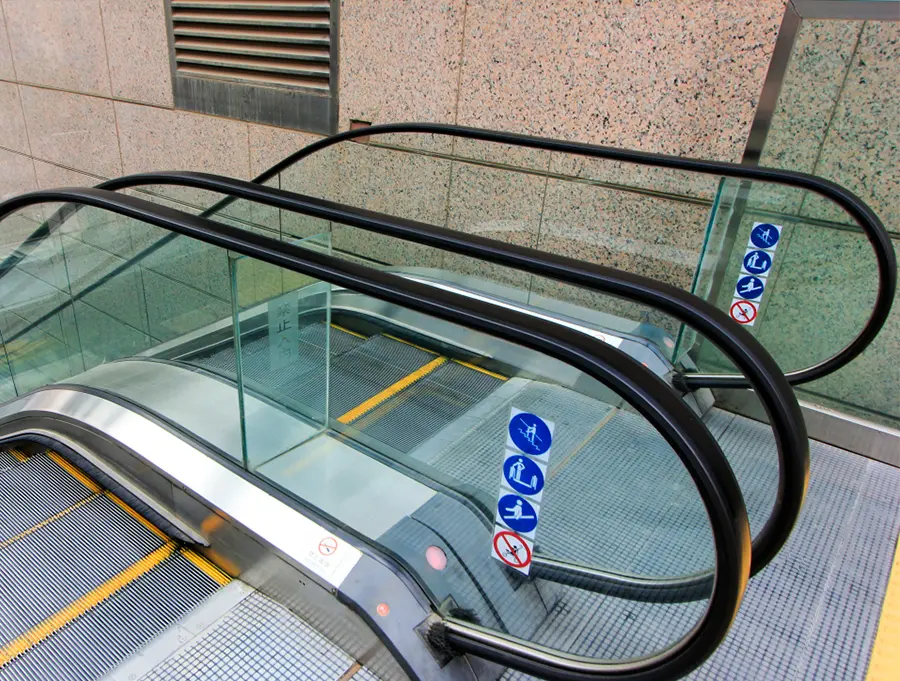
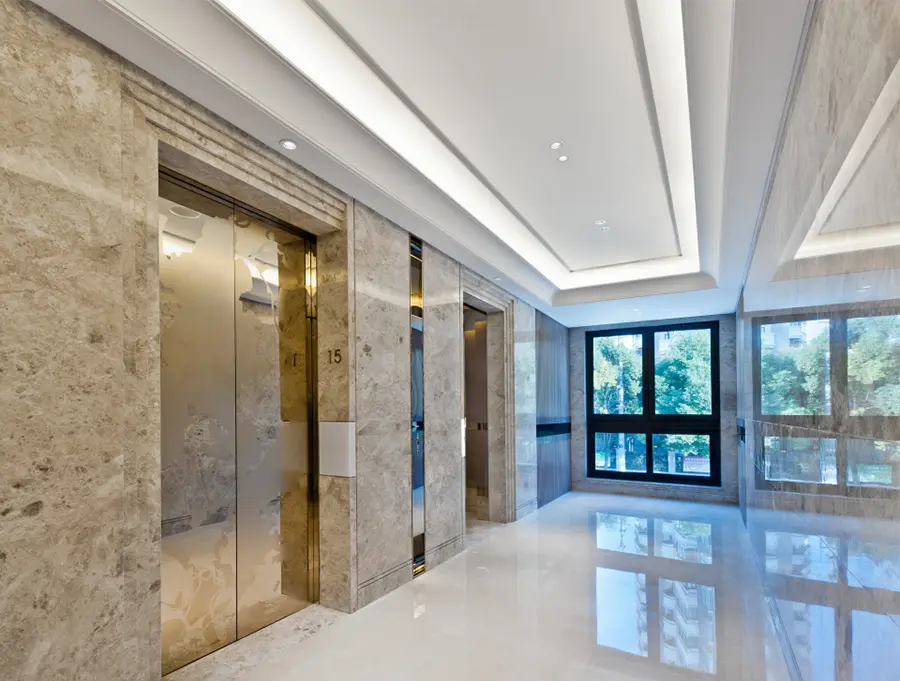
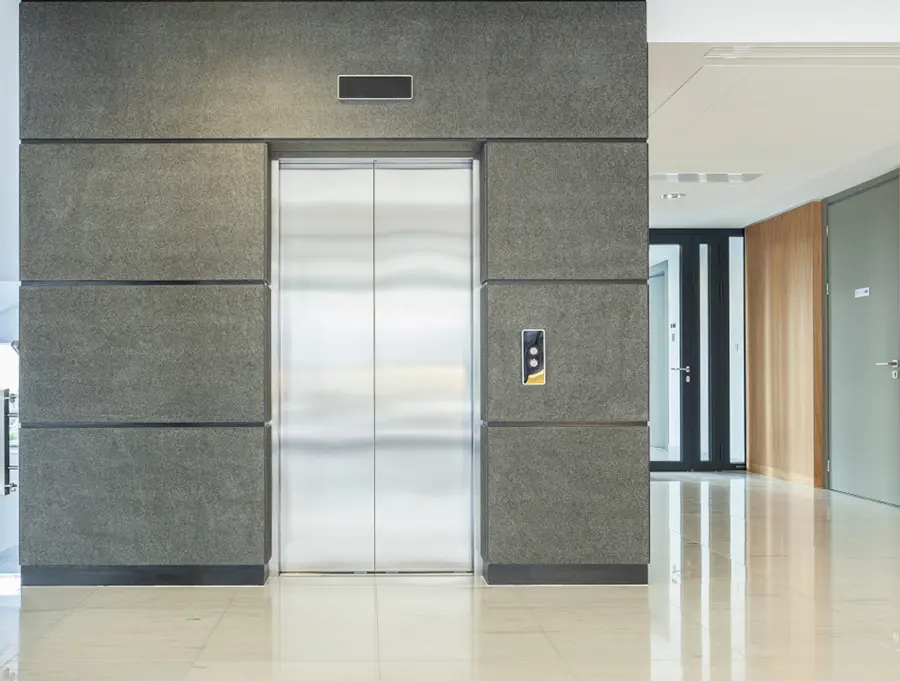
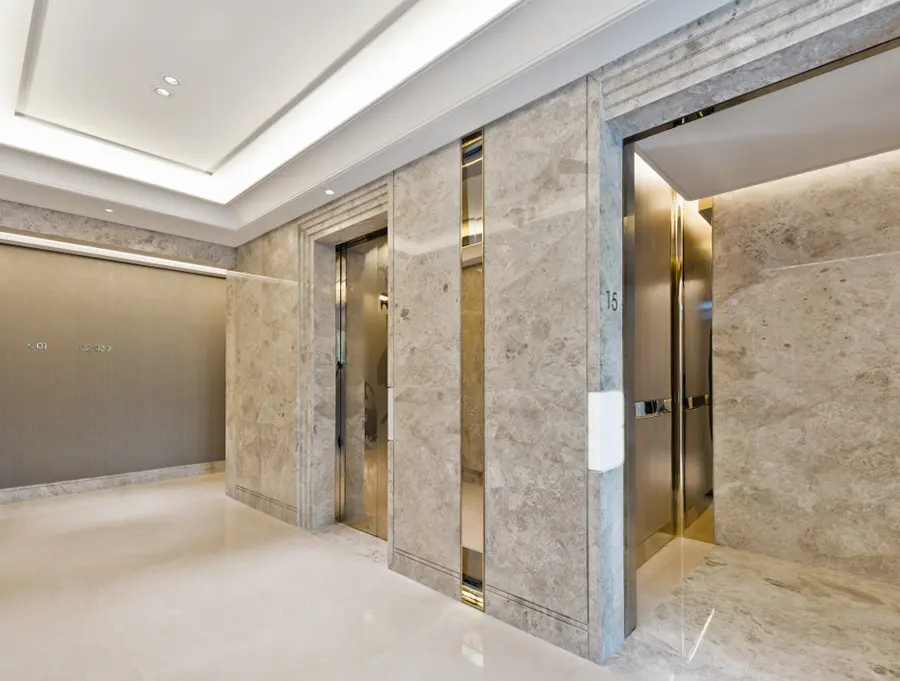
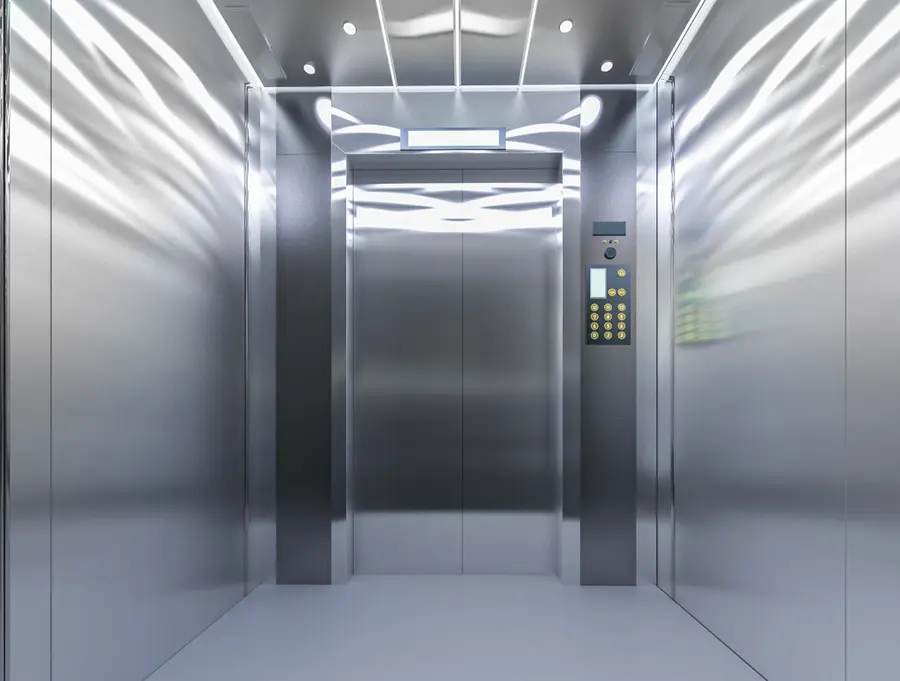
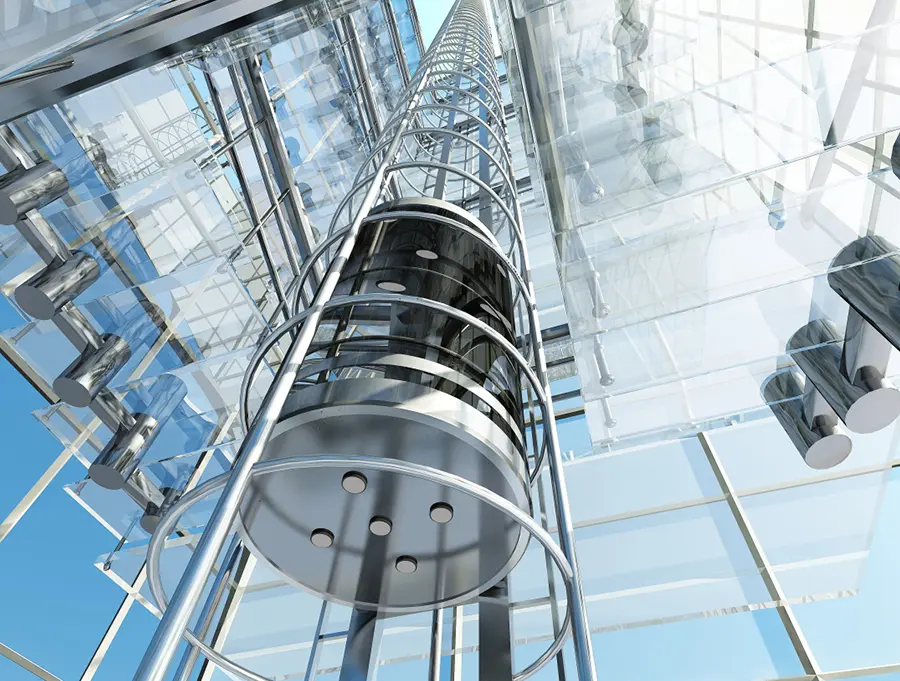
We work across regional markets to adapt structural footprints and local power supplies to custom project configurations, matching the developer's guidelines with modern engineering standards.
Elevator design is never a one-size-fits-all solution. Specific environments require distinct mechanical configurations, door safety devices, and speed profiles.
In high-traffic zones like shopping centers and hotels (e.g., our ACE Hotel projects), the focus shifts to passenger throughput and ride comfort. For these applications, we implement gearless traction systems equipped with Variable Voltage Variable Frequency (VVVF) control boards. These boards monitor car load and speed in real-time, matching acceleration curves to maintain noise levels below 50 dB.
Additionally, multi-beam infrared light curtain sensors protect entering and exiting passengers by monitoring door boundaries across up to 194 distinct optical paths.
Home elevators require compact layouts, low power consumption, and quiet operation. Homeowners often face space constraints, meaning pit depths are limited to 300 mm and overhead clearances are restricted. By using gearless MRL systems, home elevators can operate on single-phase 220V power grids and utilize advanced traction steel cables or synthetic belts to save space.
Interior finishes can be personalized with structural glass wall panels, custom handrails, and lighting designs that complement the home's architecture.
For factories, distribution hubs, and processing centers, elevators must handle heavy physical impact and heavy off-center loads. Bluetech freight elevators support capacities from 1350 kg to 5000 kg, featuring reinforced cabin walls, non-slip steel floor plates, and structural reinforcement beams underneath the car platform. These updates prevent cabin distortion under heavy forklift loading, ensuring durability in demanding industrial workspaces.
Essential information for architects, general contractors, and procurement professionals regarding MMR/MRL systems.
From component level upgrades to full structural assemblies, explore our key catalog offerings.
 Bluetech