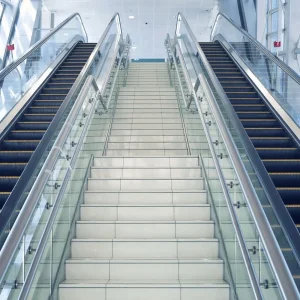
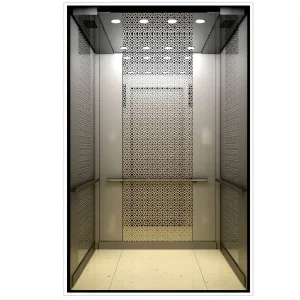
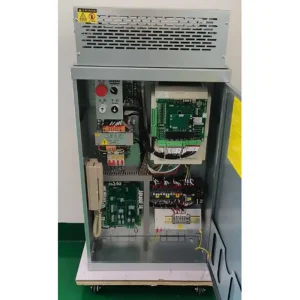
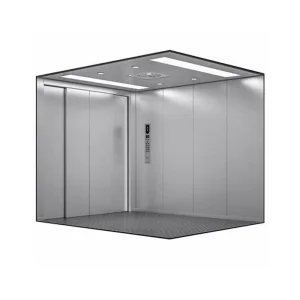
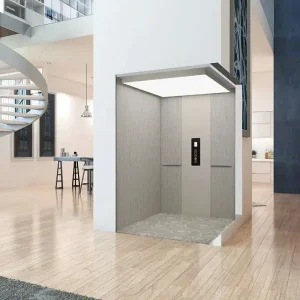
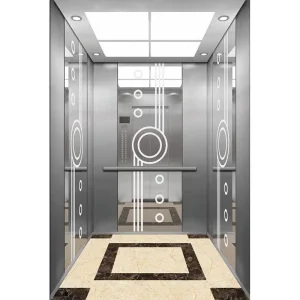
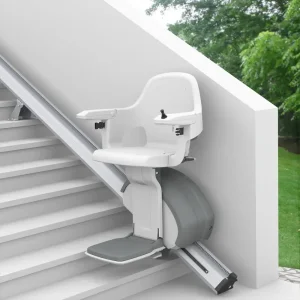
Discover our high-performance passenger elevators, domestic villa lifts, and specialized accessibility systems designed for space-constrained installations.
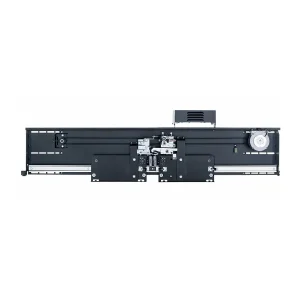
Establishing the global standard for custom architectural vertical mobility since 2006.
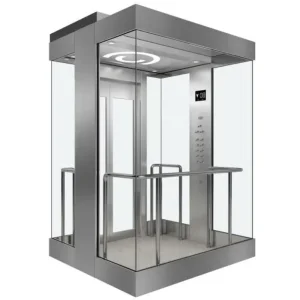
NINGBO BLUETECH, established by a group of specialists in 2006, is dedicated to elevators and escalators, with nearly 20 years of professional industry experience. Through decades of intensive research and continuous development, NINGBO BLUETECH has become widely recognized for its excellent quality and comprehensive services. Our solutions cover home elevators, passenger elevators, sightseeing elevators, freight elevators, and dumbwaiters. All products are designed and produced under the latest EN-81 standards to ensure uncompromising safety and structural integrity.
With humanized design, always considering high safety and quality, BLUETECH brand products are highly marketable and offer competitive, reasonable pricing. We do not only serve the local market; we have successfully exported our engineering solutions to more than 30 countries, including Singapore, Thailand, Saudi Arabia, UAE, Germany, Egypt, Ethiopia, and Nigeria. Our track record of excellence and our long list of satisfied clients speak to our commitment to quality, innovation, and customer satisfaction.
Working in synergy with the world's leading engineering corporations for modernization, maintenance, and new installations.
Our partners include many international elevator companies, such as Mitsubishi Middle East and ThyssenKrupp Africa. We work together on new lifts, complex modernization, and regular maintenance projects. When you choose NINGBO BLUETECH for your elevator and escalator needs, you gain the peace of mind that comes with working with a team of dedicated industry experts who deliver top-tier products and services.
How we apply intelligent VF control, emergency rescue systems, and energy-regeneration technologies to elevate product standards.
Years of professional design experience enable us to provide optimal engineering solutions in challenging, space-constrained architectural layouts.
We respect both existing partners and potential clients, committing to detailed replies and technical solutions within 12 hours, pre-sales and post-sales.
Built upon long-term supplier alliances and well-managed purchasing processes, BLUETECH delivers cost-efficient, high-performance vertical mobility systems.
Our agile manufacturing allows standard order completion in 3 weeks, and urgent projects can be dispatched in as little as 2 weeks to satisfy tight schedules.
The global construction industry is undergoing a significant transition toward spatial efficiency, density, and sustainability. Modern residential developments, multi-family homes, and historical preservation projects frequently face rigorous structural limitations. Among these challenges, headroom restrictions (overhead) and pit depth limitations stand as major barriers to integrating traditional elevator systems. In response to these architectural bottlenecks, low overhead home elevators have emerged as a vital technology, offering seamless vertical accessibility without requiring extensive structural alterations.
In traditional traction elevator systems, a significant amount of overhead space at the top of the hoistway is required. This space accommodates the drive machinery, deflector sheaves, safety gear clearance, and the essential runby space required for the car and counterweight in the event of an overtravel. For home lifts, traditional layouts often require an overhead clearance of 3400mm to 3800mm and a pit depth of 1200mm to 1500mm.
Low overhead home elevators, developed by advanced manufacturers like Ningbo Bluetech, reduce these demands. By employing Machine-Roomless (MRL) design strategies, compact gearless permanent magnet synchronous motors (PMSM), and specialized underslung car frames, the required overhead can be reduced to as little as 2600mm to 2800mm. Similarly, pit requirements can be minimized to 100mm to 300mm, or in some configurations, eliminated entirely using a small access ramp. This technology enables architects and builders to preserve roof lines and avoid costly excavation through foundation slabs or underground utilities.
Several global macroeconomic and demographic trends are driving the adoption of low overhead home mobility systems:
When selecting a low overhead elevator system, developers and architects must evaluate the underlying drive technology. Below is an engineering comparison of modern approaches:
For B2B buyers, importing developers, and regional elevator distributors, sourcing low overhead systems requires a balance of engineering capacity and logisitics management. Ningbo Bluetech simplifies this procurement process. By manufacturing within the industrial zone of Ningbo, China, we access a comprehensive raw materials supply chain, advanced CNC machining facilities, and direct shipping lines via Ningbo-Zhoushan port, the world's busiest cargo hub.
We provide full structural drawing approvals prior to production, electrical pre-wiring test runs, and clear installation manuals. This reduces the risk of field modifications and installation errors, lowering the total cost of ownership for overseas distributors and engineering installation companies.
The future of residential vertical mobility is centered on connectivity, diagnostic monitoring, and predictive maintenance. Ningbo Bluetech's R&D roadmap integrates several upcoming technologies:
Global elevator safety codes are highly localized and strictly enforced. Exporting vertical transport equipment requires adherence to these standards. Ningbo Bluetech designs, tests, and manufactures all lift solutions in strict compliance with the European standard EN 81-20/50 for passenger elevators, as well as the EN 81-41 directive for platform lifts. For regional markets, our systems are adapted to meet localized building safety codes, including ASME A17.1 in North America, AS 1735 in Australia, and local certification requirements across South America and the Middle East.
Our localized support includes providing comprehensive mechanical and electrical drawings, schematic wiring layouts, and calculated guide rail force data. This documentation simplifies the local permit and inspection process for our international partners, including municipal engineering offices and safety regulators.
Answers to technical, regulatory, and logistics questions about low overhead home elevator systems.
Collaborating with clients across global offices to deliver custom engineering solutions for diverse buildings.
Our team collaborates with clients across our global offices to implement design ideas and functional solutions for every project. During this process, we coordinate the client's guidelines with local technical requirements to ensure a seamless installation.
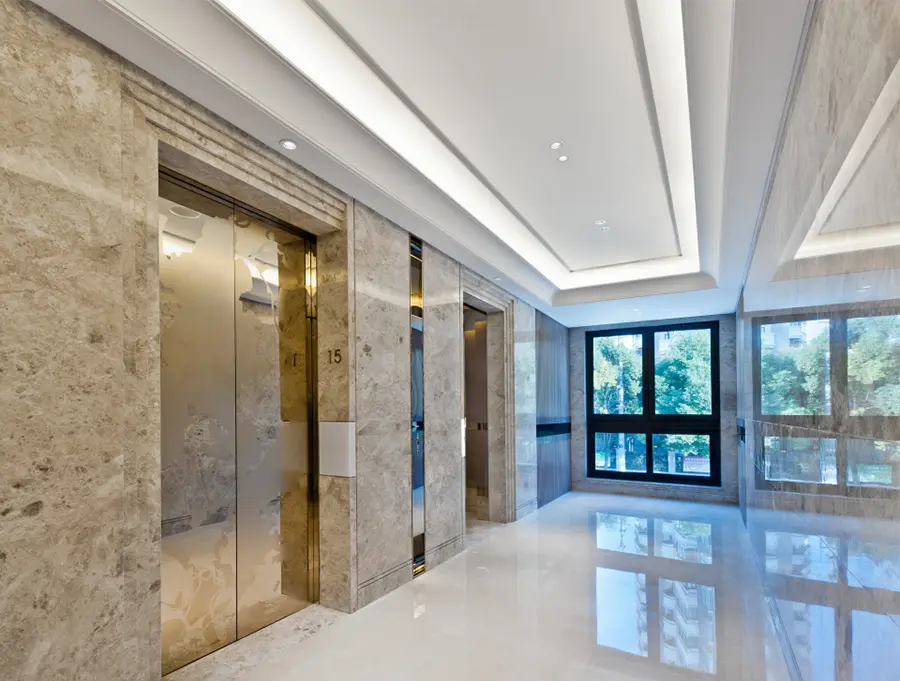
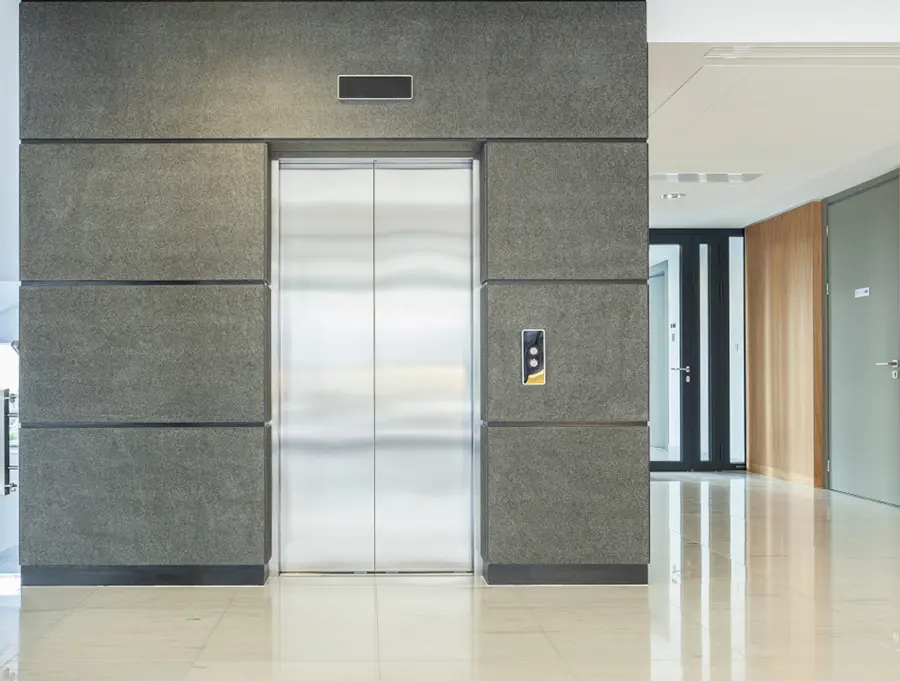
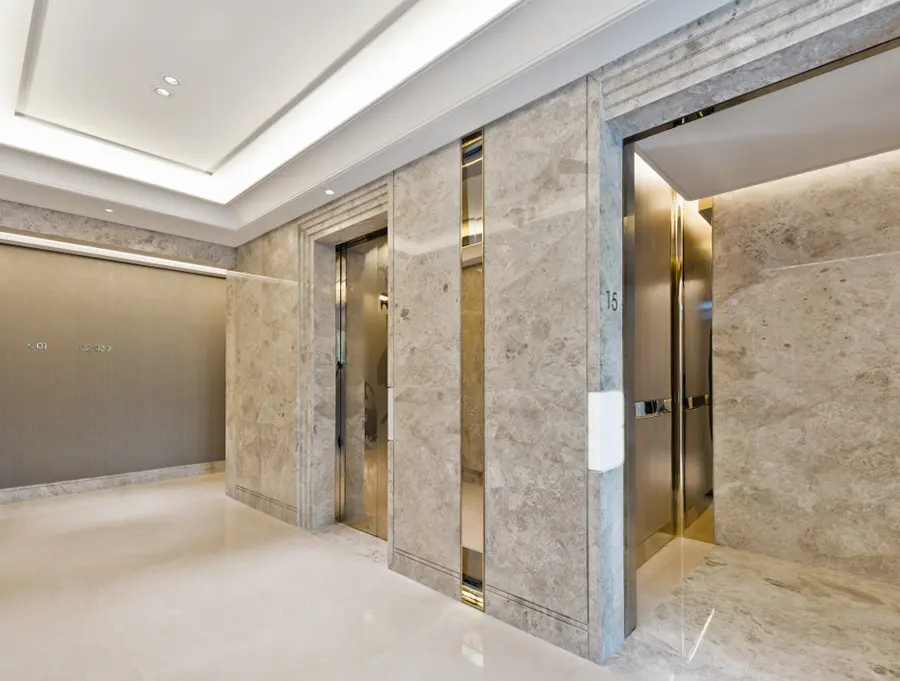
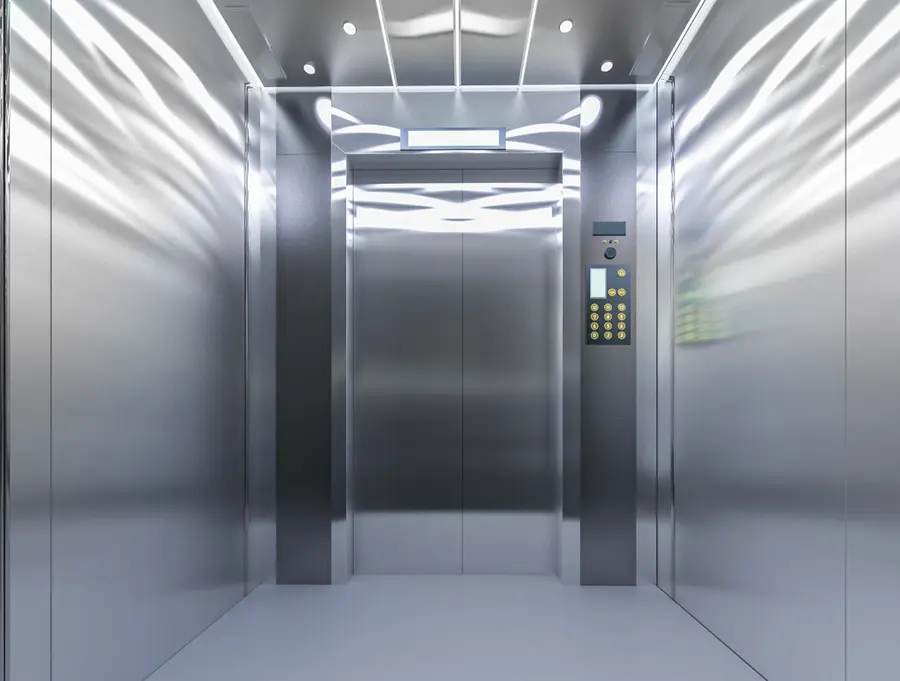
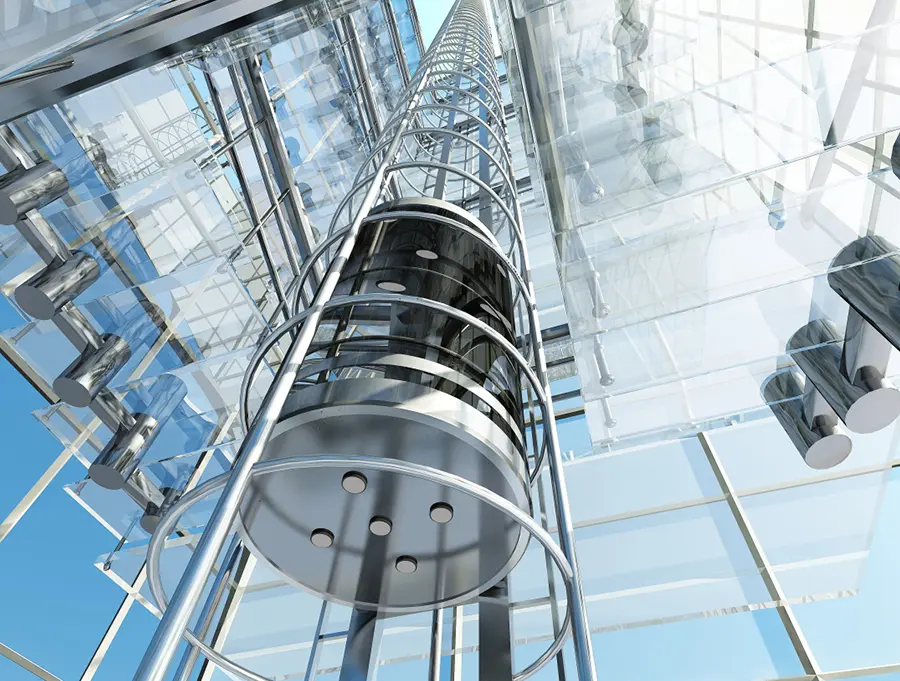
High-quality engineering components, accessibility platforms, and custom elevator systems manufactured under strict safety standards.
 Bluetech