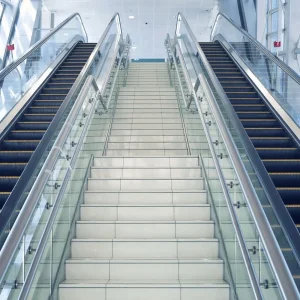
Explore our highly engineered vertical transportation systems designed to meet international structural and safety criteria.
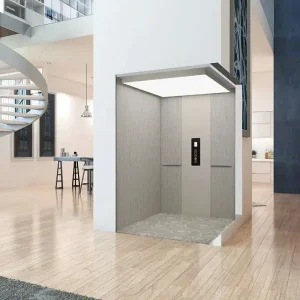
Decoding cost vectors, manufacturing strategies, and structural shifts in global residential accessibility.
The global demand for residential elevator systems has experienced a paradigm shift. Once classified strictly as luxury integrations for high-end estates, domestic lifts are now recognized as essential infrastructural components for multi-level homes. This shift is driven by a rapidly aging global demographic, urban space constraints necessitating vertical architecture, and progressive building regulations emphasizing barrier-free access.
Historically, high cost margins posed a significant barrier to consumer adoption. The entry of specialized manufacturers like Ningbo Bluetech Import & Export Co., Ltd. has fundamentally transformed this space. By utilizing optimized supply chains, strategic sourcing of raw components, and lean production methodology, modern manufacturers can offer competitive wholesale pricing without compromising structural integrity or compliance with international safety parameters such as EN-81.
Understanding the cost matrix of a home elevator requires analyzing the entire design life-cycle, from factory fabrication to installation and maintenance. The total cost structure comprises several key components:
A. Mechanical System Selection: Traction vs. Hydraulic vs. Screw Drive. Traditional hydraulic lifts present a lower initial unit purchase cost but carry higher long-term maintenance costs due to hydraulic oil management and cylinder seals. Screw-driven and gearless traction systems (MRL - Machine Roomless), while requiring slightly higher initial capital investments, minimize shaft footprint, eliminate oil hazards, and drastically lower energy consumption, proving to be the most cost-effective solution over a 15-year operational lifecycle.
B. Structural Prerequisites & Civil Works: Standard home elevators traditionally required deep concrete pits and heavy overhead clearances. Modern low-cost engineering allows for shallow pits of only 100mm to 300mm, or even completely pitless configurations using integrated ramps. This minimizes civil excavation costs, which frequently represent up to 30% of a homeowner's total installation project cost.
C. Supply Chain and OEM vs. Custom Cabins: Elevators manufactured in large-scale dedicated facilities benefit from significant economies of scale. High-speed CNC punching, automated laser welding, and standardized cab structural footprints allow factories to output high-tolerance elevator cabins at a fraction of local custom-fabrication costs.
Ningbo Bluetech: Nearly two decades of excellence, engineering trust, and executing high-standard mechanical solutions globally.
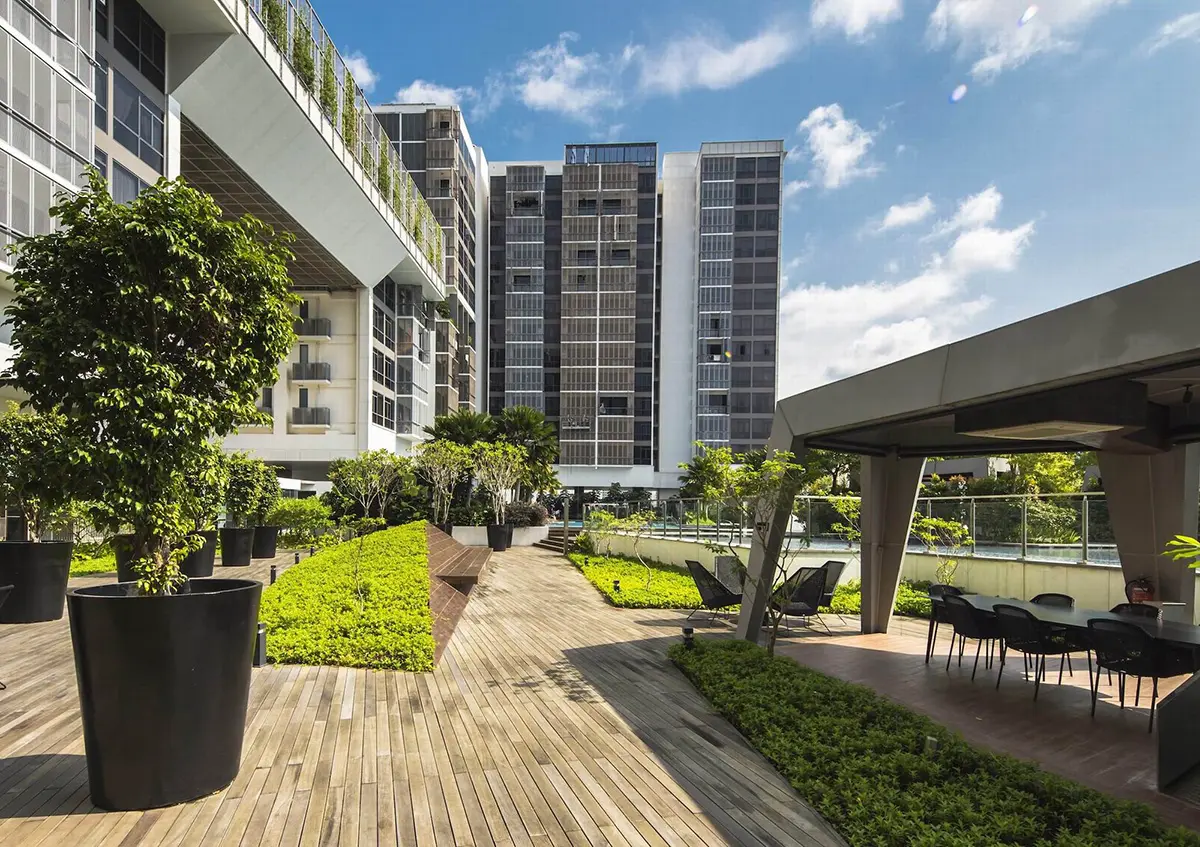
Established by a group of industry specialists in 2006, Ningbo Bluetech Import & Export Co., Ltd. has dedicated nearly 20 years to the research, development, and manufacture of high-performance elevator systems. Under strict compliance with the latest EN-81 European elevator standards, our engineered portfolio spans passenger elevators, domestic home lifts, scenic observation elevators, high-tonnage freight elevators, and dumbwaiters.
With a design philosophy centered on humanized interaction, structural safety, and low operational overhead, the BLUETECH brand has successfully established a market presence across more than 30 nations. Our active regions include Singapore, Thailand, Saudi Arabia, the United Arab Emirates, Germany, Egypt, Ethiopia, and Nigeria.
Exploring the core technologies driving low-cost high-performance residential vertical mobility.
High operational utility bills have historically plagued home elevator installations. To mitigate this, Ningbo Bluetech integrates low-noise Variable Frequency (VF) speed control drives as standard hardware across our residential range. The VF system controls input voltage and frequency to the motor dynamically, avoiding high current spikes during start-and-stop sequences.
Furthermore, we employ energy regeneration units that harvest kinetic energy generated when the cab travels in gravity-assist directions (such as an empty cab ascending or a fully loaded cab descending). This energy is fed back into the household electrical grid, reducing overall elevator energy demand by up to 30% compared to traditional asynchronous motors.
Safety remains the primary concern of residential elevator owners. Unlike commercial structures with onsite engineers, residential installations require autonomous fail-safe mechanisms. Bluetech elevators feature an Automatic Rescue Device (ARD) powered by an uninterruptible power source.
In the event of a main municipal power failure, the ARD automatically takes control of the cabin, calculates the path of lowest mechanical resistance to the nearest landing, operates the motor to align the cab precisely, and opens the door automatically. This process requires zero human intervention, ensuring absolute safety for family members of all ages.
Standard old-generation elevators required dedicated structural machine rooms above the lift shaft to house the traction machine, control cabinet, and auxiliary gear. This requirement disrupted architectural designs and increased building construction costs.
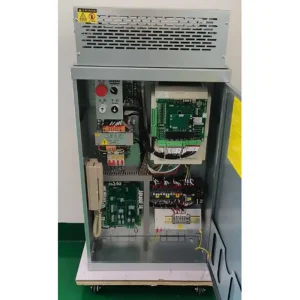
The BLUETECH Machine Room-less (MRL) design integrates the gearless permanent magnet synchronous motor (PMSM) directly within the shaft headroom, and positions the control panel inside a flush-mounted wall cabinet adjacent to the top landing door. This layout frees up architectural floor space, simplifies construction, and reduces installation labor costs.
Why architects, project developers, and wholesale distributors select Ningbo Bluetech.
We leverage decades of engineering experience to design custom architectural and space-saving layout solutions for challenging structural contexts.
We value open and efficient communication. Our dedicated support team guarantees comprehensive technical proposals or inquiries within 12 hours.
Through strategic supply chain management and standardized component manufacturing, we offer competitive wholesale pricing directly from our factory.
Our agile production processes allow us to dispatch standard systems within 3 weeks, and urgent custom configurations within 2 weeks.
We work closely with global industry leaders, collaborating on new lift installations, modernization, and maintenance projects across the Middle East and Africa.
Every elevator and escalator system in our portfolio is engineered, manufactured, and certified in strict compliance with the latest European EN-81 standard.
Adapting advanced elevator engineering to diverse global climates and structural styles.
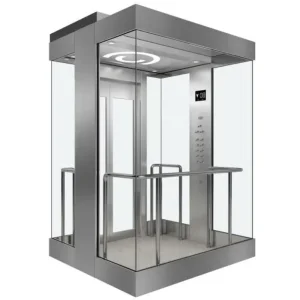
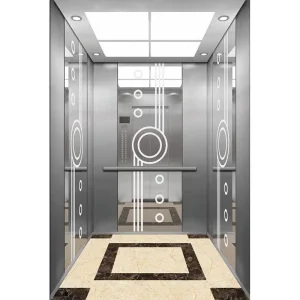
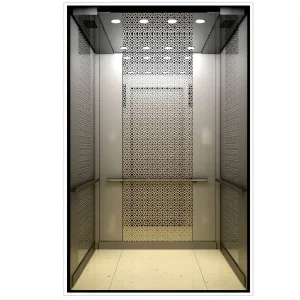
In upscale residential projects, a home elevator is expected to blend seamlessly with the interior decor. Custom cabins featuring hairline stainless steel, mirror glass accents, and integrated LED ceilings elevate both properties' functional value and aesthetic appeal. Low-noise gearless machines ensure that operations do not disturb the quiet atmosphere of private homes.
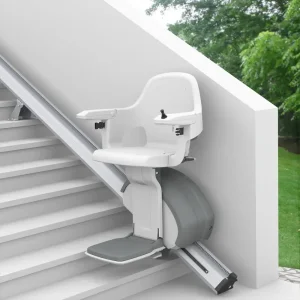
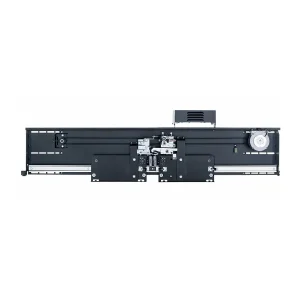
For homes prioritizing aging-in-place safety, accessibility is the primary goal. Features like wider doors, flat-floor access, and tactile braille buttons are essential. Standardizing safety features like light curtains, mechanical safety gear, and intuitive emergency communication systems ensures that seniors and mobility-impaired family members can travel safely between floors.
Retrofitting elevators into existing buildings presents unique spatial challenges. In historic districts or tightly packed urban centers, space is at a premium. Our compact hoistways and low-overhead elevator structures allow for installations inside existing stairwells, external building envelopes, or small internal lightwells. This minimizes structural modifications and preserves the building's architectural integrity.
Technical answers to common questions regarding logistics, engineering limits, and installation requirements.
Explore our comprehensive selection of commercial passenger lifts, cargo elevators, escalator systems, and core control components.
 Bluetech