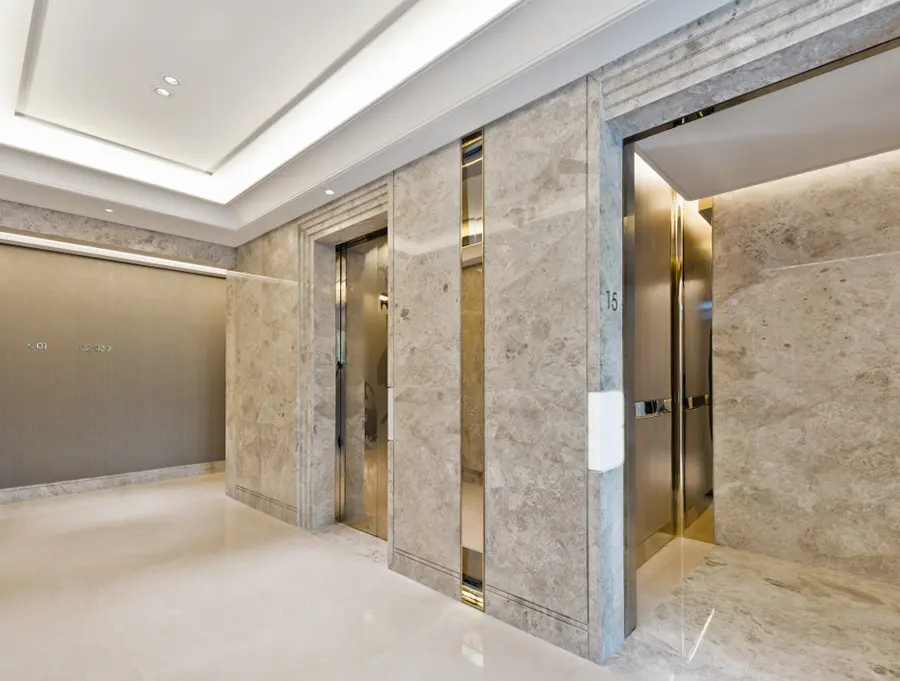
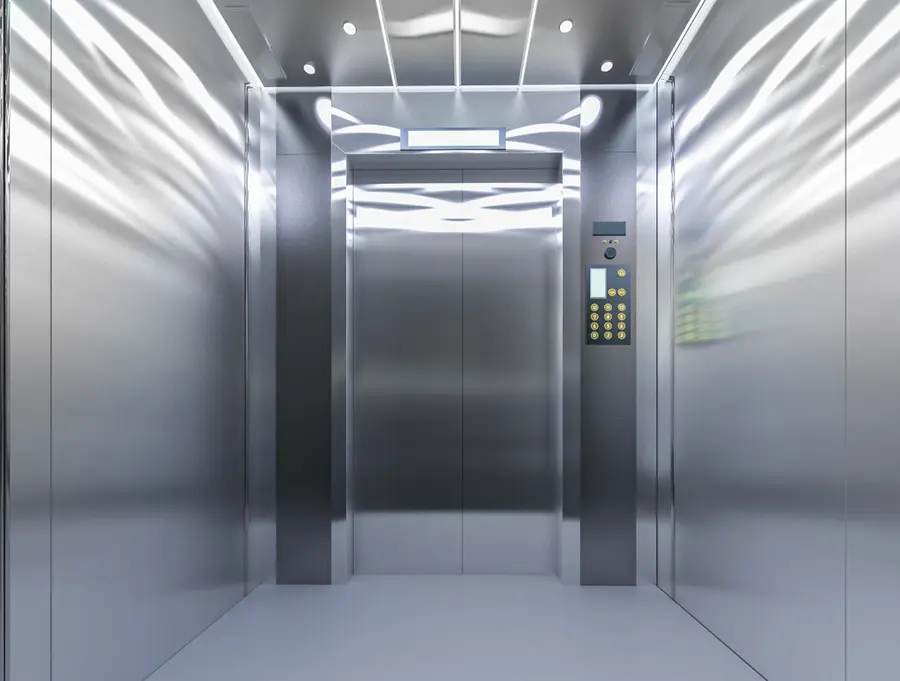
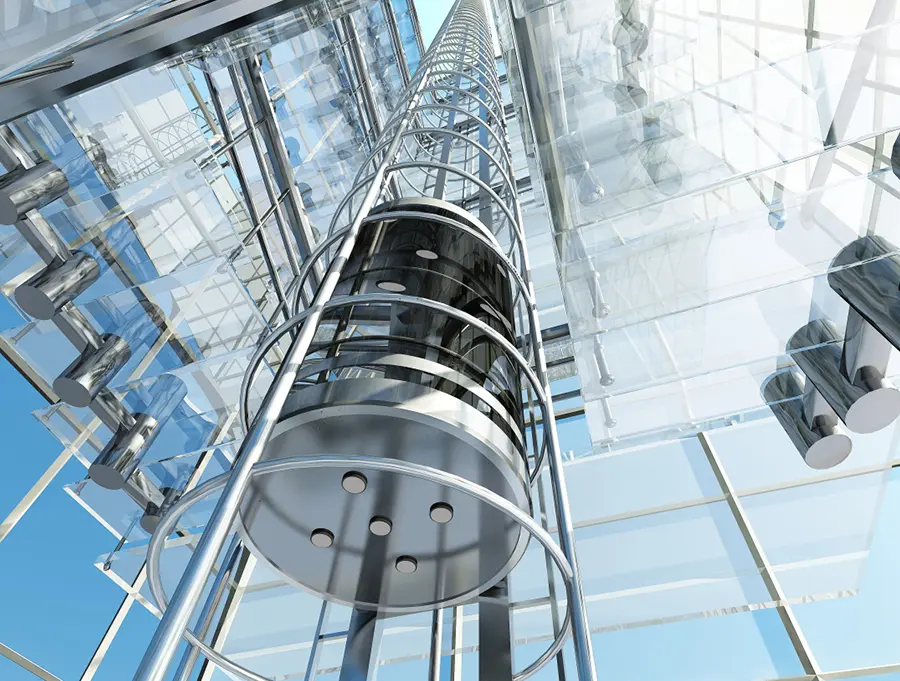
Explore our flagship configurations engineered for residential structural compliance, luxury aesthetics, and maximum safety.
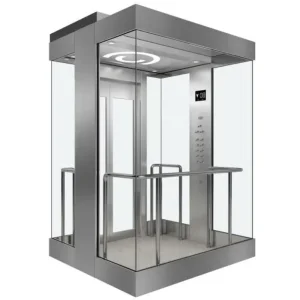
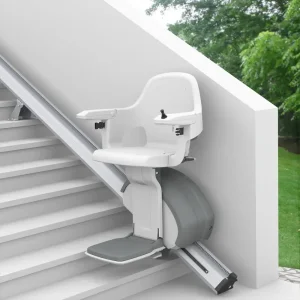
The global demand for inside home elevators has experienced a structural shift. Modern urban planning and architectural designs are rapidly moving toward vertical density and multigenerational living. Consequently, private residential lifts are no longer treated as isolated luxury additions; instead, they are integrated as essential components of modern building envelopes. Architects and real estate developers utilize inside home elevators to enhance structural utility, support long-term aging-in-place initiatives, and drive property valuations higher.
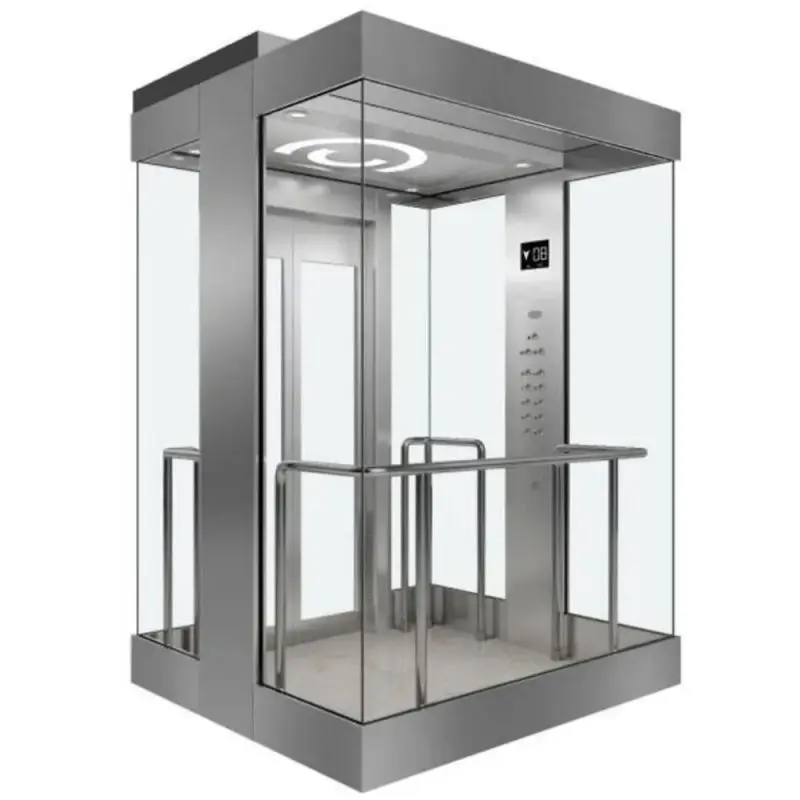
By implementing space-optimized Machine-Room-Less (MRL) technology, contemporary residential designs can avoid the need for heavy overhead machine rooms. This directly reduces building loads and structural footings. From custom structural glass hoistways that blend into open-plan modern villas to classic wood-lined cabins in heritage retrofits, inside residential elevators represent a critical intersection of modern civil engineering, accessibility ergonomics, and interior design.
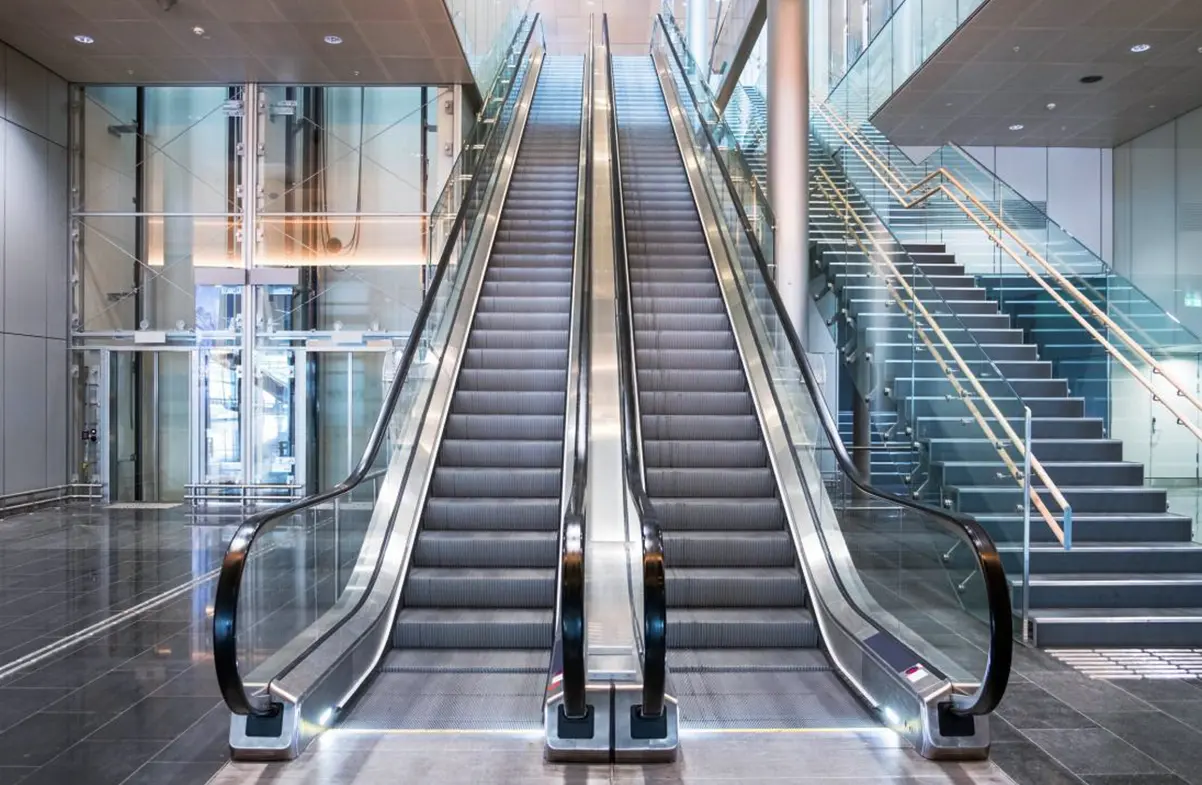
Strategic analysis of the international residential elevator market, regulatory landscapes, and technology deployment.
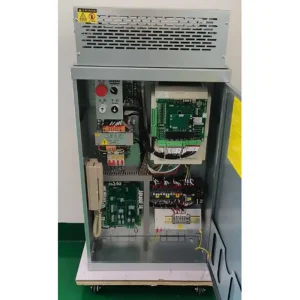
The production of home elevators relies heavily on specialized mechanical and electronics systems. Key components include permanent magnet synchronous motors (PMSM), micro-computer controllers, and high-tensile guide rails. As a leading manufacturer, we source raw materials and manufacture sub-systems in compliance with global ISO standards to prevent material bottlenecks.
Operating in the global market requires adherence to rigorous safety standards. Our product catalog is engineered to comply with EN 81-20/50 and EN 81-41 European standards, as well as North American ASME A17.1 codes. This alignment streamlines the building approval processes for architects and local installers across international jurisdictions.
Energy conservation is critical for modern home automation. We integrate Variable Voltage Variable Frequency (VVVF) controllers and power-regenerative systems into our drive assemblies. These systems feed excess electrical energy back into the home grid during descent, cutting overall elevator energy consumption by up to 35%.
Ningbo Bluetech: Delivering high-performance vertical transportation solutions since 2006.
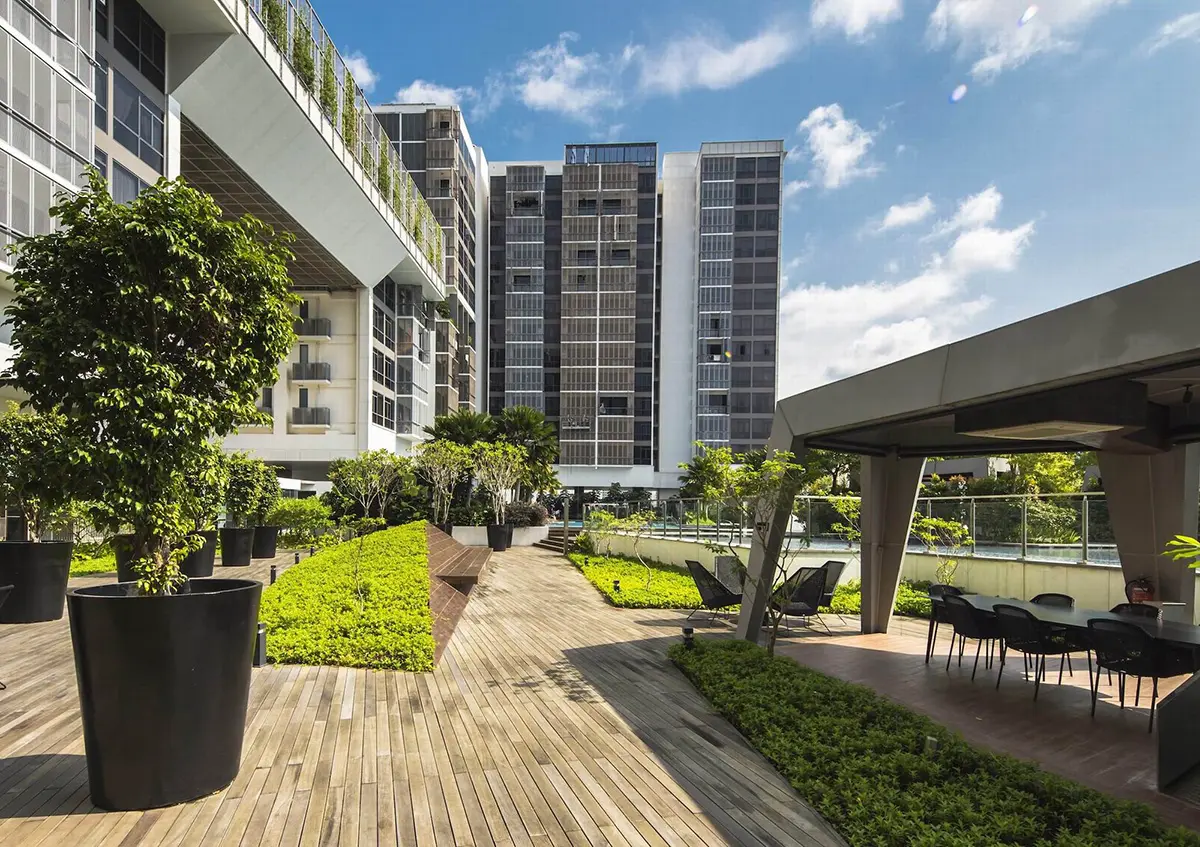
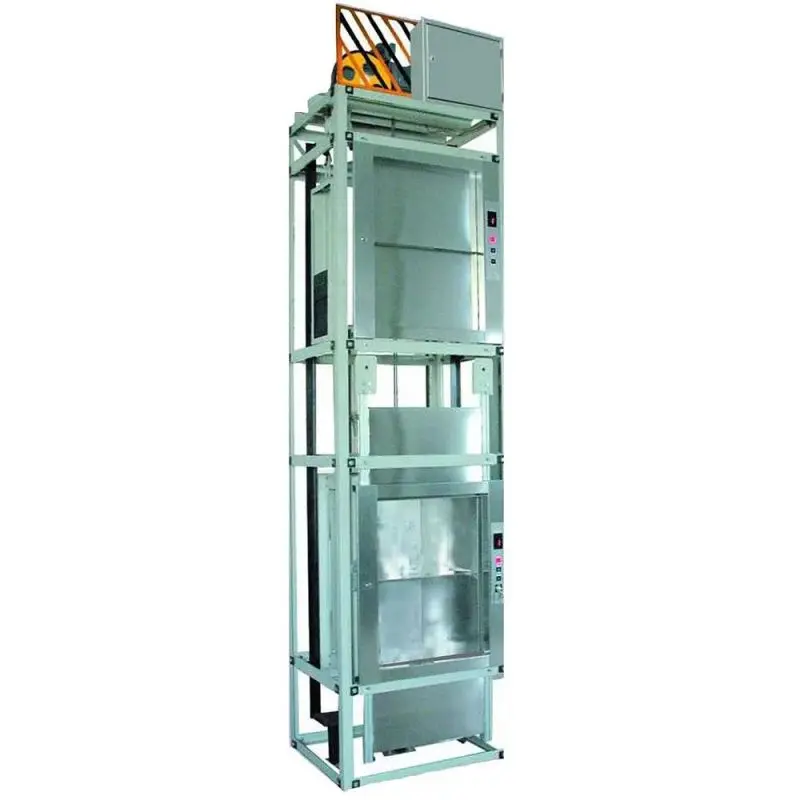
Established by a specialized engineering team in 2006, NINGBO BLUETECH has spent nearly two decades developing and researching premium elevators and escalators. Known for excellent quality, rigorous quality control, and reliable customer service, our engineering solutions cover home elevators, passenger lifts, sightseeing elevators, cargo lifts, and dumbwaiters. All of our products are designed and manufactured to comply with the latest EN-81 European elevator safety standards.
Our commitment to humanized design, high product safety, and competitive pricing makes BLUETECH solutions highly competitive in global markets. We serve local projects and have successfully exported our products to over 30 countries and regions. Our target markets include Germany, Singapore, Thailand, Saudi Arabia, the United Arab Emirates, Egypt, Ethiopia, and Nigeria. We work alongside global elevator players, including Mitsubishi Middle East and ThyssenKrupp Africa, on new lift installations, modernization, and maintenance projects.
Tailoring inside home elevator designs to match specific architectural projects and floor plan layouts.
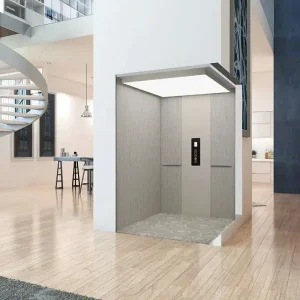
Integrating inside home elevators into large, multi-story residences ensures accessibility for elderly family members and individuals with limited mobility. High-capacity custom traction lifts provide smooth, quiet floor-to-floor transit, enhancing the overall functionality and design of the home.
Urban properties often feature narrow floor plans and limited space. Our MRL (Machine-Room-Less) elevator systems require minimal pit depth and low overhead clearance, making them ideal for integration into existing stairwells or tight corners.
We supply electric incline platform lifts and heavy-duty cabin elevators specifically designed for wheelchair users. These accessibility systems feature wider automatic sliding doors, flush sill entryways, and low-height control panels for independent operation.
Tracking the integration of IoT telemetry, predictive analytics, and smart automation in the elevator industry.
Integrating sensors and cloud-based analytics modules to monitor motor temperatures, brake wear, and door cycles in real time. This system allows service teams to address potential mechanical issues before they cause service interruptions.
Connecting residential elevators to home automation networks. Users can call the elevator cab via voice control systems, mobile applications, or home security consoles, integrating the lift into daily smart home routines.
Upgrading traction systems with next-generation synchronous drives. These motors recycle kinetic energy during descent to power smart home appliances, reducing the carbon footprint of modern residential properties.
Essential technical information for architects, general contractors, and developers planning inside home elevator installations.
For standard traction MRL home elevators, the required pit depth is typically between 300mm and 450mm, while the overhead clearance needs to be at least 3000mm to 3400mm. Hydraulic configurations may allow for a shallower pit, but they require a separate space for the pump station.
Standard custom elevators are completed at our factory within 3 weeks. Under urgent circumstances, manufacturing can be accelerated to 2 weeks. International shipping times vary depending on the destination port, with transit times ranging from 15 to 45 days.
Yes. All of our home elevators, passenger lifts, and controller components are engineered and manufactured under EN-81 European safety standards and ISO 9001 quality protocols. We also offer configurations that meet ASME A17.1 standards for North America.
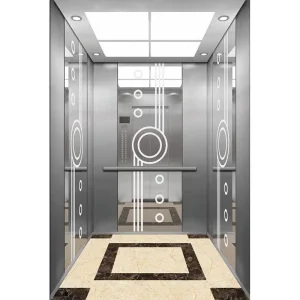
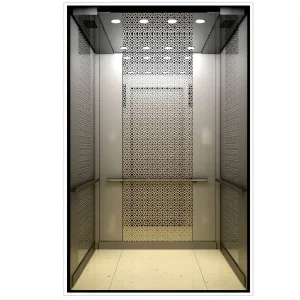
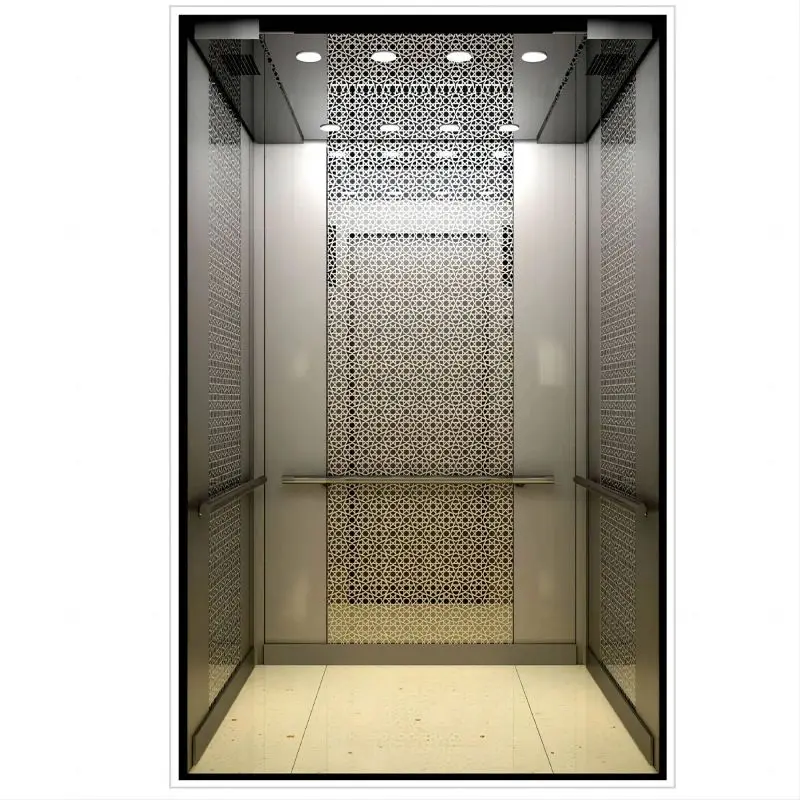
Yes, we provide extensive custom cabin finishes. Options include mirror-finish stainless steel, titanium-plated gold panels, panoramic safety glass walls, custom wood veneers, and integrated touch-screen COP (Car Operating Panels).
Traction MRL systems run on steel cables or poly-belts and a counterweight, offering higher speeds, smoother rides, and superior energy efficiency without hydraulic fluid. Hydraulic systems are well-suited for low-rise applications but require a dedicated pump room and regular fluid maintenance.
We supply complete technical documentation, step-by-step installation manuals, and wiring schematics with every elevator. Our engineers provide remote troubleshooting assistance, and we maintain a replacement parts inventory to support local service providers.
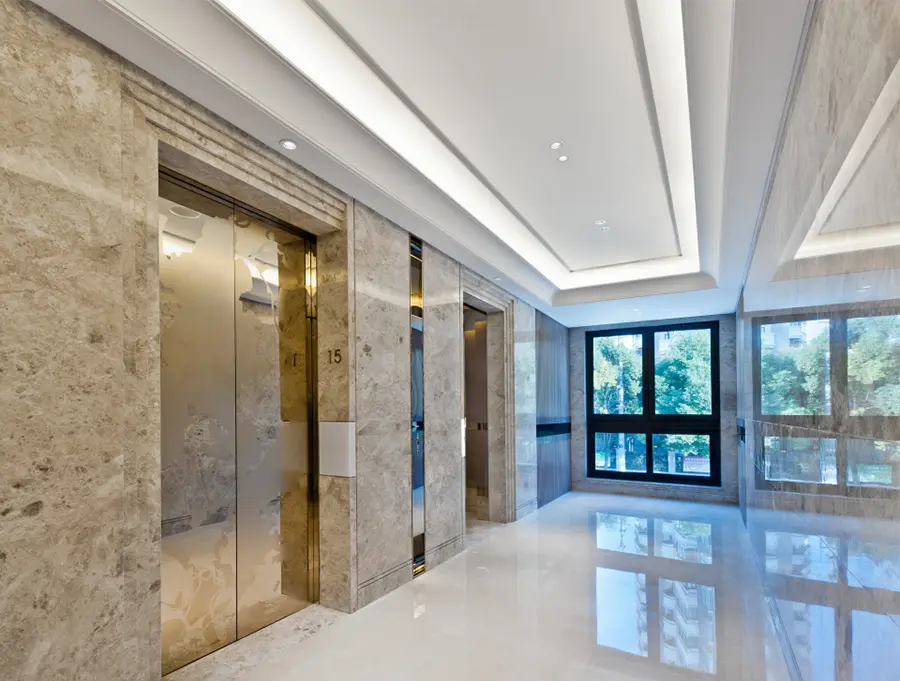
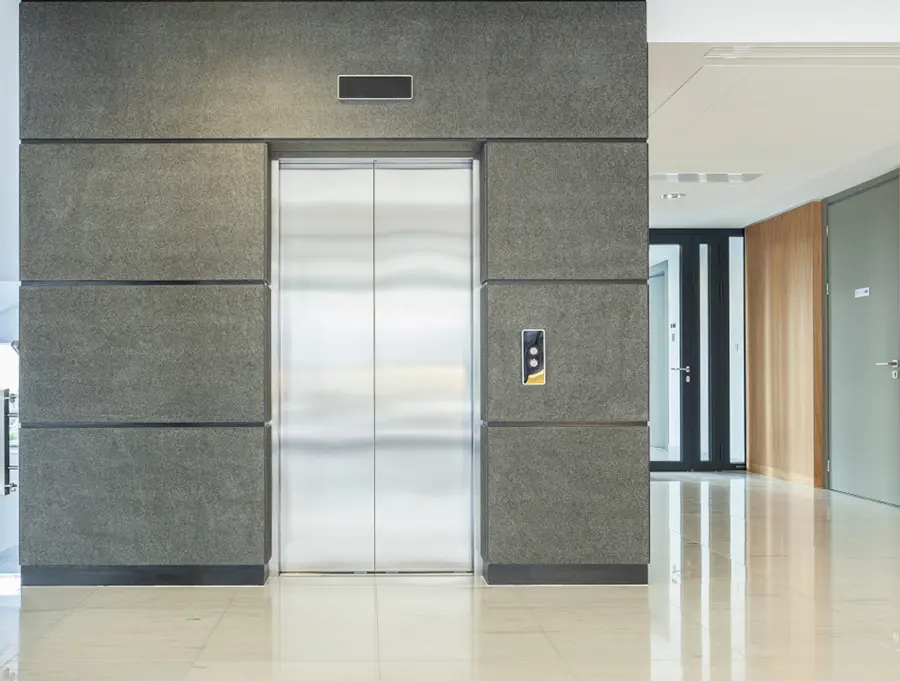
Explore some of our real-world installation projects deployed in prestigious residential developments worldwide.
Premium OEM assemblies, structural cabin options, and control systems for elevator service and production.
 Bluetech