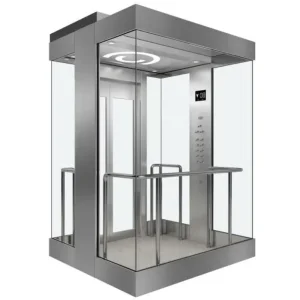
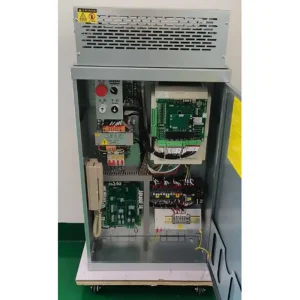
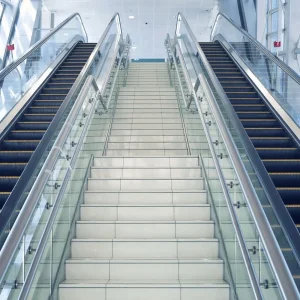
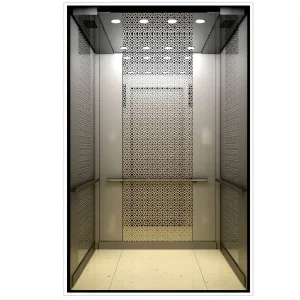
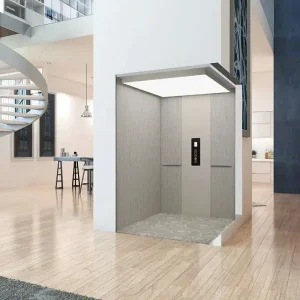
Explore our engineering-focused solutions, manufactured to the highest international safety standards.
A comprehensive study on vertical freight mechanics, architectural integration, and supply chain logistics.
In the era of smart manufacturing, hyper-scale warehousing, and urbanization, the efficiency of vertical logistics determines the throughput of entire enterprises. Modern industrial complexes can no longer rely on standard elevator systems. Instead, they require specialized, heavy-duty Goods Lifts (Freight Elevators) capable of transitioning load parameters ranging from 1,350 kg to over 5,000 kg. This whitepaper analyzes how high-performance materials, robust variable-frequency drives, and sophisticated control systems integrate to meet these challenges.
Across the globe, the rapid growth of e-commerce has led to multi-story fulfillment centers. This evolution highlights a critical challenge: minimizing transit time between sorting levels without compromising safety. Leading global markets in Europe, the Middle East, and Asia are setting strict metrics for durability, noise reduction, and structural resilience. Modern wholesale goods lift manufacturers must design equipment that thrives in these highly demanding operational landscapes.
For heavy cargo, choosing between hydraulic and traction drive technologies is the most critical decision in structural lift design:
Both architectures require advanced intelligent VF (Variable Frequency) control systems to manage acceleration and deceleration curves. This protects delicate cargo and prevents wear on mechanical components, such as guide shoes and gears.
Established in 2006 by a dedicated consortium of mechanical engineers and elevator specialists, Ningbo Bluetech Import & Export Co., Ltd. has spent nearly two decades positioning itself at the leading edge of vertical mobility. We cover a broad array of solutions including residential villas, passenger cars, high-load freight elevators, escalators, and precision electronic controllers.
All Bluetech brand systems are designed, manufactured, and rigorously tested in strict compliance with the latest EN-81 international standards. Our brand focuses on safety, high structural density, and competitive pricing, making our elevators highly sought after in domestic and overseas markets alike.
Working alongside the world's leading infrastructure developers and elevator corporations.
Our long-term partners include renowned international brands such as Mitsubishi Middle East and ThyssenKrupp Africa. We collaborate on new lift installations, building modernization projects, and maintenance systems. This collaborative approach keeps our design teams aligned with cutting-edge engineering standards.
By choosing Bluetech, customers gain access to a network of local support specialists, ensuring rapid response times, routine inspections, and a reliable supply of original replacement parts.
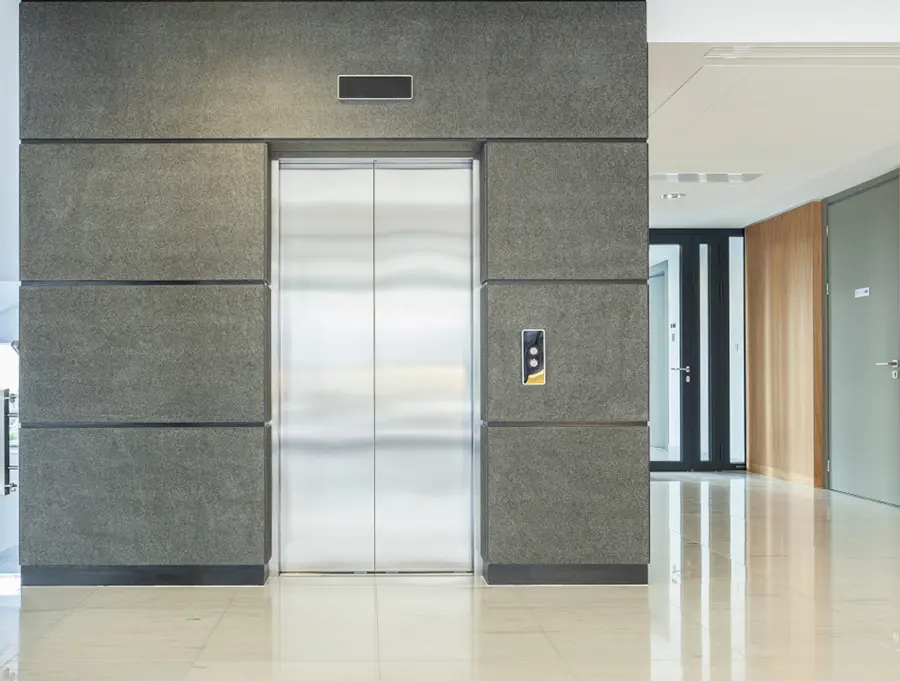
Integrating advanced technology, fast turnaround times, and structural safety.
We boast years of professional design experience, enabling us to engineer custom solutions for non-standard shafts, low overheads, or shallow pits.
We value open, efficient communication. Our technical support team provides comprehensive engineering proposals and responses within 12 hours.
Long-term relationships with component suppliers allow us to source high-grade raw materials efficiently, offering premium products at competitive rates.
Optimized manufacturing pipelines mean we can produce standard products in under 3 weeks. Urgent orders can be processed in as little as 2 weeks.
A key factor behind Bluetech's agility is our strategic location in Ningbo, one of China's premier industrial and shipping centers. This base provides direct access to high-grade steel, precision motor factories, and advanced electronics fabricators.
Our logistics and manufacturing operations rely on tightly integrated supply networks:
The future of vertical freight relies on smart building integration. Our ongoing R&D focuses on incorporating Internet of Things (IoT) sensors into our lift systems:
Predictive Maintenance: Real-time vibration sensors monitor guide rail friction, while thermal cameras track motor temperatures. These sensors send alerts through cloud dashboards before mechanical wear leads to unscheduled downtime.
Smart Energy Regeneration: Heavy-duty downward trips generate kinetic energy. Our regeneration systems capture this power and feed it back into the facility's electrical grid, reducing overall energy consumption by up to 30%.
Advanced Safety Protocols: In the event of a power outage, our battery-powered Emergency Rescue Device (ARD) automatically directs the lift to the nearest landing floor and opens the doors, ensuring passenger and operator safety.
Different operating environments require specific mechanical configurations to ensure safe, legal, and efficient performance:
Providing clear, engineering-backed answers to your technical and commercial queries.
Traction lifts use a system of counterweights and steel cables or belts. They offer higher travel speeds and unlimited travel heights, and they are highly energy-efficient. Hydraulic lifts use a fluid-driven piston. They are ideal for lower travel distances but excel at carrying extremely high loads, as the weight is transferred directly to the building's floor slab rather than the guide rails.
A Variable Voltage Variable Frequency (VVVF) drive adjusts motor speed by altering voltage and frequency dynamically. This ensures smooth acceleration and deceleration, preventing sudden shifts that could damage cargo. It also reduces starting current spikes, protecting components and saving energy.
All our elevator systems are designed, fabricated, and verified according to the European EN-81 safety code. For global compliance, we configure controllers and mechanical components to meet regional variants, including ASME standards for North America and CE directives for the European Union.
Our close integration with Ningbo's industrial ecosystem and our modular structural designs allow us to assemble and test products quickly. Standard freight and passenger lifts are completed in 3 weeks, and urgent custom orders can be accelerated to 2 weeks.
Explore our full product lineup, designed for durability, ease of maintenance, and high operational safety.
 Bluetech