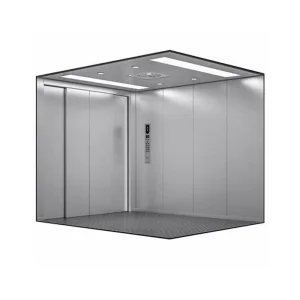
Wholesale Exterior Residential Elevator Manufacturer & Factory

Premium Outdoor Vertical Mobility Systems & Custom Structural Shaft Solutions Tailored for Worldwide Distribution and Real Estate Optimization.

Architectural Whitepaper: Global Evolution of Exterior Residential Elevators

The global luxury residential sector and low-rise urban developments are experiencing a structural shift toward smart, space-efficient architectural additions. Exterior residential elevators, once considered a niche accessibility option, are now prominent features of high-value properties. By relocating the elevator shaft to the exterior of the building, architects and real estate developers can maximize usable indoor space, bypass interior structural limitations, and introduce striking panoramic architectural elements. These outdoor systems require meticulous engineering, robust weatherproofing, and alignment with strict safety standards such as EN-81 and ASME A17.1.

1. Global Commercial and Industrial Status

The global market for exterior residential elevators is growing due to two main factors: aging urban populations requiring modern accessibility upgrades, and the rising valuation of high-end vertical villas. In regions like Western Europe, where historic preservation laws restrict changes to building interiors, exterior self-supporting shafts have become the standard solution for retrofitting elevators. In North America and the Asia-Pacific region, premium properties leverage outdoor panoramic elevators to improve property layouts and showcase scenic views.

Modern factories now design modular, prefabricated hoistways made from galvanized steel or high-grade aluminum alloys. These systems reduce on-site installation time from months to days, lowering labor costs and minimizing disruption to homeowners.

2. Technological Roadmap & Future Outlook

Exterior elevators operate in harsh conditions. Unlike indoor units, they are exposed to wide temperature fluctuations, rain, wind, and coastal air. Consequently, the technical roadmap for exterior lifts focuses on resilience and automation:

  • Thermal and Weather Resilience: Using specialized IP54 or IP65 rated electric components, weather-sealed hoistway doors, and double-glazed low-E glass to reduce heat inside the cabin.
  • Structural Steel Protection: Hoistways are hot-dip galvanized and powder-coated to prevent rust in high-humidity or coastal environments.
  • Smart IoT Integration: Modern systems use remote monitoring sensors to track component wear, door movements, and control systems, enabling predictive maintenance.
  • Regenerative Drives: Modern VVVF (Variable Voltage Variable Frequency) controllers reclaim kinetic energy during descent and feed it back into the household power grid.

3. Localized Application Scenarios

Exterior residential lifts adapt to different environments worldwide:

  • Coastal Properties (e.g., North American & Australian Coasts): Focuses on marine-grade SUS316 stainless steel components, rust-proof hardware, and wind-resistant glass panes that withstand storm winds up to Class 12.
  • High-Temperature Arid Regions (e.g., Middle East & Northern Africa): Features integrated shaft air conditioning, UV-blocking structural glass, and sand-proof door tracks.
  • Dense Urban Retrofits (e.g., Central Europe & Historical Cities): Employs minimal-footprint, self-supporting steel shafts anchored to the outer walls, avoiding the need for deep pits or extensive structural modifications to historic foundations.

4. Engineering & Macro-Industry Solutions

Choosing the right drive system is key to the performance of an exterior residential lift. Hydraulic systems are cost-effective for 2-3 stops, but they require a separate machine room and can experience oil viscosity changes in cold weather. Modern PM synchronous gearless traction drives, configured as Machine Roomless (MRL) systems, place the motor directly inside the shaft, saving space. MRL traction elevators offer smooth acceleration, precise floor leveling, and high energy efficiency, making them the preferred choice for premium multi-story exterior installations.

E-E-A-T Authority

Ningbo Bluetech has been designing and manufacturing premium vertical transit systems since 2006. With nearly two decades of industry experience, our products meet the latest EN-81 European elevator safety standards.

Global Network

We work with international elevator partners, including Mitsubishi Middle East and ThyssenKrupp Africa. Our products are exported to over 30 countries, such as Germany, Singapore, Saudi Arabia, the UAE, and Egypt.

Production Standards

Our systems feature intelligent VF control, automatic rescue systems (ARD), and energy-saving designs. Standard production orders are completed in 3 weeks, and urgent projects can be delivered in 2 weeks.

Company Profile & Manufacturing Excellence

Ningbo Bluetech Import & Export Co., Ltd. combines advanced technology with strict safety standards to deliver reliable vertical transportation.

Design power

We have years of professional design experience, that enable to provide best solution in special cases.

Quick response

BLUETECH respect both in cooperating and potential customers, and give reply or solution within 12 hours, no matter before sales or after sales.

Competitive price & Delivery

Through long-term supplier partnerships, we offer competitive pricing and complete production in 3 weeks, or 2 weeks for urgent requests.
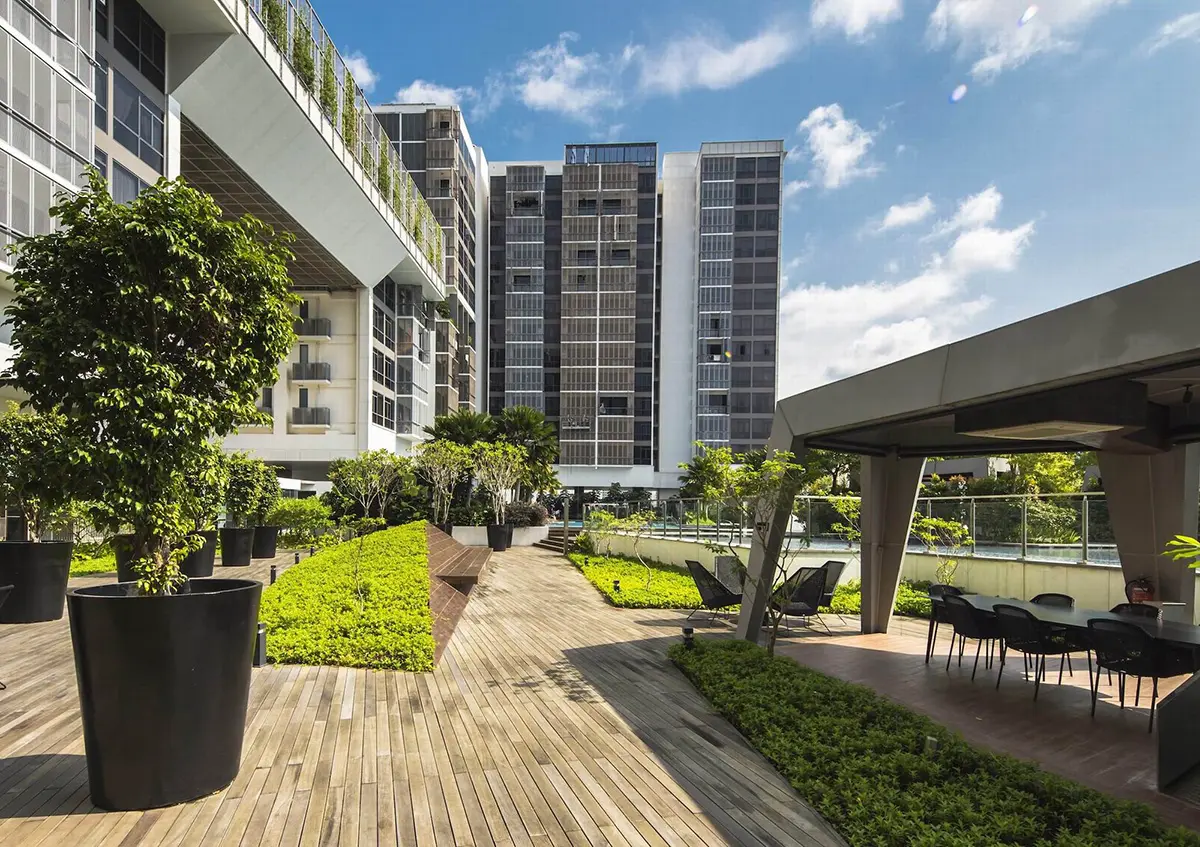
Ningbo Bluetech Partners

Our Global Partnerships

We collaborate with international elevator organizations, including Mitsubishi Middle East and ThyssenKrupp Africa, on new lift installations, modernization, and maintenance projects. Homeowners, builders, and developers rely on our team of industry specialists to deliver safe, high-performance vertical transportation solutions.

Ningbo Bluetech is committed to safety, quality, and long-term product durability.

2006
Established Year
20+
Years R&D Experience
80+
Patents Registered
30+
Exporting Countries

Technical Q&A: Exterior Elevators

Expert answers to common technical, structural, and safety questions about exterior residential elevators.

How do you protect exterior elevators from rain, snow, and moisture?
Exterior residential elevators use weather-sealed car assemblies, IP54 or IP65 rated limit switches, and moisture-protected electrical wiring. Hoistway structures are built using hot-dip galvanized steel or treated aluminum profiles to prevent rust and corrosion over decades of exposure to the elements.
What foundation and structural engineering are required for installation?
An exterior residential lift requires a concrete slab foundation designed to bear the total vertical load of the shaft, cabin, and mechanical components. The hoistway must be anchored to the building's load-bearing walls at regular vertical intervals, specified by structural engineers based on local wind load requirements.
Can glass observation shafts be installed in hot climates?
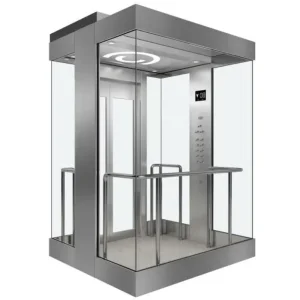
Yes, glass shafts in hot climates use double-glazed, laminated safety glass treated with low-emissivity (low-E) and UV-resistant coatings. This reduces solar heat gain inside the shaft. Additionally, dedicated ventilation systems or shaft air conditioners can be installed to maintain a comfortable cabin temperature.
What is the standard manufacturing lead time for custom configurations?
Our standard manufacturing and verification cycle is 3 weeks from structural drawing sign-off to container loading. For urgent project phases, we can fast-track production to 2 weeks by leveraging our optimized component manufacturing network.

Global Project Deployments

From custom residential retrofits to modern hotel installations, our engineering teams deliver reliable vertical mobility solutions.
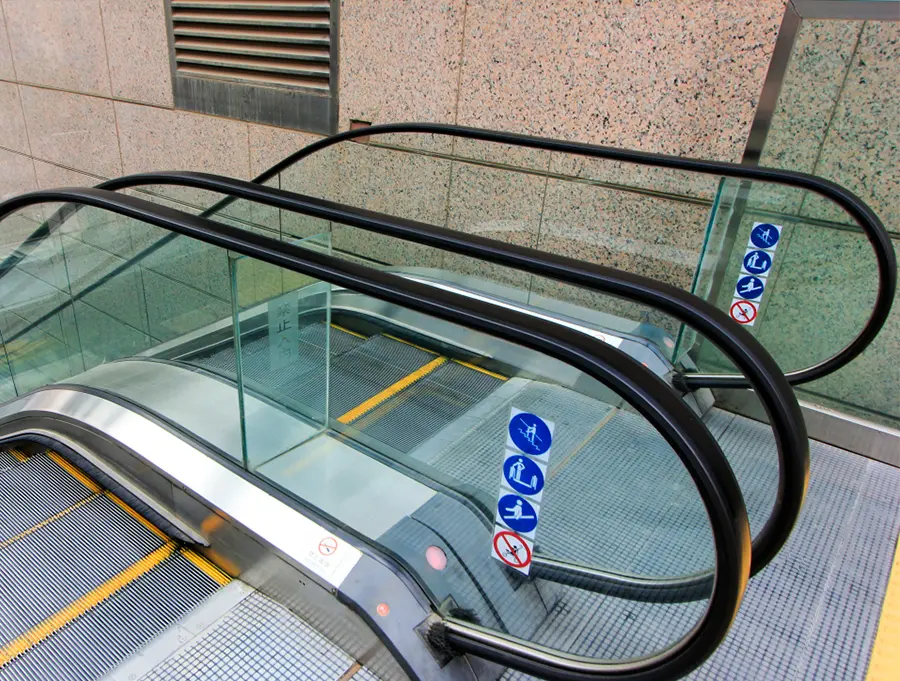
ACE hotel Lift Installation
ACE Hotel Modernization Project - Case A

Integration of high-load traction systems within architectural designs.
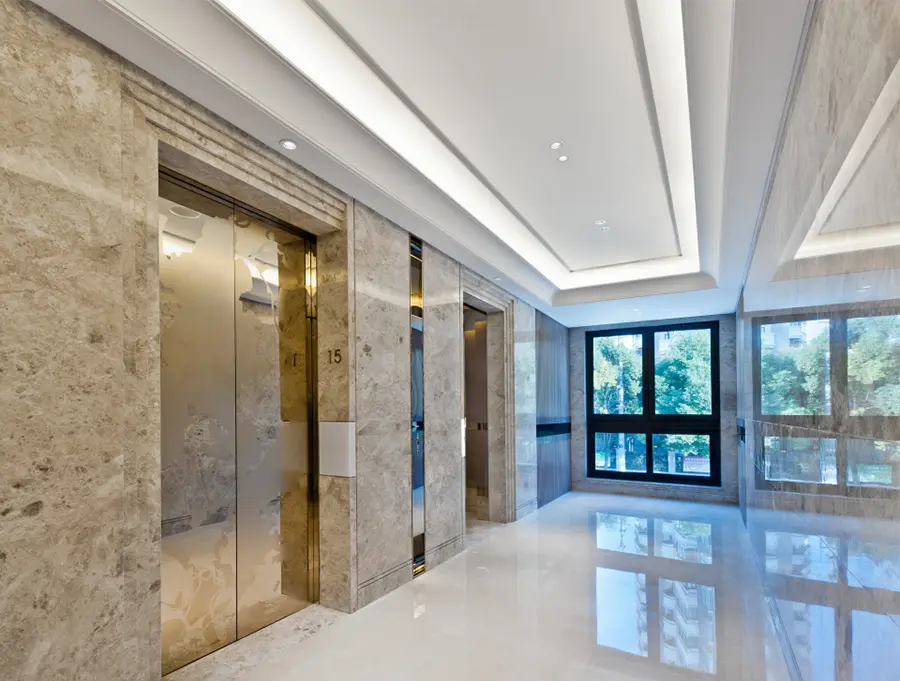
ACE hotel Elevators
ACE Hotel Modernization Project - Case B

Robust hoistway engineering to match historical building facades.
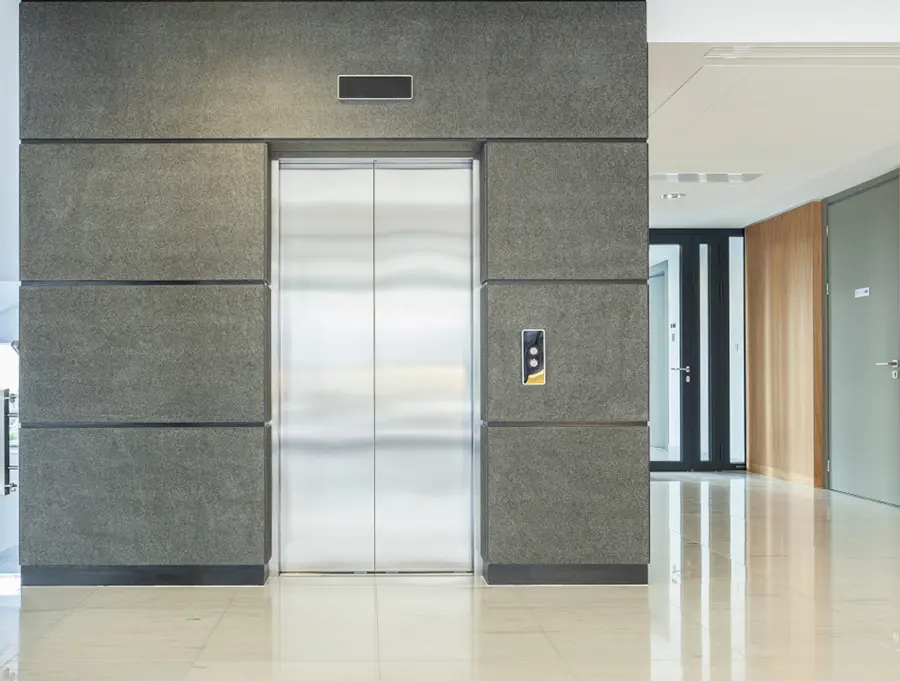
ACE hotel Lift Shaft
ACE Hotel Modernization Project - Case C

Structural glass installations designed to withstand local wind loads.