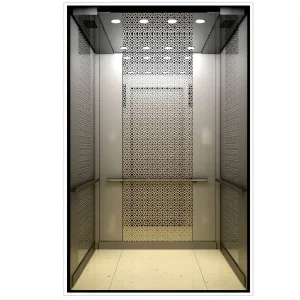
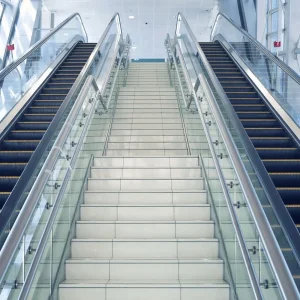
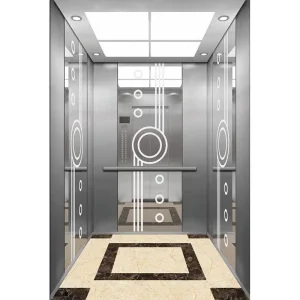
Explore our elite range of elevators, escalator setups, and custom-engineered cabin parts designed to fit heavy-duty commercial and residential projects.
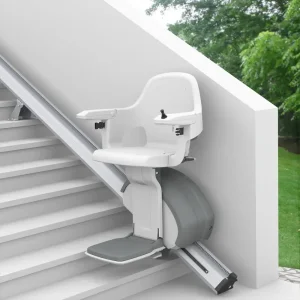
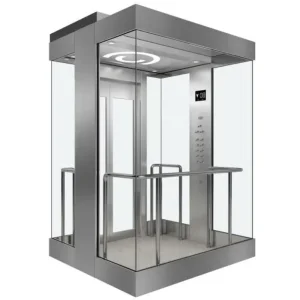
Modern architectural structures demand seamless horizontal and vertical pedestrian traffic routing solutions to minimize congestion and maximize mobility.
Urbanization across major continents—from fast-expanding metropolitan centers in Asia and the Middle East to structural upgrades in European transit routes—has heightened the demand for durable vertical transport. High-occupancy structures such as complex subways, international air hubs, massive shopping complexes, and industrial warehouses require robust, high-performance escalators and moving walkways.
Modern high-capacity escalators act as vital infrastructure links rather than simple mechanical steps. Building planners must analyze peak occupant loads, continuous running durability, and environmental hazards (such as exposure to moisture, dust, and temperature shifts) before procuring units. Safety-certified passenger flow designs reduce traffic bottlenecks, facilitating safe transition across varied transit levels.
Modern installations strictly operate under guidelines like EN 115 (Safety of escalators and moving walks) and ASME A17.1. Manufacturers must run structural checks on mechanical elements like chain drives, step bands, comb plates, and drive motors to guarantee public safety.
Every system built by top manufacturers integrates emergency dynamic braking, handrail monitoring, and multi-sensor emergency stop switches to counter operational risks immediately.
Harnessing advanced industrial supply chains, robot-assisted assembly lines, and efficient raw material sourcing for global distribution.
China is a global leader in elevator and escalator manufacturing. Regions like Zhejiang and Jiangsu host specialized industrial ecosystems where raw steel processing, gear engineering, microprocessor programming, and safety testing are integrated in close proximity.
This concentrated ecosystem allows factories to rapidly test and construct customized products. Custom step widths, structural inclines, and speed ratings are designed, built, and tested in fraction of the time required by traditional regional plants.
Additionally, high automation in metal fabrication, computerized component testing, and bulk steel procurement optimize manufacturing costs without compromising quality standards.
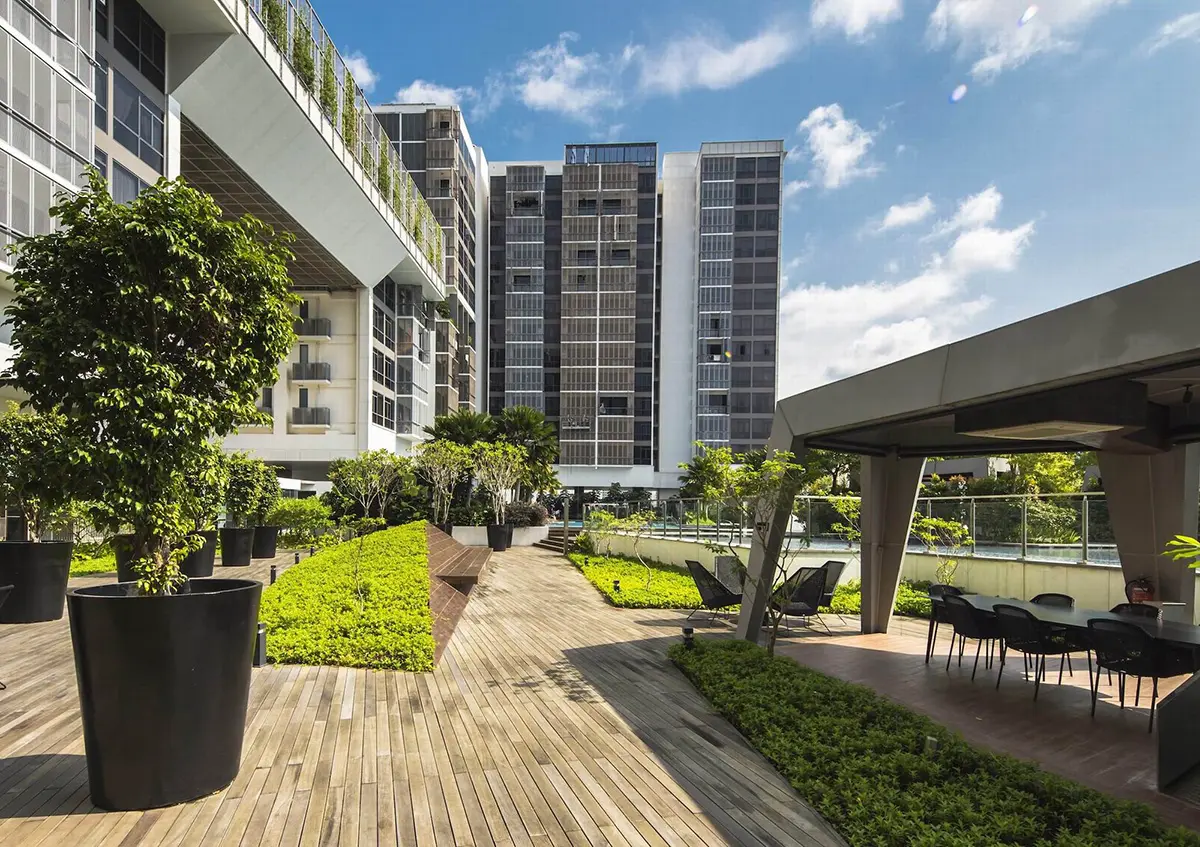
Established in 2006, Ningbo Bluetech Import & Export Co., Ltd. has developed specialized transit and vertical lift systems for architectural projects worldwide.
Ningbo Bluetech serves as a manufacturing and modernization partner for international transport projects. We collaborate on new installations, component retrofits, and maintenance projects with global operators, including Mitsubishi Middle East and ThyssenKrupp Africa.
Our worldwide presence spans destinations including Singapore, Thailand, Saudi Arabia, the UAE, Germany, Egypt, Ethiopia, and Nigeria. This global footprint proves our engineering reliability across varying climates and operational conditions.
Ningbo Bluetech balances aesthetic styling with structural durability. Using human-centered designs, our engineering teams select premium components to deliver reliable, long-lasting performance for all product lines.
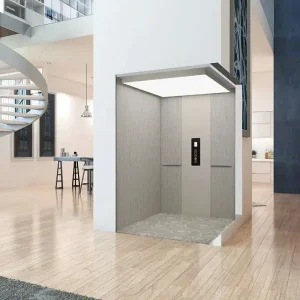
From custom villa lifts to heavy-duty industrial freight systems, we deliver certified products that balance safety, durability, and cost-efficiency.
Our vertical transport systems integrate advanced safety and automation technologies for optimized operations.
Variable Frequency (VF) speed controllers adjust escalator speeds during low-traffic periods, reducing energy usage and mechanical wear.
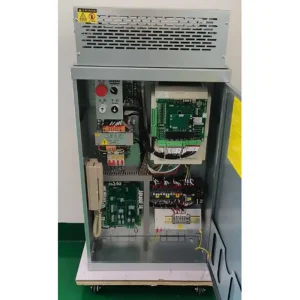
Auxiliary emergency rescue devices automatically guide lift cabins to the nearest landing during power supply disruptions, preventing passenger entrapment.
Regenerative drive modules capture excess gravitational energy from descending loads and convert it back into electrical power for the building grid.
Our vertical transport systems are customized to match specific commercial, industrial, and residential environmental requirements.
Designed for continuous outdoor operation in airports, railways, and subway stations. These heavy-duty installations feature waterproof mechanics, robust metal trusses, and high-capacity components capable of managing constant passenger traffic.
Tailored for retail centers, corporate towers, and showrooms. These models offer silent operation, customizable safety glass finishes, under-step LED lighting, and streamlined balustrades to integrate with modern commercial architecture.
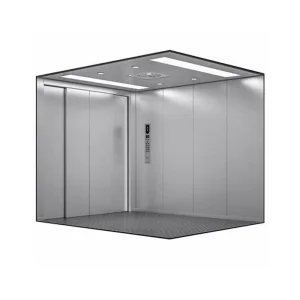
Heavy-duty freight elevators designed to transport goods between storage levels. Equipped with reinforced doors, impact-resistant structures, and high load capacities ranging from 1,350 kg to 5,000 kg.
Technological shifts driving efficiency, sustainability, and automated diagnostics in the vertical transport industry.
Modern escalators and lifts are evolving into smart, connected devices. IoT sensors monitor motor temperatures, step alignment, and handrail friction in real-time, allowing operators to address potential issues before mechanical downtime occurs.
Ningbo Bluetech integrates microprocessors compatible with smart building management systems (BEMS) to enable remote monitoring and status reporting.
Green building certifications like LEED require energy-efficient transport components. Eco-conscious builders prioritize systems featuring LED lighting, micro-lubrication lines that reduce oil consumption, and regenerative braking.
Incorporating light-weight composite materials in step construction also reduces mechanical drag, lowering energy requirements during startup and continuous operation.
A practical checklist for architects, construction procurement managers, and developers sourcing vertical transport equipment.
Selecting an escalator or elevator supplier requires evaluating several technical and operational factors:
Verify the product has valid certifications matching localized laws (e.g., EN-81 for elevators, EN-115 for escalators).
Ensure the factory can adjust dimensions, structural inclines (e.g., 30° vs 35°), step widths, and motor positions.
Review delivery lead times. Ningbo Bluetech offers standard 3-week lead times, with expedited 2-week production for urgent requirements.
Confirm the supplier provides 12-hour response times, technical documentation, installation guides, and replacement parts.
We apply advanced technologies, including intelligent VF control and emergency rescue systems, to ensure reliable, high-quality operations.
Our years of professional design experience enable us to deliver customized solutions for complex architectural layouts.
We provide technical replies and proposed engineering designs within 12 hours for both active and prospective projects.
We leverage long-term material suppliers and efficient purchasing processes to deliver competitive pricing without sacrificing safety.
Our standard manufacturing processes complete in 3 weeks, with 2-week expedited delivery available for urgent project schedules.
Our engineering teams collaborate with clients worldwide to deliver vertical transportation systems tailored to local building layouts.
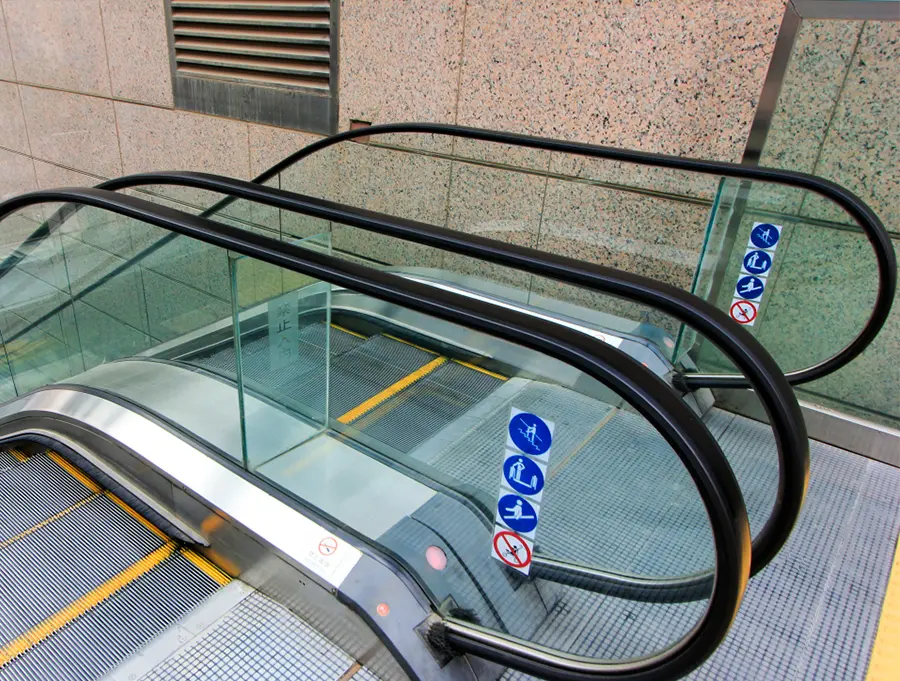


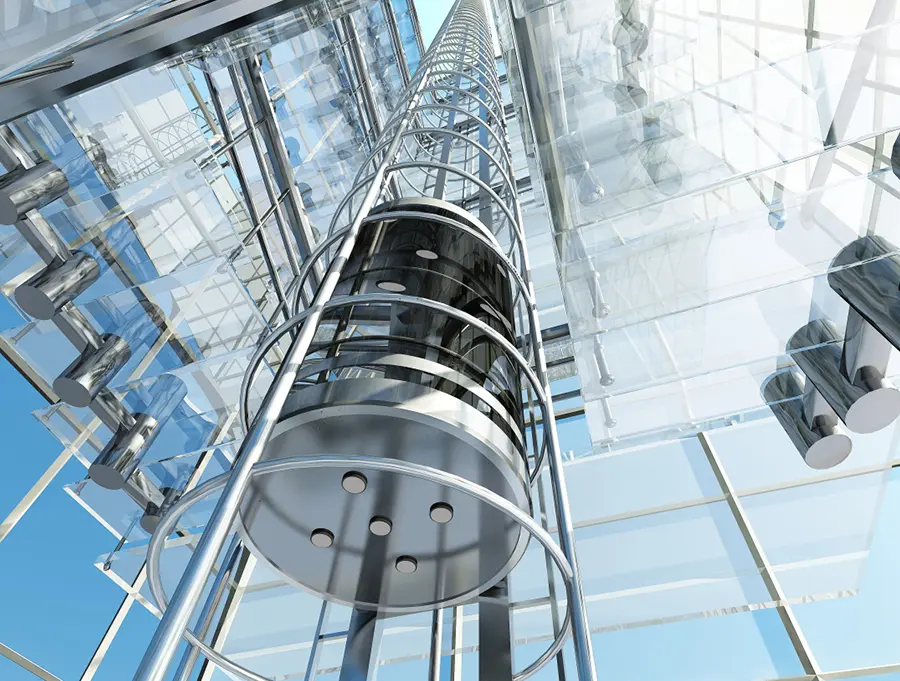
Answers to key engineering, procurement, and regulatory questions from developers and building engineers.
Browse our selection of heavy-duty freight elevators, passenger lifts, and replacement components for modernization projects.
 Bluetech