Our track record of excellence and our long list of satisfied clients speak to our commitment to quality, innovation, and customer satisfaction.
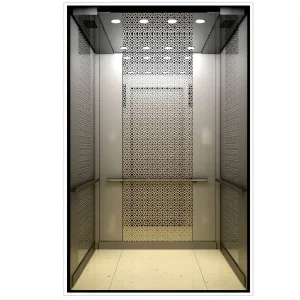
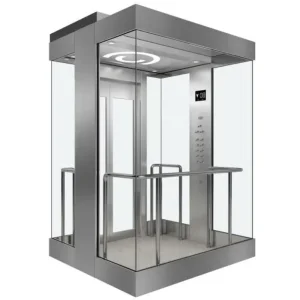
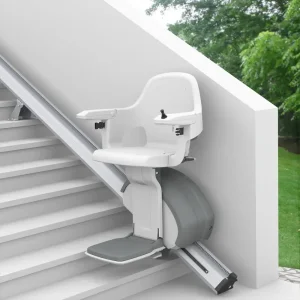
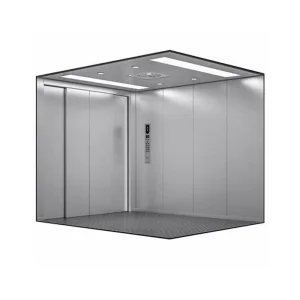
NINGBO BLUETECH, established by a group of specialists in 2006, is dedicated to elevators and escalators with nearly 20 years of professional industry experience. Through decades of developing and researching, NINGBO BLUETECH has become widely recognized for its excellent quality and top-tier service. Our solutions span home elevators, passenger elevators, sightseeing elevators, freight elevators, and dumbwaiters. All products are designed and produced under the latest EN-81 standard.
With a philosophy centered on humanized design and prioritizing high safety and reliability, BLUETECH brand products are highly marketable due to their exceptional quality and reasonable pricing. We do not only serve the domestic market, but have also successfully exported to more than 30 countries and regions worldwide, including Singapore, Thailand, Saudi Arabia, UAE, Germany, Egypt, Ethiopia, Nigeria, and beyond.
We integrate advanced technological ecosystems into our product line. Our platforms feature intelligent variable frequency (VF) control systems, automatic emergency rescue mechanisms, and energy-saving regenerative feedback systems. These robust designs ensure BLUETECH operations are smooth, safe, and highly efficient.
Our global partners include leading international elevator companies, such as Mitsubishi Middle East and ThyssenKrupp Africa. We collaborate on new installations, system modernizations, and large-scale maintenance projects. When you choose NINGBO BLUETECH, you partner with a network of dedicated industry experts delivering top-tier engineering solutions.
In summary, NINGBO BLUETECH is the go-to partner for complex vertical transportation challenges. Our long record of project success demonstrates our commitment to design safety, quality assurance, and sustainable manufacturing practices.
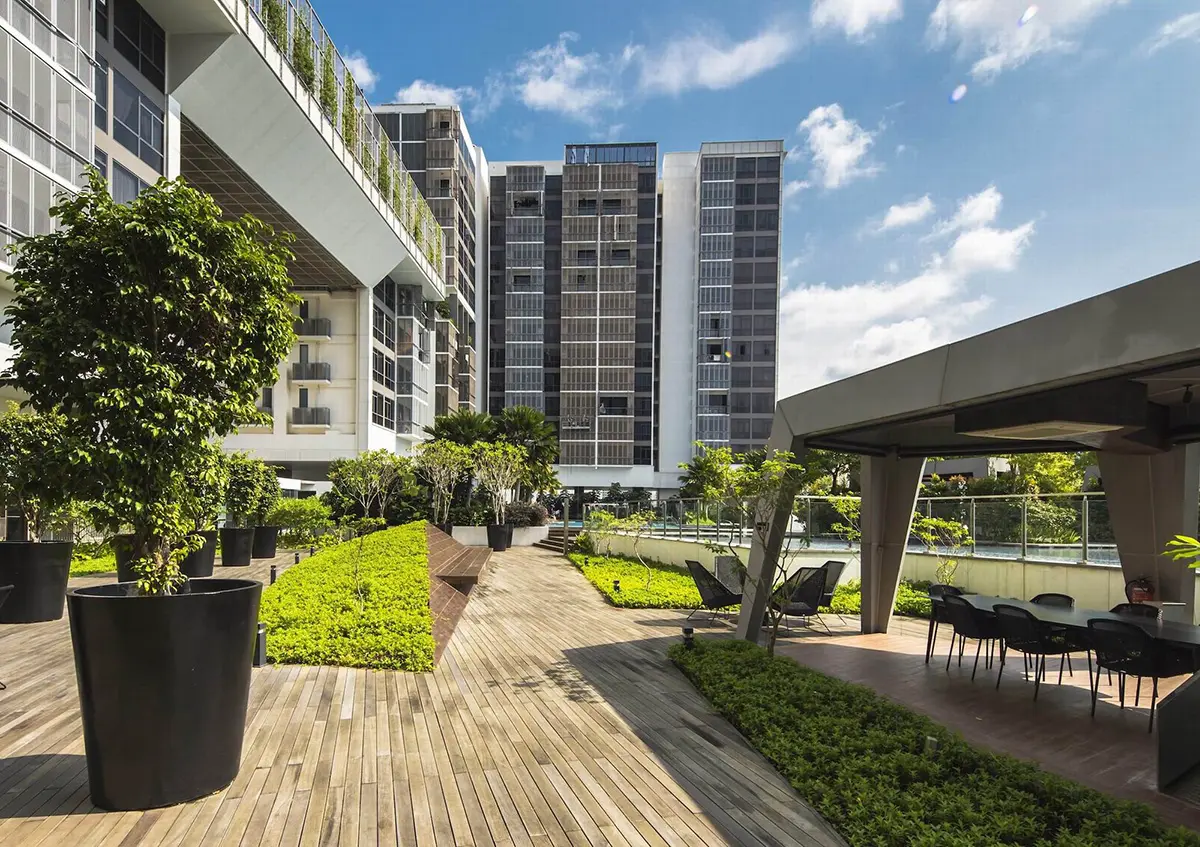
How Ningbo Bluetech delivers unparalleled technical and commercial support to international distributors, developers, and consultants.
Our engineering division brings decades of experience to bear on complex projects. We specialize in designing customized configurations for architectural spaces that present structural or space challenges, ensuring safe, fully compliant installations.
We value active engagement with our partners and prospects. Our technical support and sales teams are committed to delivering detailed replies, design reviews, and engineering solutions within 12 hours of receiving inquiries.
Leveraging long-term supply chain partnerships and a highly optimized purchasing process, NINGBO BLUETECH delivers premium, high-specification products at competitive price points.
Standard systems can be manufactured and readied for dispatch within 3 weeks, with urgent project needs accommodated on an accelerated 2-week turnaround timeline.
Curved or spiral escalators represent the absolute pinnacle of mechanical and aesthetic vertical transportation engineering. Unlike standard linear escalators, which rely on uniform linear forces and standard horizontal step chains, curved escalators must navigate continuous, three-dimensional spatial curves. This requires complex adjustments for varying linear speeds between the inner and outer paths of the steps, alongside three-dimensional torsion control for the drive chains.
The production of curved escalators demands highly specialized machinery. Chinese manufacturing centers leverage advanced CNC machinery, custom heavy-duty pipe-bending facilities, and precision robotic laser welding systems. Trusses for curved escalators must be engineered with absolute dimensional stability to manage non-linear structural loads. The integrated supply chain in China allows factories to source high-grade structural steels, specialized alloy step guides, and variable radius handrail profiles under tight quality controls, keeping production cycles efficient and costs competitive.
Before dispatch, curved escalators undergo extensive dynamic testing in purpose-built verification towers. Since curved escalators must operate with high structural stability, every component—including steps, step chains, guide rollers, and drive motors—is subjected to continuous load testing. Chinese factories leverage these state-of-the-art testing facilities to simulate years of heavy-duty operation. This proactive quality control ensures that units arrive at project sites ready for installation, reducing on-site adjustment times and preventing operational downtime.
Modern architectural movements are driving vertical transportation toward bold, organic designs. The curved escalator has evolved from a rare design choice into a functional centerpiece for high-traffic public spaces.
Variable Frequency Drives (VFD) paired with optical passenger sensors allow curved escalators to run at low idle speeds during quiet periods, reducing energy usage by up to 60% and lowering structural wear.
Modern curved escalators feature integrated IoT sensor arrays that continuously monitor temperature, vibration, chain tension, and handrail alignment, sending maintenance alerts before issues arise.
LED dynamic under-step lighting, glowing balustrades, and interactive skirt-panel lighting systems turn curved escalators into visually striking installations, enhancing building aesthetics and passenger safety.
For high-traffic transit hubs, convention centers, and shopping malls, pedestrian traffic management is critical. Curved escalators offer a unique solution by naturally guiding pedestrian flow in a circular pattern, which helps prevent bottlenecks at boarding zones. When integrated into multi-level atriums, they improve visibility across different floors, encouraging foot traffic to explore higher levels and enhancing the commercial value of retail environments.
Standard escalators are restricted to linear pathways. In contrast, our engineering division calculates custom outer and inner radii to match the architectural arc of your property. We balance structural capacity, safety code compliance, and aesthetic appeal to ensure that the escalator integrates seamlessly with the surrounding structural elements.
Understanding how localized conditions affect procurement specifications is essential for a successful international installation.
For high-end retail projects, aesthetics are a primary focus. Curved escalators are typically ordered with custom cladding (such as mirror-finished stainless steel or custom glass panels), structural underlight systems, and quiet drive setups to maintain a premium shopping experience.
In high-traffic environments like train stations, airports, and exhibition centers, performance and reliability are paramount. These escalators are configured with heavy-duty drive systems, wear-resistant step rollers, and comprehensive safety features to handle continuous passenger loads.
Museums and cultural institutions often use curved escalators to complement artistic structural elements. In these projects, the escalator design is customized to blend with the interior architecture, serving as a functional, sculptured piece.
Procuring curved escalators internationally requires close alignment between architectural plans and manufacturing specifications. Global buyers should prioritize the following key parameters:
Our engineering team collaborates with clients across international offices. Our mission is to deliver innovative design solutions and robust performance on every project, combining client design guidelines with technical feasibility.
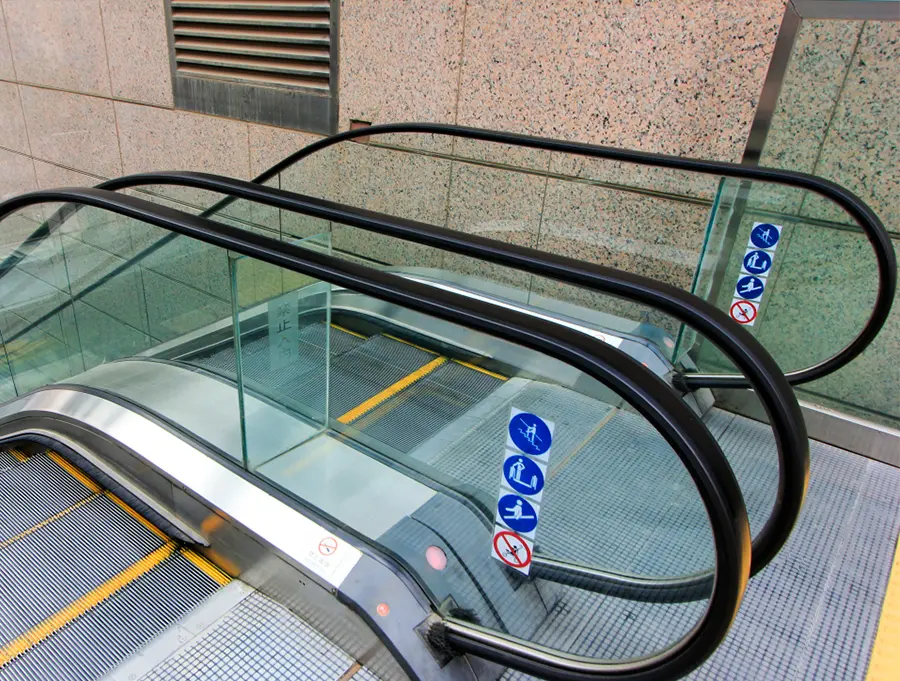
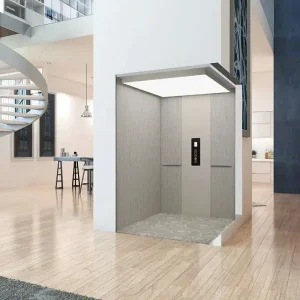
High-end interior elevator installation characterized by modern finishes, smooth operation, and architectural integration.
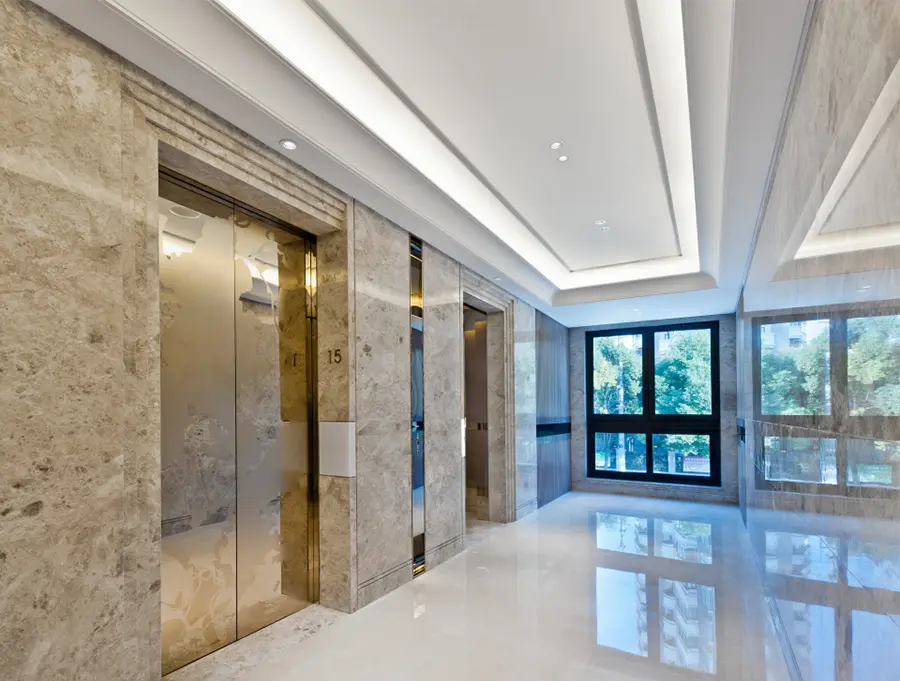
Showcasing vertical passenger solutions integrated into architectural spaces with complex structural constraints.
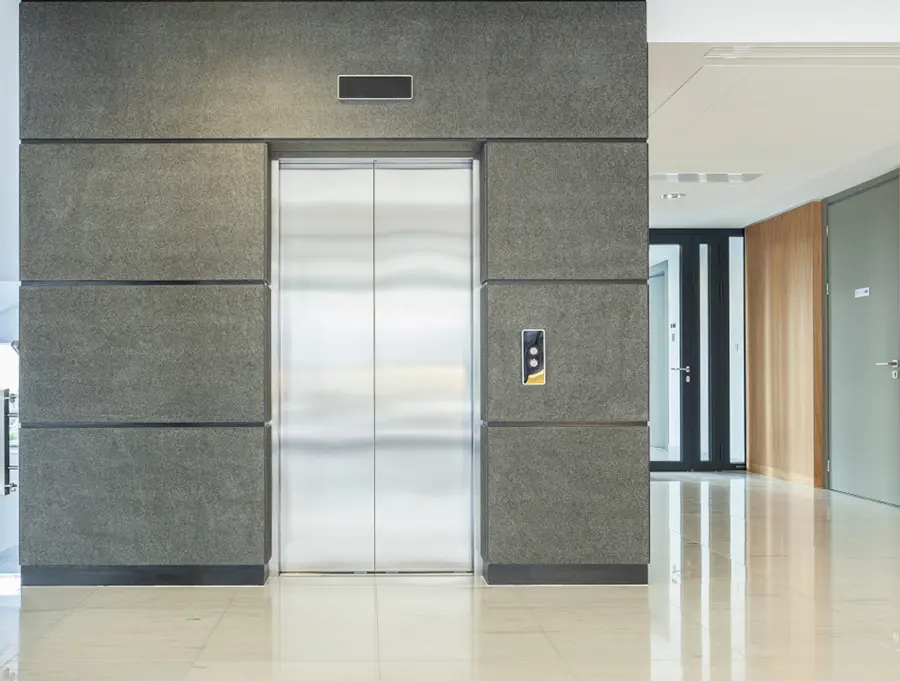
Heavy-duty passenger flow solutions configured for durability and performance in high-traffic settings.
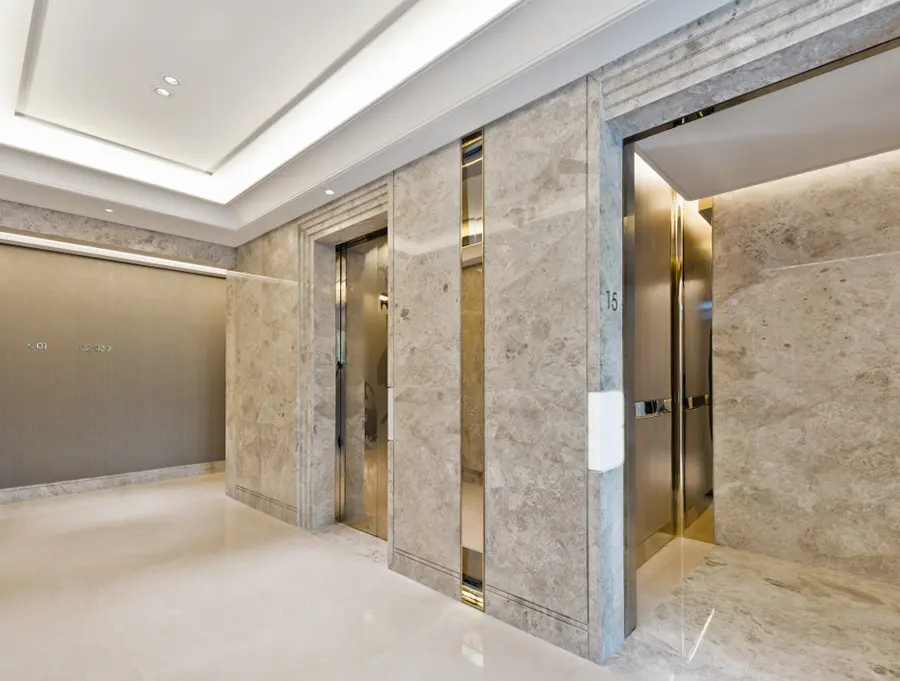
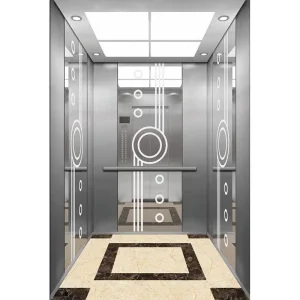
Custom-engineered lifts designed to enhance building interior aesthetics while maintaining safety standards.
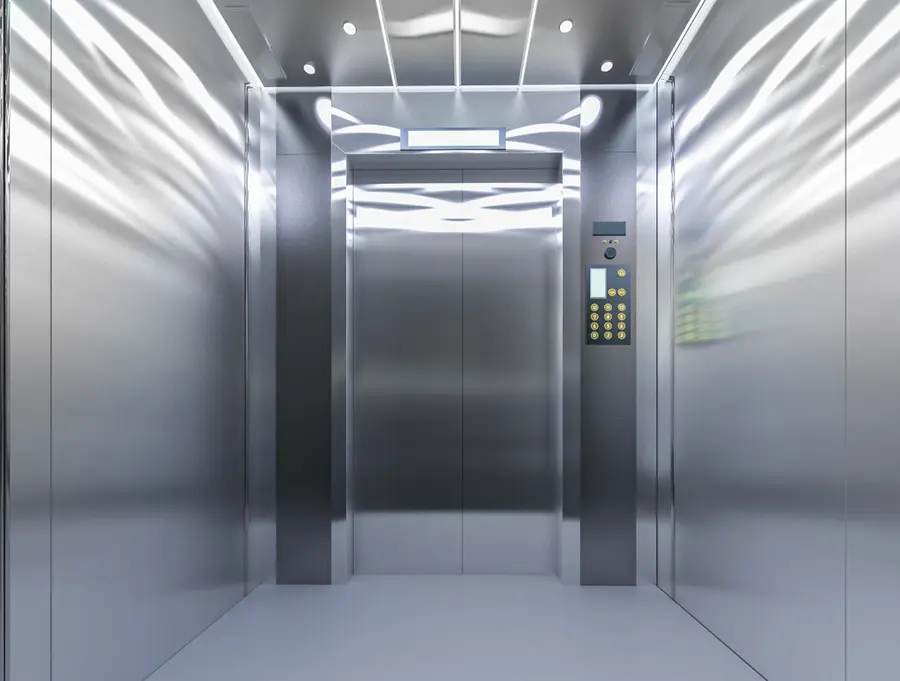
Sustainable energy-regenerating lift systems engineered for reduced energy consumption and reliable daily use.
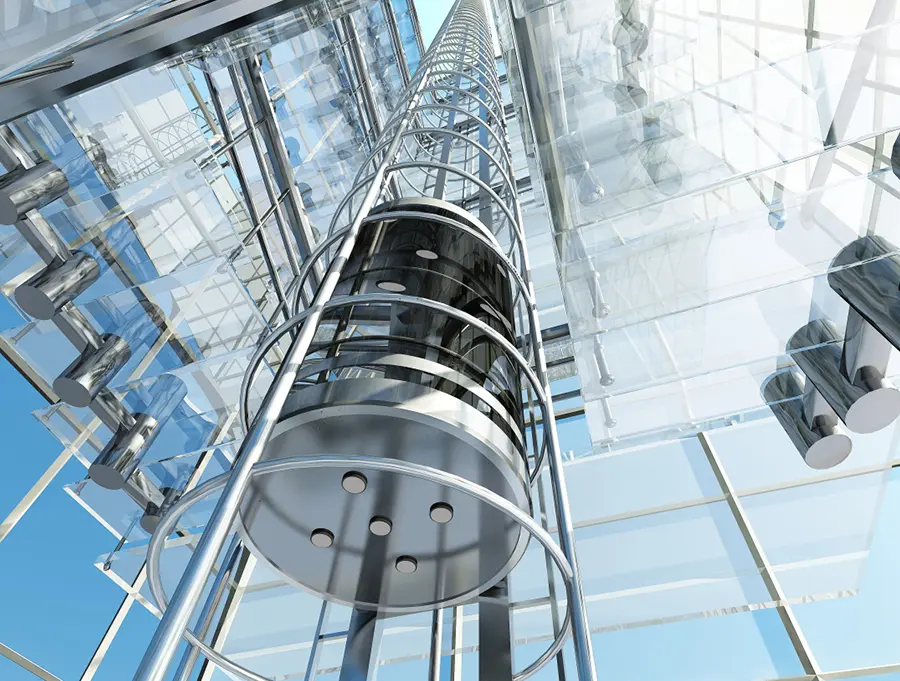
Custom mechanical design and structural configurations tailored for challenging industrial and commercial projects.
Find answers to key technical, structural, and logistical questions regarding the manufacturing and installation of curved escalators.
 Bluetech