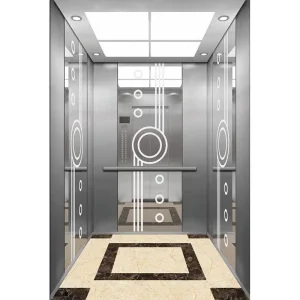
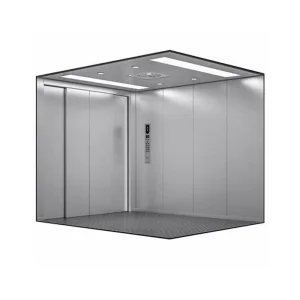
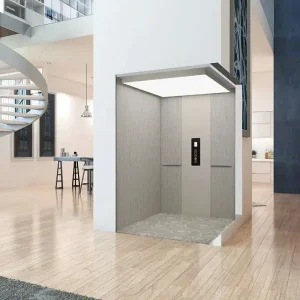
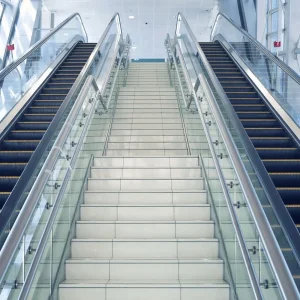
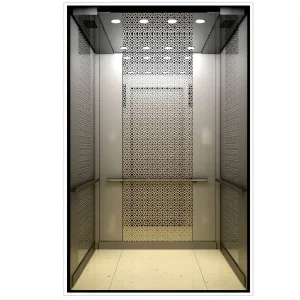
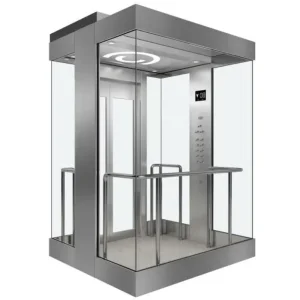
Explore our elite range of heavy-duty escalators, specialized cabins, control modules, and residential lifting systems.
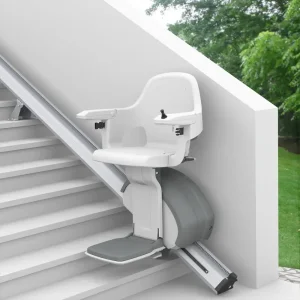
The global infrastructure landscape is undergoing a massive paradigm shift. As urban centers transform into high-density megacities, the demand for efficient, uninterrupted, and safe vertical transit systems has escalated. Escalator construction is no longer treated as a simple architectural add-on; it is a critical pillar of transit transit planning and heavy-load passenger distribution networks worldwide.
Estimates indicate that the global market for escalators and moving walkways will reach substantial values, driven by expansion projects in railway stations, metro systems, international airports, and retail complexes. Modern escalator construction requires strict adherence to international safety codes (such as EN-81-20/50 and GB16899) and expects the integration of structural steelwork, precision drive mechanisms, and real-time electronic safety circuits.
For international developers, engineering heads, and wholesale procurement managers, identifying the right wholesale escalator supplier is vital. Choosing the right supplier bridges the gap between theoretical transit capacity and operational reliability, minimizing downtime while delivering outstanding cost-to-performance metrics throughout the product lifecycle.
A breakdown of structural components, electronics, and safety systems that ensure heavy-duty operation.
The structural backbone of the escalator consists of a rectangular steel space-frame truss. Constructed with high-strength structural steel channels and angles, it undergoes anti-rust thermal zinc spray treatment. Welds are monitored by ultrasonic testing to limit structural deflection within 1/750th to 1/1000th of the span distance, ensuring absolute rigidity under maximum crowd loads.
Power is transmitted through a specialized VVVF (Variable Voltage Variable Frequency) induction motor coupled to a high-precision helical or worm gear reducer. In high-traffic scenarios, high-efficiency planetary gearboxes are deployed to reduce energy loss by 15-20%. The drive systems incorporate dual electromagnetic block brakes and mechanical auxiliary brakes directly mounted to the main drive shaft.
Steps are manufactured from die-cast aluminum alloys or high-durability cold-rolled stainless steel. Steps glide on polyurethane-jacketed rollers containing sealed ball bearings. They are interlinked by high-tensile step chains with induction-hardened pins. This configuration minimizes noise levels below 55 decibels and reduces mechanical friction during operation.
Founded by a specialized engineering panel in 2006, Ningbo Bluetech has developed into an industry-leading vertical transit designer and exporter with nearly 20 years of research and development experience.
All systems are designed, fabricated, and rigorously tested under the strict EN-81 standard framework. Combining robust structural integrity with optimized layouts, Bluetech supplies solutions globally, with systems operating in over 30 countries and regions including Germany, Saudi Arabia, the UAE, Singapore, Thailand, Egypt, and Nigeria.
China's industrial capacity in vertical transit manufacturing is unrivaled. The Yangtze River Delta region forms a specialized industrial cluster, housing raw material processing, motor production, precision stamping, and electronic control design within a 150-kilometer radius.
This geographic consolidation generates immense efficiency benefits:
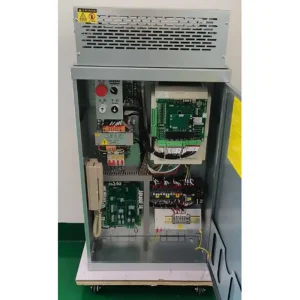
Ningbo Bluetech coordinates these regional supply advantages, deploying advanced control panels, emergency rescue systems, and energy regeneration components directly into the manufacturing process to deliver reliable systems at competitive prices.
Escalators must be custom-configured to withstand specific environment types, environmental variables, and human traffic profiles.
Metros and airport terminals run continuously for 20+ hours a day under variable loads. These heavy-duty configurations employ class-A outdoor specifications: IP55 dynamic motors, variable frequency drives (VFDs) for soft starts, rust-proof components, and dynamic oil pumps to minimize mechanical failures.
For shopping centers, the aesthetic design is as important as function. Slim glass balustrades, under-step LED illumination, dynamic handrail lighting, and silent operations are standard. Smart sensors scan for passenger flow to toggle standby speed states, lowering power draw.
Exposed overpasses and outdoor systems require climate protection. This includes structural components with hot-dip galvanized steel frames, integrated water drain systems, oil-water separators, stainless steel steps with deep non-slip grooves, and heating units for sub-zero operations.
Modern escalator engineering integrates advanced sensing networks and computational diagnostics to transition from reactive maintenance to intelligent operations.
Key technologies driving current designs include:
By positioning vibration sensors, thermal couplers, and optical encoders throughout the escalator structure, the control system continuously gathers data on step chain tension, motor temperatures, and gear backlashes. Algorithms process these telemetry patterns, flagging minor anomalies for preventative maintenance long before an operational failure occurs.
Variable frequency control allows escalators to scale operation speeds based on foot traffic. When no passengers are detected, the system transitions to a low-energy standby speed, and ramps up smoothly when a passenger approaches. This approach cuts down on wear and tear while reducing electricity usage by up to 40%.
For heavy down-running passenger traffic or when running empty, gravity drives the motor, turning it into a generator. Regenerative braking drives convert this kinetic energy into electrical energy, filtering it back into the local building grid, which reduces overall facility utility bills.
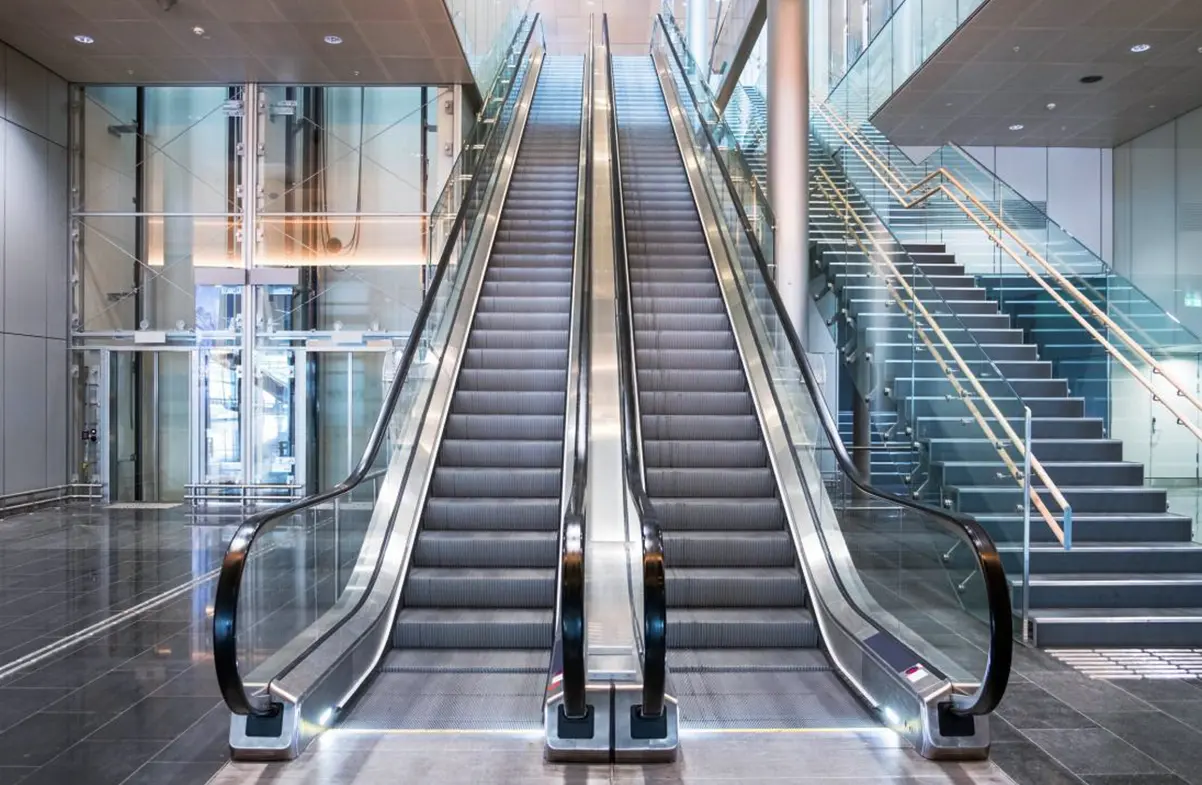
Key steps to minimize risk, guarantee regulatory compliance, and optimize supply timelines during large-scale procurements.
Verify height restrictions, structure openings, floor elevations, and angle specifications (30° or 35° options based on space limits).
Ensure code requirements comply with EN-81, GB16899, ASME A17.1, or local certifications to clear import and safety inspections.
Review raw material mill certificates, welding radiographs, dynamic test tower logs, and safety link validation tests.
Pre-plan shipping logistics, packaging layouts, anti-corrosion sealing, and prepare on-site assembly guides for field engineers.
Expert technical insights regarding escalator construction, factory compliance, and maintenance protocols.
Review our complete selection of commercial lifts, freight systems, and elevator structural assemblies.
 Bluetech