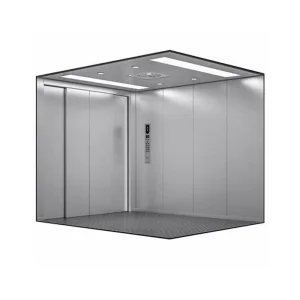
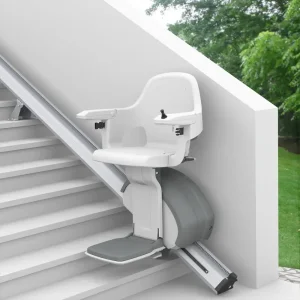
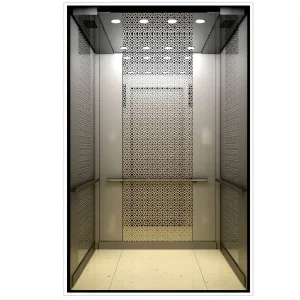
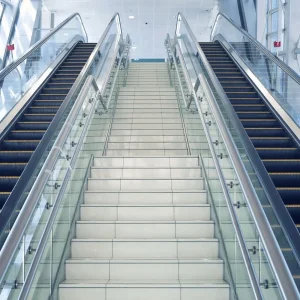
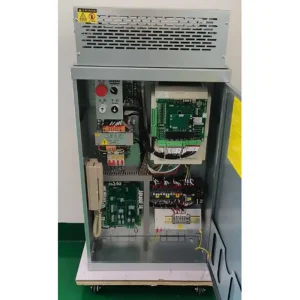
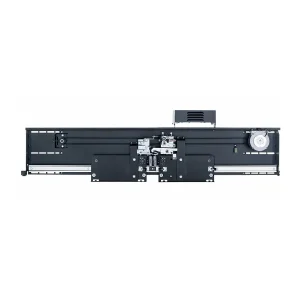
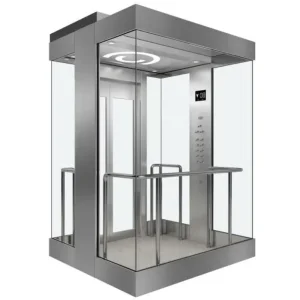
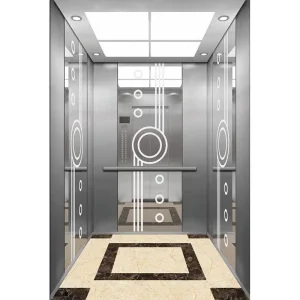
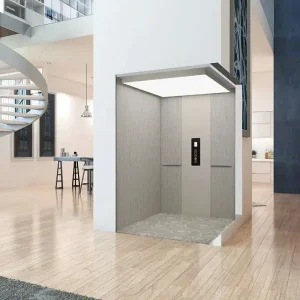
Explore our foundational range of heavy-duty freight systems, accessibility lifts, premium passenger cabins, and core digital controller components.
How compact residential vertical transportation is redefining urban spatial architectures and modern real estate value propositions.
The global demand for compact home lifts has experienced an unprecedented surge over the past decade. Driven by a combination of changing demographic profiles—such as the global aging-in-place trend—and architectural evolutions leaning toward high-density, multi-story urban residential villas, vertical micro-mobility is no longer considered a niche luxury. Today, it stands as an essential infrastructure element that enhances property valuation, accessibility, and modern spatial design. Wholesale distributors, construction general contractors, and real estate developers are shifting their procurement strategies toward specialized suppliers who can deliver bespoke, low-footprint, and highly efficient residential lift technologies.
From an engineering perspective, modern compact home lifts represent a synthesis of architectural optimization and safety mechanics. Historically, residential elevator installations demanded significant structural interventions, including deep excavation pits, overhead machine rooms, and load-bearing concrete shafts. However, modern compact designs eliminate these constraints through advanced Machine Roomless (MRL) and pitless architectures. Utilizing gearless Permanent Magnet Synchronous Motor (PMSM) systems and high-flexibility belt systems, modern manufacturers can now integrate a fully functioning passenger lift into spaces as tight as 1 square meter, with minimal overhead clearance and zero pit depth requirements.
For strategic procurement professionals, identifying the right manufacturing partner involves analyzing not just unit prices, but the complete lifecycle cost and technical integration potential. Key variables such as control system reliability, safety redundancies, mechanical tolerances, and energy regeneration modules define the difference between low-tier consumer products and high-grade institutional equipment. Ningbo Bluetech Import & Export Co., Ltd. has stood at the center of this technological paradigm since 2006, engineering systems that balance high mechanical integrity with aesthetic and architectural flexibility.
The convergence of green building certification, smart home IoT, and high-performance safety mechanics.
Conventional hydraulic and geared motors are rapidly being replaced by Permanent Magnet Synchronous Motors. This technology reduces energy consumption by up to 40%, eliminates the risk of oil contamination, and operates without mechanical vibrations, ensuring an exceptionally smooth ride profile.
The incorporation of microcomputer-based Variable Frequency (VF) systems controls motor acceleration and deceleration curves dynamically. By analyzing load cell variables in real-time, the controller reduces wear on brake assemblies and guarantees precise millimeter-level leveling alignment at landings.
Advanced home lifts are now integrating energy regeneration devices. When the elevator cabin travels down with a heavy load or goes up empty, the motor generates electricity. This power is filtered and fed back into the household electrical grid, yielding highly sustainable green building scores (BREEAM/LEED).
A strategic overview of specifications, compliance standards, and risk mitigation strategies in international B2B lift purchasing.
For commercial real estate managers, developers, and wholesale distributors, sourcing compact home lifts globally requires an evaluation matrix that goes far beyond initial purchase prices. A primary consideration is regulatory compliance. Elevators must meet strict geographic standards, such as Europe's EN 81-20/50 and EN 81-41 safety rules, the Americas' ASME A17.1 codes, or Australia's AS 1735 guidelines. Purchasing non-compliant equipment results in severe liabilities, rejected municipal certifications, and costly project delays. Therefore, verifying that a manufacturer holds comprehensive CE, TUV, or SGS certifications is the foundation of any global procurement process.
Another critical variable is the complexity of customization and shipping logisitics. Unlike standardized consumer goods, home lifts require adaptations to fit unique shaft layouts, pit depths, cabin heights, and electrical power inputs. Sourcing teams look for factories with robust engineering support (CAD and BIM modeling capabilities) to verify structural fitment before production starts. Additionally, reducing lead times from the typical 8-12 weeks down to 3 weeks or less provides distributors with a massive competitive edge, allowing them to meet urgent builder deadlines and optimize warehousing capital efficiency.
Leveraging deep industrial ecosystems, high-precision manufacturing automation, and strategic deepwater shipping lanes.
Located in the heart of Ningbo, China—one of the world's most advanced marine-industrial clusters—Ningbo Bluetech Import & Export Co., Ltd. represents the peak of modern Chinese factory innovation. The integration of Industry 4.0 automation within our production lines translates to high precision, consistent weld quality, and optimized material usage. By deploying automated CNC laser cutting, advanced robotic welding, and dynamic electronic balancing rigs for traction machines, we achieve dimensional tolerances below 0.5mm. This degree of manufacturing precision ensures that elevator guide rails, cabins, and drive systems line up perfectly, virtually eliminating mechanical friction and operational noise during use.
Furthermore, China's complete vertical integration of the elevator supply chain—from rare-earth magnets for PMSM motors to specialized microcontrollers—ensures unmatched supply chain resilience. While other international manufacturers struggle with parts shortages and logistics delays, Ningbo Bluetech secures reliable component access. This localized ecosystem allows us to consistently offer a standard 3-week production lead time, and an accelerated 2-week turnaround for urgent customization projects. Positioned near the Port of Ningbo, we offer direct access to global shipping lanes, minimizing transport delays and reducing overseas freight costs for our partners.
How Ningbo Bluetech collaborates with leading elevator multinational companies to deliver high-quality engineering and modern upgrades.
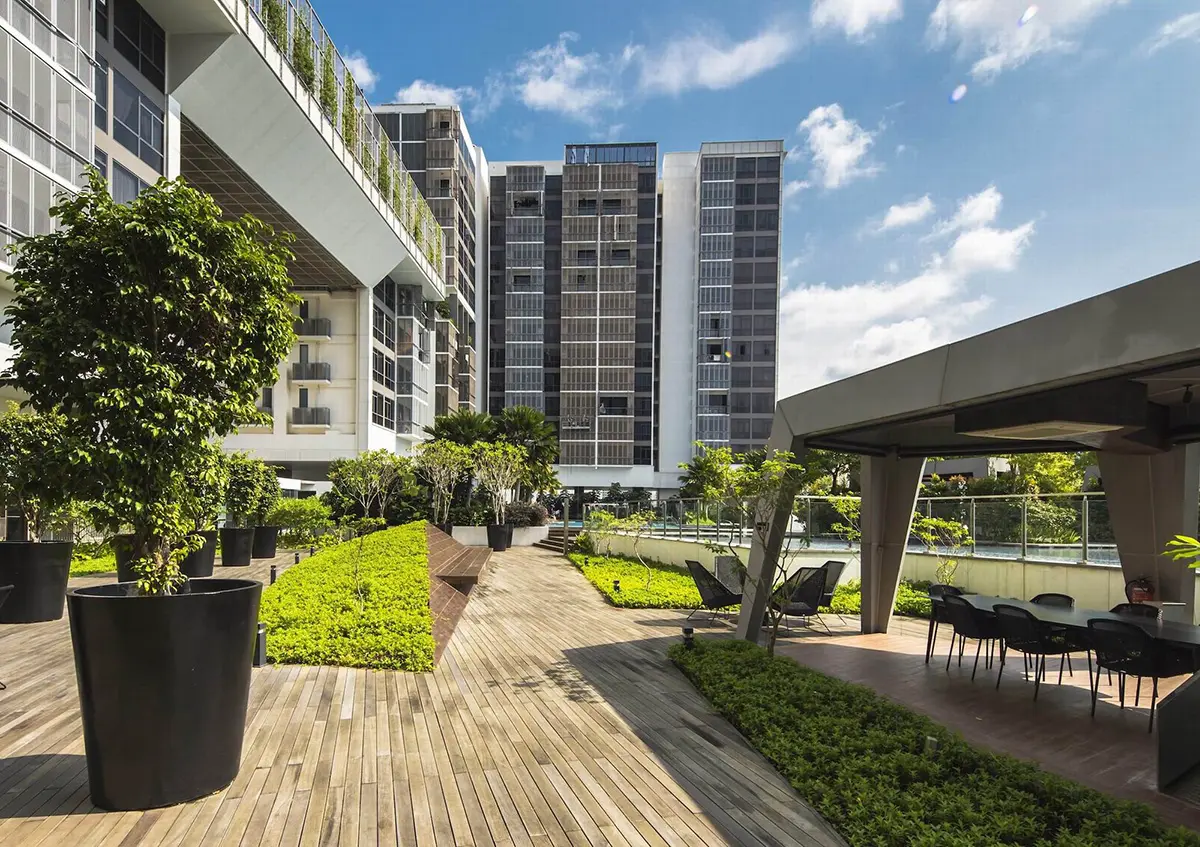
Our track record of excellence and our long list of satisfied clients speak to our commitment to quality, innovation, and customer satisfaction. Ningbo Bluetech is proud to partner with elite global elevator enterprises, including Mitsubishi Middle East and ThyssenKrupp Africa, working together on new installations, system modernizations, and maintenance initiatives.
By offering open-protocol digital controllers, highly durable mechanical assemblies, and responsive technical support, we help international operators deliver consistent, safe services. When you choose Ningbo Bluetech for your elevator and escalator needs, you gain access to a team of dedicated industry experts committed to the highest manufacturing and engineering standards. Whether retrofitting an existing villa or outfitting a new commercial development, our solutions are designed to deliver reliable vertical transportation for decades to come.
Tailored engineering layouts optimized for diverse spatial, architectural, and commercial requirements globally.
For premium residential properties, aesthetic design is as important as mechanical performance. Our compact lifts can be customized with high-end architectural finishes, panoramic glass walls, and customized LED lighting systems. With gearless PMSM technology, passengers enjoy a quiet, smooth ride without distracting from the home's quiet ambiance.
Retrofitting lifts into historical properties presents significant structural challenges. Our low-overhead and pitless compact home lifts eliminate the need for major excavation or structural changes, allowing developers to install modern accessibility systems while preserving the building's historical design.
In space-constrained urban environments, small business offices, boutique hotels, and clinics need to meet accessibility standards without losing valuable floor space. Our compact, high-efficiency passenger elevators deliver commercial-grade safety and reliability in a minimal, space-saving footprint.
Discover our global installation history, including high-profile commercial and boutique residential projects like the ACE Hotel.
Our engineering team collaborates closely with clients across our global offices to execute outstanding custom installations. By combining precise architectural guidelines, strict local regulations, and high-performance components, we ensure that every system delivers long-term efficiency and reliability. The ACE Hotel series stands as a testament to our ability to deliver highly custom, architecturally sensitive, and reliable vertical mobility systems in high-traffic commercial environments.
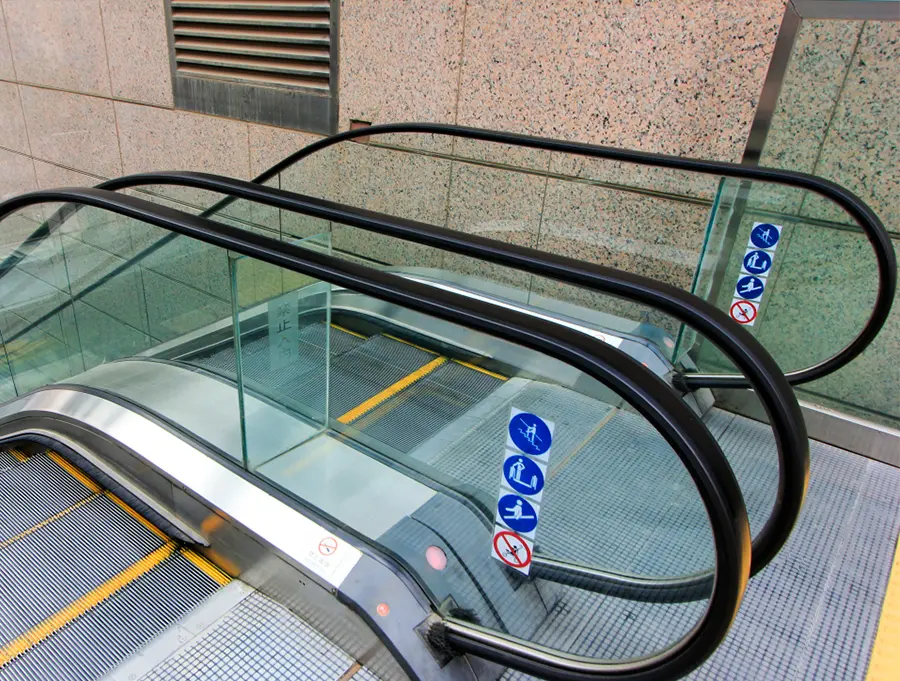
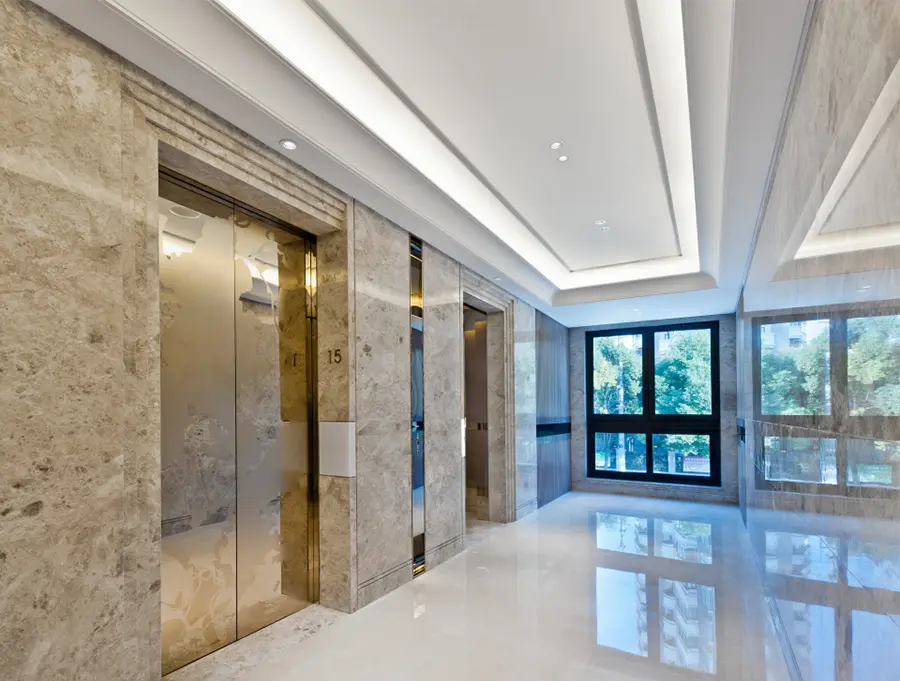
Essential technical information regarding safety compliance, installation requirements, and global procurement procedures.
Secure direct wholesale access to our complete lineup of heavy-load cargo elevators, luxury residential cabins, and electronic controller systems.
 Bluetech