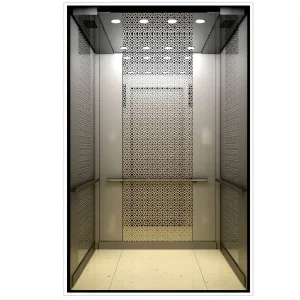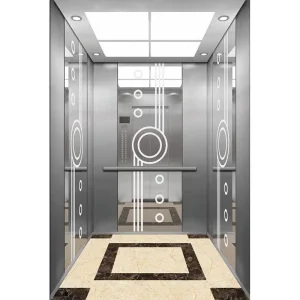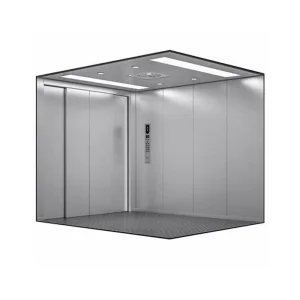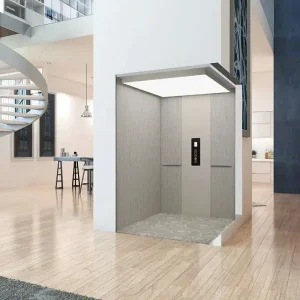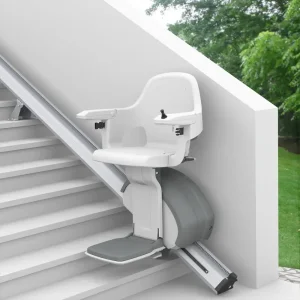
The global market for compact home elevators is witnessing a tectonic shift driven by rapid urbanization, changing architectural paradigms, and the booming "aging-in-place" demographic. Modern residential development projects are shifting away from large, invasive elevator shafts toward space-saving, low-impact vertical mobility. Engineers are prioritizing Machine-Room-Less (MRL) designs that optimize every square inch of available floor plans without sacrificing ride quality or safety.
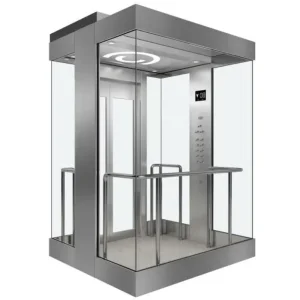
Key innovations driving the market include gearless Permanent Magnet (PM) synchronous motors and high-efficiency traction systems. These advanced motor technologies consume up to 40% less energy than legacy hydraulic setups and eliminate the risk of environmental oil leaks. Furthermore, structural designs are moving toward self-supporting, shaftless glass shafts that allow quick retrofit installations in existing homes, bypassing the need for heavy structural construction and deep masonry pits.
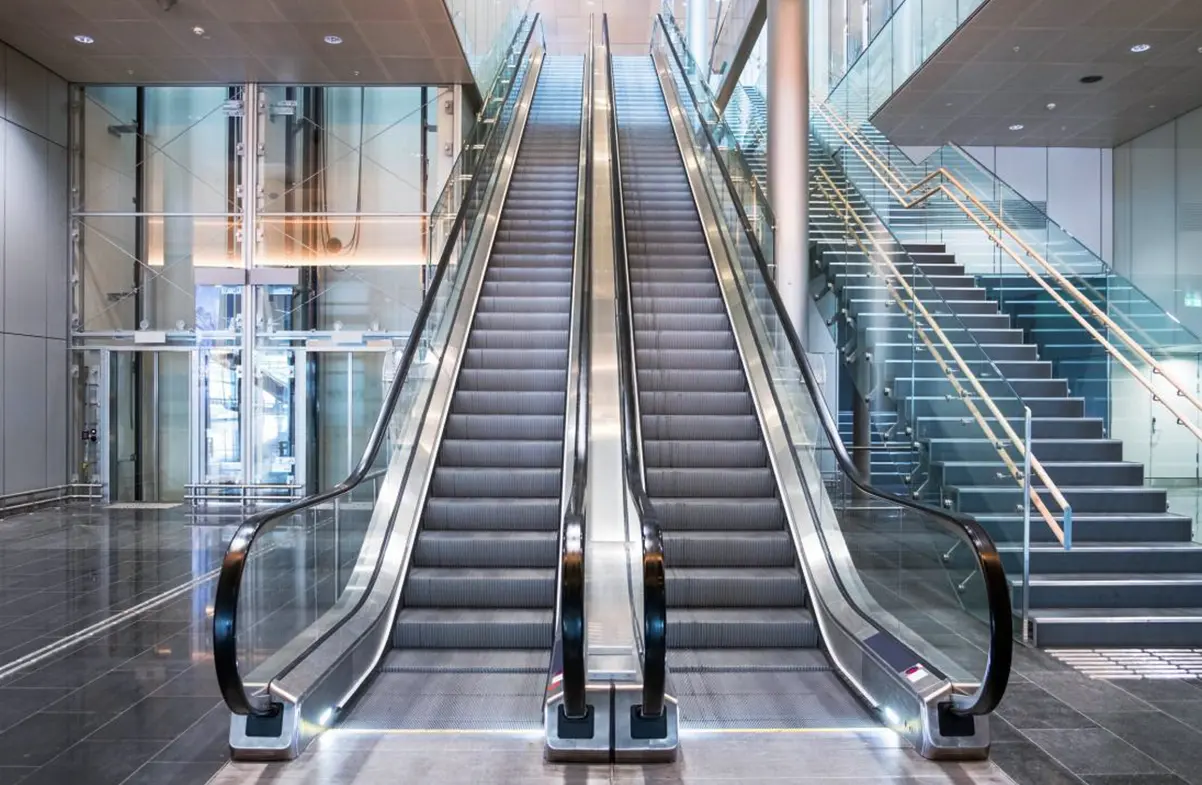
For real estate developers, contractors, and specialized elevator distributors worldwide, securing a reliable vertical transportation manufacturing partner is paramount. High-intent procurement demands center heavily on compliance with local safety standards, such as Europe’s EN-81 and North America’s ASME A17.1. B2B buyers require flexible customization, reliable freight lead times, and comprehensive technical documentation to streamline installation and regulatory sign-offs.
Distributors and importers look for manufacturers that offer modular, pre-assembled structures. This ease of installation reduces labor hours on the job site by up to 50%. Global partners also demand modern styling options, robust emergency rescue systems (automatic rescue device - ARD), and smart monitoring features that align with modern architectural trends and tech-driven smart home ecosystems.
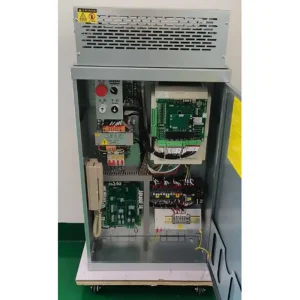
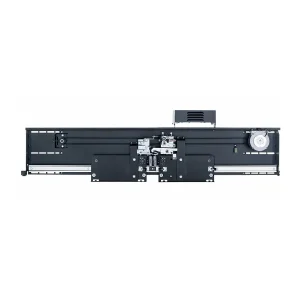
To remain competitive, suppliers must provide an uninterrupted flow of structural, mechanical, and electronic replacement parts (such as door control systems and high-efficiency controllers), allowing local service teams to guarantee high uptime rates for their private clients.
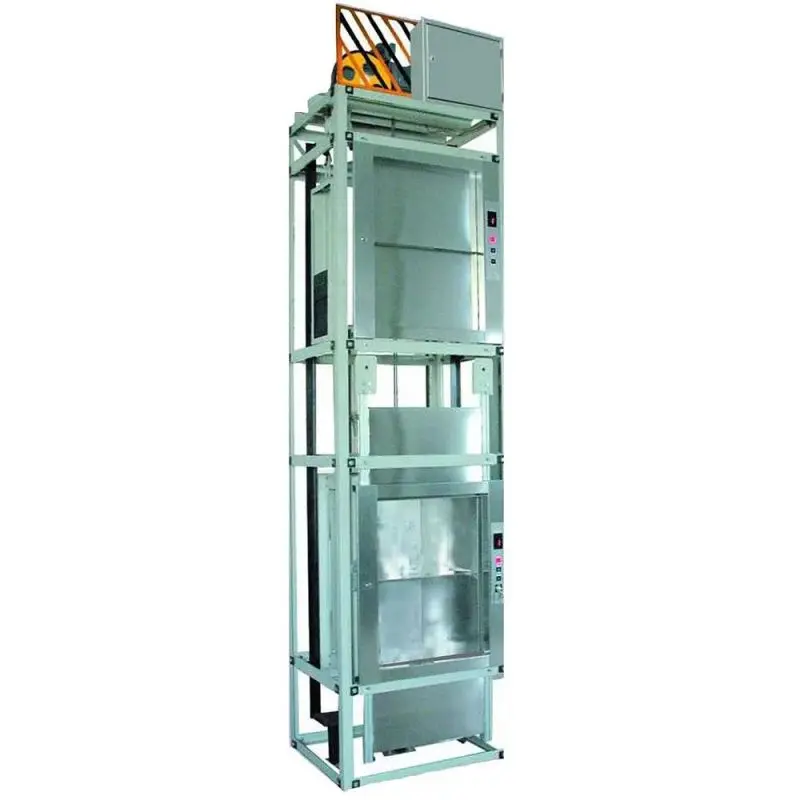
China's elevator manufacturing sector has undergone a massive modernization, morphing into a highly integrated Factory 4.0 ecosystem. By combining automated robotic welding stations, laser precision cutters, and IoT-driven assembly lines, manufacturers like Ningbo Bluetech can maintain extreme dimensional accuracy, ensuring that structural tolerances remain well within fractions of a millimeter.
This high level of automation drastically cuts fabrication times. Complex, customized elevator cabins and control systems can be produced within three weeks, and in urgent cases, in as little as two weeks. This rapid turnaround offers a massive strategic advantage over Western counterparts, who often face lead times exceeding 12 to 16 weeks.
Additionally, the geographical concentration of structural steel component mills, drive motor foundries, and precision controller developers within the Ningbo industrial zone creates an exceptionally resilient supply chain. This localized clustering insulates B2B customers from raw material shocks and global logistical bottlenecks, keeping wholesale pricing stable even during volatile economic cycles.
Ningbo Bluetech works alongside major multinational elevator brands, providing strategic component supply, technical modernizations, and retrofitting parts. Our international partners include:
• Mitsubishi Middle East (Joint projects in high-performance equipment modernizations)
• ThyssenKrupp Africa (Key supplies for heavy-duty systems and residential infrastructure)
Working with these leading companies demonstrates our commitment to world-class safety certifications, strict quality control protocols, and precise structural engineering.
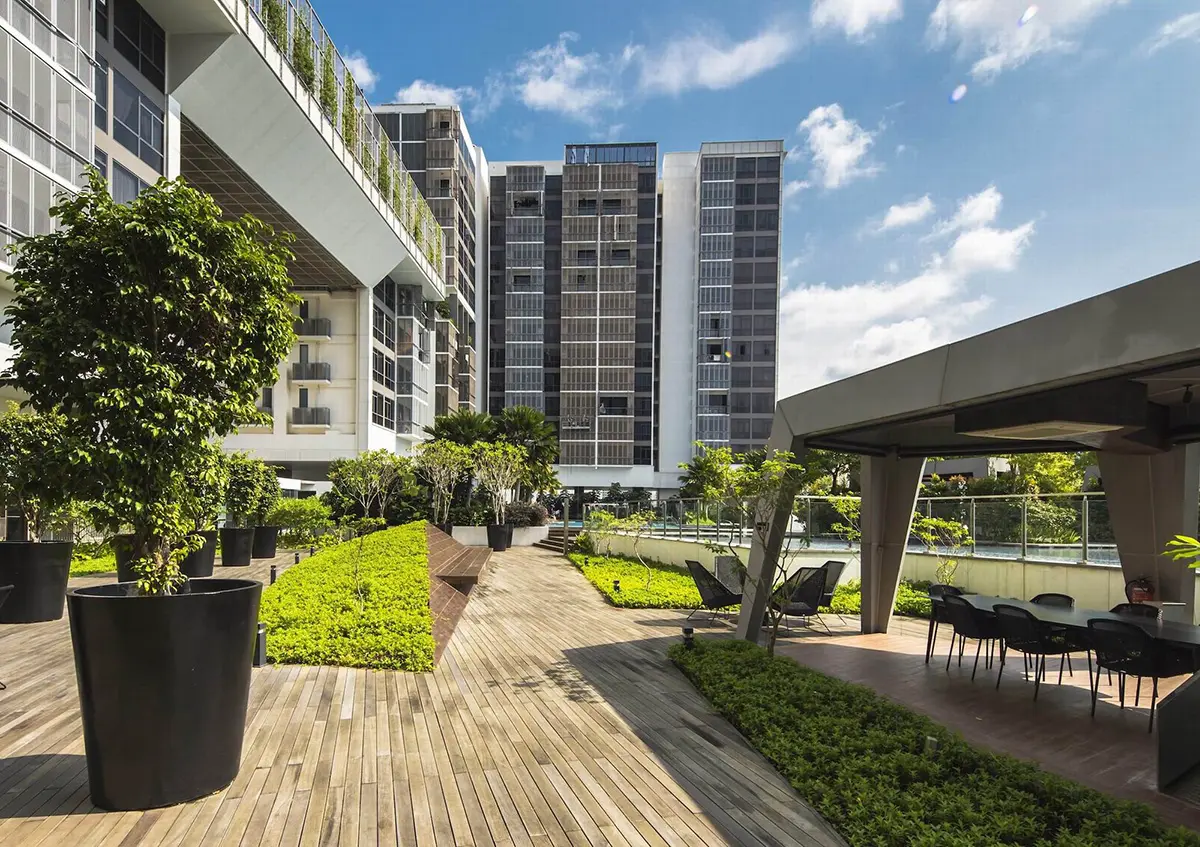
Established in 2006 by a group of industry specialists, NINGBO BLUETECH has built a reputation for excellence in the global elevator and escalator industry. Backed by nearly 20 years of professional experience, we have researched, designed, and manufactured state-of-the-art vertical mobility solutions that serve residential, commercial, and industrial markets worldwide.
Our products are engineered under the latest European EN-81 standard, combining human-centric design with safety and dependability. While we maintain a strong presence in our domestic market, our reach extends globally, with installations in over 30 countries including Singapore, Germany, Thailand, Saudi Arabia, the United Arab Emirates, Egypt, Ethiopia, and Nigeria.
We integrate advanced technologies—such as intelligent VF control, automatic emergency rescue, and energy-regenerative feedback loops—to provide highly reliable elevator equipment.
Our engineering team has decades of professional design experience, allowing us to customize lifts for complex spaces, tight overhead parameters, or low-pit constraints.
We respect our customers' timelines, providing detailed engineering feedback and quotes within 12 hours for both pre-sales consultations and after-sales support.
By leveraging our established regional supply chain and raw-material procurement volume, we deliver highly competitive prices without compromising on quality or safety.
Our standard manufacturing cycle is just 3 weeks, which can be accelerated to 2 weeks for urgent projects, helping you meet tight construction timelines.
We work closely with architects and building managers globally to implement modern design solutions. From custom luxury home lifts to high-traffic commercial installations, discover our recent project work.
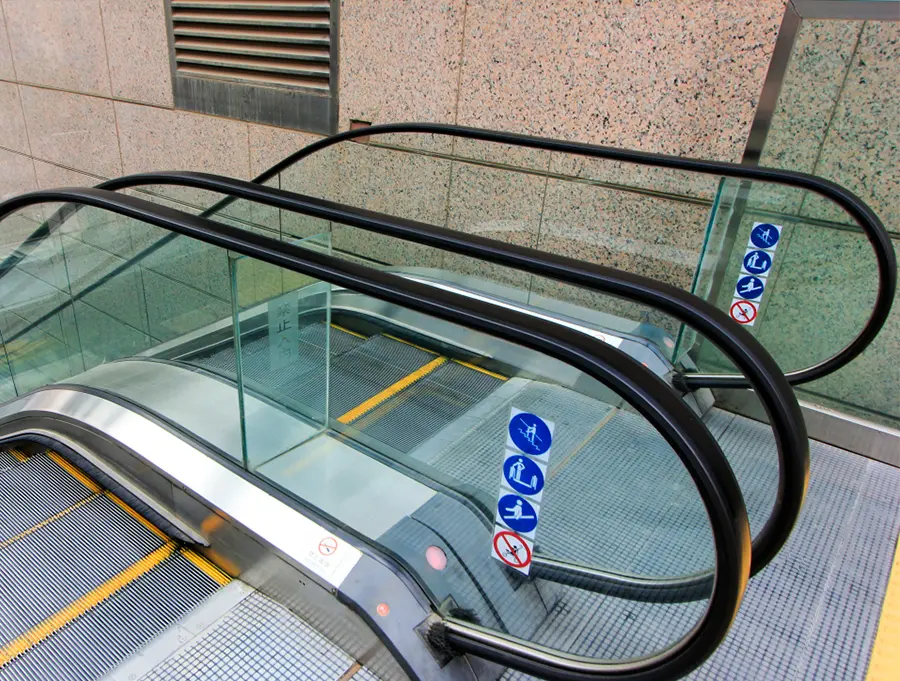
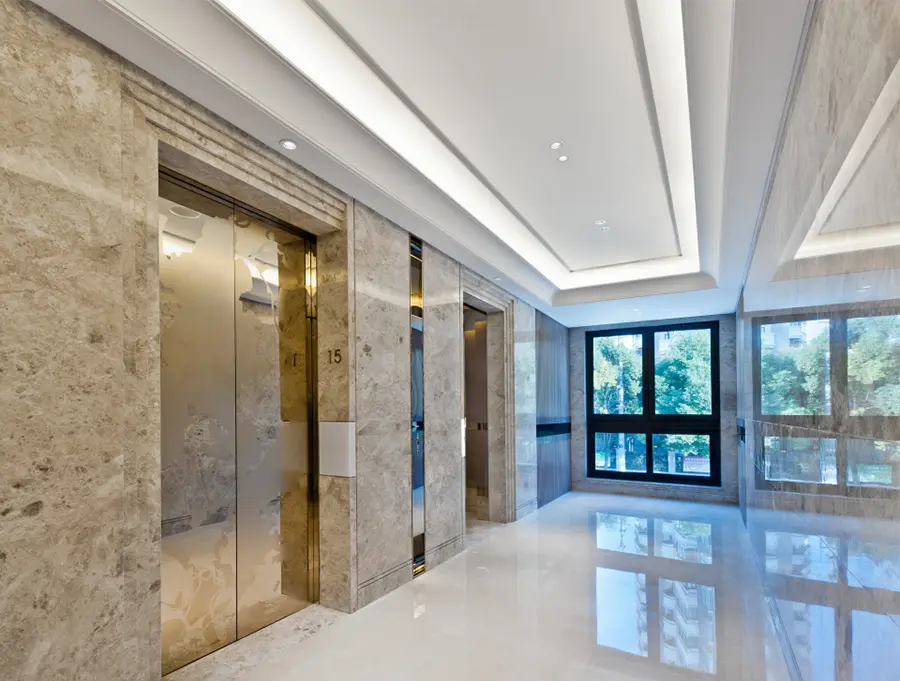
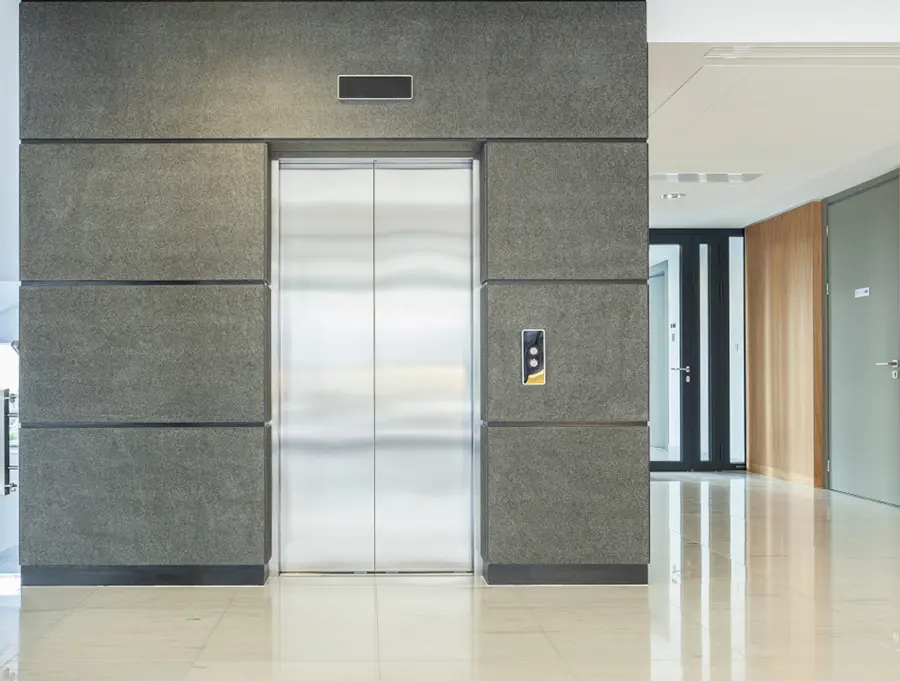
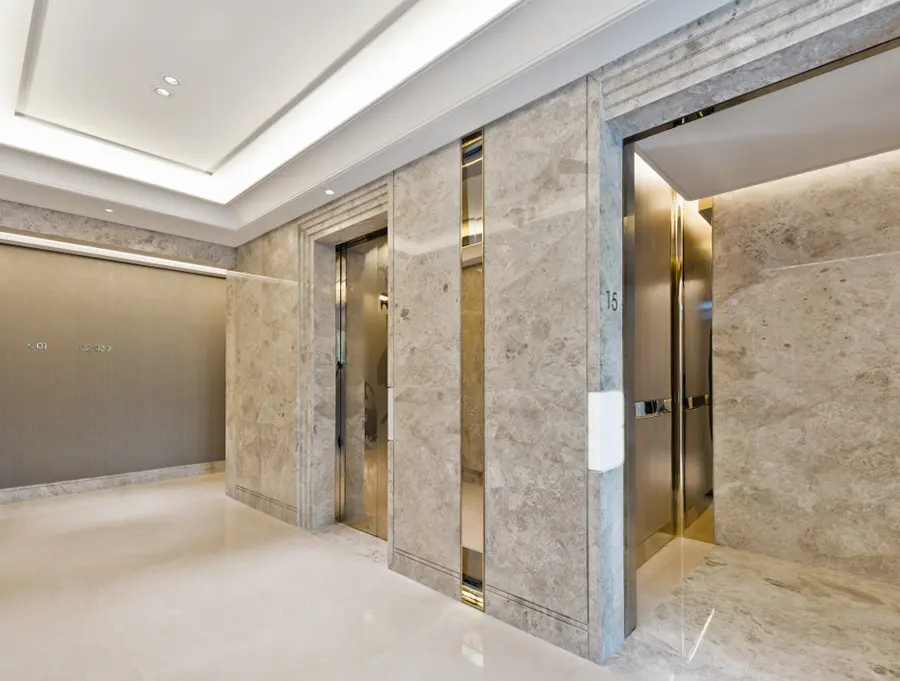
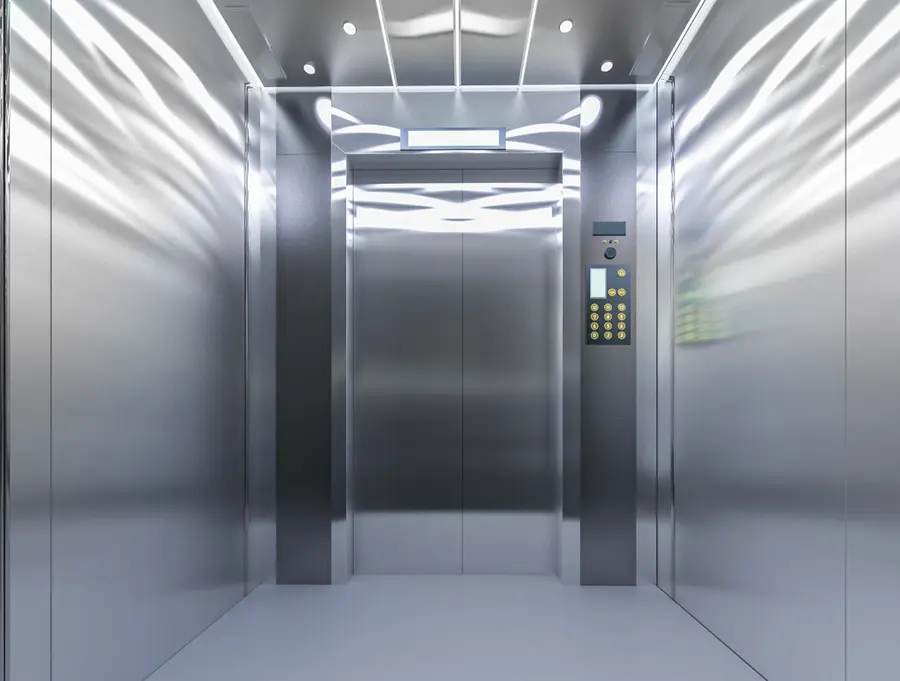
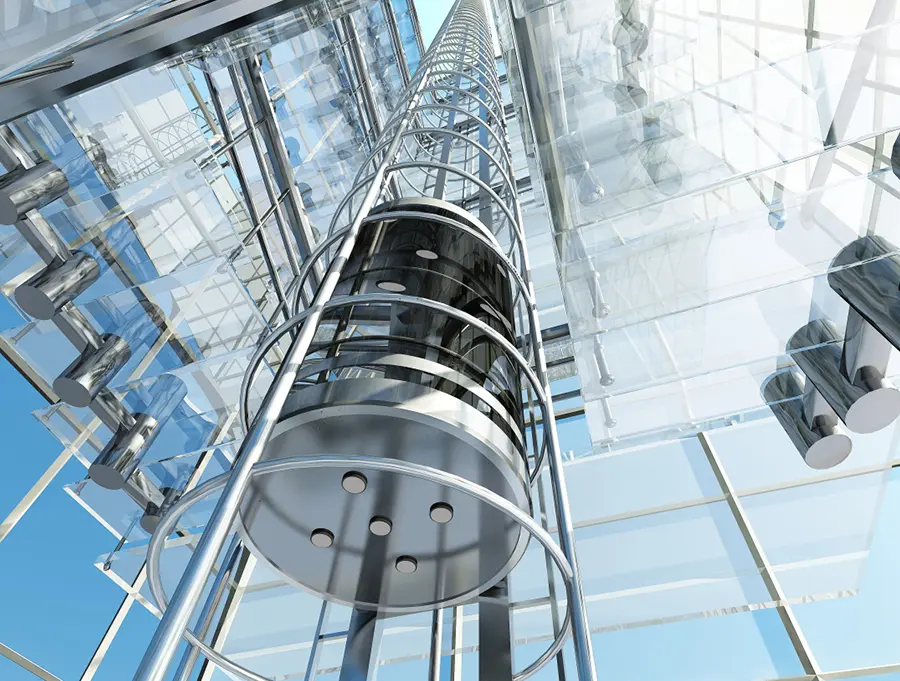
Compact home elevators are versatile solutions adaptable to different architectural environments. Below are the primary application scenarios where these systems provide the greatest structural value:
Many multi-story homes were constructed without vertical transit shafts. Compact home lifts, especially shaftless or pneumatic models, can be installed directly through floor cutouts. They require minimal overhead clearance and no pit excavation, preserving the historical layout of the home.
Urban development relies heavily on narrow vertical floor plans (e.g., three- or four-story townhouses). Standard residential elevators take up valuable living space. By using compact, high-efficiency mechanical layouts, builders can add modern vertical mobility while keeping the living area open and spacious.
For homeowners with limited mobility, compact residential lifts provide a safe, convenient alternative to traditional stairs. With smooth acceleration, wide entrance doors, and intuitive controls, these lifts help older residents stay in their homes safely and comfortably.
Explore detailed technical insights, compliance standards, and installation specifications for our compact home elevator systems.
 Bluetech