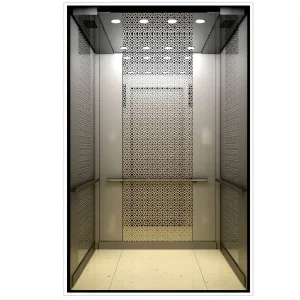
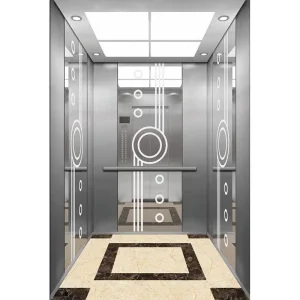
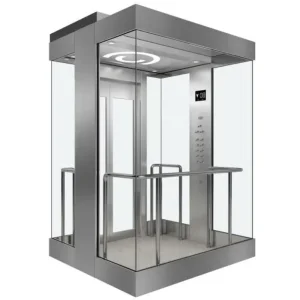
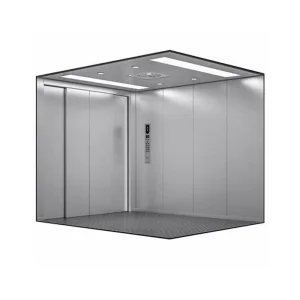
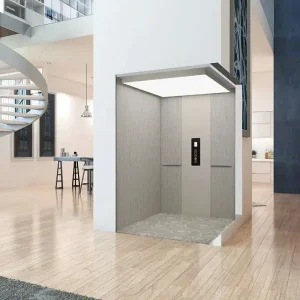
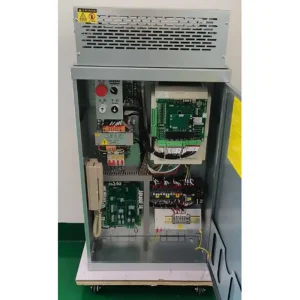
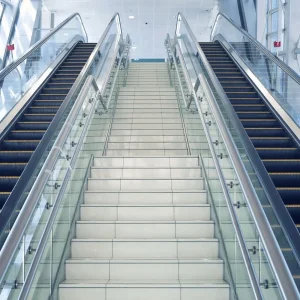
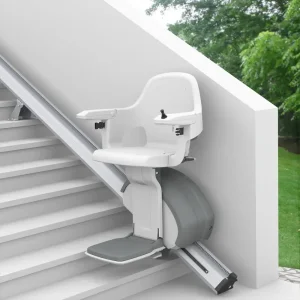
Explore our foundational engineering products covering residential lifts, industrial escalators, high-capacity freight systems, and advanced micro-controllers.
Modern industrial architectures require rigorous, high-efficiency vertical transportation paths. A cargo lift elevator is not merely a utility; it is the physical backbone of manufacturing lines, fulfillment complexes, and commercial logistics chains. In an era where global material flow speeds determine profitability, selecting the right wholesale manufacturing partner remains a critical decision for procurement officers worldwide.
By conforming strictly to standard frameworks such as the European Union’s EN-81 safety directive, manufacturers guarantee operational safety under peak capacities spanning from 1350kg to 5000kg and beyond. Structural longevity is achieved through robust finite element analysis (FEA), high-strength structural channel frames, and specialized variable frequency drive systems designed specifically to prevent floor leveling inaccuracy—a primary failure vector in freight movement.
A global legacy of engineering integrity, safety compliance, and robust technical support.
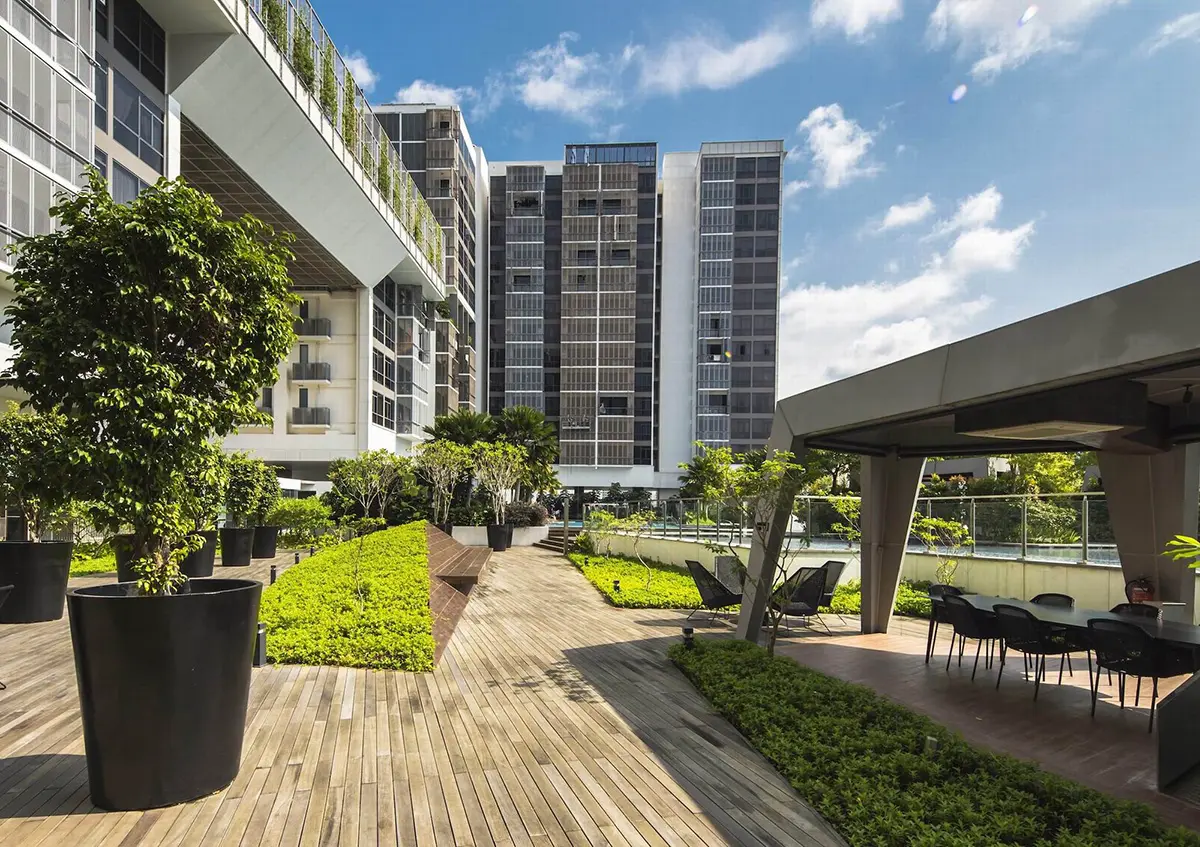
Established by a group of industry specialists in 2006, NINGBO BLUETECH has dedicated its core capabilities to the engineering, manufacturing, and global exportation of high-tier elevators and escalators. With nearly 20 years of professional industry experience, our brand has established an international footprint based on safety, reasonable pricing structures, and customizable design integration.
Our solutions target diverse market dynamics including residential villa elevators, passenger elevators, panoramic sightseeing lifts, heavy-load freight elevators, and compact dumbwaiters. Designed and fabricated under the strict compliance parameters of the latest EN-81 standard, BLUETECH systems ensure absolute reliability for both residential installations and punishing industrial factory environments.
Beyond domestic manufacturing, BLUETECH has successfully built export-import channels serving customers in over 30 countries, including Singapore, Thailand, Germany, Egypt, Saudi Arabia, the United Arab Emirates, Ethiopia, and Nigeria. Through our global engineering network, we provide both complete lift units and specialized modernization solutions.
Analyzing the industrial layout, cost dynamics, and raw material advantages that position China as the global capital for vertical logistics machinery.
Manufacturing in regions like Zhejiang allows factories to access raw steel, heavy-duty gearless traction machines, guide rails, and high-integrity electronic control systems within a 100-kilometer radius. This geographic concentration reduces logistical friction and assembly costs.
Chinese factories excel at flexible production. Unlike rigid Western production configurations, domestic facilities rapidly adapt cabin sizes, entry gates (side-opening, center-opening, or through-loading), and structural reinforcements to match non-standard architectural shafts.
By blending automated robotic welding arrays with highly skilled manufacturing processes, Chinese factories achieve economies of scale. High-load freight solutions (1350kg - 5000kg) are delivered at capital expenditure rates that make global expansions economically viable.
Why Tier-1 international elevator enterprises and modernization contractors partner with Ningbo Bluetech.
We boast years of structural design experience, enabling our team to conceptualize, draw, and fabricate tailored solutions for complex structural shafts, low overheads, and shallow pits.
Respecting the tight timelines of global industrial projects, BLUETECH guarantees comprehensive engineering feedback, structural drawings, and commercial solutions within 12 hours.
Through our long-term supplier alliances and deep material control processes, we balance manufacturing quality with highly competitive B2B wholesale pricing structures.
Our standard production queues are streamlined to finalize manufacturing within 3 weeks, with emergency capabilities reducing lead time to 2 weeks for fast-track projects.
Our industrial reputation is highlighted by our long-term collaboration with major global elevator brands. We work with partners such as Mitsubishi Middle East and ThyssenKrupp Africa to support new installations, complex building modernization programs, and heavy maintenance contracts.
These global relationships require compliance with international safety norms. They demonstrate the trust placed in BLUETECH components, controllers, and complete lift systems by the industry's most demanding safety boards. Whether designing a freight lift for a hot zone in the Middle East or a high-capacity logistics elevator for an African transit hub, we ensure the structural mechanics meet local codes.
"When you choose NINGBO BLUETECH for your elevator and escalator needs, you work with industry experts dedicated to delivering top-tier safety and durability."
From heavy manufacturing facilities to urban fulfillment hubs, our cargo lift elevators are engineered to withstand severe environments.
Heavy duty freight elevators (3000kg - 5000kg) designed to move components, engines, and completed vehicles across varying assembly floors. Equipped with point-load reinforced cabin floors to withstand forklift roll-over forces.
High-cycle frequency vertical systems optimized for automated sorting facilities. Integrating advanced smart controllers that interface with warehouse management systems (WMS) to maximize throughput and minimize dwell times.
Explosion-proof cargo elevators featuring IP-rated control cabinets, spark-resistant copper-alloy doors, and sealed electronics designed to maintain performance within volatile chemical environments.
A deep look at the hardware components and structural choices that determine cargo lift reliability.
Our heavy freight lift series incorporates intelligent VF control systems. This allows the motor to adjust torque outputs based on actual cabin weight. The system protects mechanical drive gears, reduces energy draw by up to 30%, and ensures smooth acceleration curves that prevent material shift during transit.
During heavy down-trips, the electric motor runs as a generator. Instead of dispersing this kinetic energy as heat, our energy recovery systems capture and return clean electricity back into the building’s power grid. This feature helps lower facility operating costs and supports carbon footprint reduction goals.
Moving a 5000kg payload creates significant mechanical stress. Our freight elevator cabs are constructed with thick, structural steel vertical channels, crossheads, and safety plank members. Standard platforms feature checker-plate anti-slip flooring, heavy-duty side-guard bumps, and reinforced thresholds designed for forklift traffic.
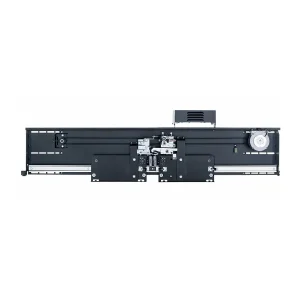
To reduce downtime, we utilize high-torque, variable-frequency door operators that resist mechanical blockages. Standard configurations offer wide-opening vertical bi-parting, center-opening, or multi-panel side slide systems that optimize horizontal loading space.
In-depth technical answers addressing regulatory compliance, mechanical dimensions, energy management, and procurement cycles.
Explore auxiliary systems, components, escalators, and dedicated heavy cargo lifts that support safe operations.
 Bluetech