Engineered to strict international standards. Discover our featured vertical platform lifts, passenger elevators, and components designed for safety and longevity.
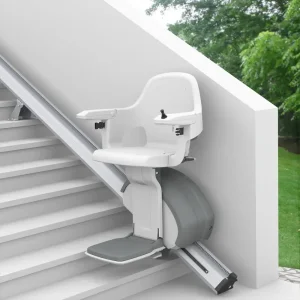
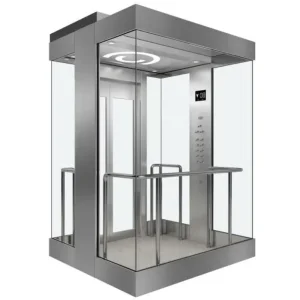
Established in 2006 by a dedicated consortium of lift specialists, Ningbo Bluetech has amassed nearly 20 years of expert industrial experience in high-end elevators, escalators, and vertical wheelchair lift platforms. By focusing on safety metrics, localized compliance, and rigorous engineering, we ensure that every system satisfies the strict regulatory landscape of the global market.
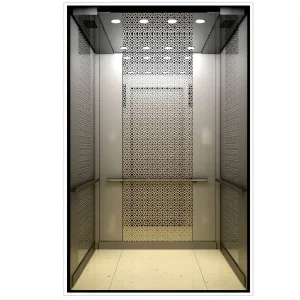
Our systems cover a broad spectrum of accessibility needs: from premium villa passenger elevators and home wheelchair platform lifts, to high-duty freight elevators and heavy commercial escalators. In strict alignment with global standards, all our systems undergo rigorous safety profiling and are produced under the latest EN-81 directives, which enables us to deliver unmatched structural stability and long-term peace of mind.
With a customer-centric ethos, our solutions offer reasonable pricing matrices without compromising on component materials. Today, we cater not only to Chinese infrastructural upgrades but have successfully exported our elevator systems to over 30 countries globally, including Singapore, Thailand, Saudi Arabia, UAE, Germany, Egypt, Ethiopia, and Nigeria.
Our strategic alignments include close cooperation with prominent international elevator firms, such as Mitsubishi Middle East and ThyssenKrupp Africa. We collaborate on new lift designs, modernization kits, and continuous maintenance programs, verifying our position as a globally accepted supplier.
How demographic shifts, smart city designs, and mechanical engineering breakthroughs are driving the global accessibility revolution.
Modern wheelchair lifts are no longer isolated mechanical links. Cloud-connected sensors monitor ride smoothness, platform level precision, and structural wear in real-time, sending data back to facilities management teams to perform predictive maintenance before any system downtime occurs.
The industry is transitioning from noisy hydraulic pumps to silent, eco-friendly PM gearless traction drives and precision screw-driven mechanisms. These advancements provide an ultra-smooth acceleration curve, eliminating the "jerking" sensation common in older accessibility lifts.
Modern accessibility lifts prioritize user autonomy. This includes low-location controls for wheelchair users, voice synthesizers, high-contrast Braille buttons, and auto-folding ramps that adjust to uneven terrain, satisfying standard regional building codes worldwide.
The global wheelchair elevator lift market is experiencing rapid expansion due to an aging global population and strict legislation, such as the Americans with Disabilities Act (ADA) in the United States and EN 81-41 regulations in Europe. Real estate developers and public entities are actively retrofitting existing architectural footprints to provide dignified access. Therefore, procurement teams must select suppliers capable of customizing lifts to fit unique spatial limits without sacrificing mechanical integrity.
Key metrics that determine B2B procurement success: compliance, material sciences, and total cost of ownership.
Enterprise buyers require CE, ASME, and EN81-41 certifications to pass rigorous municipal inspections. Working with a manufacturer that provides comprehensive test documentation reduces approval delays and mitigates legal liabilities during building handovers.
Whether installed in high-humidity tropical zones like Singapore or sub-zero climates in Northern Europe, outdoor accessibility platforms require superior hot-dip galvanized steel frames, IP65-rated marine electrical conduits, and UV-resistant acrylic safety enclosures.
Custom dimensions are standard in retrofitting projects. Factories must possess the engineering capability to adapt load-bearing components (often supporting 250kg to over 400kg) to tight existing lift shafts, preventing expensive architectural restructuring.
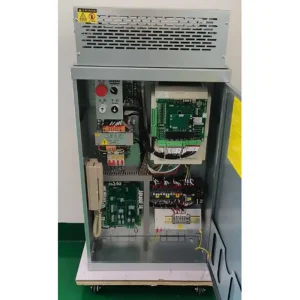
Initial purchase price is only one part of the equation. B2B buyers look for energy-efficient drives (such as VF variable frequency controls) and modular spare parts availability to minimize maintenance expenses and maximize the lift’s operating life.
Why Chinese vertical mobility manufacturing remains the benchmark for global commercial accessibility infrastructure.
Ningbo Bluetech operates at the center of China’s advanced elevator manufacturing corridor. This concentration of component suppliers—ranging from specialized high-strength steel mills and precision traction motor manufacturers to advanced controller developers—ensures a reliable supply of raw materials. By streamlining transport logistics, we reduce overhead costs and secure high-grade materials, passing these savings directly to our global partners.
Our localized supply chain guarantees that even custom components—such as tempered glass observation walls, bespoke cabin finishes, or unique door headers—are fabricated and delivered with minimal lead times. This allows us to offer standard delivery in under 3 weeks, and urgent delivery in just 2 weeks.
Every wheelchair elevator lift is subjected to dynamic loading tests, electrical insulation diagnostics, and high-frequency vibration analyses before packaging. Utilizing automated welding robots and CNC laser cutting machinery ensures tolerance limits within 0.1mm, resulting in silent operations and a prolonged component lifecycle.
Our QC framework is fully documented, providing complete traceability from the raw steel batch code to the specific technicians who oversaw the final assembly. This level of quality control is why international elevator firms place their trust in Ningbo Bluetech for modernizing critical vertical transportation networks.
Analyzing the deployment of accessibility lifts in high-traffic commercial hubs and industrial spaces.
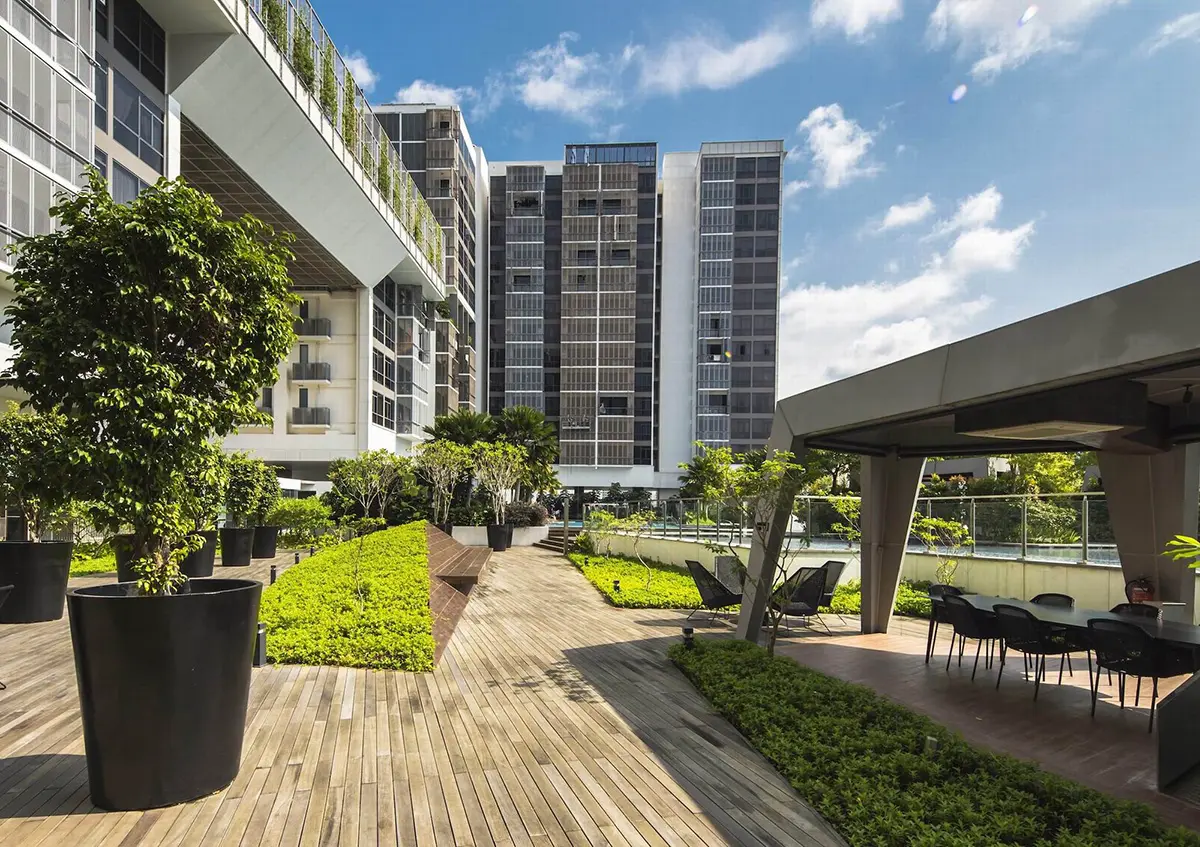
Multi-level retail stores and hospitality venues use vertical platform lifts to provide seamless, dignified access. A clean, glass-enclosed lift integrates naturally with contemporary interior designs, enhancing building layout efficiency and commercial accessibility compliance.
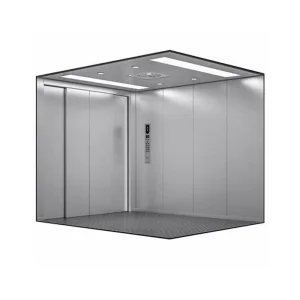
In production environments and logistic centers, wheelchair lifts are configured to transport both personnel and light equipment between split levels. This requires heavy-duty diamond-plate steel flooring, protective guard rails, and high load capacity designs.
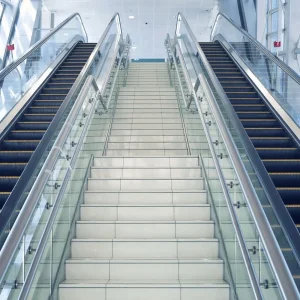
Subways, train platforms, and municipal administrative buildings require vandal-resistant configurations. Key safety features include non-slip surfaces, automatic obstacle detection sensors, and emergency mechanical lowering devices to prevent passenger entrapment.
Real-world implementations demonstrating the adaptability of Ningbo Bluetech’s vertical mobility platforms.
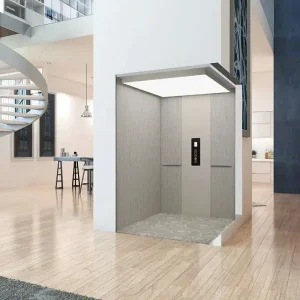
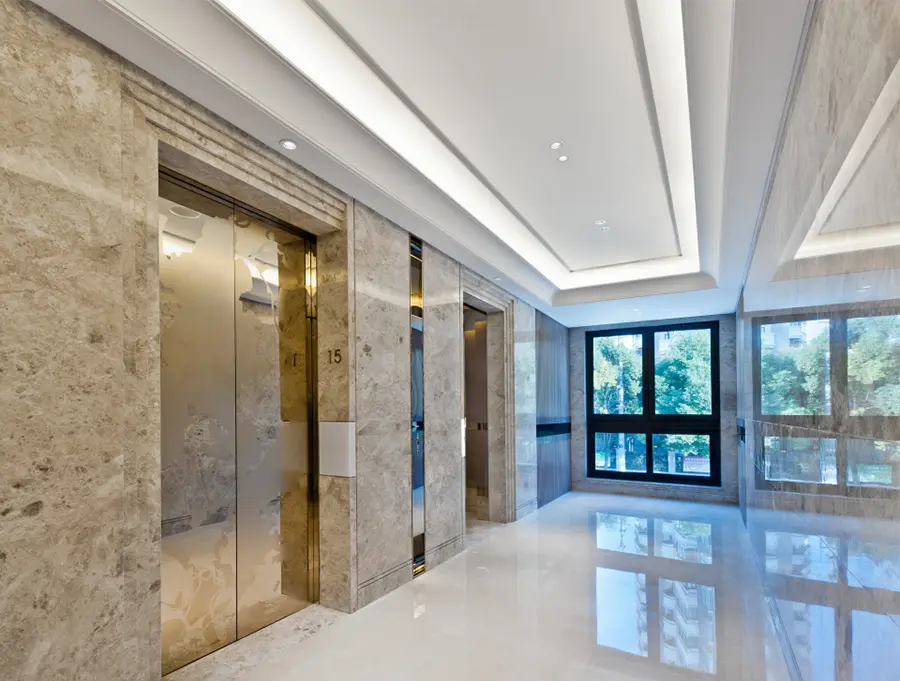
In luxury residences where space is at a premium, we install hydraulic or traction-driven home elevators with compact, self-supporting shafts. This minimizes construction overhead and preserves the home's interior aesthetics while providing full-floor accessibility.
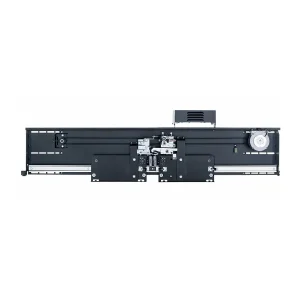
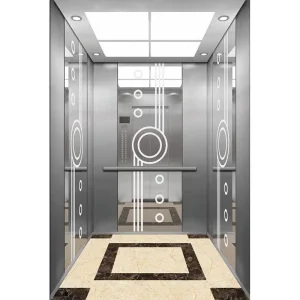
Designed for shopping centers, airports, and hotels, these lift platforms feature robust automatic door systems and responsive passenger interfaces. These units are built to withstand continuous operational cycles and integrate with building emergency systems.
Retrofitting heritage buildings presents unique architectural challenges. We design custom low-pit or pitless wheelchair lifts that require minimal structural alteration, helping historical sites comply with modern accessibility standards.
How we leverage engineering innovation to guarantee safety, quality, and competitive advantages.
Our decades of professional design experience enable us to deliver customized engineering solutions for complex spaces, ensuring smooth integration with structural footprints.
We value collaborative transparency. Our team commits to delivering detailed replies, conceptual drawings, and budget estimates within 12 hours, for both pre-sales and after-sales support.
Leveraging long-term partnerships with raw material suppliers and optimized inventory management allows us to offer premium products at competitive price points.
Standard manufacturing workflows are completed within 3 weeks. For urgent client requirements, our production lines can expedite fabrication to just 2 weeks.
Technical clarifications and procurement guidance regarding vertical wheelchair elevator lifts.
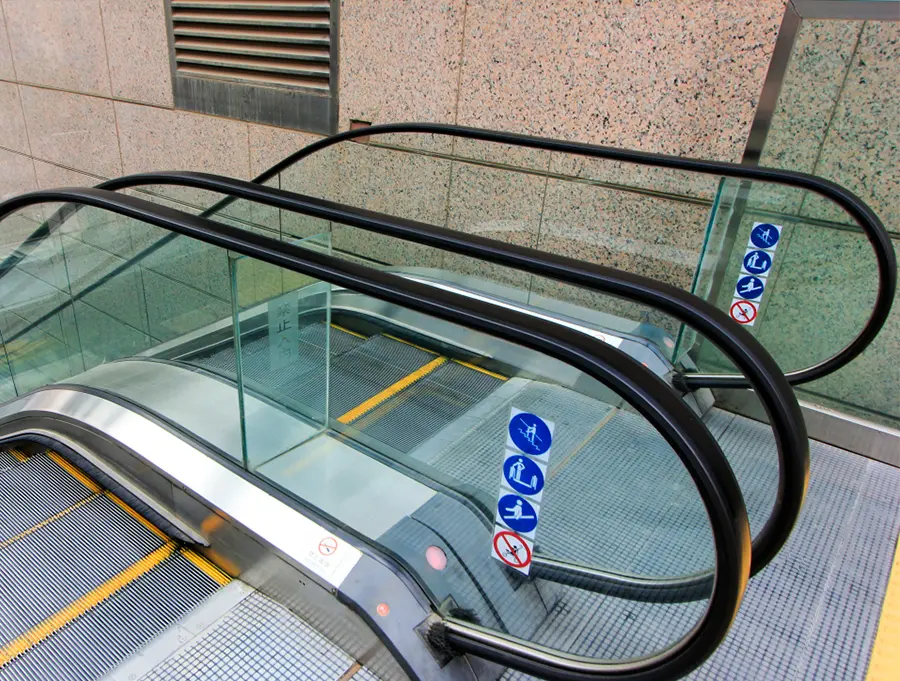
From individual modernization components to complete escalator installations, explore our robust engineering portfolio.
 Bluetech