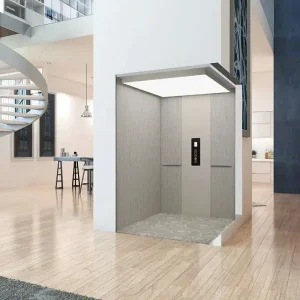
Premium Architectural Mobility, Intelligent Control Systems, and Global Safety Standards (EN-81 & ISO 9001 Compliance)
Featured Premium Mobility Systems
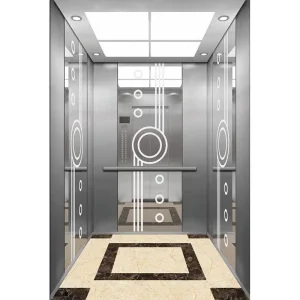
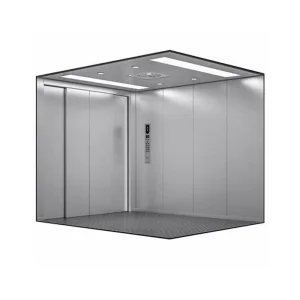
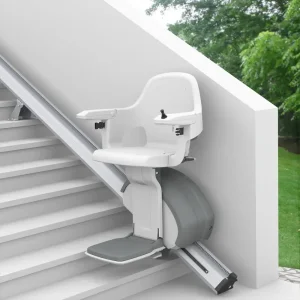
Explore our core product lineup engineered for residential luxury, freight heavy-duty load demands, and specialized mobility solutions. Designed under the latest global engineering parameters.
Our track record of excellence and our long list of satisfied clients speak to our commitment to quality, innovation, and customer satisfaction.
NINGBO BLUETECH, established by a group of specialists in 2006, is dedicated to the production and export of high-end elevators and escalators, backed by nearly 20 years of professional industry experience. Through decades of continuous development and rigorous research, NINGBO BLUETECH has emerged as a premium name recognized for its outstanding manufacturing precision, strict adherence to international safety standards, and unmatched customer support services.
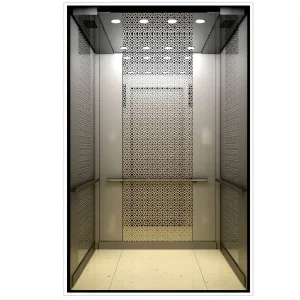
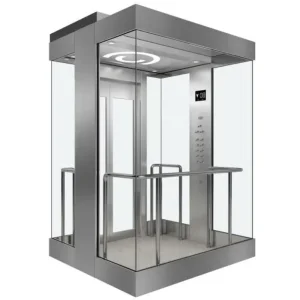
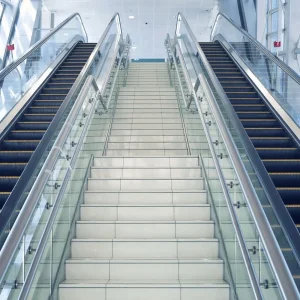
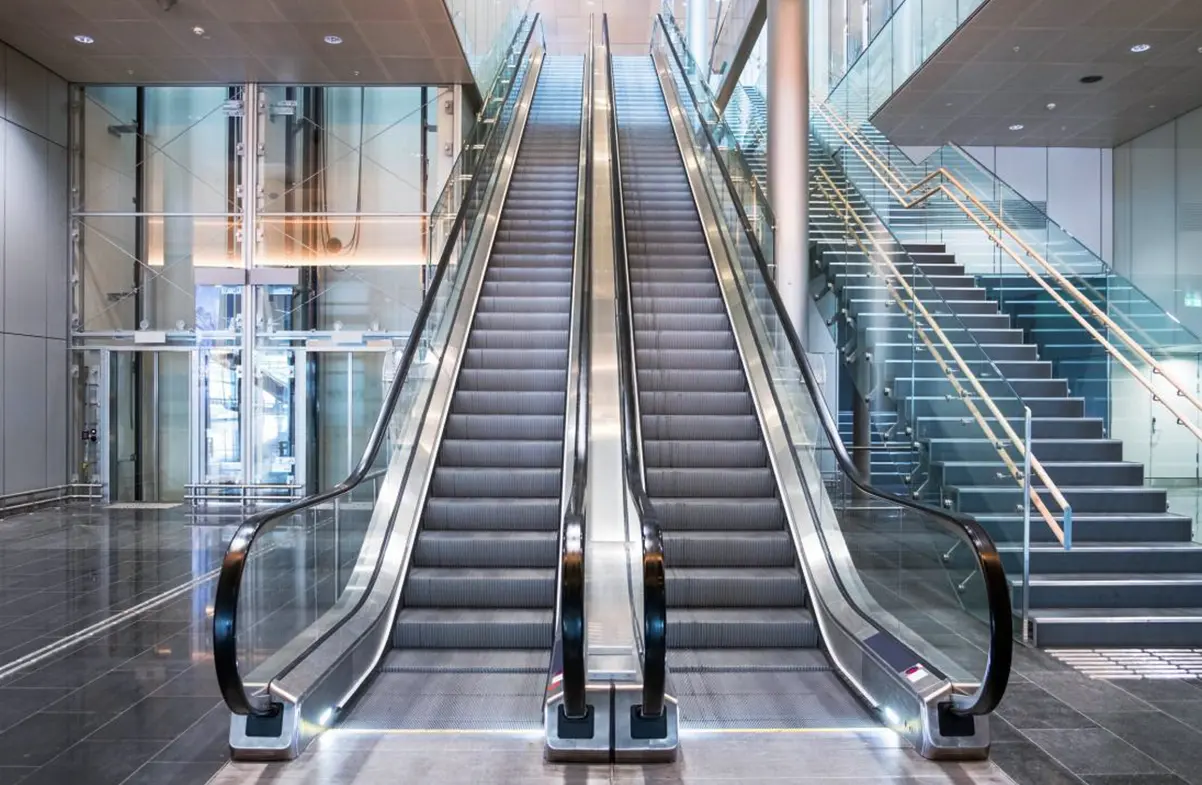
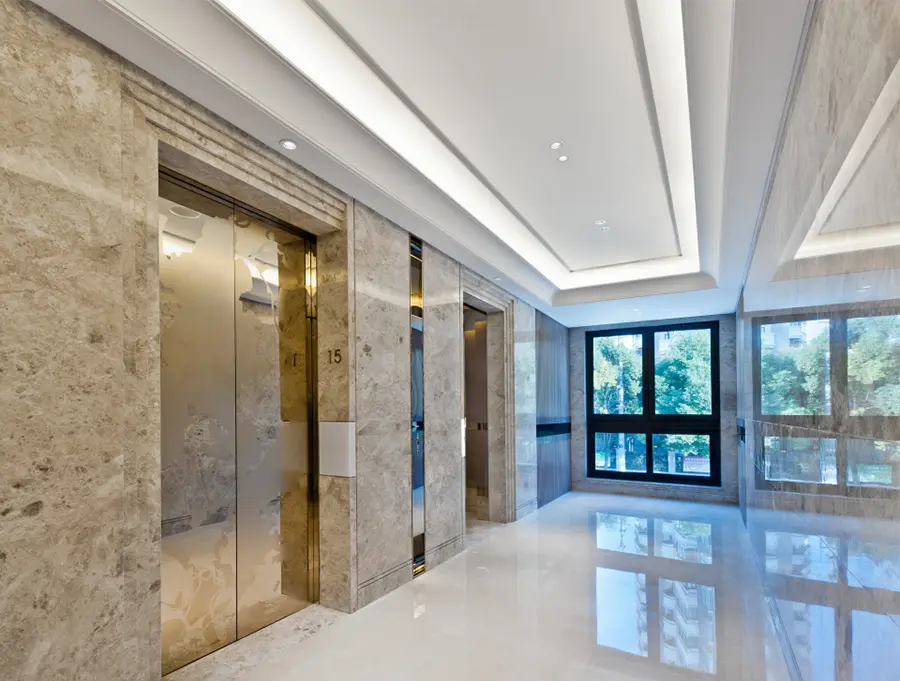
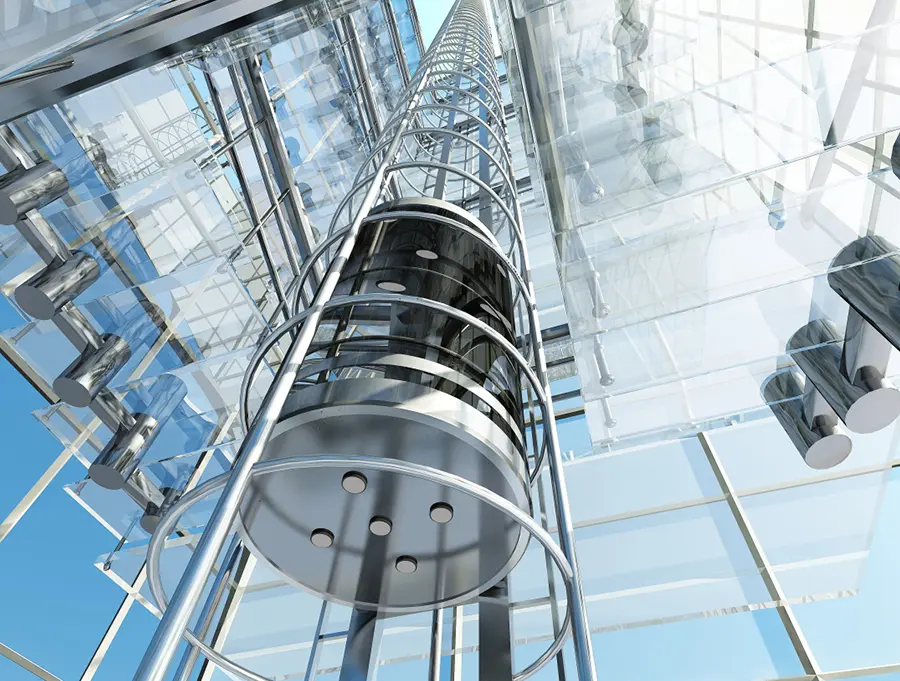
Our comprehensive engineering solutions cover a wide product spectrum, including passenger elevators, panoramic sightseeing lifts, heavy-load freight elevators, automated dumbwaiters, and custom-designed villa home elevators. All our systems are fully developed, engineered, and manufactured under the strictest criteria of the latest EN-81 standard, ensuring safe and smooth performance in different architectural environments across the globe.
2006Established In
20+Years of R&D Experience
80+Registered Patents
30+Exporting Countries
1. Global Industry Analysis of the Villa Lift Market
The global villa lift and residential elevator market is experiencing a profound transition driven by demographic shifts, technological maturity, and the integration of IoT into modern home architecture. Historically, residential lifts were viewed as luxury items reserved for high-end mansions. However, contemporary urban planning, an aging global population, and the rising popularity of multi-generational homes have shifted this perspective. Today, private lifts are critical structural components that enhance accessibility, convenience, and home equity.
In mature markets such as Western Europe, North America, and parts of Asia-Pacific (like Japan and Singapore), the primary growth driver is "aging-in-place." Real estate developers and homeowners are actively retrofitting existing properties or planning new constructions with compact, gearless traction lifts to allow elderly residents to move comfortably between floors. In contrast, emerging markets in the Middle East and Latin America focus heavily on architectural luxury, high-load capacities, and custom aesthetic details like fancy glass cabins and premium metal trim.
"Modern residential lifts have evolved from basic hydraulic platforms to intelligent, machine-roomless (MRL) gearless systems. They are now central to sustainable, accessible, and high-value architectural designs."
2. The Rise of China's Villa Lift Manufacturing Clusters
China has established itself as the global manufacturing center for residential mobility equipment. By leveraging deep supply chain integration in key industrial hubs like Zhejiang and Jiangsu, Chinese manufacturers produce highly customized, structurally sound lifts at competitive prices. The raw material supply, motor production, control cabinet assembly, and precision machining are located within close geographic proximity, significantly reducing production lead times.
Ningbo Bluetech Import & Export Co., Ltd. represents the peak of this ecosystem. Combining robust engineering talent with international trade experience, Bluetech delivers solutions that match Western quality standards at competitive prices. Every lift and escalator is designed to comply with international regulations, including the strict EN-81 standard, allowing seamless installation across Europe, the Middle East, and beyond. This technical reliability makes us a trusted supply partner for modern construction projects worldwide.
3. Technical Roadmap: Traction, Hydraulic, and Screw Systems
Understanding the technical differences between drive systems is essential for architects and procurement officers. Each option offers specific benefits depending on structural layouts, pit depths, overhead heights, and usage frequency.
PMSM Gearless Traction Lifts
Utilizing Permanent Magnet Synchronous Motors (PMSM), gearless traction systems represent the current industry benchmark. These systems do not require a dedicated machine room (MRL configuration). The motor is mounted directly within the hoistway, driving the cabin via high-strength steel cables or coated steel belts. This technology provides exceptionally smooth, quiet travel, high energy efficiency, and requires no oil, making it an eco-friendly option. It is ideal for multi-floor villas with standard pit depths and overhead heights.
Hydraulic Drive Systems
Historically common in low-rise residential settings, hydraulic systems use a pump and fluid piston to raise the cabin. These lifts are suitable for installations where overhead space is restricted, as they transfer the load directly to the pit floor. While they support high load capacities, hydraulic systems require a separate pump room and carry the risk of oil leaks, making them less common in modern green building projects.
Screw-Driven Mechanical Lifts
Popular in compact environments with minimal pit depths (often as shallow as 50mm), screw-driven lifts operate by moving a nut along a threaded steel column. This design eliminates the need for a deep pit or a structural shaft, making it ideal for retrofitting existing properties. The trade-offs include lower operating speeds and slightly higher acoustic feedback, but they offer a practical solution for installations with severe spatial constraints.
4. Global Localization and Regional Engineering Adaptation
Different markets have distinct architectural conditions and legal requirements. To operate successfully as a global supplier, products must be configured to meet these localized standards:
Europe & UK: Strictly governed by EN 81-20/50 and the Machinery Directive 2006/42/EC (specifically EN 81-41 for platform lifts). These regulations emphasize fall protection, emergency cabin lighting, automatic rescue systems (ARD), and precise leveling control.
Middle East & GCC Region: Characterized by high ambient temperatures and dusty conditions. Elevators in this region require robust cooling units for control cabinets, high-performance dust-sealed guide shoes, and high-end aesthetic finishes, such as titanium gold etching and panoramic glass cabs.
Southeast Asia: Tropical climates necessitate moisture-resistant wiring, tropicalized motor insulation, and reliable drainage-related safety overrides to protect the electrical components in the pit.
Why Partner with Ningbo Bluetech?
We integrate advanced technologies—such as intelligent variable-frequency control, emergency rescue systems, and energy regeneration devices—to ensure reliable product quality.
Design Power
Our experienced design team specializes in developing customized engineering layouts for challenging structural layouts and unique architectural contexts.
Quick Response
We provide comprehensive support for both current and prospective partners, offering detailed replies and technical assessments within 12 hours.
Competitive Pricing
By optimizing our sourcing networks and maintaining efficient logistics, we deliver premium performance at a competitive price point.
Short Delivery
Our production workflows allow us to fulfill standard orders within 3 weeks, with expedited delivery times of 2 weeks for urgent projects.
Global Partners & Project Showcase
We collaborate closely with leading international elevator companies, such as Mitsubishi Middle East and ThyssenKrupp Africa. We work as partners on new installations, modernization projects, and maintenance contracts.
MITSUBISHI MIDDLE EAST
THYSSENKRUPP AFRICA
NINGBO BLUETECH
Custom Residential & Hotel Mobility Installations
Our team collaborates across multiple regional offices to deliver customized mobility solutions. During this process, we carefully combine client specifications, local regulations, and the technical requirements of the building.
What is the difference between a residential villa lift and a commercial passenger elevator?
Residential villa lifts are designed for private homes with lower traffic densities and shorter travel distances. They typically operate at speeds between 0.15 m/s and 0.4 m/s, compared to commercial elevators which run at 1.0 m/s or higher. Villa lifts are optimized for spatial efficiency, requiring smaller pits (often 150mm to 300mm) and lower overhead clearances. They also operate on single-phase or three-phase power and consume less electricity than commercial systems.
How does NINGBO BLUETECH ensure compliance with international safety codes?
Our residential lifts and commercial systems are built to meet the latest European Standard EN-81. We integrate critical safety features such as an Automatic Rescue Device (ARD) to safely lower the cabin during a power outage, safety gear brakes, overload sensors, and infrared light curtains that prevent the doors from closing when an obstruction is detected. Our manufacturing processes are ISO 9001 certified, and our key electrical components carry CE certification.
Can villa lifts be customized to fit existing shafts or historic buildings?
Yes. Customization is one of our core strengths. If a home does not have an existing concrete shaft, we can supply a self-supporting steel structure with safety glass panels. Our engineering team can adjust cabin dimensions, entrance configurations (such as through-car layouts or adjacent doors), and cosmetic finishes (fancy etching, hairline stainless steel, or panoramic glass) to match the layout of the property.
What are the power requirements and energy-saving capabilities of your lifts?
Our PMSM gearless traction lifts operate on standard 220V single-phase or 380V three-phase power. PMSM technology uses up to 40% less energy than traditional hydraulic lifts. Additionally, we offer optional energy regeneration units that capture the mechanical energy generated when the lift travels downward with a heavy load or upward with an empty cabin, converting it back into electrical power for the home grid.
What is the typical lead time for production and delivery?
Our standard production lead time is 3 weeks from receipt of deposit and technical layout approval. For urgent construction schedules, we can expedite manufacturing to 2 weeks. Shipping times vary by destination, but we coordinate directly with global logistics partners to ensure prompt delivery.
Complete Mobility and Component Catalog
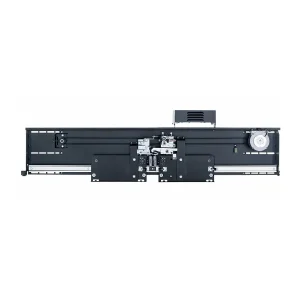
Our full range of structural elevator machinery, mechanical subsystems, and accessibility accessories built for export markets.
 Bluetech