Engineered to global standards, serving commercial, residential, and industrial applications worldwide.
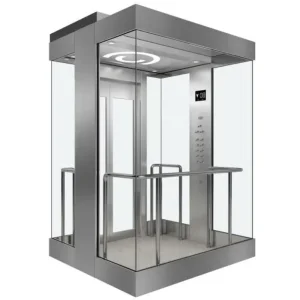
An authoritative analysis of vertical mobility adaptation, modern architectural constraints, and the rise of hydraulic and traction-based through-floor lifting technology.
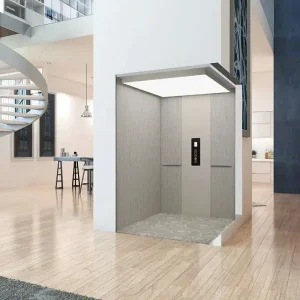
Across the global urban landscape, demographic shifts towards an aging population and the architectural necessity of vertical living have catalyzed a major paradigm shift in home accessibility solutions. Once considered niche luxury additions, through-floor lifts (TFLs) have transitioned into vital structural elements within modern multi-story residences. Unlike standard structural passenger elevators that require substantial, dedicated brick-and-mortar shafts, concrete pits, and extensive overhead spaces, modern through-floor elevators are engineered to pass directly through a clean-cut aperture in the ceiling without compromising the architectural load integrity of the home.
"Through-floor lift systems offer a non-invasive architectural footprint, leveraging self-supporting dual-guide rails that anchor securely to the floor and ceiling joists, eliminating the need for heavy load-bearing structural walls."
From a global commercial standpoint, the demand for compact, efficient, and aesthetically integrated through-floor lifts has experienced double-digit year-on-year growth. As specialized Chinese manufacturers and suppliers, firms like Ningbo Bluetech Import & Export Co., Ltd. leverage deep engineering expertise to deliver units that balance price competitiveness with absolute conformity to rigorous international safety standards, such as the European Machinery Directive 2006/42/EC and EN 81-41. This whitepaper serves to detail the technical frameworks, supply-chain capabilities, localized configurations, and future technological roadmaps defining the modern through-floor lift industry.
Unpacking the drive systems, safety engineering, and electronic controls powering contemporary vertical mobility.
Utilizes ultra-quiet hydraulic cylinders coupled with specialized variable frequency (VF) control technology to ensure smooth, vibration-free travel profiles with silent operations beneath 48dB.
Equipped with permanent magnet synchronous gearless traction drives, achieving up to 40% energy savings, minimal power loss, and completely hydraulic-fluid-free home installations.
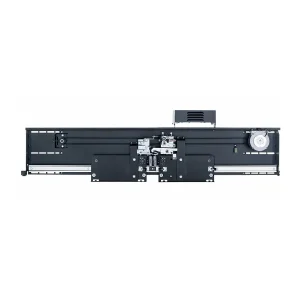
High-grade structural steel or extruded aluminum alloy masts that handle all structural moment forces, removing structural burdens from home partitions and residential drywall structures.
The engineering philosophy of modern through-floor lifts rests on two pillars: modularity and safety redundancy. A standard installation operates within a footprint as small as 0.8 square meters, yet handles payload configurations up to 250kg or 325kg for wheelchair accessibility. When the cab is on the upper level, the ceiling aperture cover is level with the upper floor, engineered to sustain standard residential dead and live loads (e.g., up to 250 kg/m²). This enables homeowners to maintain their full living area on the lower floor when the lift is parked upstairs.
| Technical Metric | Hydraulic TFL Specification | Traction TFL Specification | Compliance Standards |
|---|---|---|---|
| Rated Load Capacity | 200 kg – 250 kg (Standard Models) | 250 kg – 325 kg (Wheelchair Compliant) | EN 81-41 / ASME A18.1 |
| Nominal Speed | 0.06 m/s – 0.10 m/s | 0.12 m/s – 0.15 m/s | CE Machinery Directive |
| Maximum Travel Height | Up to 4.2 meters (Single Span) | Up to 6.0 meters (Multi-floor Support) | Local structural code matching |
| Control Interface | Constant Pressure / One-Touch Option | One-Touch Wireless Smart Control | ISO 9001 / Safety Integrity Level (SIL3) |
| Emergency Power | Battery Backup (UPS) Auto-Lowering | Automatic Manual Brake Release + UPS | Underpan obstruction sensors |
Why China's consolidated industrial clusters enable unparalleled delivery speeds, quality controls, and material sourcing efficiencies.
The global sourcing of vertical mobility systems relies heavily on supply chain responsiveness, component standardization, and material resilience. Over the last two decades, China—specifically the Ningbo-Shanghai industrial corridor—has consolidated its position as the premier manufacturing ecosystem for elevators, escalators, and complex access components.
Ningbo Bluetech Import & Export Co., Ltd., founded in 2006, acts at the epicenter of this highly organized industrial hub. The structural efficiency of China-based production lines is driven by high vertical integration. Within a 100-kilometer radius of our manufacturing bases, we source advanced carbon steels, precision electronic micro-controllers, high-strength cables, and specialized hydraulic pumps. This proximity allows for:
This level of resilience was clearly highlighted during recent global supply chain disruptions. By maintaining deep stockpiles of essential semiconductors and specialized drive assemblies, Ningbo Bluetech maintained continuous, uninterrupted output, satisfying strict project delivery deadlines for partners including international firms across the Middle East, Europe, and Africa.
Analyzing the integration of through-floor lifts in diverse international residential profiles, historical retrofits, and micro-commercial spaces.
The mechanical design of a through-floor lift must adapt to the specific building regulations, space constraints, and cultural expectations of different regional markets. Standard shaft lifts cannot easily adapt to these conditions, making custom configurations a key requirement for global distributors.
In mature European markets (such as the UK, Germany, and France), a significant portion of the residential housing stock consists of historical masonry or timber-framed buildings. Cutting a traditional elevator shaft in such properties is structurally risky, costly, and often prohibited by local conservation laws.
Our compact through-floor lifts are ideal for these situations. They do not require a load-bearing wall, and their self-supporting dual-guide rails can be installed without altering the exterior walls or structural foundations. When the cabin is stationed on the upper floor, it disappears from the ground floor layout, preserving the historic design and maximizing limited interior floor space.
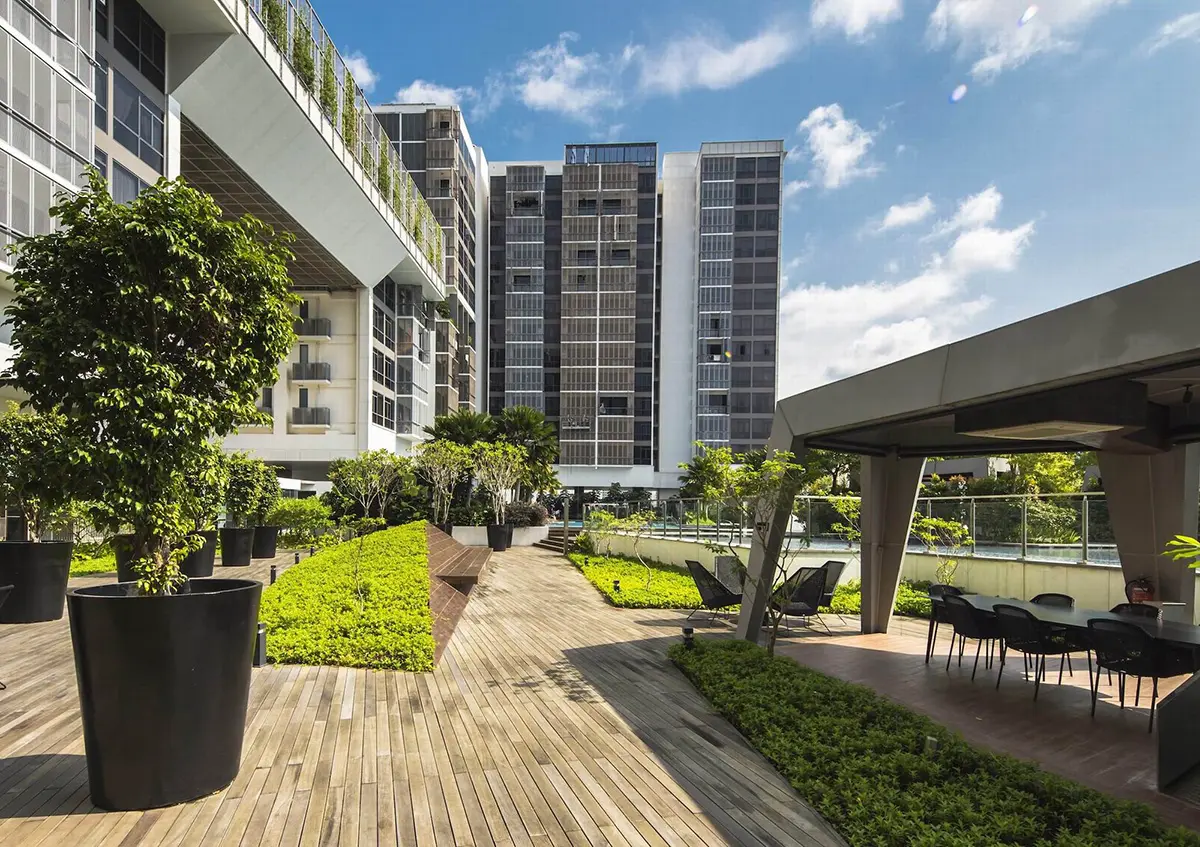
In the United States and Canada, larger suburban layouts feature wider rooms but frequently span multiple floors, including finished basements and split-level mezzanines. Multi-generational living arrangements in these regions require accessibility solutions that blend into open-concept floor plans. Here, through-floor lifts are customized with wood veneers, custom glass panels, and smart lighting systems to match high-end interior finishes. Compliance with ASME A18.1 standards is key in these installations, requiring safety underpans, precise interlocking gates, and clear emergency lowering protocols.
In high-density urban centers like Singapore, Hong Kong, and Tokyo, luxury duplex and triplex apartments are common. With property values at historic highs, every square meter counts. The through-floor lift’s small footprints (often under 0.9 m²) offer an efficient vertical transit alternative to traditional stairs, raising property value without sacrificing useable floor area.
A technical assessment of safety redundancies, certification systems, and structural integrity protocols.
As a reputable vertical transportation engineering partner, Ningbo Bluetech ensures all products undergo strict QA and QC inspections. Safety is the primary concern for home elevators, and our through-floor lift designs feature multiple mechanical and electronic fail-safe systems:
The bottom panel of the elevator cabin is equipped with high-sensitivity pressure sensors. If an object is left underneath the lift, the unit halts immediately to prevent injury or damage.
When the lift is at the lower or upper position, the structural design maintains the thermal and acoustic insulation of the floor plate, keeping the home energy-efficient and quiet.
Equipped with backup batteries and manual override valves, the lift allows users to lower safely to the ground level in the event of a residential power cut.
In compliance with EN 81-41, the lift travel speed is limited to 0.15 m/s, providing a comfortable ride for elderly or disabled passengers. All electrical systems run on a low-voltage 24V control circuit, which prevents electrical shock hazards during maintenance and operation.
Integrating almost two decades of specialist manufacturing expertise with elite global lift engineering networks.
NINGBO BLUETECH, established by a group of specialists in 2006, is dedicated to elevators and escalators, with nearly 20 years of professional industry experience. With decades of development and research, NINGBO BLUETECH has become known for its excellent quality and service. Our solutions cover home elevators, passenger elevators, sightseeing elevators, freight elevators, and dumbwaiters. All products are designed and produced under the latest EN-81 standard.
With a humanized design that prioritizes safety and quality, BLUETECH brand products are highly competitive and cost-effective. We serve both the domestic market and export to more than 30 countries, including Singapore, Thailand, Saudi Arabia, UAE, Germany, Egypt, Ethiopia, and Nigeria.
Our partners include many international elevator companies, such as Mitsubishi Middle East and ThyssenKrupp Africa. We work together on new lift installations, modernization, and maintenance projects. When you choose NINGBO BLUETECH, you partner with industry experts dedicated to providing reliable vertical transportation.
Collaborative alignment for high-performance municipal, commercial, and residential projects across developing Gulf regions.
Sourcing partnership for modernizations, retrofits, and high-durability infrastructure development across growth economies.
We apply advanced technologies into our products, such as intelligent VF control technology, emergency rescue systems, and energy-saving regeneration devices, ensuring BLUETECH's signature high quality.
Years of professional design experience enable us to provide the best solutions for complex, custom architectural layouts.
We respect both existing and prospective customers, providing replies or technical solutions within 12 hours, pre-sales or post-sales.
Based on long-term supplier relationships and efficient purchasing processes, we offer competitive, factory-direct pricing.
A showcase of residential, hospitality, and commercial installations completed worldwide.
Detailed engineering, installation, and procurement answers for structural engineers and procurement heads.
Explore our complete manufacturing portfolio, from smart controllers to heavy freight transport systems.
 Bluetech