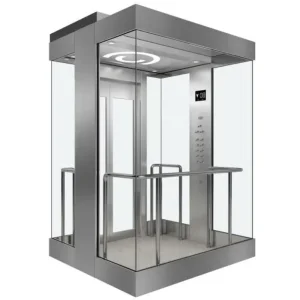
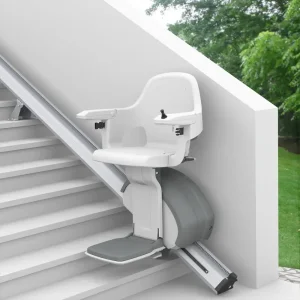
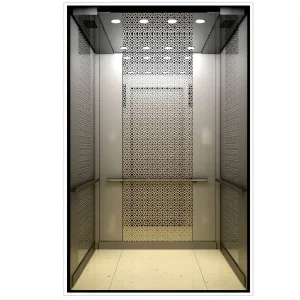
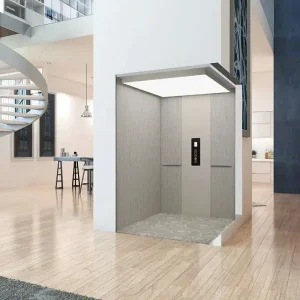
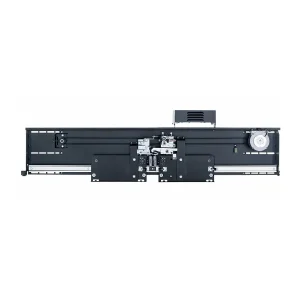
Explore our foundational range of premium elevators, advanced lift platforms, and industrial cabin designs.
In modern industrial facilities, micro-fulfillment warehouses, and urban multi-story manufacturing hubs, optimization of vertical supply logistics is critical to operational throughput. The structural integrity, materials, and safety characteristics of the cabin of a small freight elevator are key factors in determining structural longevity, operational efficiency, and strict regulatory compliance. As modern supply chains require higher cycle speeds and precise load handling, selecting an experienced manufacturer in China becomes a strategic decision for developers, engineers, and elevator modernization companies globally.
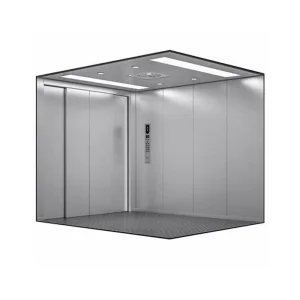
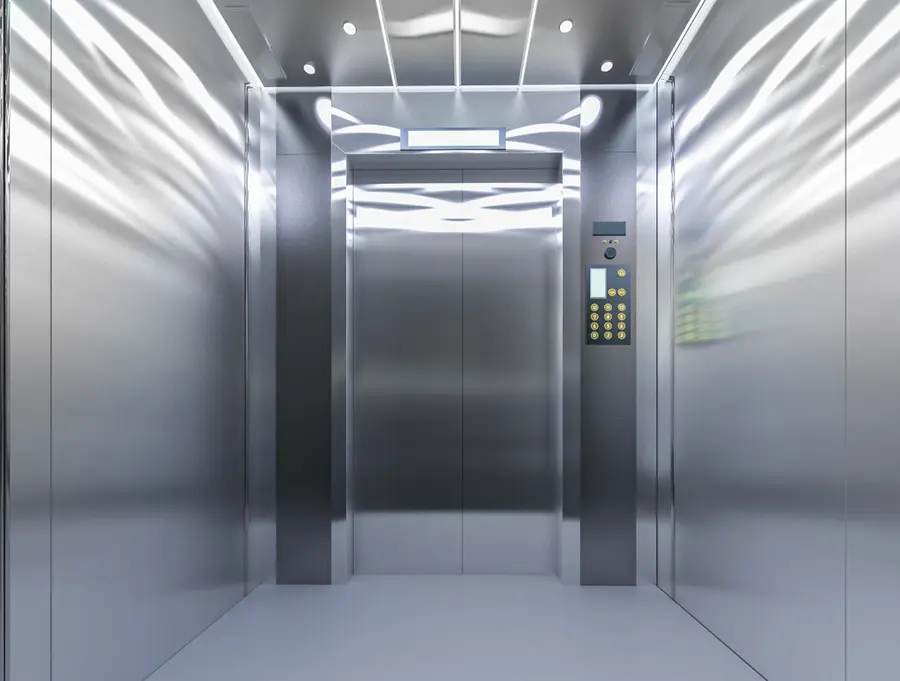
Historically, freight elevator cabins were viewed as simple sheet-metal enclosures. Today, they are engineered systems undergoing intense stress analysis. The modern small freight elevator cabin (typically supporting capacities from 500kg up to 2000kg) acts as a structural envelope that must absorb mechanical energy during loading and unloading, resist structural deflection from off-center loads, and isolate vibration to protect sensitive cargo.
The global shift toward compact industrial hubs has generated high demand for "small-footprint, heavy-duty" systems. These systems require cabins that maximize internal volume while maintaining structural stiffness within small hoistway boundaries. Advanced manufacturing processes, including CNC laser profiling, automated robotic welding, and Finite Element Analysis (FEA), ensure that cabins sourced from leading Chinese factories withstand years of high-frequency operation.
Structural reliability depends on material quality. High-end Chinese manufacturers prioritize high-tensile carbon steel frames integrated with modular sheet metal panels. The standard specification for light-industrial use is SUS304 Stainless Steel, which offers excellent corrosion resistance and hygiene compliance, making it suitable for pharmaceutical and cleanroom applications. For heavy industrial setups, reinforced carbon steel panels with electrostatic powder coatings provide durable defense against abrasion, chemical exposure, and humidity.
Anti-deflection engineering is vital for handling off-center loads, which often occur when hand trucks or automated guided vehicles (AGVs) enter the elevator. Without reinforcements, uneven load distribution causes localized bending of the cabin floor. Our factories address this by utilizing cross-braced channel steel frames underneath the cabin platform, coupled with reinforced upright columns. These components transfer load forces directly to the car sling assembly, preventing long-term structural deformation and reducing stress on the guide shoes.
Established in 2006 by industry specialists, NINGBO BLUETECH has nearly 20 years of professional experience in developing high-grade elevators, escalators, and core components. We are recognized globally for safety, durability, and customized engineering.
Our comprehensive vertical transport portfolio includes home passenger lifts, observation elevators, cargo systems, and specialized cabin fabrication. All systems are engineered to conform to the latest EN-81 European standards, ensuring safety, smooth travel, and seamless installation. With humanized design and competitive pricing, our systems serve both regional projects and export clients in over 30 countries.
Established Year
Years R&D Experience
Patents Earned
Countries Exported To
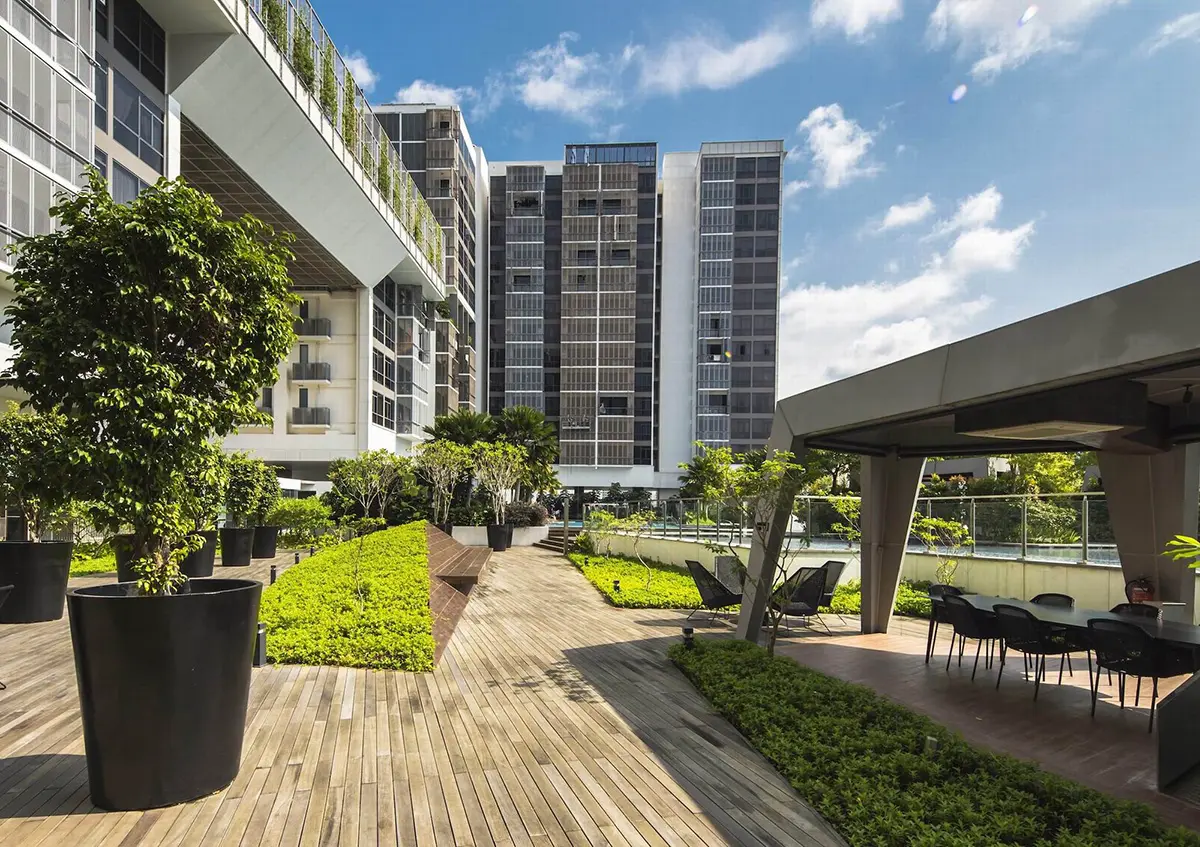
Why industrial procurement professionals trust Ningbo Bluetech for freight elevator cabin design and components.
Our experienced design team specializes in providing custom-tailored solutions for challenging spatial profiles, low overheads, and shallow pits.
We respect our clients' project deadlines and guarantee a technical response or comprehensive quotation within 12 hours of inquiry.
Through long-term strategic vendor relations and standardized production layouts, we deliver premium performance without premium cost.
Standard fabrication runs are completed in 3 weeks. For urgent structural modernization projects, we can expedite production down to 2 weeks.
Global procurement teams are shifting away from localized assembly workshops to large-scale, automated manufacturing hubs in China. This transition is driven by the density of the supply chain, which consolidates access to high-grade sheet metal, high-efficiency traction systems, specialized controller modules, and structural components. Buying directly from a factory like Ningbo Bluetech reduces structural engineering overheads while allowing for custom modifications.
In addition, the integration of advanced automation technologies—such as robotic laser welding systems—guarantees structural precision, ensuring every panel fits perfectly upon arrival. Sourcing from China also provides significant benefits in Total Cost of Ownership (TCO), allowing projects to optimize budgets while maintaining high material standards.
The next generation of freight elevator cabins features integrated sensor technology and advanced connectivity. Cabin structures are transitioning from passive enclosures to active, data-generating components of smart facilities. Emerging trends include:
By implementing these technologies, facility operators can shift from reactive repairs to predictive maintenance, ensuring high system uptime in critical logistics facilities.
Real-world integration of our vertical systems in collaboration with global partners like Mitsubishi Middle East and ThyssenKrupp Africa.
Our products feature humanized design, advanced safety standards, and energy efficiency, making them highly competitive globally.
Our engineering and design teams collaborate closely with clients across our global offices to implement high-quality vertical transport solutions. We combine project requirements with advanced engineering practices to deliver reliable, durable systems.
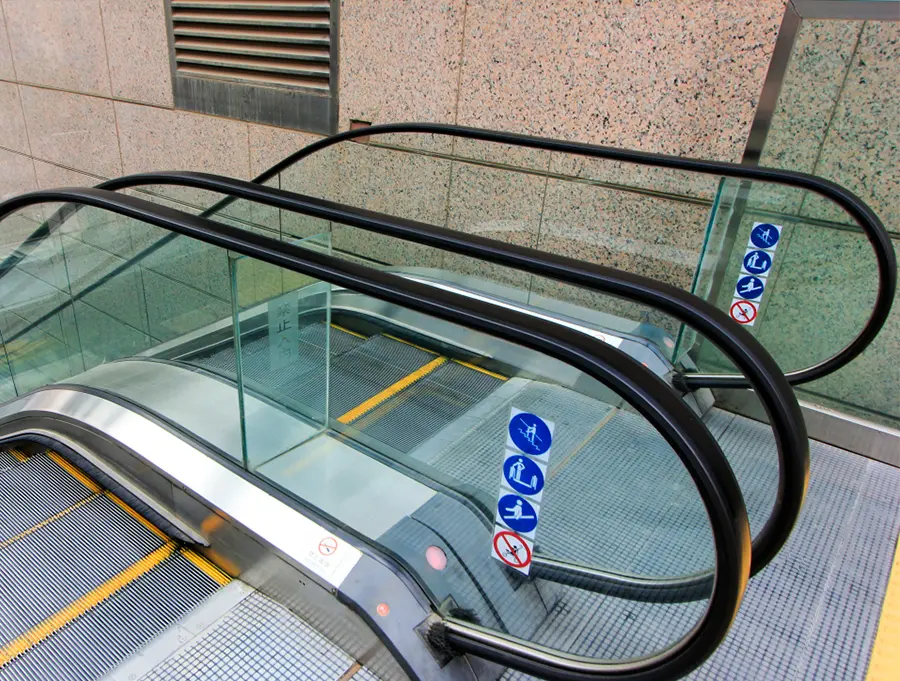
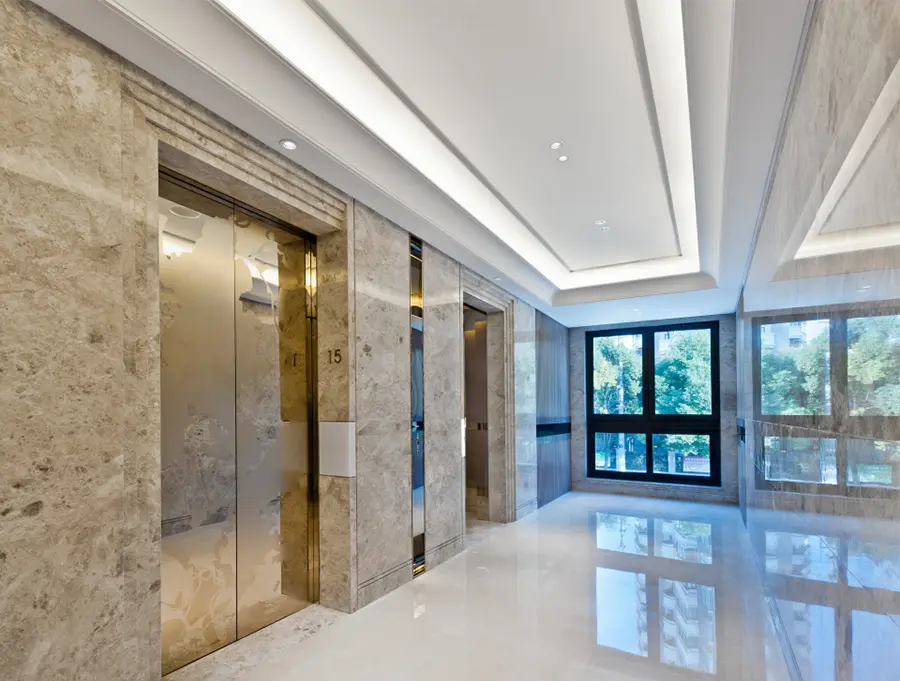
A major challenge in elevator procurement is ensuring that cabins fabricated overseas align with local installation standards and building codes. An imported cabin must interface seamlessly with local guide rails, door systems, and car slings. Our engineering processes utilize pre-engineered layouts and 3D modeling to match local guide rail dimensions, ensuring smooth installation.
We design and construct all systems in compliance with EN 81-20/50, EN 81-31 (European standards), and ASME A17.1 (North American codes). By focusing on global compliance, we ensure that our cabins pass regional inspections and provide reliable service for decades.
Industrial operations often require shipping materials that release gases, dust, or heat. Proper ventilation in small freight cabins is essential for maintaining air quality and protecting cargo. Modern cabins feature forced-induction cross-flow fan assemblies that refresh cabin air multiple times per hour.
Lighting is another important consideration. Traditional fluorescent tubes are being replaced by high-lux, low-draw LED panels. These LEDs are flush-mounted behind reinforced acrylic or stainless steel grates to prevent damage from tall cargo, providing bright, reliable illumination throughout the cabin.
Expert insights into technical design, compliance, material specifications, and global sourcing workflows.
Standard industrial cabins utilize cold-rolled carbon steel panels with a thickness range of 1.5mm to 2.5mm for wall panels, depending on the rated capacity. Floors are typically constructed from 3.0mm to 5.0mm thick checkered steel or stainless steel plates, reinforced with structural steel sub-beams. This combination provides high load bearing capacity and resists deflection under heavy loads.
All our cabin assemblies and mechanical structures are designed to comply with European Standards (EN 81-20, EN 81-50, and EN 81-31). For North American projects, we design to ASME A17.1 specifications. We provide complete technical documentation, including structural calculations, component certifications, and installation schematics, to facilitate local safety approvals.
Yes. Custom engineering is a core service. Using 3D modeling and structural software, we can design the cabin width, depth, height, and door interfaces to match existing hoistway geometries. This makes our cabins suitable for building modernization projects where space is fixed.
For humid or coastal environments, we recommend cabins made of SUS304 or SUS316 stainless steel. When carbon steel is used, the panels undergo multi-stage pre-treatment, including zinc-phosphating, followed by a durable electrostatic powder coating. This process ensures long-term resistance to rust and environmental wear.
Standard fabrication takes approximately 3 weeks from technical drawing approval. For urgent modernization or replacement projects, we can optimize the workflow to complete fabrication within 2 weeks. Shipping times vary depending on the destination port.
Browse our full catalog of residential, commercial, and heavy-duty cargo systems.
 Bluetech