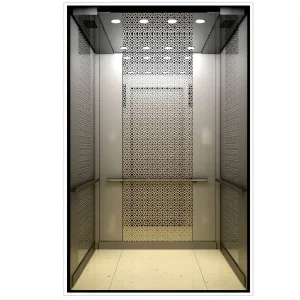
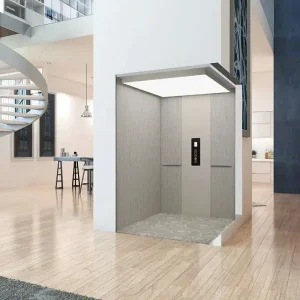
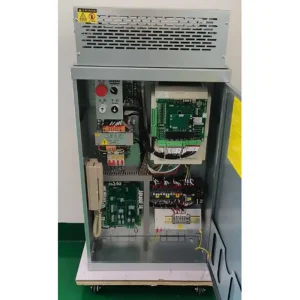
Explore our elite range of space-efficient residential elevators, structural components, and custom cabin options
Why Modern Architecture is Abandoning the Concrete Shaft in Favor of MRL (Machine-Room-Less) and Pitless Technologies
Globally, residential and light commercial property developments are seeing a dramatic shift toward space optimization. Shaftless elevators (also known as through-floor lifts or compact home elevators) have evolved from accessibility niche products to mainstream architectural statements. In metropolitan areas across North America, Europe, and Asia-Pacific, structural modifications to heritage buildings are highly restricted. Traditional concrete elevator shafts require extensive excavation for pits (typically 1000mm to 1500mm deep) and high overhead clearance. Shaftless technology eliminates these invasive measures, relying on self-supporting dual-rail structural paths that distribute load to floors rather than load-bearing walls.
From a mechanical standpoint, modern shaftless lifts utilize advanced drive mechanisms including vacuum pneumatic propulsion, precision helical screw & nut assemblies, and compact traction drives with steel belts. By omitting the traditional counterweights and hoistways, these units reduce spatial requirements by up to 60%. The global market is growing rapidly as developers seek to maximize net internal floor area (NIA). Integrating these systems enhances building valuations while lowering upfront construction labor costs, transforming a multi-week masonry install into a 2-to-3-day mechanical assembly.
How Industrial Clustering, Vertical Integration, and Advanced Engineering Elevate Production Value
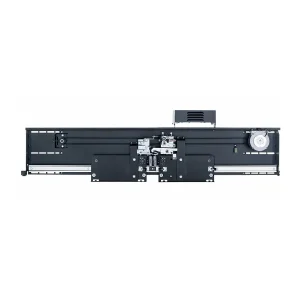
China is home to the most concentrated, vertically integrated elevator manufacturing ecosystem in the world, centered largely in industrial zones like Ningbo and Zhejiang. When sourcing shaftless elevators, B2B procurement agents gain a substantial advantage from Chinese factories due to the localized presence of specialized component suppliers. From high-grade structural guide rails and VVVF variable-frequency door systems to advanced safety gears and micro-controllers, every core input is manufactured in close proximity. This drastically reduces transit times, minimizes overhead, and enables highly agile custom design modifications.
Top-tier factories manufacture in strict alignment with international certification baselines. All products are designed and produced under the latest EN-81 and EN-81-41 European standard codes, as well as being compliant with regional variations in Australia, South America, and the Middle East.
Thanks to streamlined operations, basic standard models can be delivered in just 2 to 3 weeks. Even fully customized architectural models with special panoramic glazing or high-end internal finishes are ready for shipping within 3 to 4 weeks, beating global competitors by months.
High scale-capacity and efficient raw material sourcing translate directly to lower unit costs. B2B buyers can redirect budgets toward high-margin decorative customization and architectural features without exceeding structural engineering allocations.
Established in 2006, combining nearly 20 years of professional industry experience in design, logistics, and quality assurance.
NINGBO BLUETECH, established by a group of industry specialists in 2006, is dedicated to the engineering, manufacturing, and global supply of premium elevators and escalators. Our comprehensive product portfolio covers home elevators, passenger elevators, panoramic sightseeing lifts, heavy-duty freight elevators, and space-efficient dumb waiters.
With a core design philosophy centered on humanized interaction, structural safety, and high production quality, BLUETECH brand products are highly marketable and cost-competitive. We serve not only the fast-evolving domestic Chinese market but also export to over 30 countries globally, including Singapore, Thailand, Saudi Arabia, the UAE, Germany, Egypt, Ethiopia, and Nigeria.
Our partners include several of the world's most distinguished vertical transit brands. We collaborate actively with international leaders such as Mitsubishi Middle East and ThyssenKrupp Africa, partnering on new elevator installs, modernizations, and continuous maintenance programs.
An analytical breakdown of engineering specifications, spatial demands, and installation constraints
| Feature Spec | Traditional Hoistway Elevator | Modern Shaftless Home Lift | Engineering Benefit |
|---|---|---|---|
| Pit Requirement | 1000mm – 1500mm deep concrete excavation | 0mm – 50mm (Pitless setup) | No structural water-table interference or slab drilling |
| Overhead Clearance | Requires 3400mm – 3800mm overhead space | Requires only 2300mm – 2500mm (standard ceiling) | Fits perfectly within standard attic or top-floor spaces |
| Drive Mechanism | Heavy Geared/Gearless traction or large Hydraulic ram | Compact Screw/Nut, Vacuum Pneumatic, or Belt Traction | Minimizes mechanical footprint and eliminates grease |
| Load Distribution | Heavy structural load carried by the building walls | Load carried directly to the bottom floor slab | Allows installation in light frame timber or drywall structures |
| Installation Time | 3 to 6 weeks of onsite construction and wiring | 2 to 4 working days from delivery to handoff | Drastically lowers labor fees and minimizes home disruption |
| Machine Room | Requires a separate control room or top overhead box | Self-contained in-shaft control unit (No room needed) | Maximizes net usable square footage of the building |
How designers integrate space-saving vertical mobility across varying modern structural typologies
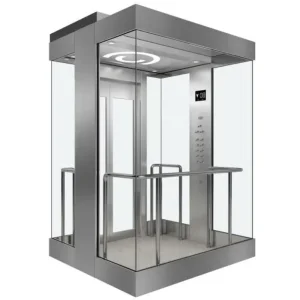
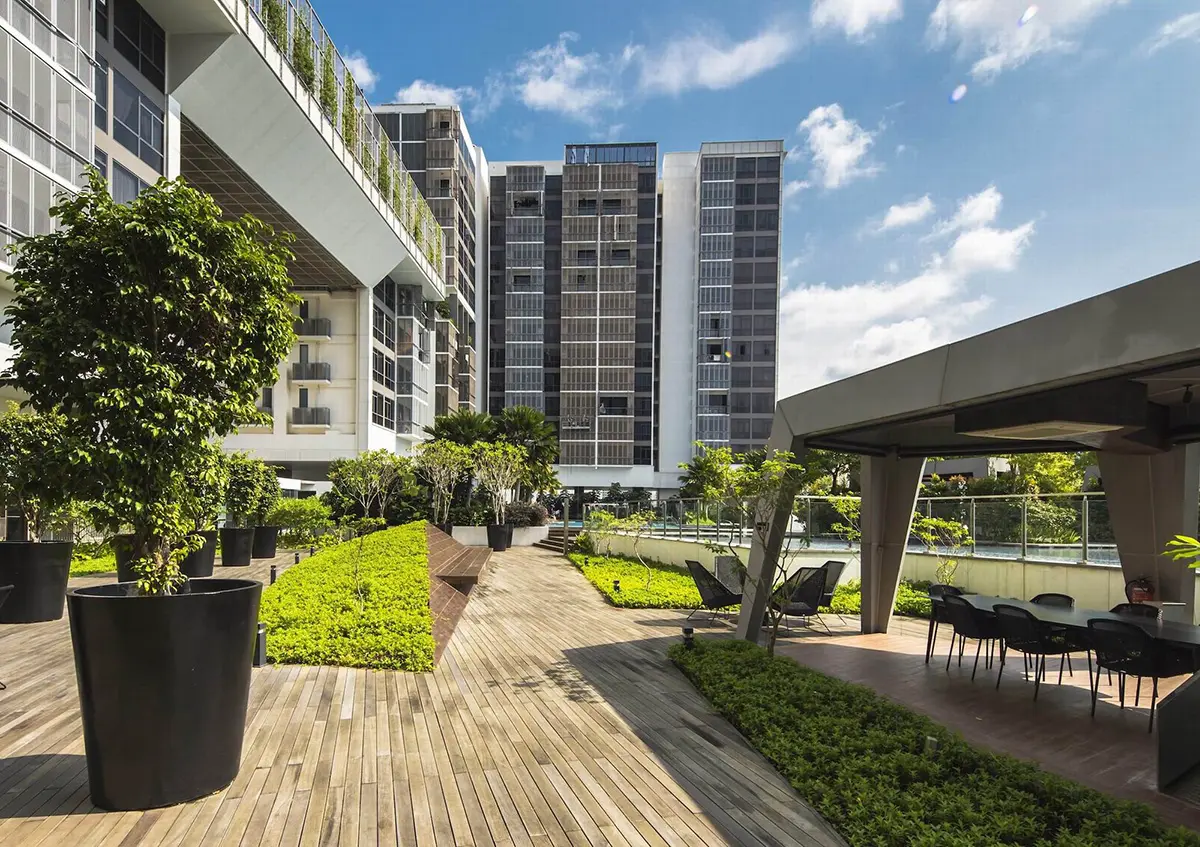
In high-end real estate, space is the ultimate luxury. A traditional elevator shaft takes up valuable living area on every floor. Shaftless passenger elevators, utilizing clear panoramic polycarbonate or glass cabins, allow light to flow seamlessly. They integrate directly into stairwells or corner rooms, preserving design aesthetics while providing smooth, VIP vertical transport.
Cities across Europe and North America contain historic brick and masonry buildings that lack elevators. Excavating a concrete pit or adding heavy overhead machinery would threaten the structural integrity of these foundations. Shaftless, floor-supported systems circumvent this issue entirely, enabling easy compliance with historic preservation codes.
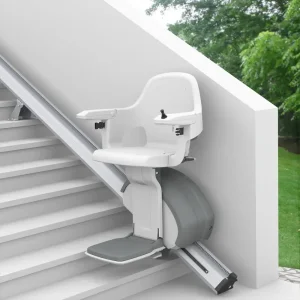
As populations age in developed countries, retrofitting homes for wheelchair accessibility or limited-mobility occupants is key. Stairlifts are often visually intrusive and offer limited utility. Shaftless platforms and cabin lifts accommodate users, mobility devices, and items like groceries effortlessly without major alterations.
The global elevator market is rapidly embracing sustainability. The integration of regenerative drive systems allows elevators to capture braking energy and feed it back into the home or building grid, cutting operational energy draws by up to 30%. Furthermore, smart diagnostic modules analyze mechanical wear, alerting operators via IoT connections before components require service. This technology lies at the core of NINGBO BLUETECH's advanced systems, ensuring exceptional service life and reliability.
Ensure regulatory compliance, mechanical reliability, and smooth importing logistics
Unlike stock commodity products, every shaftless lift project varies. Architectural conditions demand flexible guide heights, customizable door positioning (front, through-car, or 90-degree side entry), and localized power options (single-phase 220V vs three-phase 380V). Ensure your selected Chinese manufacturer has a dedicated in-house engineering and R&D team. At NINGBO BLUETECH, we provide comprehensive, case-specific blueprints within 12 hours, ensuring the physical unit interfaces perfectly with onsite construction.
Safety is the foundation of structural compliance under EN-81. Shaftless lifts must feature dual electromagnetic safety brakes, backup power reserves for emergency lowering (Automatic Rescue Device - ARD), and mechanical overspeed governors. If mains power fails, the cabin must automatically descend to the bottom floor and release the door lock, ensuring occupants are never stranded.
Always inquire about the exact brand and specification of key components:
By sourcing from reputable manufacturers that employ these top-tier systems, developers avoid post-install service calls, keeping overall cost of ownership low.
Expert technical answers regarding compliance, installation constraints, pricing, and structural design
No. Unlike traditional traction lifts, modern shaftless lifts do not require a structural concrete pit excavated into the foundation. A standard home shaftless elevator can be installed directly on a level finished floor. At most, a shallow ramp is used to offset the 50mm high cabin floor threshold, or a very shallow floor recess can be cut to keep the entrance completely flush with the floor.
For European markets, compliance with EN-81-20/50 or EN-81-41 (for platform and vertical accessibility lifts) is mandatory, along with a CE marking. For North American markets, compliance with ASME A17.1 / CSA B44 safety standards is required. NINGBO BLUETECH fabricates all passenger and home lifts to meet or exceed EN-81 criteria, and our units have successfully shipped to over 30 countries globally.
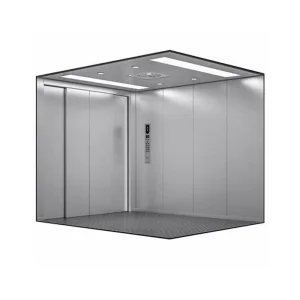
Standard residential shaftless lifts typically support capacities ranging from 250kg to 400kg, which comfortably accommodates 2 to 3 adults or a single wheelchair user with an attendant. For heavy-duty commercial or freight applications, customized traction layouts are available that support 1350kg up to 5000kg.
The elevator components are packed securely in reinforced, seaworthy wooden crates to prevent movement or structural damage during transit. The lift is modularly designed, meaning the guide rails, driving system, cabin frame, and glass panels arrive ready to assemble. Two experienced technicians can typically complete the structural installation and wiring within 2 to 3 working days.
VVVF controllers electronically regulate the power supply frequency to the motor. This allows for smooth, incremental acceleration and deceleration curves, eliminating sudden starts or stops. Beyond ensuring passenger comfort, VVVF systems reduce initial power draw spikes, extending the mechanical life of gears and lowering overall electricity consumption.
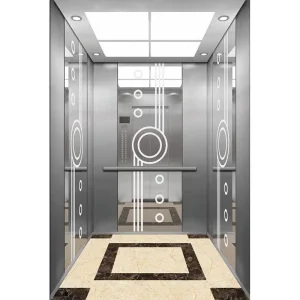
Yes. Modern factories offer extensive customization options, including clear panoramic glass cabins, custom stainless steel cabin finishes (mirror, etched, gold, titanium), and variable door opening formats (single door, double through-doors, or adjacent doors). The structural guide rails can also be custom-colored to blend seamlessly into your home's existing interior color scheme.
Explore our technical component range and complete passenger vertical transport setups
 Bluetech