Industrial components and specialized lifts engineered for international residential, commercial, and freight installations.
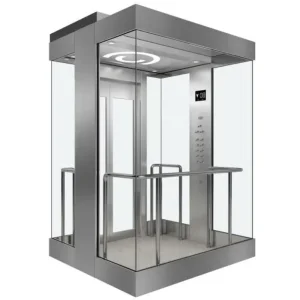
Analyzing architectural shifts and structural limitations driving the adoption of shaftless micro-residential lifts.
In modern architectural design, space conservation and retrofitting simplicity have become paramount. Standard passenger lifts require deep pits, massive overhead clearances, and dedicated structural shafts. This introduces heavy construction costs and compromises structural layouts, particularly in existing multi-story dwellings, historical buildings, and compact villas.
The shaftless elevator (often classified under compact residential elevators or through-floor lifts) addresses these limitations by utilizing independent guide rail structures, internal drive systems, and small footprint configurations. Global demand for these solutions has surged, fueled by population aging, rapid urban density growth, and home modernization trends across North America, the European Union, the Middle East, and Asia-Pacific regions.
Perfect for multi-story urban homes where concrete elevator shafts cannot be built due to foundational structural constraints.
Compact machinery eliminates overhead control rooms, reducing power draws and saving up to 60% of vertical space.
Complies with international structural and emergency regulations (e.g., EN-81 and ASME A17.1 safety parameters).
Understanding cost structures, components, installation, and import-export freight variables.
Evaluating a shaftless elevator cost requires analyzing both initial equipment expenditure (CapEx) and operational/installation expense (OpEx). When procuring from China, suppliers provide significant competitive advantages due to vertically integrated manufacturing, consolidated parts sourcing, and optimized labor overheads.
| Drive Mechanism Type | Average China FOB Cost (USD) | Typical Global Retail Price (USD) | Key Cost Drivers / Variables | Installation Overhead |
|---|---|---|---|---|
| Traction (MRL Counterweight) | $8,000 - $14,000 | $25,000 - $45,000 | VVVF Inverters, PMSM motor power, cabin finishes. | Moderate (2-3 days assembly) |
| Hydraulic (Piston/Cylinder) | $7,000 - $12,000 | $22,000 - $38,000 | Hydraulic power unit, valve noise buffers, oil piping. | High (requires line checks) |
| Pneumatic Vacuum (PVE) | $10,000 - $18,000 | $30,000 - $55,000 | Polycarbonate cylinder quality, turbine sealing systems. | Low (easy slide assembly) |
| Screw & Nut Drive | $9,500 - $16,000 | $28,000 - $48,000 | Screw shaft threading, self-lubricating nut assembly. | Minimal (no pit required) |
How modern engineering optimizes mechanical efficiency, structural stability, and safety systems.
Gearless traction machines reduce energy loss by 30-40% compared to traditional geared drives. Their compact design enables installation directly within the hoistway profile, eliminating mechanical rooms.
Variable Voltage Variable Frequency micro-processors analyze cabin loads and adjust torque patterns in real-time. This provides smooth acceleration curves and precise leveling accuracy within ±2mm.
Equipped with electromechanical safety gears, overspeed governors, emergency backup batteries (ARD) for automatic power-loss lowering, and safety light curtains to prevent door entrapment.
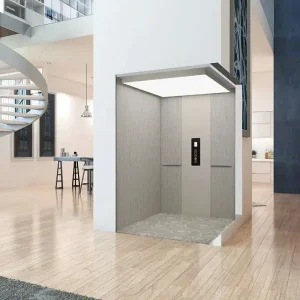
Shaftless home lifts travel through a simple ceiling aperture. When the lift is on the lower floor, the ceiling aperture cover seals the upper floor structure, preserving floor space and integrity. Guide rail columns support the vertical load, shifting the weight to the ground floor foundation and eliminating the need for load-bearing walls.
Delivering high-quality, international-standard elevators and escalators since 2006.
NINGBO BLUETECH IMPORT & EXPORT CO., LTD.
Established by a group of industry specialists in 2006, NINGBO BLUETECH is dedicated to the development, manufacturing, and global supply of elevators and escalators. With nearly 20 years of professional industry experience, our brand is recognized for its product quality, engineering safety, and responsive services.
Our solutions cover home elevators, passenger elevators, sightseeing elevators, freight elevators, and dumbwaiters. All products are designed and produced under the latest EN-81 standards, ensuring full safety compliance for both local and international markets.
With humanized design features, high safety margins, and competitive pricing, BLUETECH brand products are highly marketable. We have successfully exported to more than 30 countries and regions, including Singapore, Thailand, Saudi Arabia, the UAE, Germany, Egypt, Ethiopia, and Nigeria.
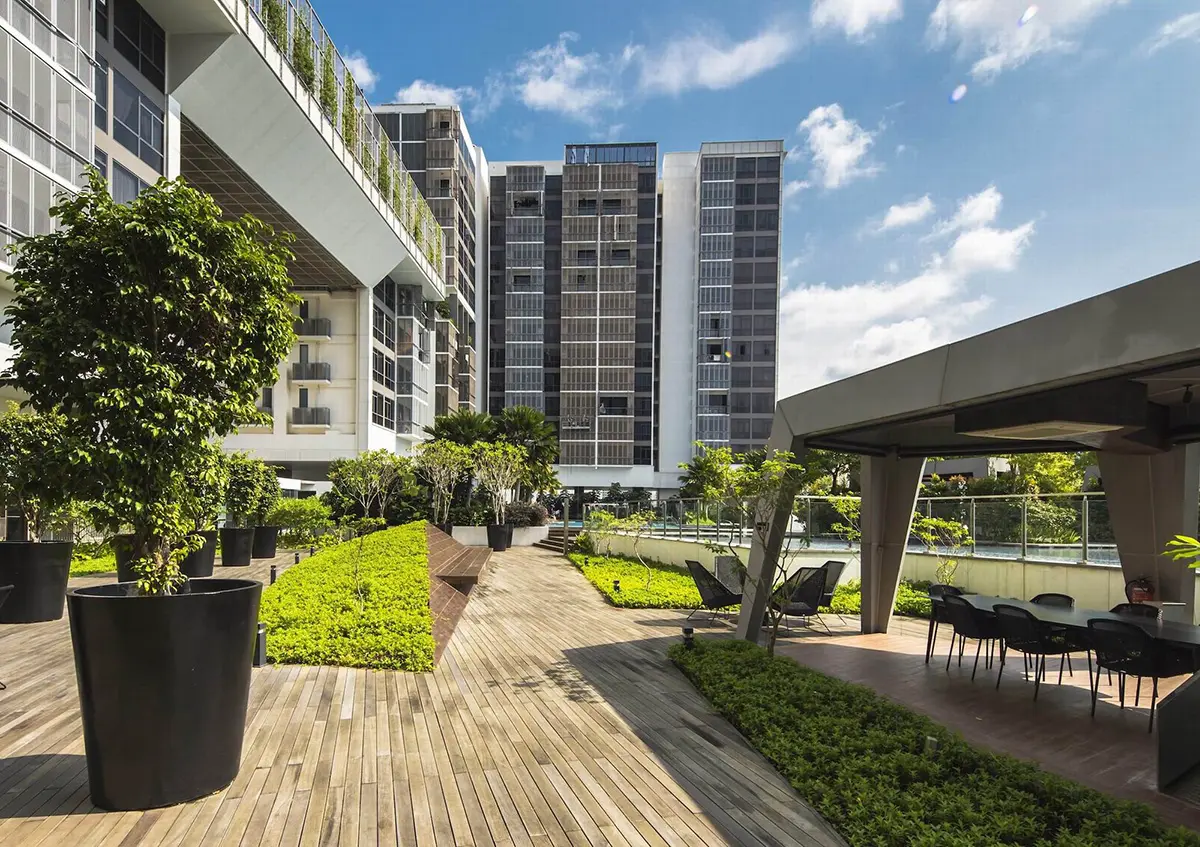
Our partners include major international elevator companies, such as Mitsubishi Middle East and ThyssenKrupp Africa. We collaborate on new lift installations, system modernization, and component maintenance projects. When you choose NINGBO BLUETECH, you work with a team of industry experts dedicated to high-quality manufacturing, product safety, and long-term performance support.
Advanced engineering, direct pricing, and swift B2B technical support workflows.
Our design team specializes in adapting elevator structures to limited footprints and complex spaces, delivering custom cabin solutions for unique architectural layouts.
We provide technical support and price quotations within 12 hours. Dedicated sales and engineering teams handle inquiries before and after purchase.
By optimizing our material sourcing and production workflows, we offer competitive B2B prices for premium elevator products.
Standard orders are completed within 3 weeks, and urgent requirements can be processed within 2 weeks under priority manufacturing schedules.
Our team collaborates with clients to design, build, and deliver reliable vertical transportation systems.
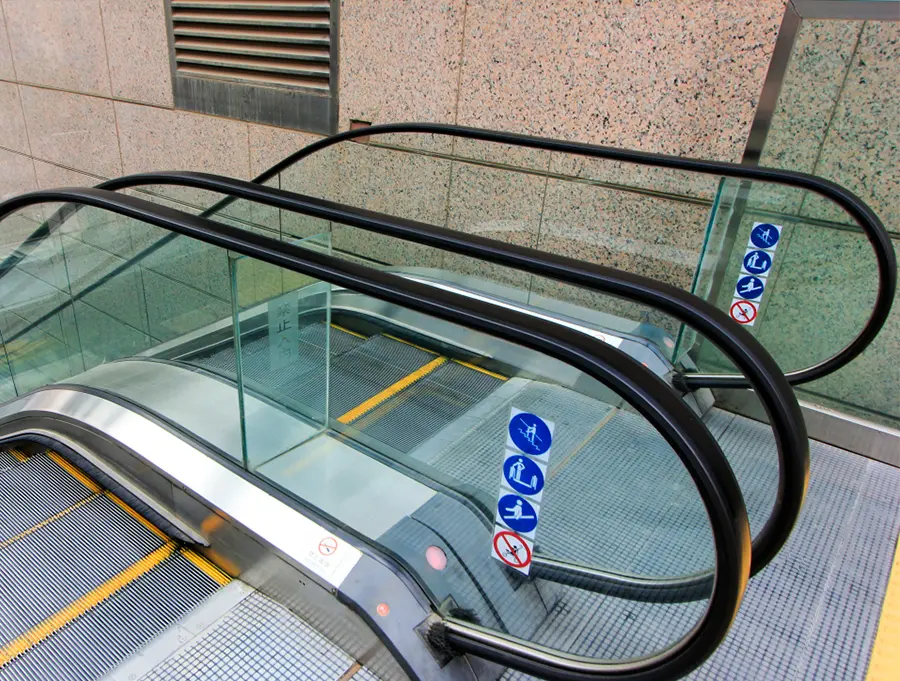
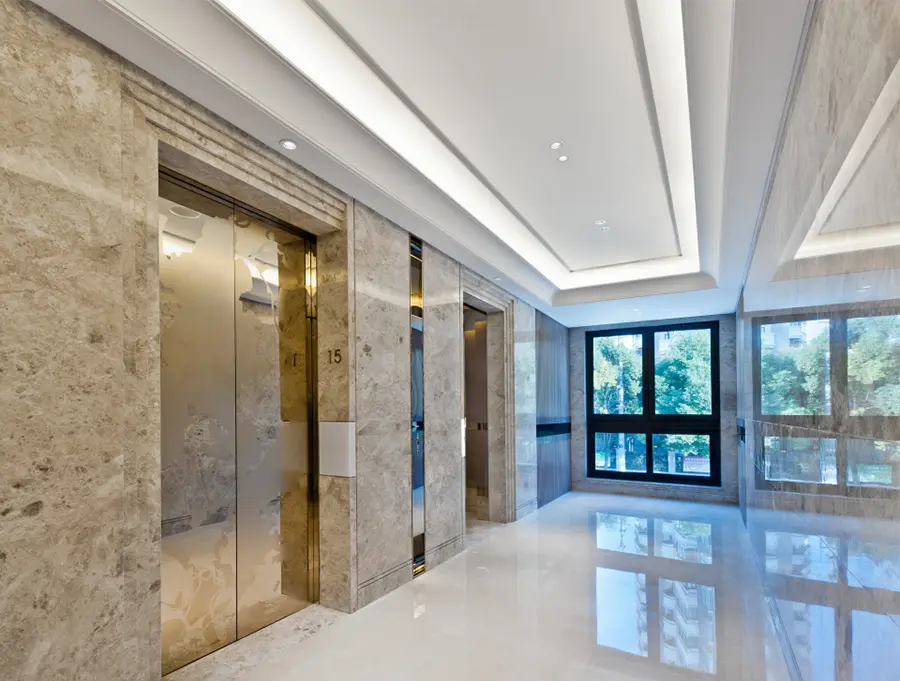
Answers to technical, regulatory, and cost questions for B2B buyers and structural engineers.
FOB equipment costs for residential shaftless lifts generally range from $7,000 to $18,000 USD, depending on the drive mechanism (screw, traction, or pneumatic), cabin material, and travel height. Shipping, customization, and local installation costs will adjust final project totals.
It utilizes robust, self-supporting guide rails anchored to the floor and ceiling. The cabin travels along these vertical tracks, passing through a ceiling aperture. Built-in pressure sensors and safety micro-switches halt the lift if an obstruction is detected under the platform or on top of the car.
Yes. All NINGBO BLUETECH elevators and escalators are manufactured to meet current EN-81 standards. Our safety components, control cards, and structural rails are tested and certified for safety compliance and reliable operation.
Yes. Since they require no deep pit or load-bearing concrete shaft, shaftless elevators are ideal for retrofits. The process involves creating a ceiling opening between floors and securing the guide rails, keeping structural modifications minimal.
Our standard production cycle is 3 weeks. In urgent cases, production can be completed in 2 weeks. Ocean transit times vary by destination port, taking approximately 15 to 40 days.
Shaftless elevators require simple maintenance. We recommend checking guide rail lubrication, emergency batteries, safety gears, and the control module once or twice a year. NINGBO BLUETECH provides spare parts and technical support to assist local maintenance technicians.
Explore our main systems, replacement parts, and transit options available for global export.
 Bluetech