Explore our core engineering portfolio, showcasing world-class machinery manufactured under stringent EN-81 and EN-115 international safety guidelines.
A comprehensive analysis of heavy-duty, synchronized vertical transportation configurations for high-density pedestrian corridors.
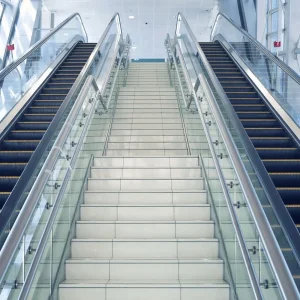
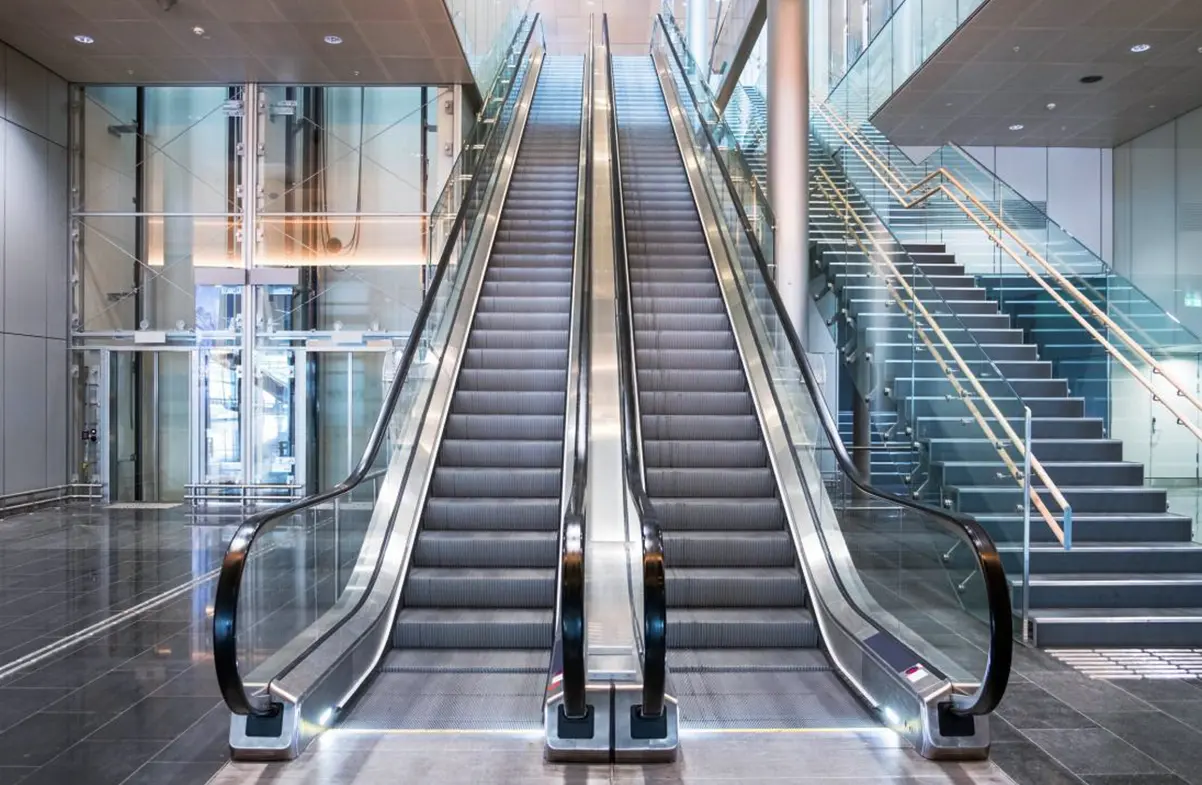
In modern urban infrastructure planning, vertical transportation systems are no longer treated as isolated, single-unit links. As cities grow vertically and high-speed rail, metro transits, and massive mixed-use commercial developments expand, the installation of Parallel Escalators has become a fundamental architectural standard. Parallel configurations (placing two or more escalators adjacent to one another, moving in opposite or coordinated directions) offer unparalleled efficiency, system redundancy, and crowd control.
From a logistics engineering standpoint, parallel escalators serve as continuous-flow pedestrian highways. Unlike elevator systems, which operate in batch cycles and require passenger waiting times, parallel escalators maintain zero waiting latency, making them the preferred technology for handling peak commuter surges. Our engineered configurations utilize state-of-the-art variable frequency drives (VFD) and intelligent structural synchronization mechanisms, ensuring smooth transit rates up to 9,000 passengers per hour per unit.
Information Gain Concept: Structural resonance can occur when multiple heavy escalators run side-by-side in parallel. Our systems feature active harmonic dampeners and phase-shifting drive controllers to eliminate structural vibration propagation, saving up to 30% in structural reinforcement costs for developers.
A trusted global supplier of elevators, escalators, and intelligent control systems certified to international EN-81 and EN-115 standards.
Established in 2006 by a visionary group of mechanical engineers and heavy industrial automation specialists, Ningbo Bluetech Import & Export Co., Ltd. has dedicated nearly 20 years to the research, development, and manufacturing of high-grade vertical transportation systems. Over decades of intensive design evolution, the BLUETECH brand has built an international reputation for safety, reliability, and humanized design.
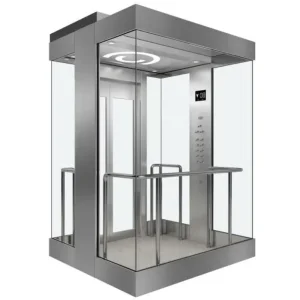
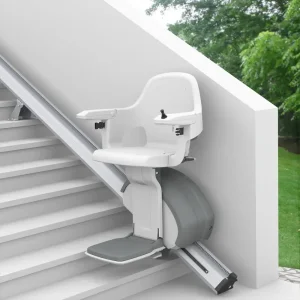
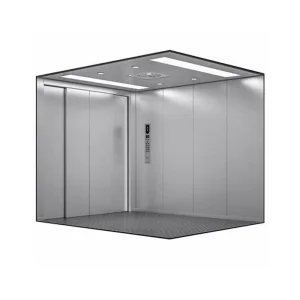
Our comprehensive solutions portfolio covers home elevators, luxury passenger elevators, panoramic sightseeing lifts, heavy freight elevators, dumbwaiters, and high-performance parallel escalators. All BLUETECH solutions are rigorously designed, manufactured, and tested to meet the latest European safety standard EN-81 and EN-115.
We operate a robust global network, partnering directly with leading international lift corporations for both new installations, modernization, and long-term preventive maintenance programs. Our major alliances include collaborations with esteemed operators like Mitsubishi Middle East and ThyssenKrupp Africa. We serve clients across more than 30 nations, including Singapore, Thailand, Saudi Arabia, the United Arab Emirates, Germany, Egypt, Ethiopia, and Nigeria.
How automation, precision welding, and lean production paradigms drive down acquisition costs while maximizing escalator structural life.
Truss structural fatigue is the leading cause of escalator deterioration. Our manufacturing plants rely on fully automated robotic welding arms that ensure uniform penetration, precise weld angles, and optimal stress relief. Each structural joint undergoes strict ultrasonic non-destructive testing (NDT) to prevent microscopic structural defects before the truss leaves the line.
By sourcing raw steel, traction motors, steps, handrails, and electronics within a 150-kilometer radius in Ningbo, we mitigate external supply chain disruptions. This high regional concentration lowers material transport costs, speeds up component assembly times to under 3 weeks, and gives us complete quality control over sub-components.
Using 3D laser-guided scanners and coordinate measuring machines (CMM), our QA engineers check structural tolerances to within 0.1 mm. By enforcing tight tolerances on shaft alignment and drive chain tension, we minimize mechanical friction, reduce operating noise down to 55dB, and extend the operating life of step chains up to 100,000 operating hours.
A look at upcoming smart technologies, IoT monitoring, and sustainability features for heavy-duty commercial escalators.
Cloud-connected sensors tracking performance metrics in real-time
The industry is shifting from scheduled, preventive maintenance to active, predictive maintenance. Modern BLUETECH parallel escalators are designed to accommodate an array of thermal, acoustic, and vibrational sensors mounted directly onto key operational components:
This telemetry is fed back to building management software (BMS) or our centralized service centers via secure 5G links, enabling engineers to plan repairs before the equipment stops running.
Traditional escalators run at a constant speed regardless of passenger traffic, leading to wasted electricity. Our standard design features dual-speed Variable Voltage Variable Frequency (VVVF) motor drives paired with photoelectric sensors at the landing gates.
When passenger demand falls, the escalator enters an energy-saving "eco-sleep" mode, decelerating to a crawl (approx. 0.2 m/s) or stopping entirely. Furthermore, on downward-moving escalators carrying heavy passenger loads, the electric motor switches to act as a generator. The system recaptures potential energy and feeds clean power back into the building's electrical grid, cutting energy consumption by up to 60%.
Sustainability Gain: Incorporating regenerative energy systems directly supports LEED (Leadership in Energy and Environmental Design) certification for airports and large commercial developments.
Recapturing kinetic energy to power building auxiliary systems
Engineered layouts designed for specific vertical transit demands in transit hubs, retail spaces, and heavy-duty industrial facilities.
Metro stations, rail hubs, and airports require rugged structural designs. Commuter traffic is dense, directional, and concentrated in short windows. For these high-demand applications, we provide heavy-duty parallel escalators featuring corrosion-resistant hot-dip galvanized trusses, outdoor weatherproofing packages (including automatic lubrication and water pump drainage), and high-torque IP55 drives. These components withstand continuous operation under extreme environmental conditions, ensuring consistent public transit flow.
In retail malls and commercial office towers, visual aesthetics, smooth ride quality, and space optimization are paramount. Our commercial parallel configurations feature customizable LED handrail under-lighting, sleek tempered glass or hairline stainless steel balustrades, and whisper-quiet drive assemblies. These elements are designed to blend seamlessly with modern architectural finishes while maintaining reliable, low-maintenance daily performance.
A technical guide for procurement officers and engineering consultants specifying parallel escalators.
Ensure trusses are fabricated using structural steel certified to Q235B or equivalent standards. For outdoor installations, specify hot-dip galvanization with a minimum zinc coating thickness of 85 microns to protect structural integrity in humid and seaside climates.
Choose energy-efficient worm gearboxes or premium helical gearboxes with high mechanical efficiency. Traction motors should feature Class F insulation, IP55 protection, and integrated thermal overload sensors for long-term operational safety.
Require multi-layered safety mechanisms that exceed EN-115 minimum requirements. Standard features must include auxiliary drive brakes, handrail speed synchronization monitoring, step sag sensors, comb plate safety switches, and dynamic broken drive-chain safety devices.
At Ningbo Bluetech, we recognize that selling machinery is only the first step in a complex project lifecycle. Installing and operating heavy vertical transit equipment requires continuous technical support and adherence to local construction regulations.
Our team of design engineers works closely with regional installers to provide site drawings, load calculations, and electrical schematics. We ensure our equipment satisfies local building codes, including European EN-115, American ASME A17.1, and Chinese GB16899 standards.
To simplify regional maintenance, we stock and ship genuine replacement parts within 48 hours. By utilizing open-protocol controller systems, local service providers can perform scheduled maintenance, adjust operating parameters, and run diagnostics without proprietary tools.
In-depth structural and mechanical answers to common procurement, installation, and project engineering questions.
A full range of residential lifts, heavy cargo elevators, and critical subsystem controllers designed for modern smart buildings.
 Bluetech