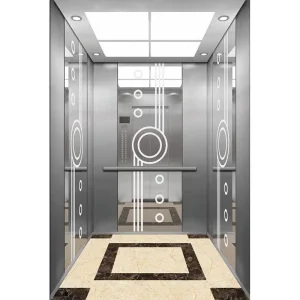
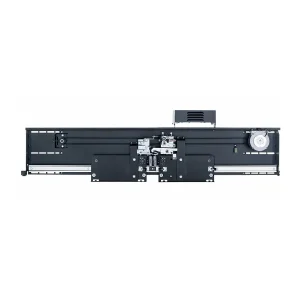
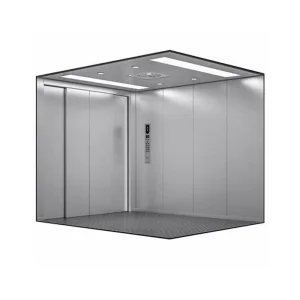
Explore our engineering capability spanning home lifts, heavy-duty escalators, cabins, and high-performance system controllers.
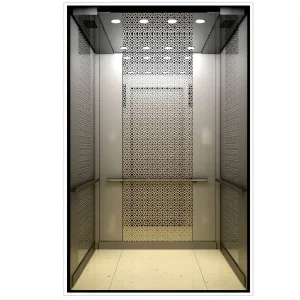
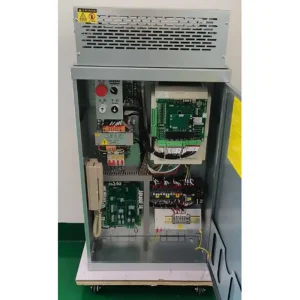
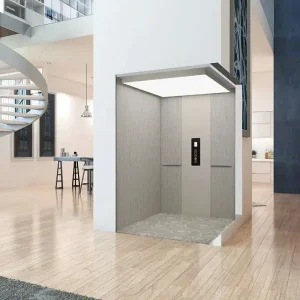
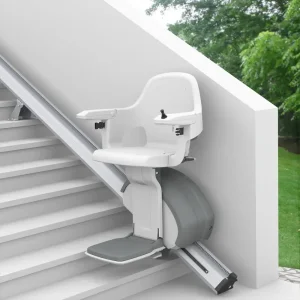
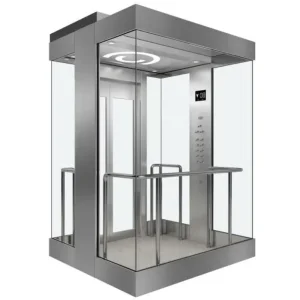
As urban densification and residential luxury paradigms shift globally, the demand for outdoor home elevators has grown exponentially. Installing a home elevator on the exterior facade of a property solves one of the most pressing limitations in residential remodeling: preserving valuable indoor living square footage. By transitioning the structural hoistway outside, architects and builders gain the creative freedom to deploy panoramic glass cabins, enhancing structural curb appeal while assuring uncompromised mechanical reliability.
However, outdoor environments subject mechanical and electrical systems to extreme challenges. From saline coastal winds and UV radiation to sub-zero winters and extreme monsoon rainfall, an outdoor elevator requires a robust engineering approach. Our specialized manufacturing procedures ensure that each component—from traction machines to structural shafts—is fully hardened against climate stresses while offering silent, vibration-free operation.
"True industrial readiness means looking past simple interior elevator designs. Exterior integration demands C5-level marine coatings, thermal insulation management, and structural wind load calculations up to 60 m/s."
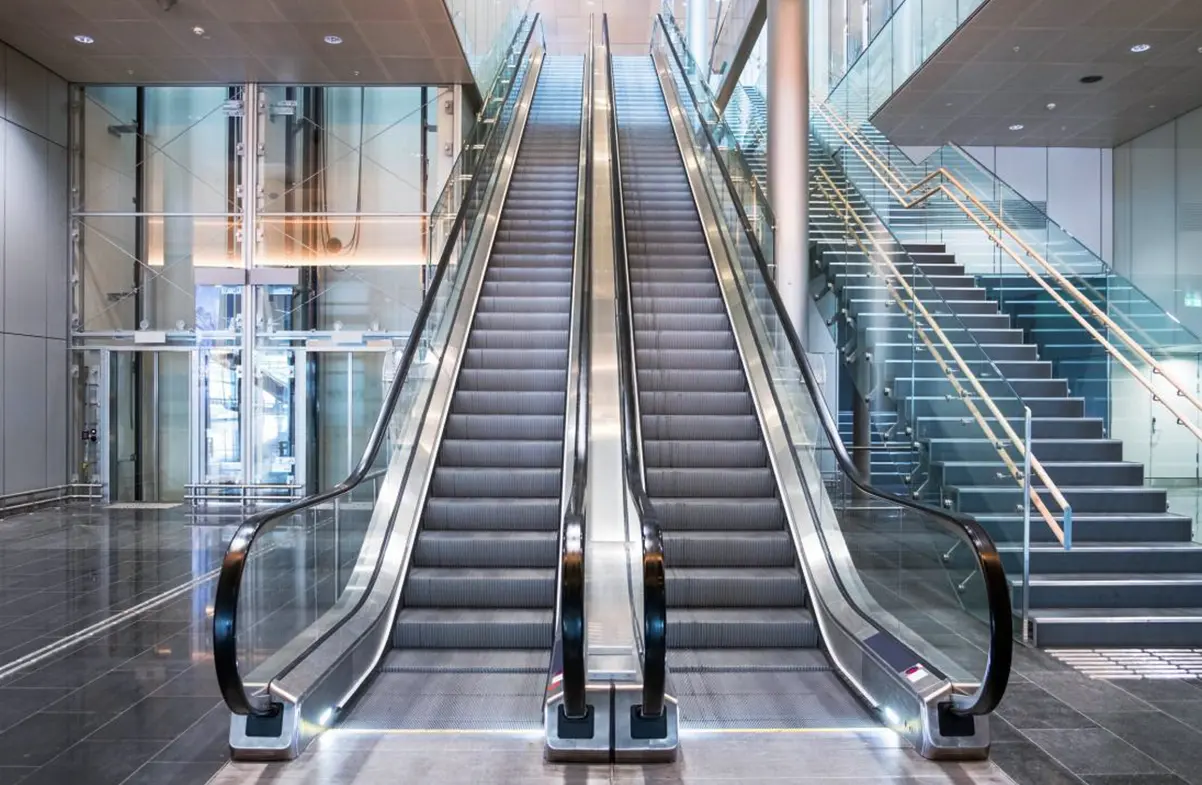
Delivering cutting-edge vertical transit solutions built on safety, compliance, and international collaboration.
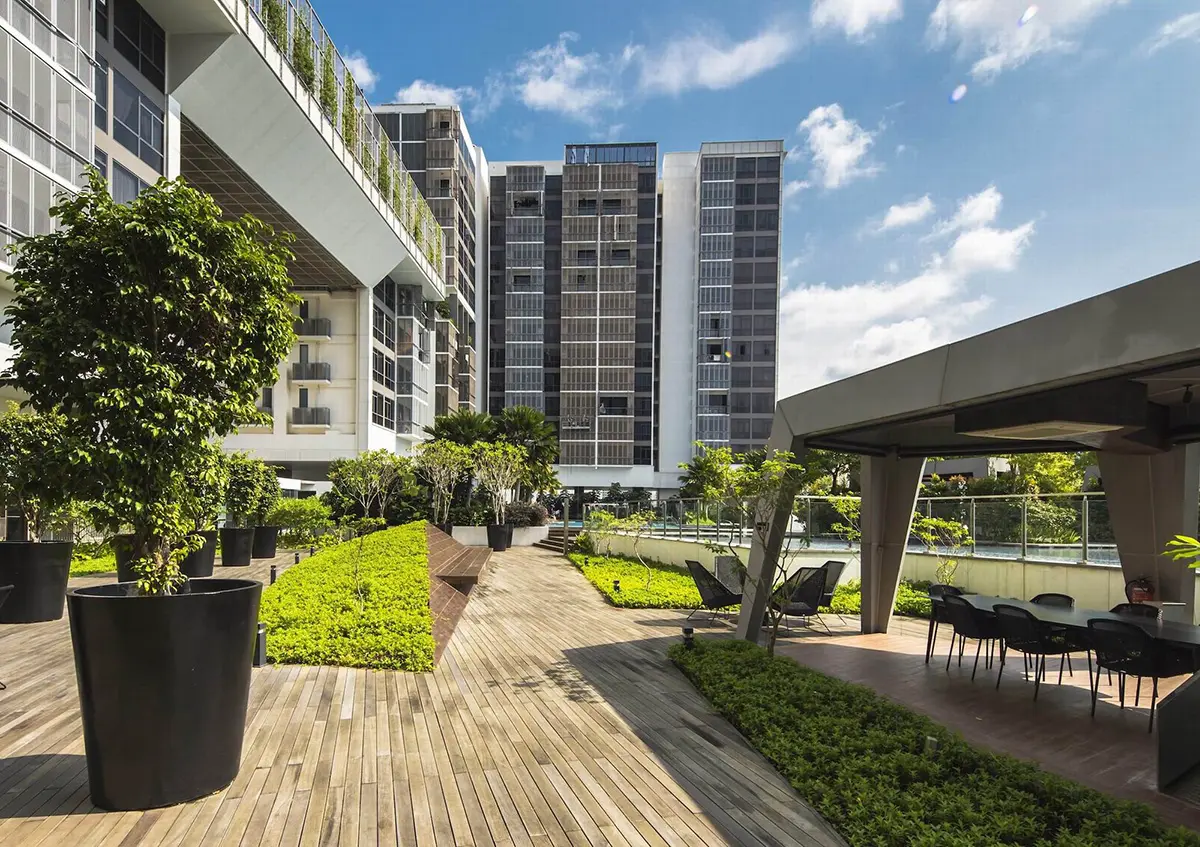
Established in 2006 by a visionary group of vertical mobility engineering specialists, NINGBO BLUETECH has spent nearly 20 years pushing the boundaries of what home lifts, commercial elevators, and heavy freight systems can achieve. Today, our brand represents top-tier quality, reliability, and engineering flexibility, serving both the local market and more than 30 export destinations, including Singapore, Germany, Thailand, Saudi Arabia, the UAE, Egypt, Ethiopia, and Nigeria.
All BLUETECH products are strictly designed and manufactured in compliance with the latest EN-81 European elevator safety standards. This rigid adherence to safety enables us to work alongside some of the world's most demanding elevator organizations, executing new builds, modernizations, and maintenance frameworks with international operators like Mitsubishi Middle East and ThyssenKrupp Africa.
Combining automated heavy manufacturing with lean logistics to shorten production timelines to 2-3 weeks.
China's manufacturing ecosystem has evolved from high-volume assembly lines to fully integrated Factory 4.0 networks. NINGBO BLUETECH utilizes high-accuracy robotic laser cutters, automated welding structures, and AI-driven quality inspection benches to ensure that component tolerances remain within fractions of a millimeter. This degree of automation eliminates human error in structural alignments, which is highly critical when manufacturing heavy elevator guide rails and outdoor glass structural shafts.
Integrating advanced Variable Frequency vector control technology for soft start/stop curves, drastically cutting power consumption and wear.
Built-in Automatic Rescue Devices (ARD) monitor input phases, automatically bringing the car to the nearest floor and releasing passengers during blackouts.
Our long-term raw material agreements and coordinated supply chain processes allow standard shipments in 3 weeks, and urgent custom orders in just 2 weeks.
By controlling all critical processes—from the design of modern glass cabins to controller motherboard programming—we keep production overhead lean and offer highly competitive wholesale pricing. Furthermore, we maintain a 12-hour response window for both pre-sales consultations and technical after-sales troubleshooting, ensuring your project timelines remain uninterrupted.
Review the materials science and structural modifications that differentiate our outdoor elevators from standard indoor systems.
An outdoor home elevator acts as an architectural feature exposed constantly to weathering. To prevent degradation and mechanical fatigue over a typical 25-year lifespan, BLUETECH engineers follow a distinct technical roadmap targeting three critical areas: structural integrity, thermal management, and electrical sealing.
| Environmental Challenge | Engineering Design Solution | Compliance / Rating |
|---|---|---|
| Corrosion & Saline Environments | Hot-dip galvanized steel framing, finished with C5-marine class anti-corrosive powder coating and 316 Stainless Steel components. | ISO 12944 C5-M Standard |
| Water Ingress & Rain | IP65-rated wiring harnesses, moisture-sealed hoistway door locks, waterproof drive motors, and integrated drainage systems at the pit. | IEC 60529 IP65 & IP54 |
| Extreme Temperatures | Heavy-duty thermal barrier glass, automated cabin ventilation, and customized HVAC systems designed for external application. | EN 81-20 Standard Compliant |
| High Wind Loads | Structural calculations accounting for wind shear pressures, reinforced guide rail brackets, and dual-layer laminated glass. | Up to 12-class Typhoon resistance |
All structural steel undergoes acid pickling and hot-dip galvanization to form an alloyed zinc coating, shielding the structural skeleton against rust even if the outer paint layer is scratched during installation.
Sensors, limit switches, and control boards located outside are placed in NEMA 4X or IP66 junction boxes to block dust, condensation, and direct water sprays.
Future iterations incorporate remote telemetry modules that monitor real-time door operations, motor temps, and rail friction, notifying technicians before a fault occurs.
Providing seamless integration options that blend with the architectural design of modern and historic residences.
Choosing the correct structural frame is vital for long-term alignment and stability. We offer two premium macro structural solutions:
For high-end villas, a scenic glass cabin maximizes natural light and turns the lift into a moving viewing platform. We use double-glazed, laminated safety glass which blocks 99% of harmful UV rays, protecting the cabin interior from fade and reducing thermal load inside the elevator car.
Architects and builders must plan these interfaces prior to manufacturing:
Ensuring smooth local inspections, import clearances, and long-term maintenance partnerships.
A key hurdle in importing elevator systems is navigating regional safety codes and certifications. NINGBO BLUETECH removes this friction by building every elevator to comply with the European Union's EN 81-20/50 standards, which are recognized across Asia, Africa, and parts of South America. For North American projects, we coordinate component engineering to align with ASME A17.1 codes, ensuring all door interlocks, safety gears, and traction brakes carry recognized certification marks.
We actively coordinate with local installation teams by providing detailed layout drawings (AutoCAD and 3D step files) and structural calculation certificates. This comprehensive documentation allows local engineering consultants to submit permits smoothly to municipal building departments.
Our Partner Network: We work in partnership with regional elevator service providers in key global markets to handle installation and provide ongoing emergency maintenance support. This ensures that every end-user enjoys peace of mind, backed by quick response times and readily available spare parts.
Understanding customization levels, ordering processes, and shipping logistics.
For B2B buyers, distributors, and real estate developers, procuring outdoor home lifts directly from our factory in China offers high cost efficiency and tailoring. We support a structured design process:
Our engineering team reviews your site drawings, selecting the appropriate structural shaft size, door opening layout, and traction machine capacity.
Clients can choose cabin wall materials (brushed, mirror, or etched stainless steel), integrated lighting schemes, glass panel tinting, and smart touch COP interfaces.
All items are securely packed in heavy wooden crates, treating guide rails with anti-rust oil, and bundling components sequentially to simplify on-site unpacking and assembly.
Answers to crucial structural, safety, and logistical questions compiled by our technical support engineers.
Select from our targeted systems designed to complete or complement your vertical mobility installations.
 Bluetech