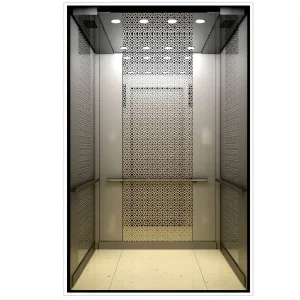
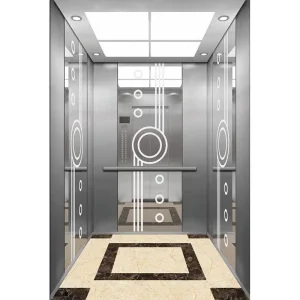
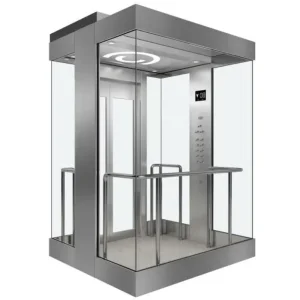
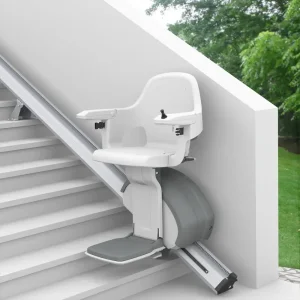
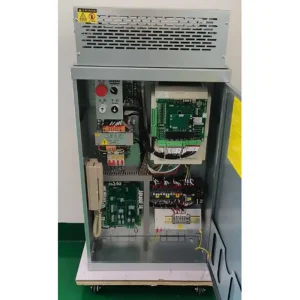
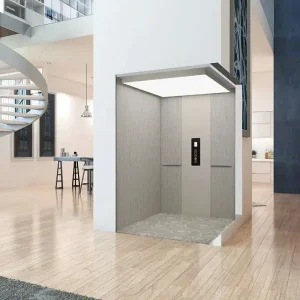
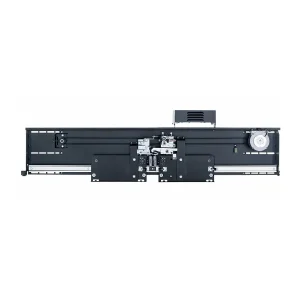
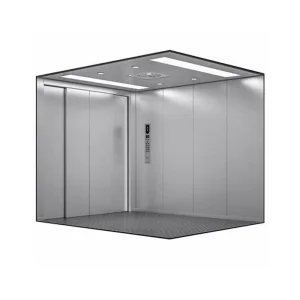
Explore our premium grade passenger systems, custom elevator cabins, high-load freight systems, and advanced controller technologies engineered for institutional demands.
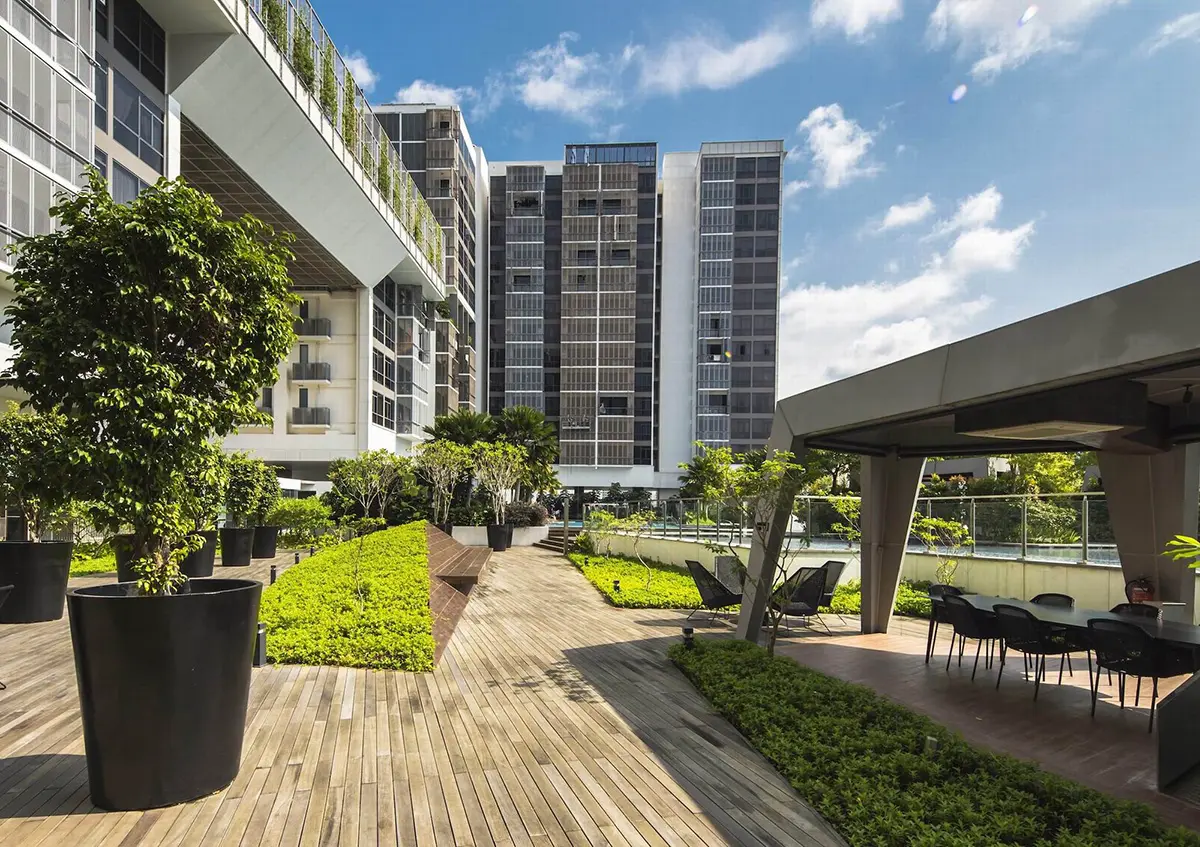
A trusted global leader in high-performance elevator and escalator engineering, delivering custom configurations for critical public service buildings and healthcare centers since 2006.
Established by a group of industry specialists in 2006, NINGBO BLUETECH has accumulated nearly 20 years of professional industry experience, positioning itself as a key innovator in vertical transport mechanisms. Dedicated to the continuous research and development of safety-centric designs, BLUETECH is known for its excellent manufacturing quality, safety reliability, and proactive service.
Our expansive solutions cover home passenger systems, commercial elevators, sightseeing lifts, specialized freight options, and compact dumbwaiters. Crucially, all products are designed, structurally verified, and manufactured under the latest international EN-81 safety standard, guaranteeing strict compatibility with international guidelines.
Tailored user interfaces, clean air filtration, and vibrationless rides that guarantee comfort for vulnerable passengers.
Successfully trusted and deployed in over 30 countries including Germany, Egypt, UAE, Singapore, Saudi Arabia, Thailand, and Nigeria.
An in-depth look at how advanced materials, smart group algorithms, and localized compliance shape the modern medical vertical transport landscape.
Modern healthcare infrastructure requires transportation networks that act as seamless extensions of clinical operations. As hospital spaces become increasingly vertically oriented, elevator systems must move beyond traditional static schedules into dynamic, data-driven utility models. The technology roadmap for next-generation hospital elevators focuses on integrating three vital components: artificial intelligence, preventative IoT maintenance, and biosecurity systems.
Intelligent Group Control and Dispatch: Traditional elevator scheduling systems struggle with the chaotic peaks of emergency rooms and clinical shift changes. Our technological path incorporates advanced Destination Control Systems (DCS). Operating through machine learning algorithms, the control system calculates wait times, elevator load capacities, and destination overlaps in real-time. Emergency override modes (Code Blue) allow trauma teams to secure exclusive use of an elevator cabin instantly via priority badges or integration with the hospital's central IT dispatch system, bypassing general passenger traffic and reducing critical response latency by up to 45%.
Predictive & Preventative IoT Diagnostics: Elevator downtime in a medical facility is not merely an inconvenience; it represents a major threat to clinical care paths. Modern systems leverage built-in IoT sensors that continuously monitor parameters such as door operating friction, cabin acceleration, traction motor temperature, and braking responses. By establishing a cloud-based digital twin of the elevator, maintenance staff can identify minor wear indicators on guide rails or safety gears before a failure occurs, shifting maintenance schedules from reactive to predictive.
Active Biosecurity & Infection Control: In the wake of heightened global health standards, the cabin is no longer just a physical structure but an actively sanitized environment. The technology integration includes continuous air disinfection using built-in, shielded UV-C radiation lamps and medical-grade HEPA filters. These systems operate continuously, refreshing cabin air up to 40 times per hour while maintaining whisper-quiet operation (under 48 dB). Copper-alloy internal surfaces and touchless call systems (voice-activated controls, gesture recognition, and RFID-based destination entry) prevent cross-contamination across different wards.
Different areas of a modern medical facility demand distinct vertical logistics profiles. A standard high-rise hospital requires careful isolation of flow types: patient transport, visitors, logistics (linens, waste, medication), and emergencies. Our comprehensive macro-solutions focus on creating optimized zoning configurations backed by heavy-duty hardware.
| Facility Sector | Primary Transport Requirements | Recommended Configuration | Critical Features Required |
|---|---|---|---|
| Emergency & Trauma Wing | Rapid transport of stretchers, life-support gear, and emergency personnel. | 1600kg - 2500kg Capacity, High Speed (2.0 m/s+) | Emergency Override (Code Blue), Leveling Accuracy ±2mm, Power Supply Redundancy. |
| Outpatient & General Ward | High passenger volume, wheelchairs, geriatric accessibility, and visitors. | 1000kg - 1350kg Passenger Elevators | Voice Guidance, Clear Signage, Dynamic Destination Grouping, Extended Door Hold. |
| Service, Kitchen & Waste Management | Heavy-duty roll cages, medical waste containment, industrial laundry, and catering carts. | 1600kg - 3000kg Freight Elevators | Stainless Steel Type 304/316 Walls, Reinforced Sills, Bumper Rails, Washdown Resistant. |
By coordinating the speed, width, and carry weight profile of the hospital's elevator system, architects can minimize crossing traffic between sterile supply lines and public transit. Leveling accuracy is another critical element. Our Variable Voltage Variable Frequency (VVVF) door operators and high-resolution encoder units ensure cabin-to-floor leveling within ±2mm. This eliminates tripping hazards for ambulant patients and prevents jarring impacts when moving sensitive patients on wheeled stretchers.
Navigating the global regulatory environment is a major challenge for international developers and purchasing managers. A single installation mismatch can lead to costly delays and rework. As a specialized exporter, Ningbo Bluetech designs all hospital-bound models to satisfy the strictest international codes, including EN 81-20/50 (European Safety Rules for Construction and Installation of Lifts) and regional building regulations like ASME A17.1 (North America) and GB7588.
Seismic and Structural Integrity: For projects located in seismic zones, we integrate automatic seismic detection systems. Upon detecting primary seismic waves (P-waves), the elevator control automatically routes the cabin to the nearest available floor, opens the doors to release passengers, and shuts down safely. Additionally, cabin structures, guide rail brackets, and counterweight runnels are reinforced to withstand severe lateral forces.
Fire and Evacuation Protocols (EN 81-73 & EN 81-76): Our control units are pre-configured to interface directly with main building fire control systems. In the event of a fire emergency, the elevators automatically activate the recall function, descending to the designated evacuation level. For hospitals requiring assisted emergency evacuation, we design cabins equipped with battery backup systems and specialized communication panels that allow the lift to serve as a managed evacuation route under emergency supervision.
Manufacturing critical transport infrastructure requires precision, high-grade materials, and streamlined logistics. Operating from the industrial cluster of Ningbo, China, Bluetech utilizes advanced Factory 4.0 automation. This integration ensures that from raw sheet metal to final control cabinet assembly, every manufacturing step is tracked, tested, and optimized.
Robotic Laser Welding & Precision Fabrication: The structural stability of a bed lift cabin is determined by the quality of its joints and structural ribs. We deploy automated robotic laser welding centers that guarantee consistent welds with minimal heat distortion, ensuring long-term structural integrity and minimizing cabin vibration. All sheet metal used is premium corrosion-resistant galvanized steel or surgical-grade stainless steel.
Integrated Component Testing: Before dispatch, critical safety systems – including the progressive safety gears, overspeed governors, hydraulic buffers, and VVVF control panels – are subjected to rigorous bench testing. This strict quality control ensures that on-site installation proceeds smoothly, reducing the time required for final commissioning.
Supply Chain Stability and Rapid Delivery: The Ningbo industrial base offers unparalleled raw material sourcing and access to advanced component manufacturing clusters. This proximity enables us to optimize production lead times. While standard custom lifts require upwards of 8 to 10 weeks to manufacture, our optimized supply chain allows us to complete standard hospital elevator orders in just 3 weeks, and urgent replacements in 2 weeks under priority schedules.
Providing long-term support for global installations requires collaborative efforts with trusted international partners. Ningbo Bluetech has developed strong partnerships with leading international elevator companies, working closely with organizations such as Mitsubishi Middle East and ThyssenKrupp Africa. These partnerships allow us to collaborate on new elevator installations, modernization projects, and long-term maintenance programs across diverse markets.
Through close coordination with local field engineers, we ensure that every system is installed in strict compliance with local building codes. We support our local partners by providing comprehensive technical documentation, 3D mechanical drawings, electrical wiring schematics, and remote diagnostic support. This ensures that any installation or maintenance challenge is resolved within our standard 12-hour response window.
Get professional answers to key technical, installation, and compliance questions concerning medical elevator systems.
We work closely with clients across our global offices to execute architectural projects. From new lift installations to complex modernizations, our team coordinates the guidelines and technical requirements of every project. We are proud to work with leading international elevator companies, such as Mitsubishi Middle East and ThyssenKrupp Africa, on maintenance and modernizations worldwide.
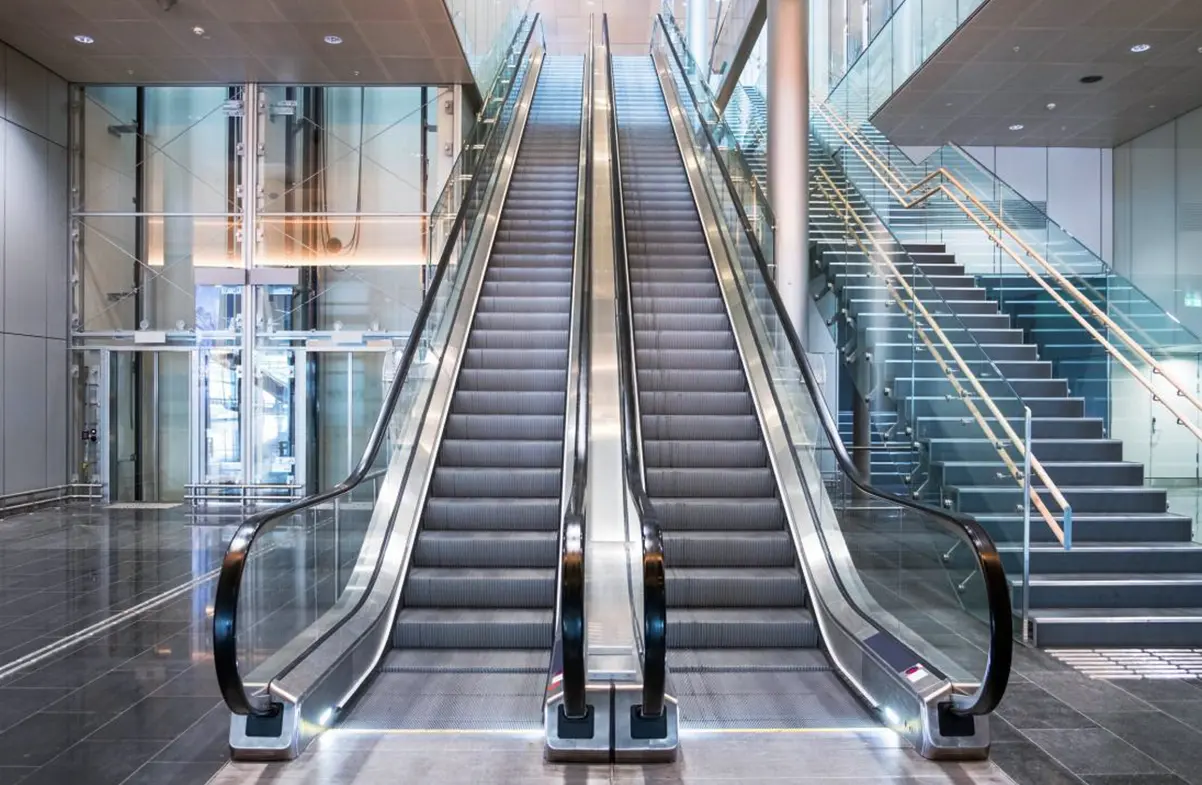
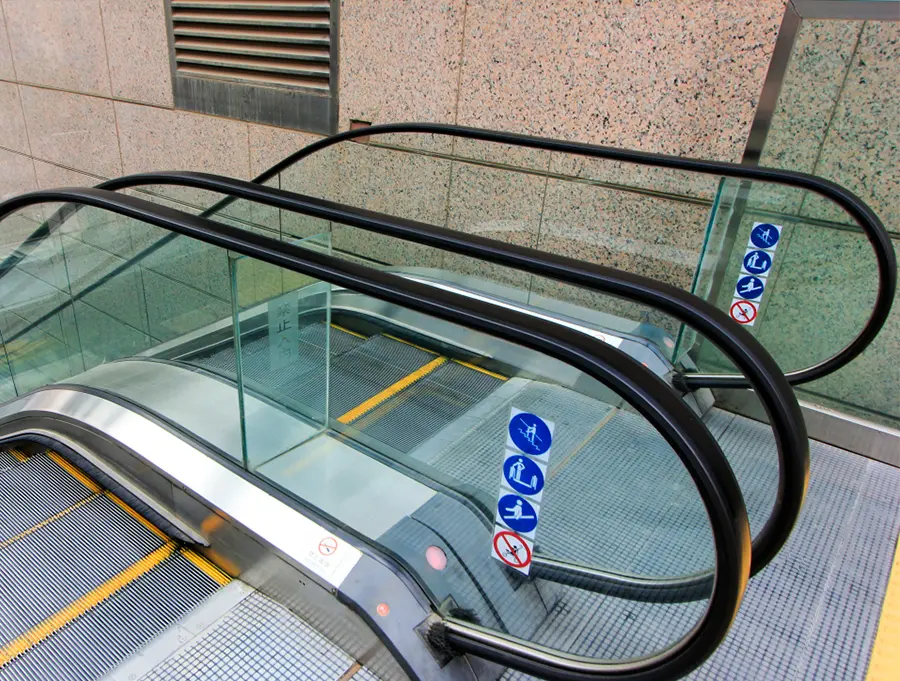
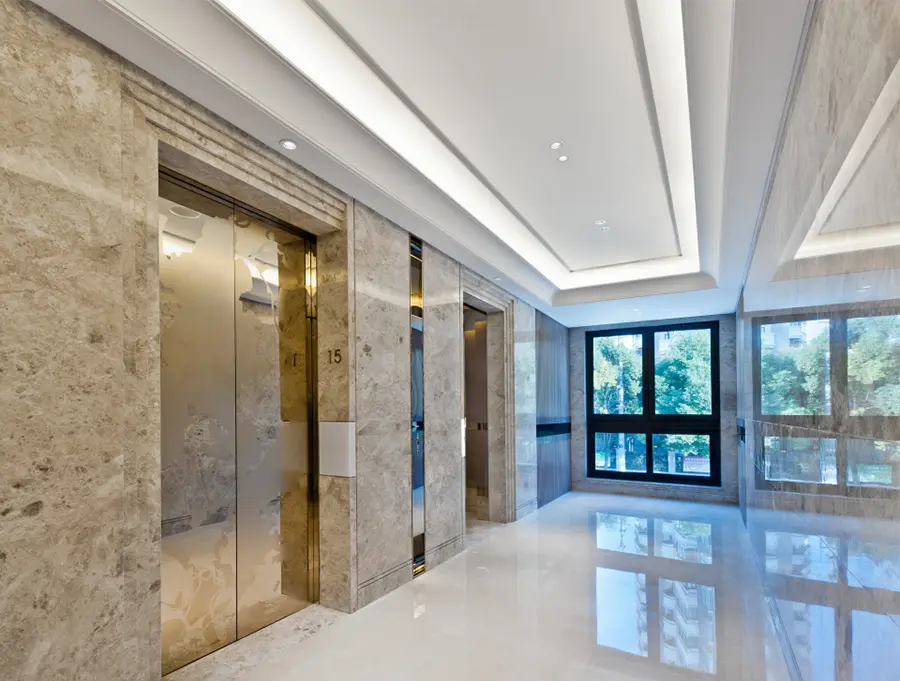
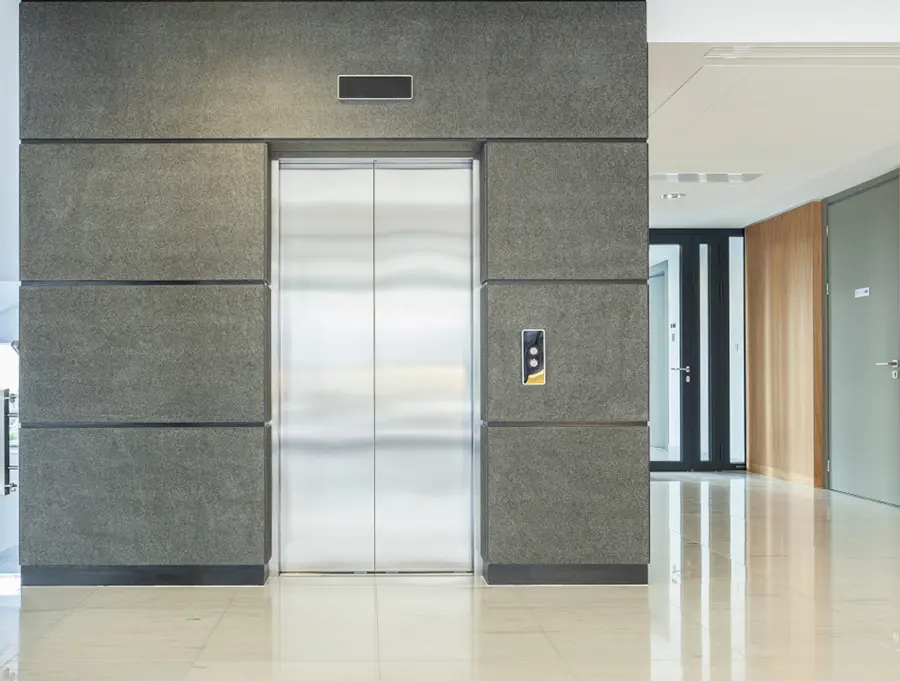
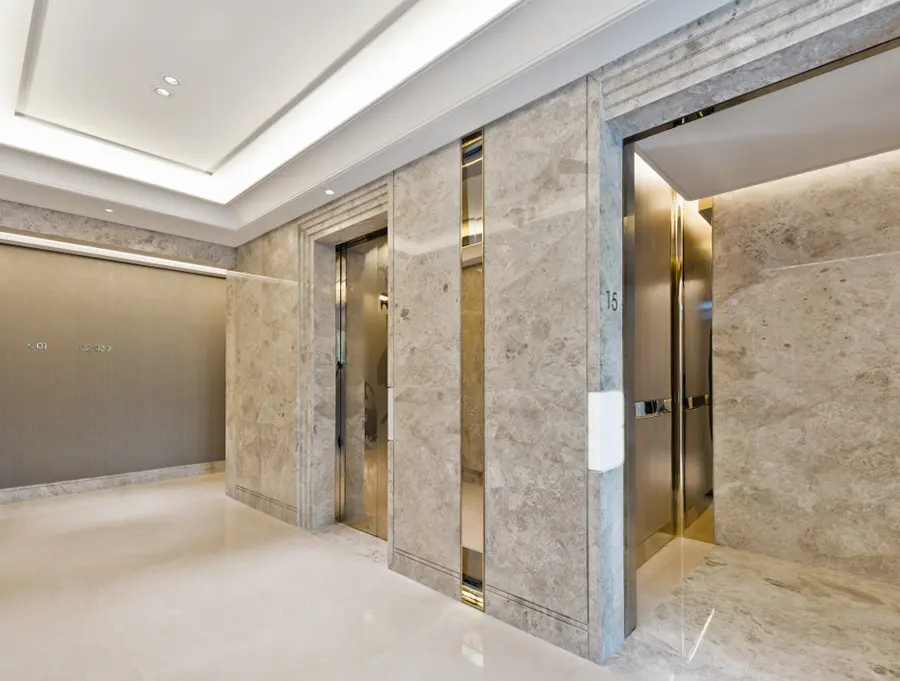
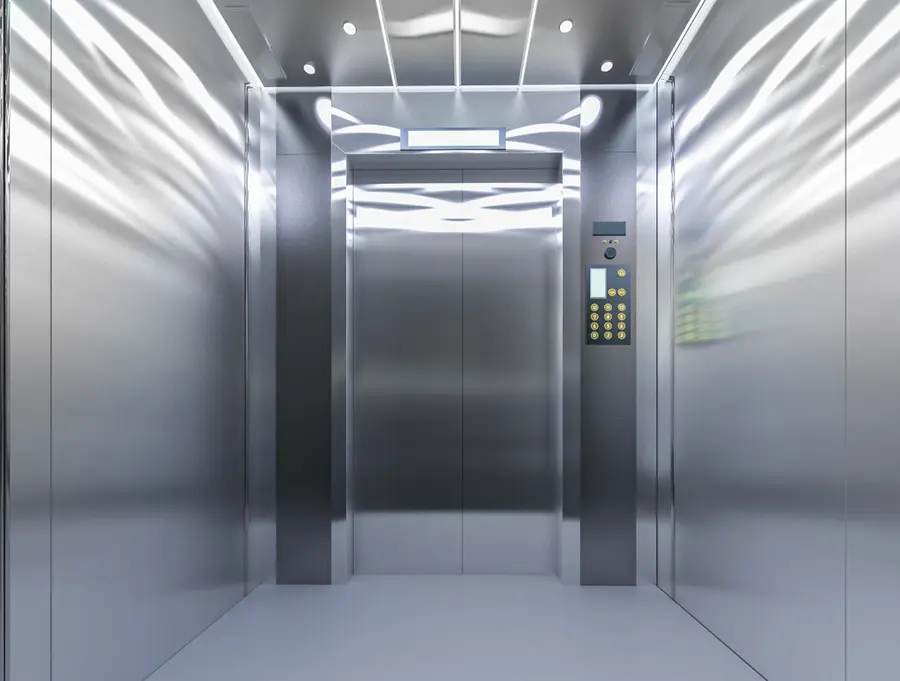
Ensure performance, longevity, and code compliance by pairing our systems with high-quality components and accessories.
 Bluetech