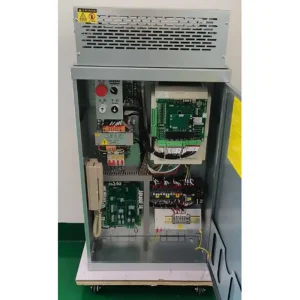
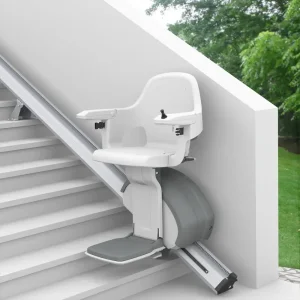
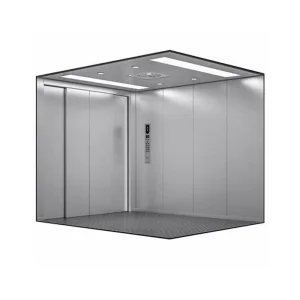
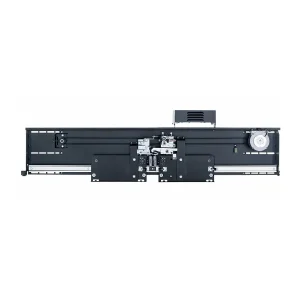
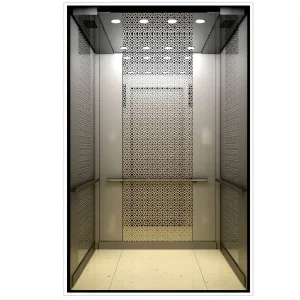
Explore our foundational range of heavy-load lift systems, precision controllers, safety components, and accessibility equipment engineered for global commercial environments.
NINGBO BLUETECH, established by a dedicated group of vertical transportation engineering specialists in 2006, specializes in the design, fabrication, and global distribution of freight lifts, passenger elevators, and escalators. With nearly 20 years of professional industry experience, BLUETECH has established itself as an innovative force in the heavy-duty industrial lift sector.
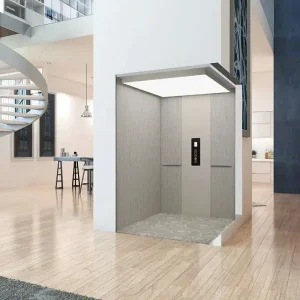
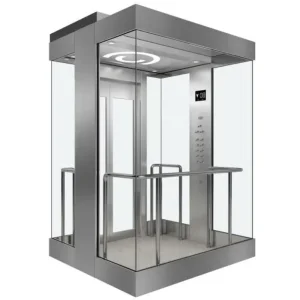
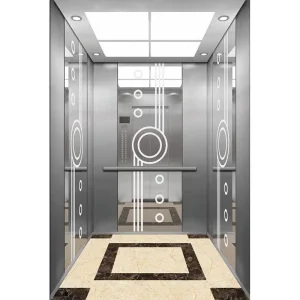
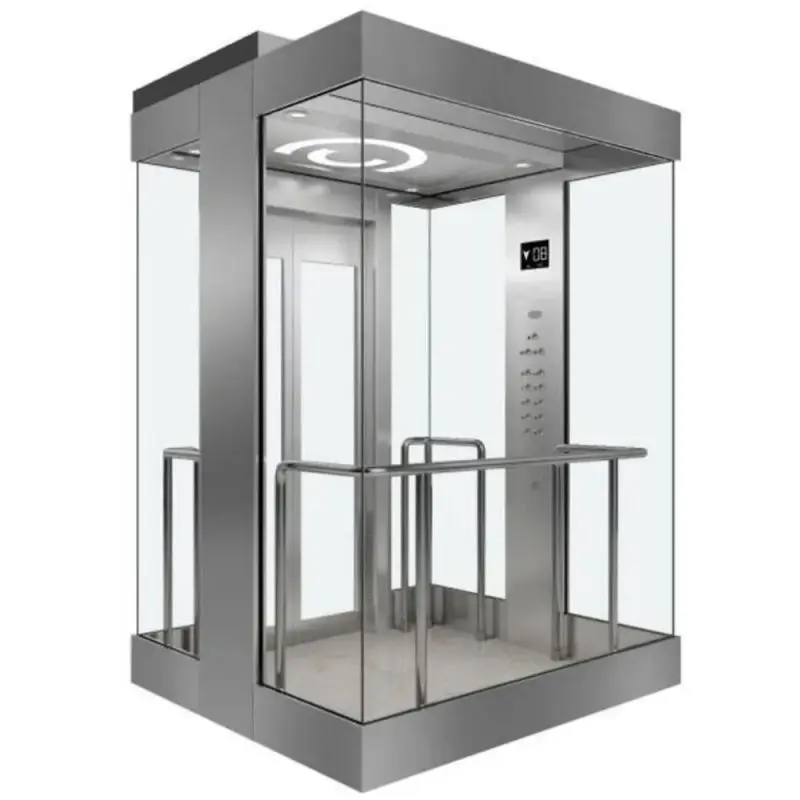
Our solutions span customized high-tonnage freight elevators, residential and commercial elevators, glass panoramic observation lifts, and space-saving dumbwaiters. Built to operate reliably under extreme conditions, all of our products conform to the rigorous safety requirements of the European Standard EN-81.
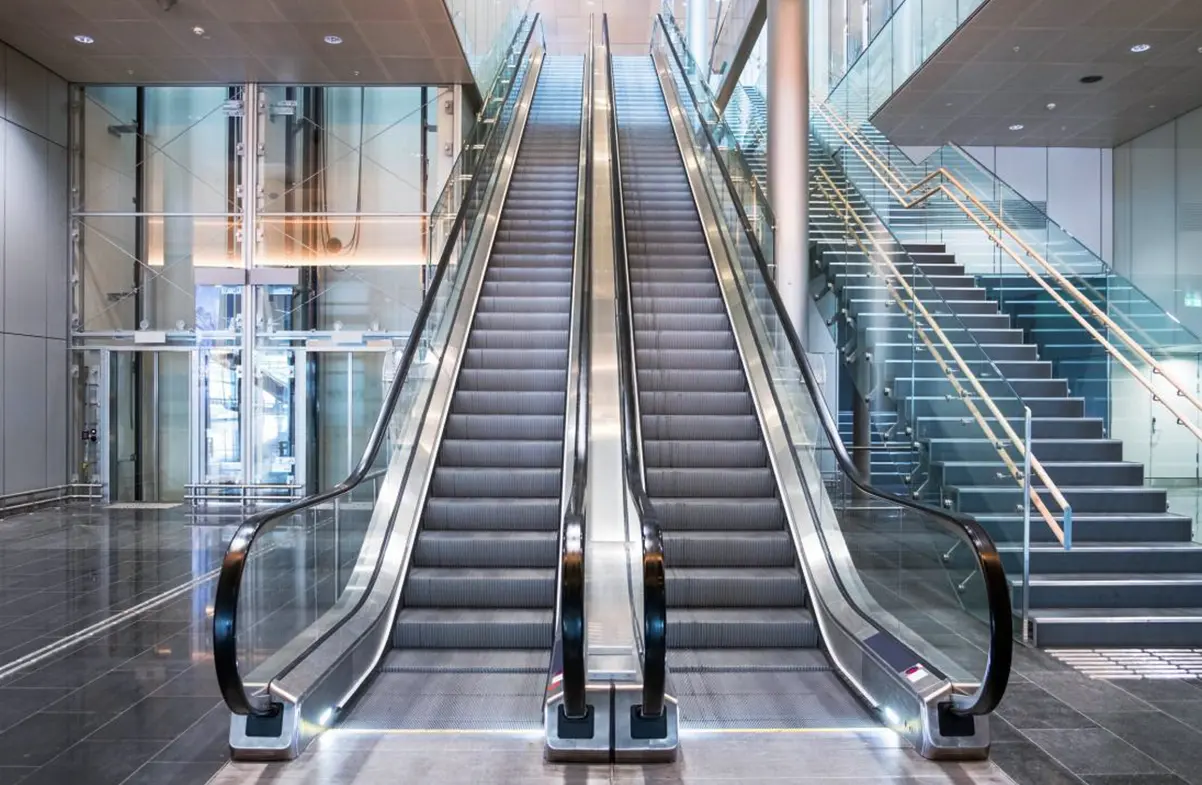
A visual breakdown of Ningbo Bluetech's technical reach, design achievements, and worldwide integration metrics.
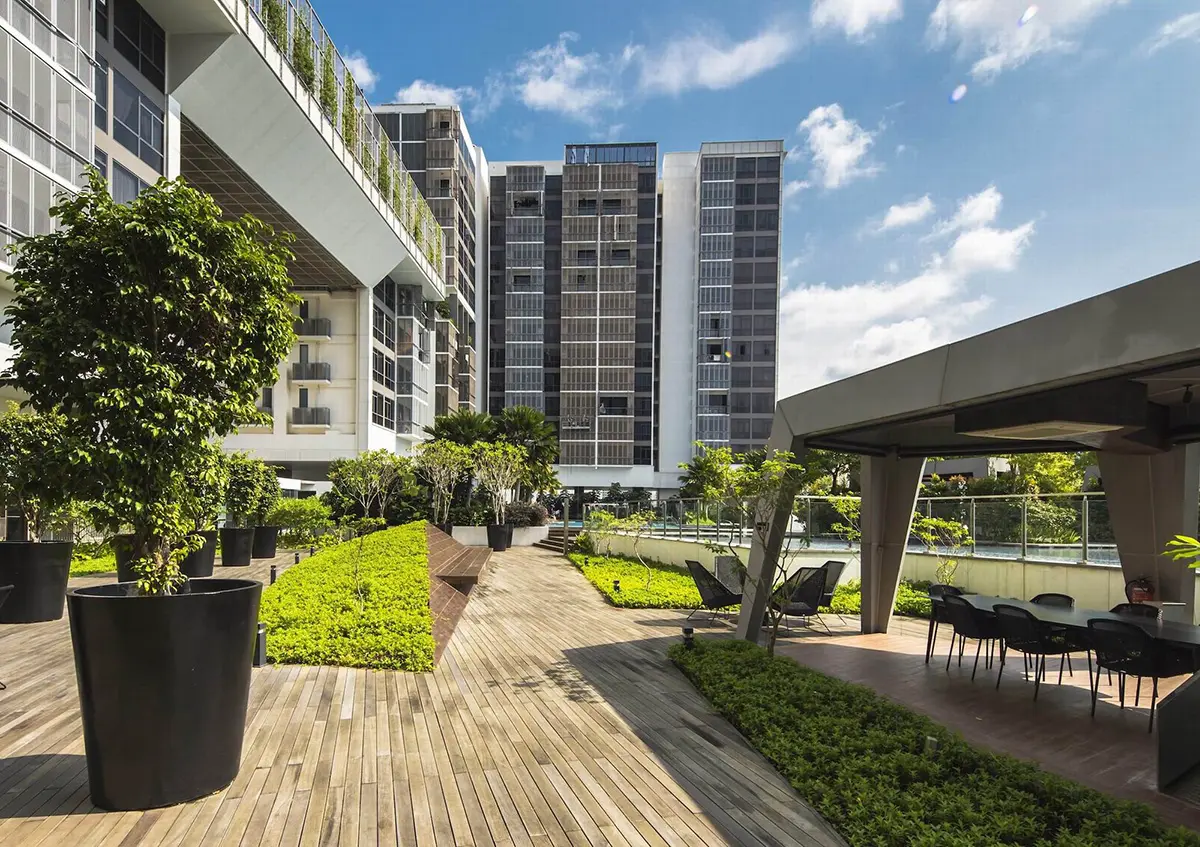
Ningbo Bluetech works directly with major international elevator enterprises on new installations, component modernizations, and continuous maintenance agreements. Our structural frameworks are deployed within systems operated by major engineering providers, including ThyssenKrupp projects in Africa and Mitsubishi networks in the Middle East.
By operating as a direct design collaborator rather than just an equipment factory, we customize lift structures to align with regional installation parameters. Our manufacturing lines adapt cabin designs, door mechanics, and hoistway alignments to match exact technical layouts.
A technical guide on how China freight elevator factories categorize mechanical configurations to handle asymmetrical stress and heavy cargo dynamics.
Designed for setups where the load is distributed, and no single piece of cargo exceeds 1/4 of the lift capacity. Cargo is moved on and off the car platform manually or via hand trucks. Ideal for multi-story warehouses handling boxed and palletized light commercial goods.
Explicitly engineered to transport passenger automobiles or light industrial utility trucks up to the rated capacity of the elevator. The internal cabin framing features reinforced base channels and cross-bracing to handle the concentrated wheel load profiles.
Designed to support power-driven industrial trucks (forklifts) loading cargo onto the platform. The platform structure is designed to support the heavy static and dynamic loads during loading and unloading, including the weight of the forklift and the cargo. Often subdivided into Class C1, C2, and C3 based on whether the truck travels with the elevator.
| Technical Parameters | Standard Range | Heavy Duty Configurations | Compliance Standards |
|---|---|---|---|
| Rated Load Capacity | 1,000 kg – 5,000 kg | 5,000 kg – 15,000+ kg (Custom) | EN 81-20 / EN 81-50 |
| Drive Systems | Geared Traction / Hydraulic | Gearless PMSM Traction (Direct Drive) | ISO 9001 / CE Certification |
| Door Configurations | Center-opening / Side-opening | Vertical Biparting / Multi-panel Telescopic | EN 81-58 (Fire Rated) |
| Control Systems | Integrated Microprocessor Logic | Dual 32-bit CPU redundant controllers | ASME A17.1 (For US Market) |
A deeper look at the mechanical structural integrity and force analysis behind Ningbo Bluetech's manufacturing protocols.
During forklift operations, the elevator threshold experiences intense localized bending moments. Traditional passenger elevators are engineered for uniform distributed loads, whereas industrial cargo lifts require thickened steel platforms and structural channel reinforcements to manage torque on the guide shoes and rails.
Our engineering team applies finite element analysis (FEA) to determine stress distribution during transit. By reinforcing the car frame (slings) with high-tensile structural steel profiles, we prevent platform deflection and cabin misalignment over decades of daily operations.
Door systems are often the primary point of wear in freight installations. We offer heavy-duty door sill systems featuring steel-reinforced channels, anti-vibration guide tracks, and variable-frequency door operators. This ensures high torque for heavy doors while maintaining smooth, quiet motion profiles.
Modern industrial zones require energy-efficient operations. Bluetech provides permanent magnet synchronous motor (PMSM) direct-drive gearless machinery for heavy freight applications. Compared to hydraulic and conventional geared installations, PMSM drive configurations deliver:
Advanced technology combined with flexible engineering capabilities allows us to deliver high-performance freight solutions.
Our engineering team brings decades of structural experience, allowing us to adapt systems for non-standard shafts, low overhead conditions, or shallow pits.
We guarantee replies and technical support within 12 hours, from initial layout design through to post-installation maintenance coordination.
By managing our vertical integration and raw material sourcing, we offer cost-effective pricing without compromising on safety or structural performance.
Standard manufacturing runs are completed in 3 weeks, with expedited 2-week production runs available for critical project schedules.
Our freight installations are built to operate reliably in harsh, demanding industrial environments around the globe.
Handling heavy machinery parts, vehicle bodies, and tools. Heavy-duty platforms are designed for forklift access and the transport of dense equipment assemblies.
Supporting rapid, high-frequency loading cycles. Our systems integrate with conveyor belts and warehouse control software to automate cargo flow.
Equipped with explosion-proof controls, spark-resistant components, and corrosion-resistant stainless steel cladding to withstand harsh processing environments.
Our focus on innovation drives the integration of smart technologies into the next generation of industrial freight lifts.
By integrating cloud-connected sensor arrays into our controllers, we monitor real-time vibration, motor temperature, brake wear, and door cycle rates. Machine learning models identify deviations from baseline values, allowing maintenance teams to address potential issues before they cause unexpected downtime.
As factories move toward automation, our control systems support API integration for automated handshakes with AGVs and AMRs. This allows automated mobile robots to call the lift, select floors, and transition between building levels without manual operator assistance.
Under heavy, gravity-assisted loads (such as a fully loaded car descending), our regenerative drive packages convert kinetic energy into clean electricity. This power is fed back into the facility's main electrical grid, lowering overall operating costs and supporting corporate sustainability targets.
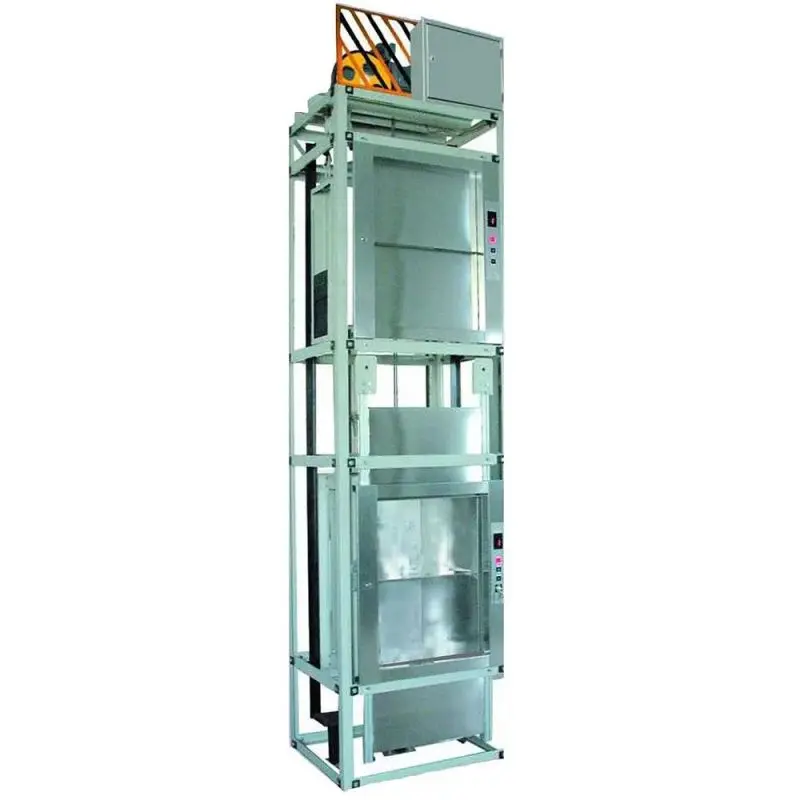
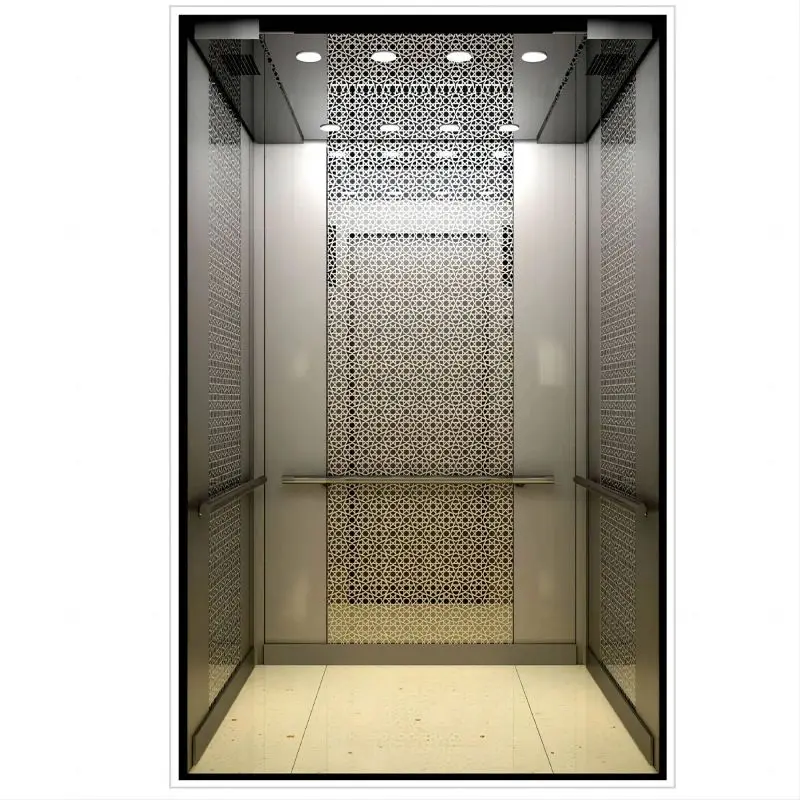
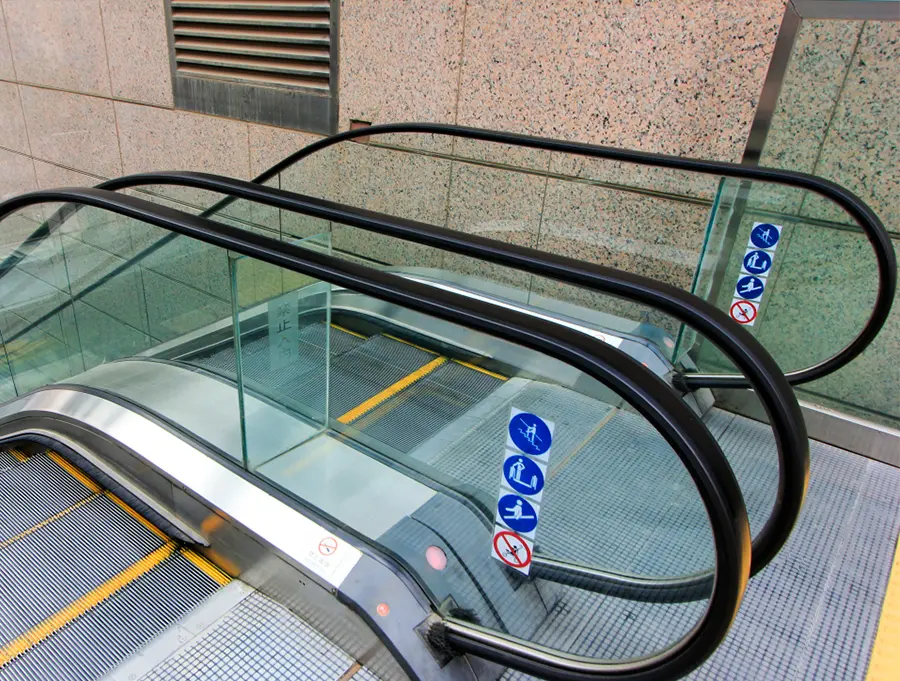
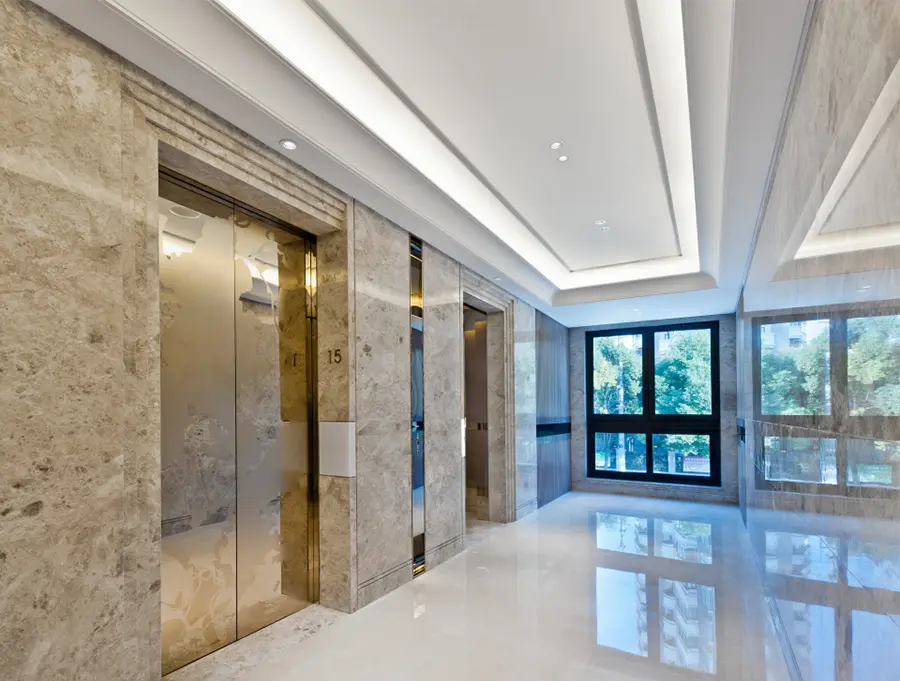
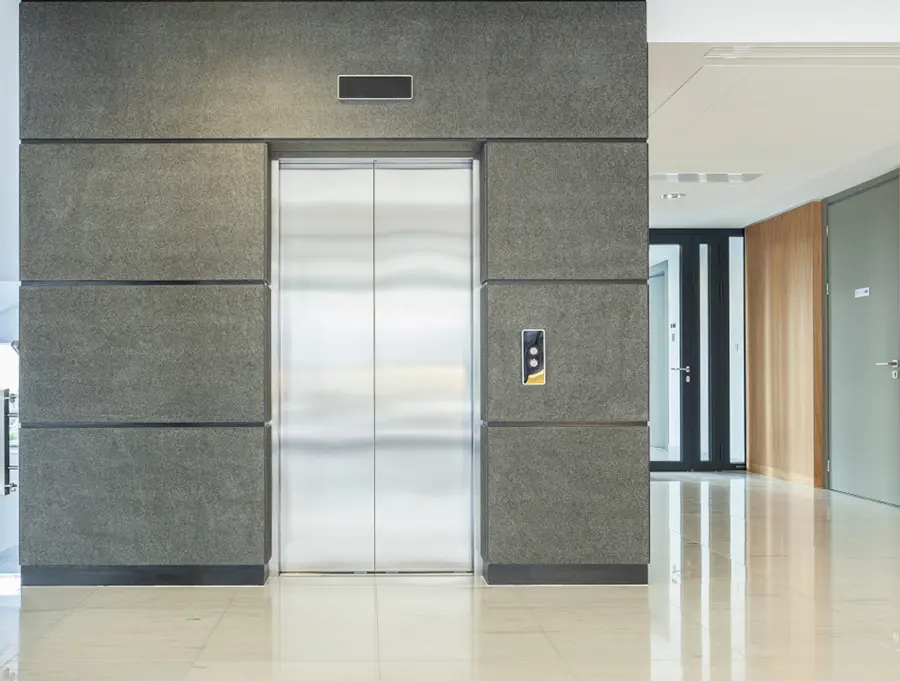
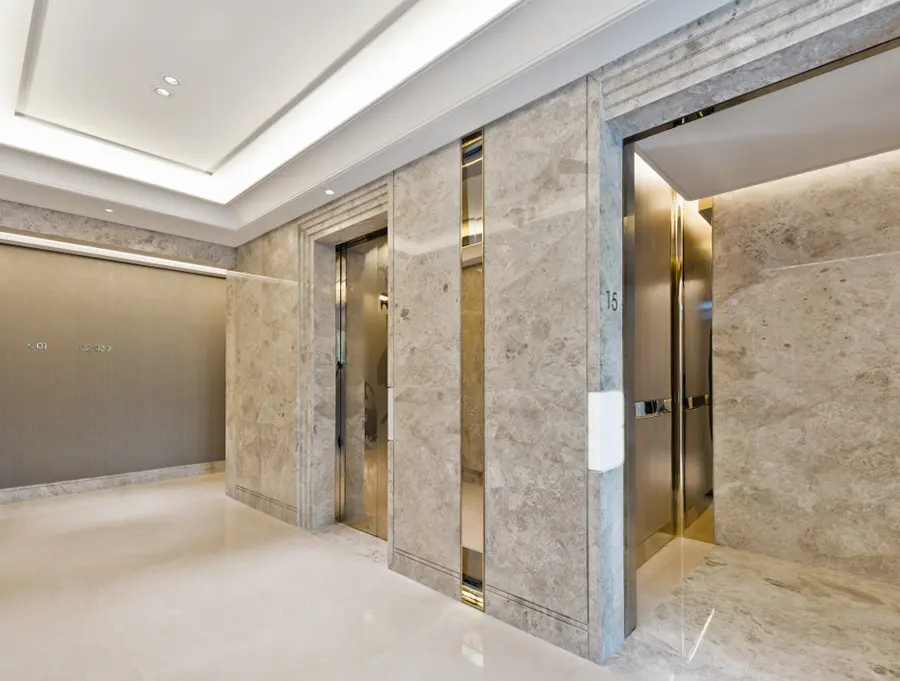
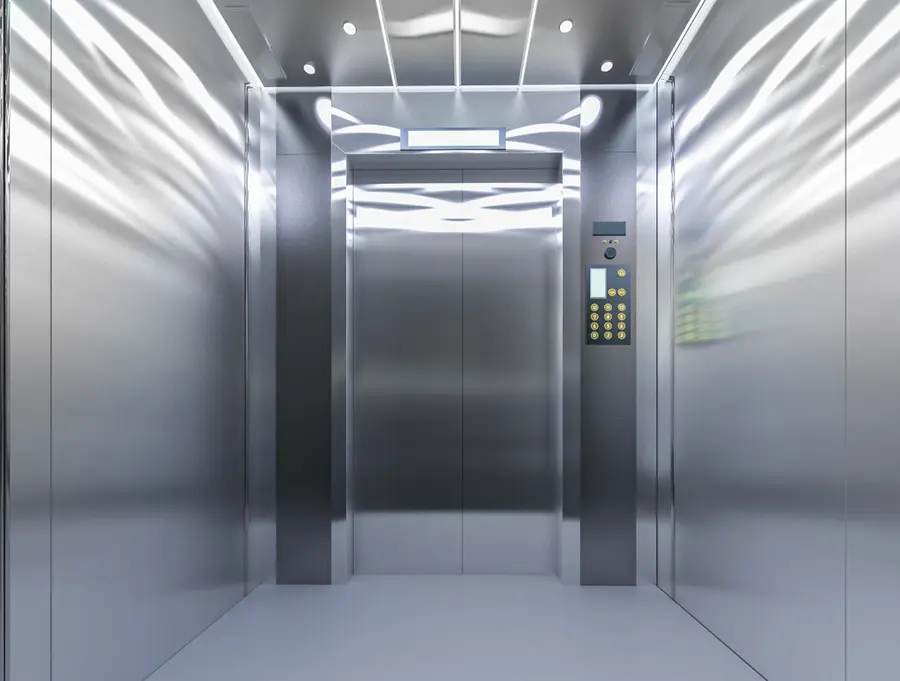
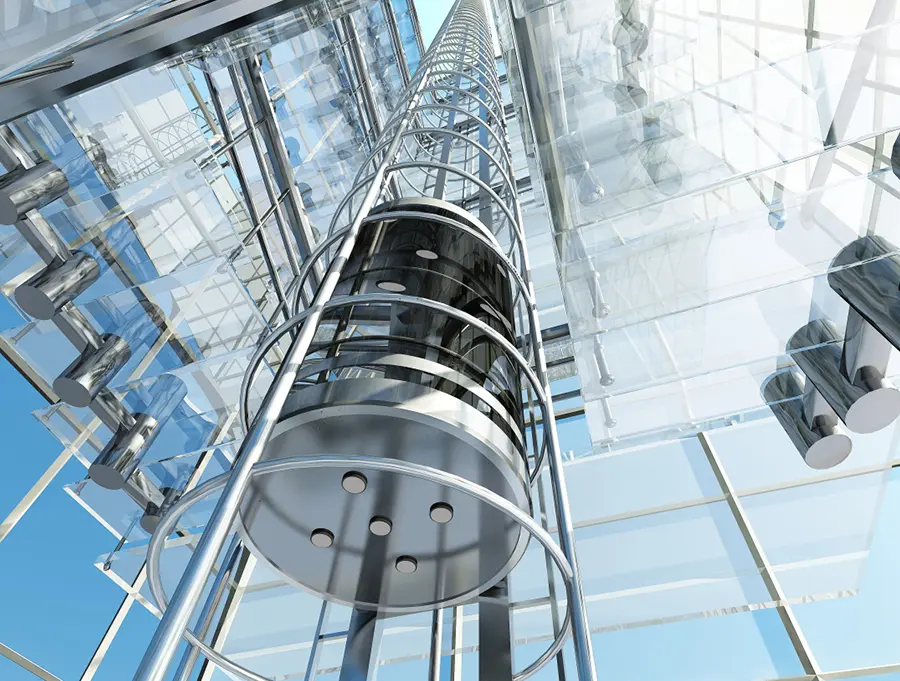
Explore some of our real-world residential, commercial, and industrial installations deployed globally.
Get answers to common technical, design, and regulatory questions regarding our industrial freight lift installations.
Browse our selection of specialized elevators, controllers, stair lifts, and custom cabins designed for industrial, commercial, and residential applications.
 Bluetech