Explore our flagship engineering portfolios, from intelligent controller units to complete external villa elevators built to EN-81 international standards.
Analyzing demographic shifts, urban retrofits, and engineering innovations defining vertical transit today.
As the global population undergoes unprecedented demographic aging and rapid urbanization, the demand for residential vertical transit solutions has transformed. Historically, private home elevators were regarded as high-end luxury architectural additions reserved for sprawling multi-level villas. Today, however, external lifts for homes represent critical infrastructure. By integrating elevators onto the outer structural facades of existing residential structures, architects and homebuilders circumvent complex interior layouts and avoid consuming valuable indoor footprint.
In mature housing markets such as Western Europe, North America, and parts of East Asia, retrofitting existing multi-story dwellings is a dominant trend. Local zoning laws and historical conservation mandates prevent extensive structural changes inside buildings. Thus, weatherproofed and structurally independent external lifts serve as the primary engineering solution. Backed by advancements in metallurgical coatings, structural glazing, and thermal barrier designs, external passenger systems can now withstand extreme environments—ranging from the arid, sandy heat of the Middle East to the subzero climates of Northern Europe.
Industrial trends show a distinct shift toward self-supporting structural steel shafts (also known as modular lift towers). These towers do not require load-bearing masonry walls inside the home, allowing for installation times of under five business days while offering seismic resilience in active zones.
An overview of mechanical drivetrains, structural weatherproofing, and control automation.
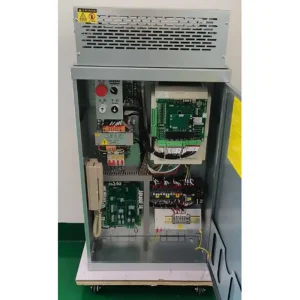
Variable Voltage Variable Frequency (VVVF) micro-controllers optimize energy usage, providing smooth acceleration curves and millimeter-level landing accuracy while reducing mechanical wear.
Specialized marine-grade powder coatings, stainless steel grade 304/316, and IP67-rated electronic switches protect electrical circuits from heavy rain, snow, and extreme ambient moisture.
Automatic Rescue Devices (ARD) automatically return the lift cabin to the nearest landing level in the event of an unexpected power outage, ensuring absolute passenger peace of mind.
Addressing structural foundations, architectural layout optimization, and localized regulatory compliance.
Integrating an external lift into a residential property requires navigating a complex set of structural challenges. Unlike indoor elevator installations, which are shielded from ambient conditions, external units must function as integral parts of the home's thermal and environmental envelope. Engineers must design specialized expansion interfaces where the lift shaft connects with the facade. These interfaces accommodate dynamic building movements, temperature expansions, and wind shear without compromising the home's structural integrity or moisture barriers.
From a foundational perspective, the installation process starts with a geological site analysis to determine the bearing capacity of the soil. External lifts require a dedicated concrete pad or structural pit designed to support the dynamic load of the lift car and vertical steel tower. This tower must be secured to the building using chemical anchors and steel struts at specified vertical intervals. This setup transfers wind loads away from the lift cabin and into the primary structural frame of the main house.
Furthermore, energy optimization is a key concern for modern green retrofits. To address this, current designs feature integrated regenerative drive technology. Rather than wasting kinetic energy as heat, the lift's regenerative motor converts braking force back into electricity, feeding it directly into the household power grid. When combined with triple-pane insulated glass and thermal break profiles, external residential lifts can achieve Class A energy efficiency ratings under ISO 25745 standards.
A global leader in high-performance elevator engineering, custom design, and modern production.
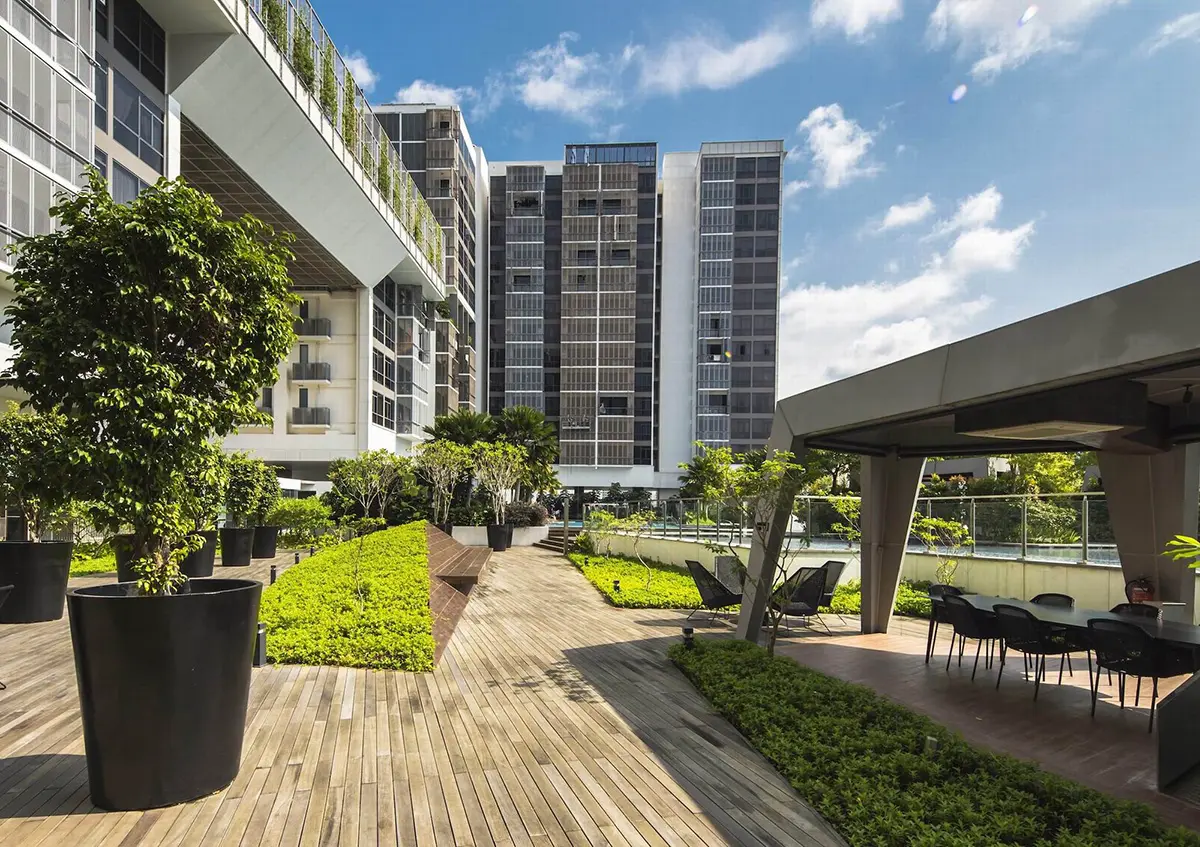
Established in 2006 by a dedicated group of vertical transportation specialists, NINGBO BLUETECH brings nearly 20 years of professional industry experience to the market. With decades spent developing and researching new technologies, NINGBO BLUETECH has earned a reputation for excellent product quality, safety, and customer service. Our custom solutions cover home elevators, passenger elevators, sightseeing lifts, freight elevators, and dumbwaiters.
Every product is designed, fabricated, and rigorously tested in strict compliance with the latest EN-81 standards. By prioritizing safety and user-centric design, the BLUETECH brand continues to expand its presence across international markets, offering highly competitive pricing structures for custom developments.
We serve local projects and have successfully exported to over 30 countries and regions worldwide, including Singapore, Thailand, Saudi Arabia, the United Arab Emirates, Germany, Egypt, Ethiopia, and Nigeria. Our strategic partnerships extend to leading international lift enterprises, including Mitsubishi Middle East and ThyssenKrupp Africa. Whether working on new installations, modernization overhauls, or custom retrofits, we provide the technical expertise and quality assurance your project requires.
The convergence of IoT, predictive diagnostics, and green logistics in residential vertical mobility.
Our upcoming generation of elevator controllers will transmit real-time performance indicators to the cloud. This data allows for predictive maintenance, flagging components for service before an operational fault occurs.
We are transitioning our manufacturing lines to utilize exclusively non-solvent, high-performance powder coatings. Our structural cabins feature sustainably sourced, lightweight, and fully recyclable alloys.
Future lift control panels will integrate seamlessly with standard smart home environments. This interface will allow users to call the elevator via voice commands, mobile applications, or facial recognition security panels.
Answers to crucial structural, safety, and logistical questions for global buyers, builders, and designers.
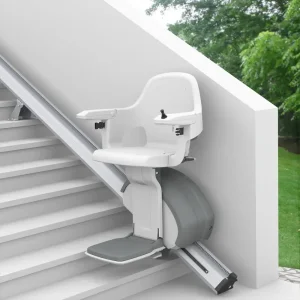
Select from our range of structural components, auxiliary stair lifts, and custom cabins to complete your building project.
 Bluetech