An in-depth whitepaper on China's precision manufacturing capabilities in escalator stairs, step dynamics, material science, and safety standards under global regulatory frameworks.
The modernization of urban centers has accelerated the demand for high-capacity pedestrian conveyance. At the core of this engineering challenge lies the escalator stair assembly. Modern escalator steps are subjected to intense mechanical stress, requiring precise distribution of static and dynamic loads. Historically, welded steel steps were dominant; however, contemporary metallurgy has pivoted toward high-pressure, die-cast aluminum alloys (e.g., ADC12) and specialized cold-rolled stainless steel components.
These materials offer a unique combination of structural rigidity, weight reduction, and exceptional resistance to localized mechanical wear. The precise spacing of cleats and grooves, along with protective demarcations (like high-visibility yellow resin or powder-coated boundary inserts), prevents shoe entrapment and minimizes friction at the combplate. In terms of design, these stairs are engineered to meet global standards like EN 115 and ASME A17.1, ensuring safe operation at angles of 30° to 35° even under heavy passenger loads.
Today's global procurement managers, engineering firms, and municipal developers search for partners who can deliver more than just generic off-the-shelf components. They seek manufacturers capable of providing customized solutions that lower Total Cost of Ownership (TCO) while ensuring long-term operational reliability.
Procurement teams closely evaluate key performance metrics, such as deflection limits under load, the durability of step chain bushings, and the design of the drive sprocket interface. By sourcing directly from verified Chinese manufacturers with integrated production lines, international buyers can customize products for high-traffic environments—such as subways, train stations, and luxury retail malls—while maintaining compliance with local building codes.
How automation, intelligence, and environmental compliance are reshaping global transit and commercial systems.
IoT sensors integrated within the escalator truss now track temperature changes, chain tension, and step vibrations. Predictive algorithms can flag potential mechanical issues before they lead to unexpected downtime, ensuring uninterrupted service in high-traffic hubs.
Advanced VVVF (Variable Voltage Variable Frequency) drives, combined with radar or photoelectric passenger detection, automatically slow down or stop escalators when not in use. This reduces energy consumption by up to 40% and extends the operational lifespan of the mechanical drive train.
Heavy-duty public escalators in outdoor transit centers are increasingly built with hot-dip galvanized trusses, stainless steel steps, and marine-grade electrical enclosures (IP65/IP66). These upgrades prevent corrosion and degradation from rain, salt fog, and extreme temperatures.
Drawing on nearly 20 years of manufacturing experience to deliver world-class elevator and escalator systems.
Established in 2006 by a group of industry specialists, NINGBO BLUETECH has grown to become a recognized name in the design, development, and manufacture of high-quality elevators and escalators. With nearly two decades of professional industry experience, our brand is known for safety, quality, and technical expertise.
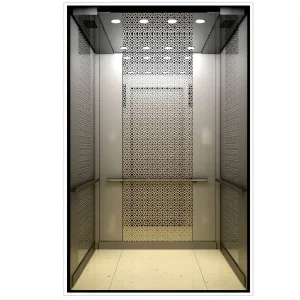
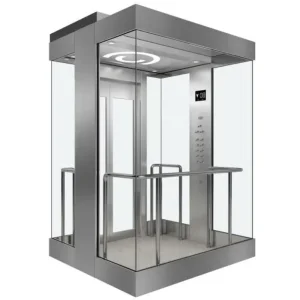
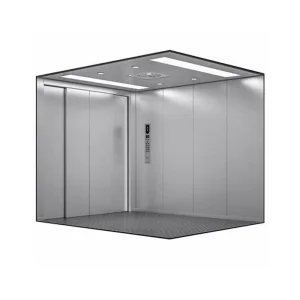
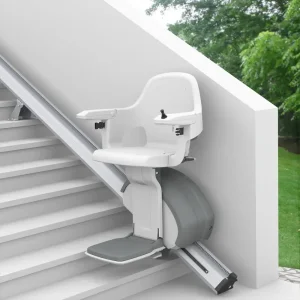
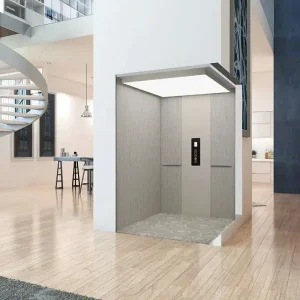
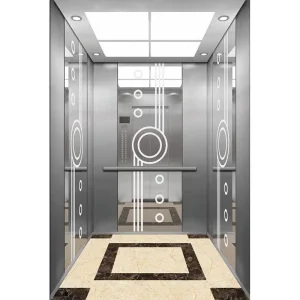
Our diverse range of solutions includes home elevators, passenger elevators, sightseeing elevators, freight elevators, and dumbwaiters. Every system we build is designed and produced in strict compliance with the latest EN-81 and EN-115 standards. By balancing humanized design with safety-driven engineering, BLUETECH brand products deliver exceptional value and reliable performance for projects worldwide.
Today, our footprint extends far beyond the domestic market. We have successfully exported our products to over 30 countries and regions, including Singapore, Thailand, Saudi Arabia, the UAE, Germany, Egypt, Ethiopia, and Nigeria.
Our network of partners includes leading international elevator companies, such as Mitsubishi Middle East and ThyssenKrupp Africa. We collaborate on new lift installations, modernization initiatives, and ongoing maintenance programs. When you choose NINGBO BLUETECH, you partner with a dedicated team of industry experts committed to safety, engineering innovation, and long-term performance.
How advanced automation and strategic logistics keep global transit projects running on schedule.
At NINGBO BLUETECH, our manufacturing facilities utilize advanced automation to ensure structural stability and precision. Automated robotic welding cells create highly durable trusses, while computerized CNC machining units mill steps and tracks with tight tolerances. This level of automation ensures every component fits together seamlessly, reducing friction, vibration, and mechanical wear.
By managing the entire production process under one roof—from raw material sourcing to structural fabrication and final testing—we maintain strict control over quality. Each step assembly undergoes dynamic stress testing to confirm its performance under extreme loads before it leaves the factory.
Located near Ningbo Port, one of the world's busiest container hubs, we offer highly efficient shipping and logistics. This proximity allows us to streamline supply chains, reduce transit times, and lower shipping costs for our international customers. Our standard products are typically completed in just three weeks, with urgent orders expedited to two weeks when project deadlines demand it.
Customized escalator stair systems designed to meet the unique demands of modern architecture.
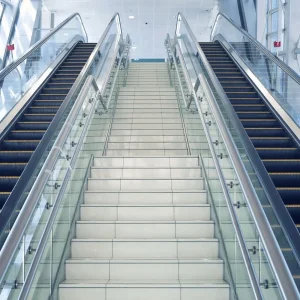
Designed for subways, railway stations, and airports, these systems feature heavy-duty steps, wear-resistant step chains, and robust safety switches. Built to run continuously 24/7, they handle heavy peak-hour passenger traffic while keeping maintenance needs to a minimum.
Designed with glass balustrades, custom lighting, and quiet drive systems, these commercial escalators blend seamlessly into modern retail and corporate buildings. Smart standby modes help reduce daily operational costs during off-peak hours.
Built for industrial complexes, cargo docks, and marine environments, these systems use corrosion-resistant coatings, dust-proof enclosures, and robust drive chains. They are engineered to deliver reliable performance in hot, cold, humid, or dusty conditions.
Detailed answers to common questions about escalator step engineering, materials, and international standards.
 Bluetech