Engineered to meet the highest safety profiles, structural resilience guidelines, and modern international standards (EN-81 and EN-115).
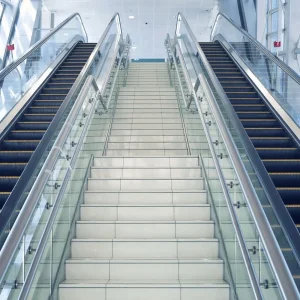
In the matrix of modern urban mobility, the efficiency of passenger flow transits defines the success of architectural and structural designs. Commonly referred to as horizontal escalators or moving walks (autowalks), these complex electro-mechanical conveyance installations bridge critical gaps in large infrastructure footprints. They are engineered to facilitate rapid, comfortable, and continuous movement across airports, metropolitan subway lines, high-speed rail terminals, and massive commercial plazas. The demand for robust, energy-efficient, and long-life horizontal moving walkways is driving global procurement teams to look closely at China's leading manufacturing ecosystems.
This technical white paper dissects the mechanical blueprints, structural design frameworks, electrical control layouts, and safety compliance pathways behind premium horizontal moving walkways manufactured in China, specifically highlighting the operational standards set by industry veterans like Ningbo Bluetech.
The structural anatomy of a premium horizontal moving walkway determines its lifecycle, performance profile, and installation longevity. Engineers categorize these horizontal escalators into two primary architectural divisions: Pallet-Type and Belt-Type systems.
Pallet-Type Systems: These configurations utilize a continuous series of grooved metal or high-density composite pallets. Driven by heavy-duty steel links and precision-guided rollers, pallet-type horizontal walks offer superior load capacity and high structural tolerance. They are the ideal choice for heavy-duty transit situations (e.g., international airports, railway hubs) where shopping carts, luggage bags, and heavy wheeled vehicles are continuously operated over the systems.
Belt-Type Systems: Composed of a seamless, steel-reinforced rubber belt, these systems provide an incredibly smooth, continuous ride. The absence of pallet joints reduces vibration and mechanical noise, making them highly desirable in luxury commercial malls and boutique underground passages. They are optimized for lighter transit loads and environments where passenger comfort is of paramount importance.
The core structural backbone of any horizontal escalator is its steel truss. High-precision manufacturing environments in China execute robotic structural welding, ensuring a deflection limit of L/750 or L/1000 (where L represents the unsupported span length). By utilizing premium structural steels that are hot-dip galvanized or treated with heavy anti-corrosive coatings, these trusses maintain absolute structural integrity in indoor and outdoor settings alike.
Understanding the economics and logistics of sourcing horizontal escalators from China requires evaluating the shift toward Smart Factories (Factory 4.0). The Ningbo and Zhejiang industrial hubs have combined supply chain integration with advanced robotics to achieve unmatched production efficiencies.
Through the utilization of automated laser cutting systems, CNC precision bending machines, and robotic welding stations, modern Chinese factories eliminate manual measurement drift. This ensures that every mechanical component, from the steps and chains to the track systems and comb plates, aligns perfectly within micrometer margins. This high level of manufacturing precision reduces mechanical friction, minimizing ongoing wear and tear and significantly lowering long-term maintenance overhead for the end user.
Furthermore, China's complete localized supply chain for alloy steel manufacturing, high-capacity electrical motors, variable frequency drives (VFD), and precision bearing components allows factories to offer exceptionally fast lead times. Standard orders can typically be finalized in 3 weeks, and urgent infrastructure projects can be handled in as little as 2 weeks, providing a massive competitive advantage compared to Western counterparts requiring 3 to 6 months.
Robotic welding systems and laser alignments deliver structurally sound components with zero deviation, ensuring flawless track connections and ultra-quiet operation.
Every horizontal moving walk undergoes rigorous dynamic load tests, electronic sensor checks, and drive-chain alignment validation prior to sea dispatch.
With an integrated domestic supply network, typical lead times are optimized down to 2-3 weeks, significantly accelerating project delivery.
Global procurement directors, EPC contractors, and transit authority project managers face a complex set of requirements when selecting a manufacturer for horizontal moving walks. Sourcing must look beyond the initial purchase cost to evaluate the total cost of ownership (TCO) and long-term operating risk.
Key procurement factors include:
Safety is the primary metric for public transit systems. High-quality manufacturers in China design, engineer, and build horizontal moving walks strictly to international standards, including the European Standard EN 115-1:2018 (Safety of Escalators and Moving Walks), the North American Standard ASME A17.1 / CSA B44, and the CE Certification requirements for the European Economic Area.
Modern horizontal escalators incorporate advanced sensor arrays to handle risk factors in real-time, including:
Established in 2006, dedicating nearly two decades of engineering expertise to elevators, escalators, and key component parts.
Ningbo Bluetech was established by a specialist group of engineers and vertical transit professionals in 2006. With close to 20 years of dedicated industry experience, the brand is highly regarded for its outstanding quality control, reliable service, and technical design strength.
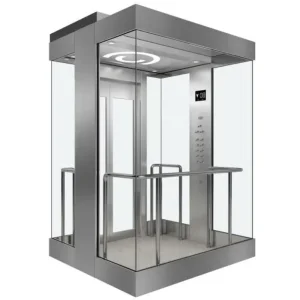
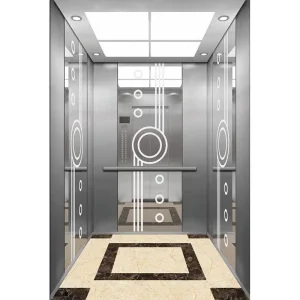
Our comprehensive range of passenger solutions covers home lifts, commercial passenger elevators, panoramic sightseeing elevators, heavy-duty freight systems, dumbwaiters, and advanced horizontal moving walks. Every product is engineered to comply with the latest European EN-81 and EN-115 standards.
We work closely with global industry leaders, including ThyssenKrupp Africa and Mitsubishi Middle East, providing components and comprehensive systems for new installations, modernizations, and retrofitting projects. Today, Ningbo Bluetech systems are successfully operating in over 30 countries, including Germany, Singapore, Thailand, Saudi Arabia, the UAE, Egypt, Ethiopia, and Nigeria.
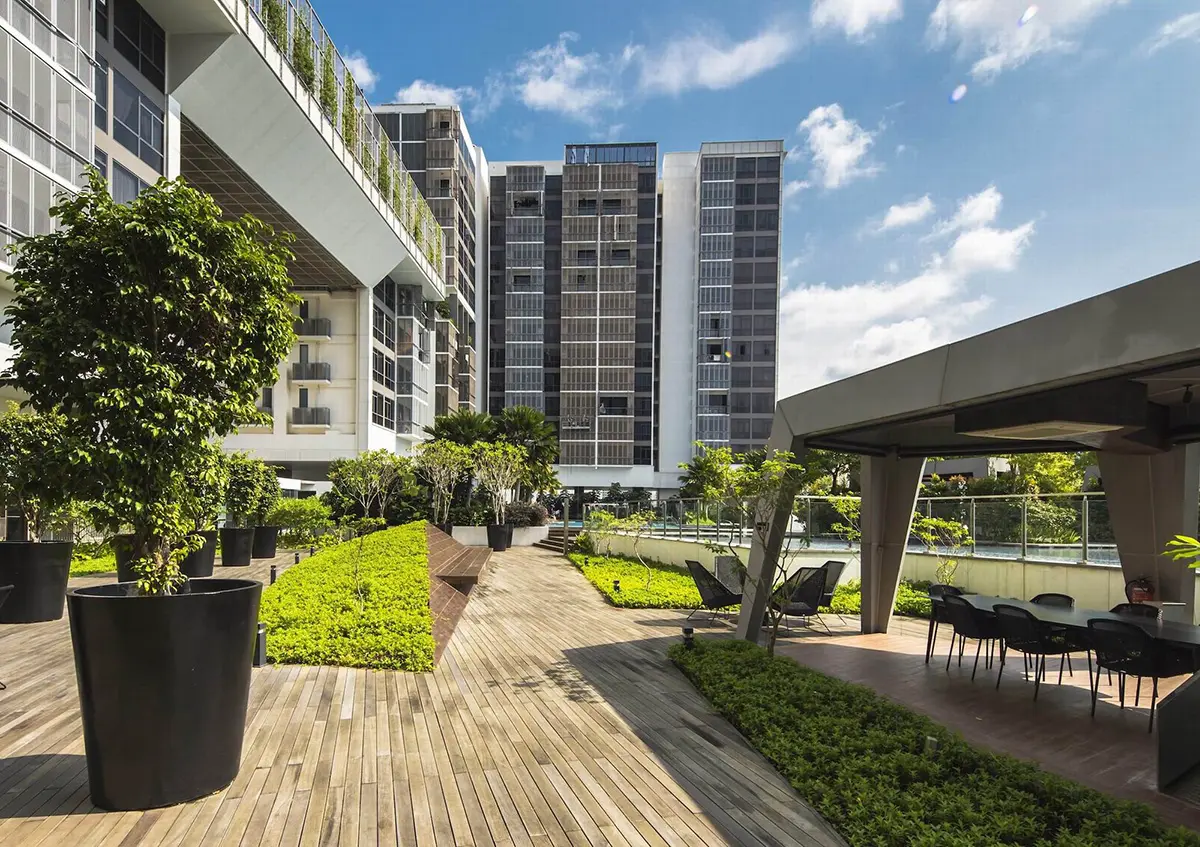
Our technical teams collaborate closely with architects, developers, and builders across our key regional markets. We design customized configurations to meet specific building codes, mechanical constraints, and passenger capacity requirements.
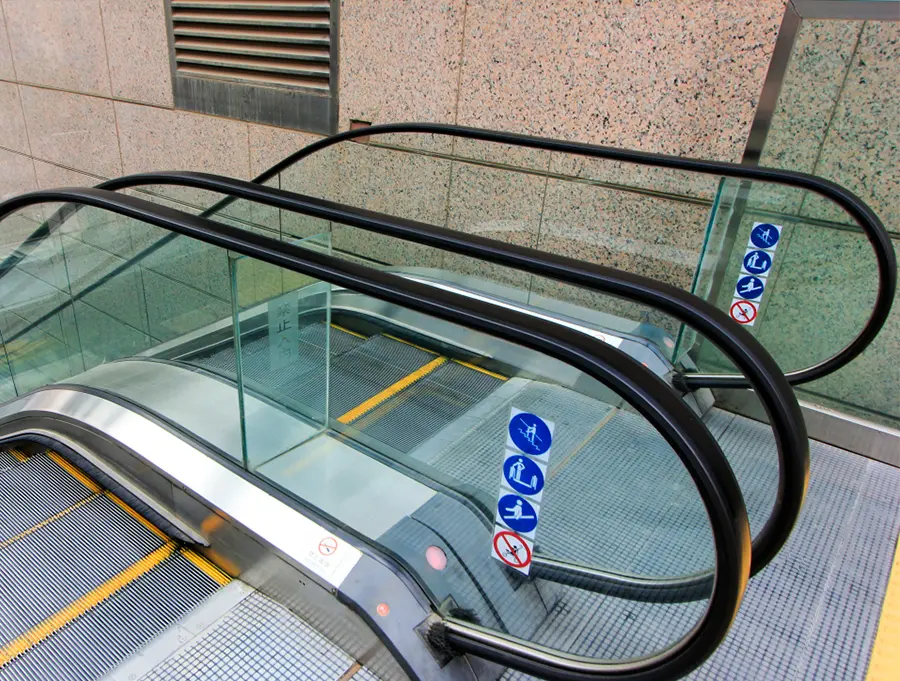
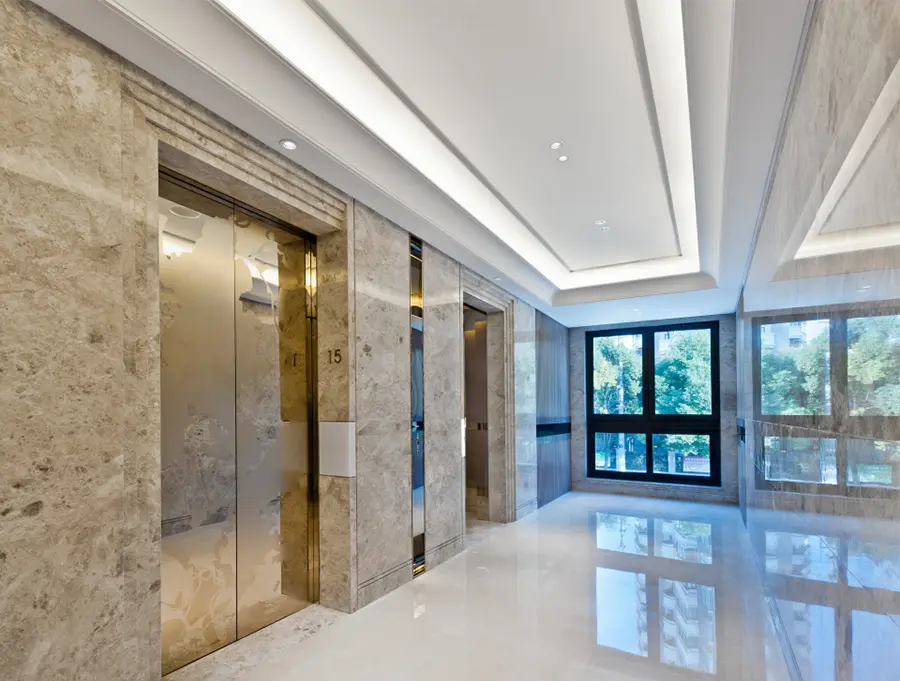
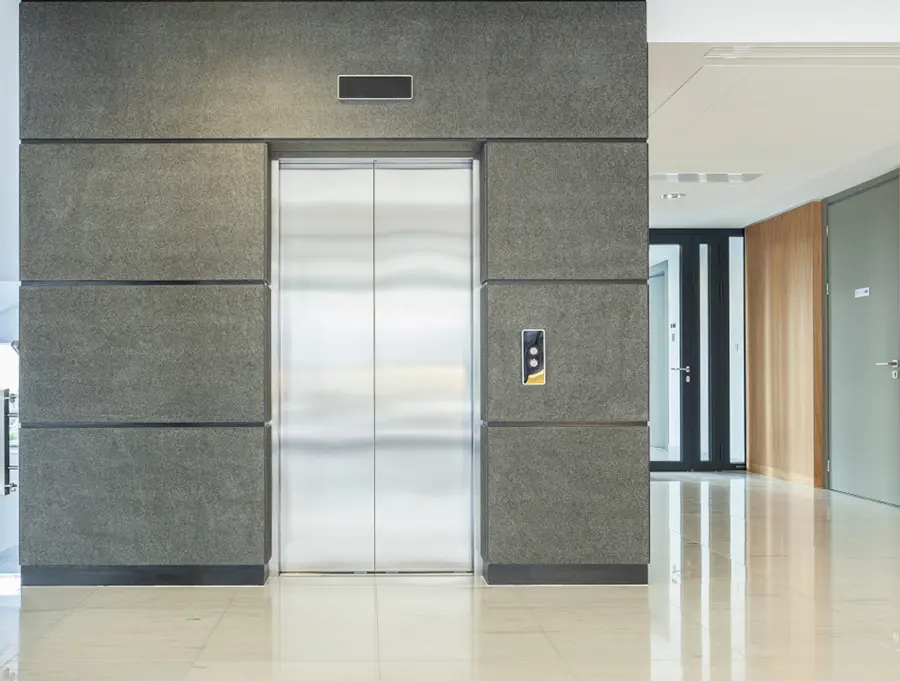
The next generation of horizontal moving walks focuses on digital integration and environmental efficiency. By implementing IoT-based remote diagnostic telemetry, modern systems track parameters like vibration frequency, operating temperature, and component wear in real time. Algorithms analyze this data to predict mechanical issues, allowing operators to schedule maintenance before service interruptions occur.
Energy management is also critical. Utilizing high-efficiency permanent magnet synchronous gearless motors combined with intelligent passenger detection (photocell barriers or micro-radar arrays) allows horizontal walks to run at a low stand-by speed when no passengers are present, saving up to 50% in energy consumption compared to older, continuous-speed designs.
Furthermore, eco-conscious manufacturers use biodegradable synthetic lubricants and fully recyclable aluminum alloy steps. These design choices contribute to global green building certifications such as LEED and BREEAM, aligning transit infrastructure with modern environmental goals.
Answers to common technical, regulatory, and sourcing questions about horizontal moving walks and elevators.
Explore our full range of residential and commercial passenger systems, heavy-duty cargo lifts, and premium component parts.
 Bluetech