Engineered for luxury homes, multi-generational villas, and high-end architectural integrations.
The global demand for high-end residential vertical mobility solutions has witnessed exponential growth. Modern home construction, luxury villa developments, and retrofitting for age-in-place applications require private transport solutions that combine reliability, seamless architectural integration, and absolute structural safety. As a leading manufacturer and exporter, Ningbo Bluetech Import & Export Co., Ltd. specializes in design power, technological innovations, and robust supply chain networks that support international distributors, construction firms, and property development partners.
Inside-home elevator technology has evolved from high-maintenance hydraulic systems into eco-friendly, energy-efficient Permanent Magnet Synchronous Motor (PMSM) gearless traction systems. Ningbo Bluetech combines state-of-the-art Chinese manufacturing capacities with stringent European Norms (EN-81) to engineer inside-home elevators that feature whisper-quiet operation (<45 dB), low energy footprints, and flexible shaft configurations that fit into minimalist architectural grids.
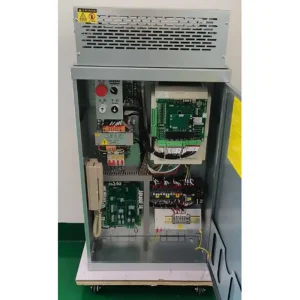
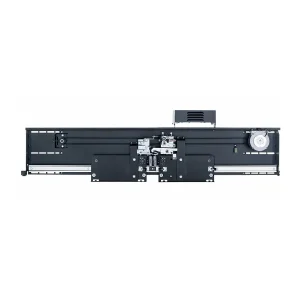
The development of home elevators is highly customized. Every residence features distinct structural parameters, load capacities, pit depths, and headroom heights. China's manufacturing clusters in Ningbo, Zhejiang offer comprehensive vertical integration. This ensures that every element of the lift—including traction machines, door operators, advanced VF controllers, safety gear, and cab finishes—is engineered concurrently.
By leveraging this integration, Ningbo Bluetech maintains short lead times of just 2 to 3 weeks (compared to standard European times of 8 to 12 weeks), all while ensuring competitive pricing. This responsiveness allows property developers and engineering firms to maintain strict construction schedules without risking safety or design integrity.
Ensuring structural reliability inside a private home requires advanced mechanical designs. Our engineering teams apply cutting-edge variable-frequency (VF) motor drive technologies to guarantee gentle acceleration and deceleration. This minimizes vibration and reduces mechanical wear, extending the lifespan of the lift structure.
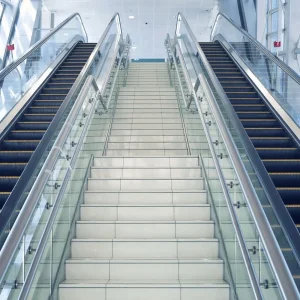
Inside-home vertical systems must adhere strictly to global safety codes to ensure reliable passenger transport. Every elevator, cabin, escalators, and structural element manufactured by Ningbo Bluetech is systematically aligned with the latest European and American standards.
Real estate developers, architects, and international elevator service providers must consider multiple parameters during the planning phase. Selecting an elevator for inside a home involves sizing the shaft, designing the interior finishes, and ensuring compatibility with the building's structure.
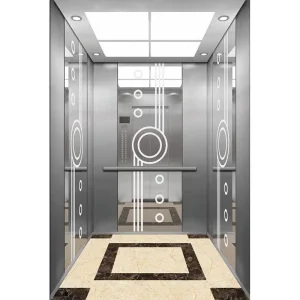
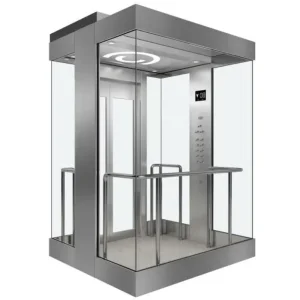
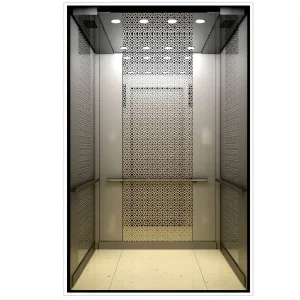
Homeowners expect elevators that double as design centerpieces. That is why our modern home elevators feature custom cabin options, including mirror-etched stainless steel, warm wood veneers, panoramic glass panels, and customized LED ceiling arrays.
For compact spaces or retrofit projects where excavation is difficult, we engineer pitless or shallow-pit platform structures. These options minimize the civil work required, making them ideal for existing villas, penthouses, and historical restorations.
Our collaborative projects include supply partnerships with international brands like Mitsubishi Middle East and ThyssenKrupp Africa. We design components that integrate seamlessly into existing shafts for modernization and maintenance programs. Whether retrofitting new elevators or supplying replacement controllers and door operators, we maintain cross-brand compatibility.
The residential lift market is experiencing a shift toward smart homes. High-end elevators now incorporate Internet of Things (IoT) monitoring systems that track operational cycles in real time. These smart diagnostic controllers identify wear and tear on components, alerting operators before mechanical failures occur. This predictive maintenance model lowers lifetime operating costs, ensuring long-term reliability for homeowners.
Answers to common structural, purchasing, and compliance questions for residential elevator projects.
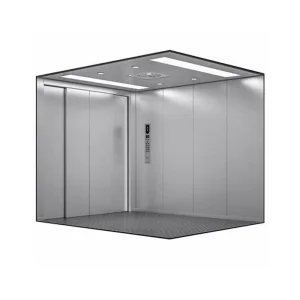
From space-saving platform lifts to heavy freight solutions, discover our diverse engineering options.
 Bluetech