The global vertical mobility sector is undergoing an unprecedented structural transition. In past decades, residential elevators were deemed luxury integrations reserved only for sprawling, premium villas. Today, driven by global demographic shifts, an aging population, and structural changes in urban architecture, the demand for domestic elevators has evolved from a premium lifestyle symbol into a critical piece of accessibility infrastructure.
China has emerged as the epicentre of this transformation. As the world’s largest manufacturing hub for elevators and components, Chinese factories and manufacturers have progressed from basic assembly operations to pioneers of advanced traction systems, intelligent Internet of Things (IoT) integrations, and highly efficient space-saving designs. Manufacturers are leveraging modern production techniques to combine high mechanical reliability with cost-competitive scale, redefining what global procurement departments expect from their supply partners.
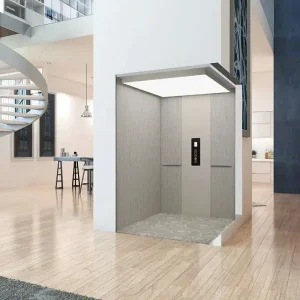
With density increases in multi-generational residential structures, modern architecture demands lifts that require zero structural modification to historic or existing footprints. This has given rise to the dominance of Machine Roomless (MRL) technology and compact shaft footprints, enabling seamless retrofitting into private residences and urban multi-family units alike.
Modern residential elevators utilize Permanent Magnet Synchronous Motors (PMSM) paired with Variable Frequency controllers. This integration minimizes mechanical wear, operates with virtually zero acoustic emission, and reduces energy consumption by up to 40% compared to legacy hydraulic systems.
Equipped with smart sensors, contemporary home lifts constantly transmit operational cycles and alignment parameters to cloud servers. Predictive maintenance systems analyze this telemetry data to identify potential component wear-and-tear before any actual breakdown can occur, ensuring 99.9% uptime.
Automatic Rescue Devices (ARD) form the frontline defense of modern domestic transport. In the event of a sudden municipal power failure, the ARD system engages secondary lithium reserves to transport the elevator car safely to the nearest landing gate and automatically actuate door opening.
A track record of excellence and a deep commitment to quality, innovation, and global customer satisfaction.
Established by a group of industry specialists in 2006, NINGBO BLUETECH has spent nearly 20 years dedicated to the design, research, development, and global supply of premium passenger elevators, escalators, and critical sub-systems. With decades of research and continuous technological iterations, NINGBO BLUETECH is recognized internationally for its high quality standards, reliable logistics, and stellar customer support.
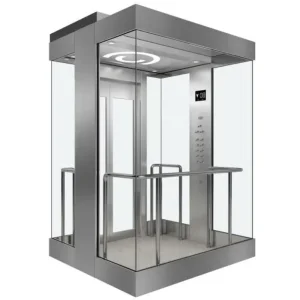
Our comprehensive engineering solutions cover a wide range of applications: from private home elevators and luxurious villa lifts, to high-end sightseeing platforms, industrial freight systems, and compact dumbwaiters. To ensure seamless market entry and safety compliance worldwide, all our products are fully designed, manufactured, and verified under the latest international standards, including the stringent EN-81 safety framework.
With humanized aesthetic design at the core of our brand, we maintain competitive, reasonable pricing models without sacrificing safety or materials. In addition to securing a major presence in our local market, we have successfully exported our systems to over 30 countries and territories, including Germany, Singapore, Thailand, Saudi Arabia, the UAE, Egypt, Ethiopia, and Nigeria.
For global real estate developers, contractors, and specialized elevator distributors, choosing a manufacturing partner in China requires looking beyond base unit pricing. Enterprise procurement involves evaluating long-term technical support, compliance certification, and supply chain stability.
At NINGBO BLUETECH, we work alongside major international players in the industry, executing installations, modernization, and maintenance projects globally. We have active strategic ties with top-tier firms, providing localized support for complex structural and mechanical elevator modernizations, working directly with partners like Mitsubishi Middle East and ThyssenKrupp Africa.
Our production workflow centers on delivering compliance and technical reliability, offering:
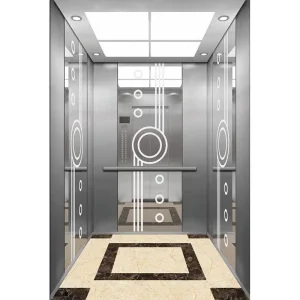
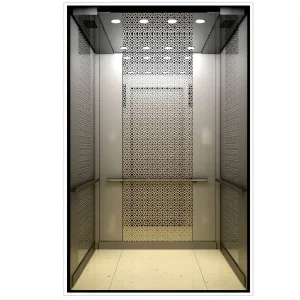
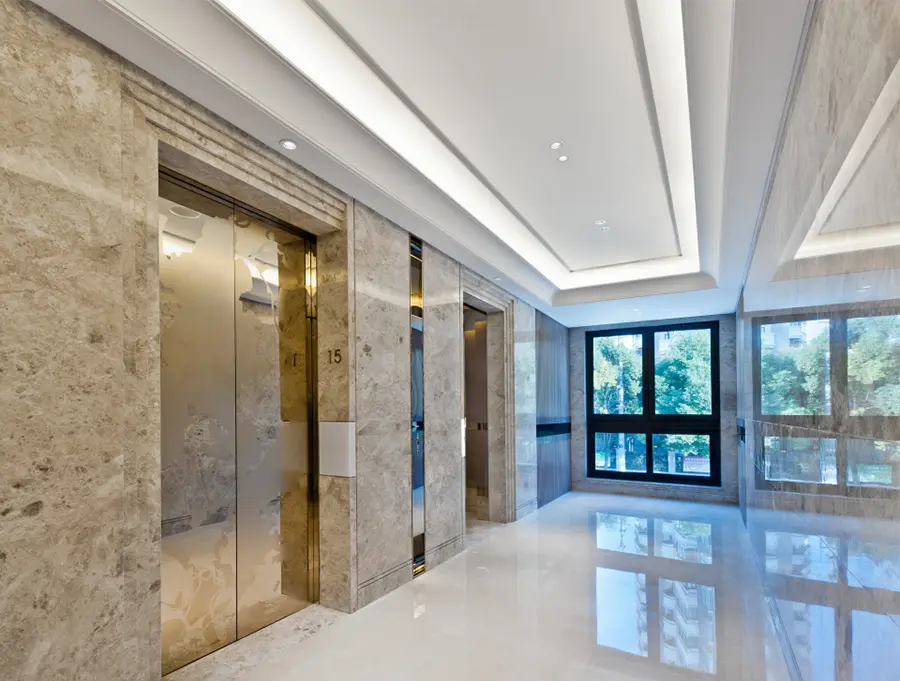
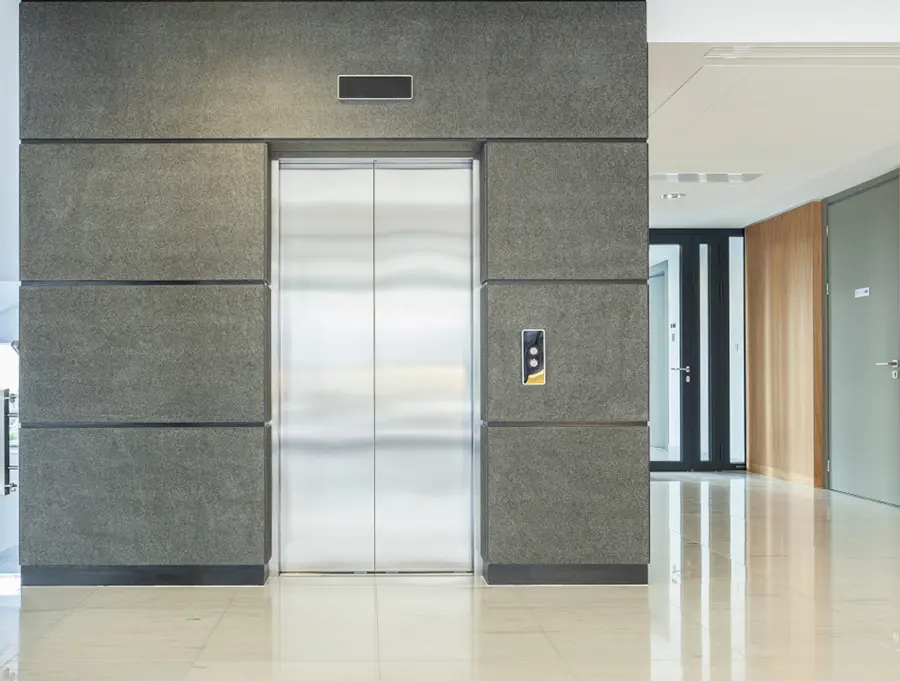
Our residential elevator packages prioritize aesthetic integration and noise reduction. Featuring soundproof cabins, energy-efficient synchronous motors, and luxury cabin finishes like hairline stainless steel and titanium finishes, they complement modern residential layouts.
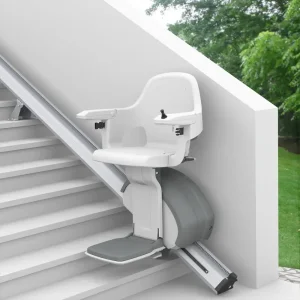
Retrofitting existing multi-family houses requires solutions that do not disrupt current building foundations. Our compact wheelchair lifts and electric incline platforms can be installed directly onto structural walls with minimal civil construction.
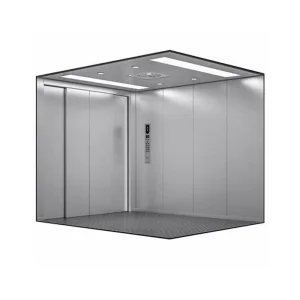
For applications requiring transit of heavy goods, we produce high-capacity freight elevators ranging from 1,350kg up to 5,000kg load ratings. These models feature reinforced structural steel cabins, reliable safety gear, and wear-resistant landing sills.
The domestic elevator is transitioning from an isolated mechanical appliance into a node within the smart home and smart city grid. Over the next five years, technological developments will focus on three key areas:
1. Energy Harvesting and Regeneration: Future models will convert the kinetic energy generated during braking and counterweight movement back into electrical current. This electricity is returned to the domestic energy storage grid, lowering net energy usage to near-zero levels.
2. AI-Driven Dispatching: By monitoring daily transit patterns, neural networks can position the cabin at specific landings before a user calls it, reducing wait times during busy morning hours.
3. Advanced Materials: Carbon-fiber composite traction cables are replacing traditional steel wire cables, offering higher load capacities, reduced energy usage, and lower system weight.
Vertical transportation systems must meet stringent local building codes. At NINGBO BLUETECH, safety is a priority during engineering and assembly. We ensure compliance with global certifications including EN 81 (Europe), ASME A17 (North America), and AS1735 (Australia).
To support local installation companies, our engineering teams supply comprehensive installation guides, structural wiring diagrams, and diagnostic software. In addition, we coordinate with local service technicians to provide components, commissioning support, and replacement parts within 24-48 hours.
We choose wear-resistant materials to prolong system life. Our elevator guides are machined to close tolerances to prevent vibration, and cabin walls use fire-retardant structural materials, offering a high-quality finished product that is built to last.
Typically, standard configurations require 3 to 4 weeks. Specialized manufacturers like NINGBO BLUETECH can compress this timeframe to 3 weeks for regular models, and 2 weeks in urgent situations, minimizing construction delays at the job site.
Yes. All passenger, villa, and freight elevators manufactured by NINGBO BLUETECH are engineered to meet the EN-81 regulatory framework. We provide standard safety certificates and documentation required by municipal inspectors globally.
Yes. Modern Machine Roomless (MRL) technology, along with customized cabin configurations, allows installation in houses with limited headroom and pits as shallow as 300mm. Sourcing components from experienced manufacturers enables custom layouts suited for historic properties and retrofits.
Because PMSM traction machines lack standard gearboxes, mechanical friction is reduced. Basic lubrication and brake checks are typically scheduled every 6 months, while remote telemetry monitoring runs continuously to flag potential maintenance needs.
We offer 12-hour response times, comprehensive installation manuals, wiring schematics, and video troubleshooting. We work directly with international installation crews, including major projects alongside partners like Mitsubishi Middle East and ThyssenKrupp Africa.
 Bluetech