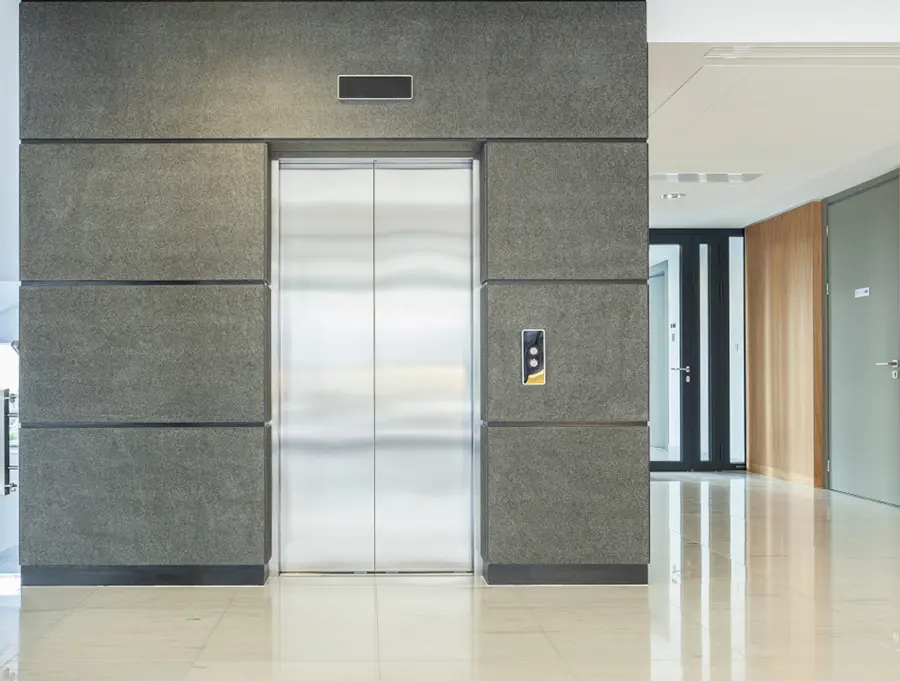
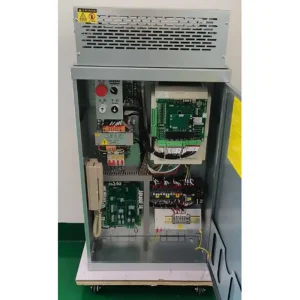
Explore our selected range of high-performance vertical transportation solutions, manufactured in accordance with rigorous global standards.
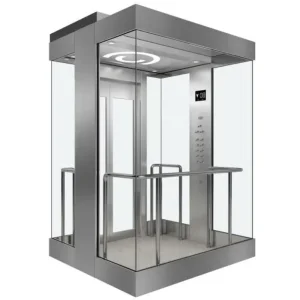
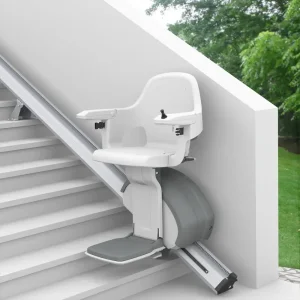
A global legacy of engineering precision, serving international elevator companies and modernization projects since 2006.
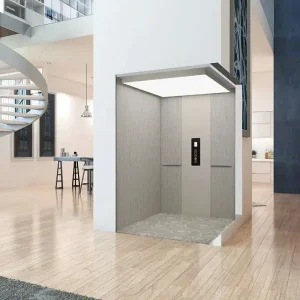
As modern architecture trends lean heavily towards spatial optimization, multi-level private residences and villas have become the hallmark of modern urban development. In regions such as Western Europe, North America, the Middle East, and Southeast Asia, the installation of a 3 floor home elevator is no longer considered merely a luxury. Instead, it is increasingly viewed as an essential investment in architectural accessibility, modern home automation, and long-term asset valuation.
The demographic shifts toward aging-in-place options, alongside the rising consumer desire for customizable, luxury home living, have accelerated the global demand for residential lift systems. From a regulatory perspective, standard building codes in various countries are now actively incorporating accessibility standards, pushing developers and private homeowners to integrate reliable vertical transportation in three-story buildings. By bridging the gap between functional accessibility and modern aesthetics, the home elevator has evolved into a key element of contemporary structural design.
China has emerged as the premier global hub for the design, prototyping, testing, and mass production of residential elevators. Leveraging unmatched supply chain clustering, Chinese manufacturers offer state-of-the-art technological advancements at competitive price points. By integrating precision machining, advanced metallurgy, and sophisticated electronics from local hubs, suppliers in regions like Ningbo can deliver customized lifts that meet strict international regulatory standards like the European EN-81 and North American ASME A17.1.
This localized supply chain excellence enables manufacturers to design and deliver bespoke cabins, quiet drive mechanisms, and intelligent control modules with lead times far shorter than traditional manufacturers based in the West. As a result, global distributors, real estate developers, and architectural firms increasingly partner directly with China-based OEM/ODM manufacturers to execute large-scale residential projects.
Selecting the appropriate drive system for a 3-stop residential lift requires a deep understanding of the engineering trade-offs between space efficiency, operational acoustics, installation complexity, and lifecycle maintenance costs. The three dominant technology tracks in the current market are detailed below:
| Technology Type | Average Pit Depth Required | Acoustic Performance | Best Suited Application | Energy Efficiency Rating |
|---|---|---|---|---|
| MRL Traction Lift | 300mm - 500mm | < 48 dB (Ultra-Quiet) | Modern Villas, High-frequency Use | Excellent (Variable Frequency Drive) |
| Hydraulic Lift | 100mm - 200mm | < 55 dB (Moderate) | Low Overhead Space Constraints | Moderate (Power during ascent only) |
| Pneumatic Vacuum Lift | 0mm (No pit needed) | < 65 dB (Audible air flow) | Retrofitting Existing Homes | Low to Moderate |
Modern residential elevators utilize Variable Voltage Variable Frequency (VVVF) drive systems to regulate motor speed and torque dynamically. This engineering approach ensures exceptionally smooth acceleration and deceleration curves, eliminating the sudden "jerks" that can plague older, single-speed lift designs. Crucially, VVVF technology reduces inrush currents by up to 50%, protecting the home's electrical grid and significantly extending the operational lifespan of the motor, ropes, and mechanical guides.
Safety is the primary metric by which home elevator reliability is judged. Leading Chinese manufacturers design elevators with multi-tier emergency redundancy protocols:
Why international developers, engineering consultants, and global distributors choose our technical ecosystem for their premium projects.
Every elevator, control cabinet, and mechanical subsystem is meticulously engineered to meet European EN-81 and American ASME standards, validated by international inspection bodies.
Our dedicated engineering department designs custom cabins, panoramic glass shafts, and high-end car finishes to complement the architecture of high-end private villas.
Through robust purchasing control and optimized manufacturing processes, standard orders are completed within 3 weeks, and urgent requirements can be finished in just 2 weeks.
A trusted brand with nearly 20 years of professional industry experience, recognized for premium quality and customer satisfaction.
Established by a group of industry specialists in 2006, Ningbo Bluetech Import & Export Co., Ltd. has dedicated itself to the design, manufacturing, and international distribution of high-quality elevators and escalators. With nearly two decades of dedicated R&D, Bluetech has built an international reputation for engineering excellence, safety compliance, and comprehensive after-sales support.
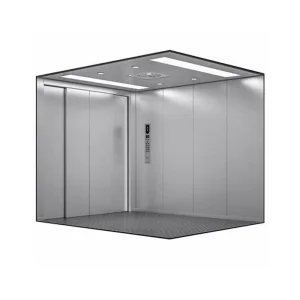
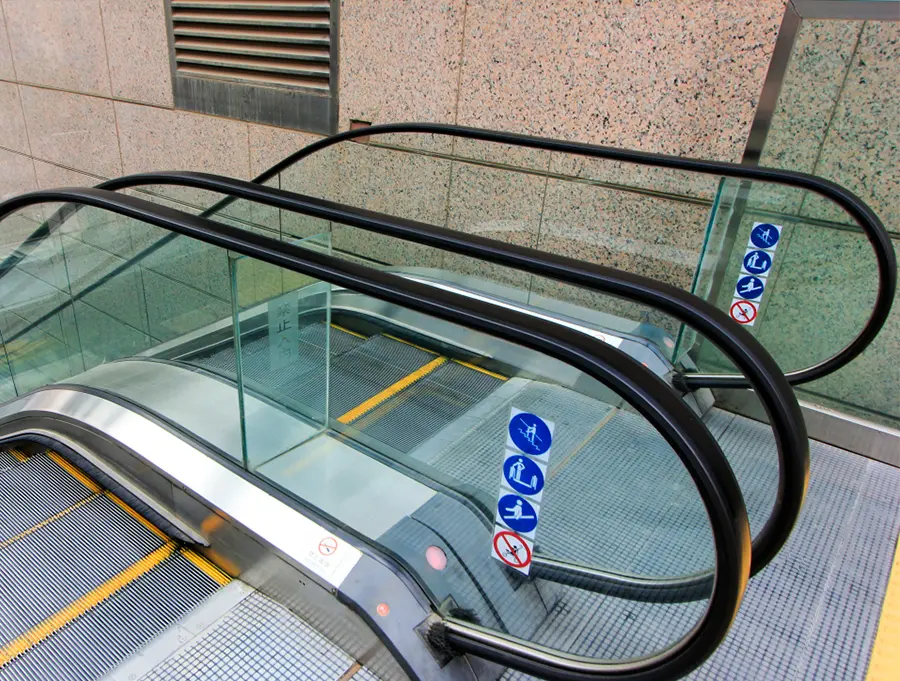
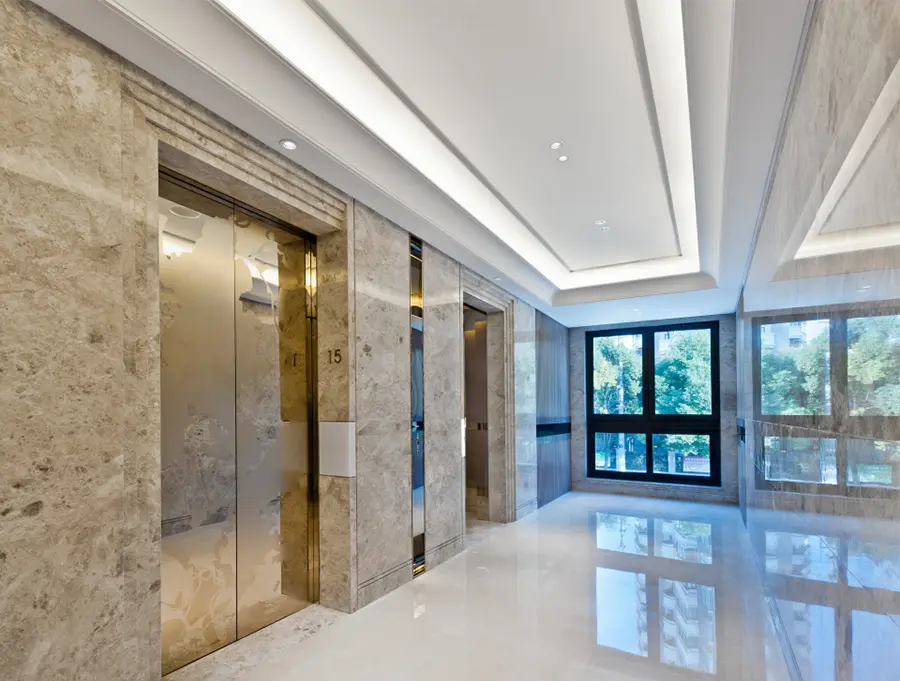
Our solution portfolio covers a wide range of vertical transport systems, including home elevators, passenger elevators, sightseeing elevators, freight elevators, and dumbwaiters. All products are designed and produced under the latest EN-81 standard, ensuring absolute compatibility with global safety codes.
With an emphasis on humanized design and high safety levels, Bluetech products are highly marketable and competitive. We serve not only our local market but have successfully exported to over 30 countries and regions worldwide, including Singapore, Thailand, Saudi Arabia, the UAE, Germany, Egypt, Ethiopia, and Nigeria.
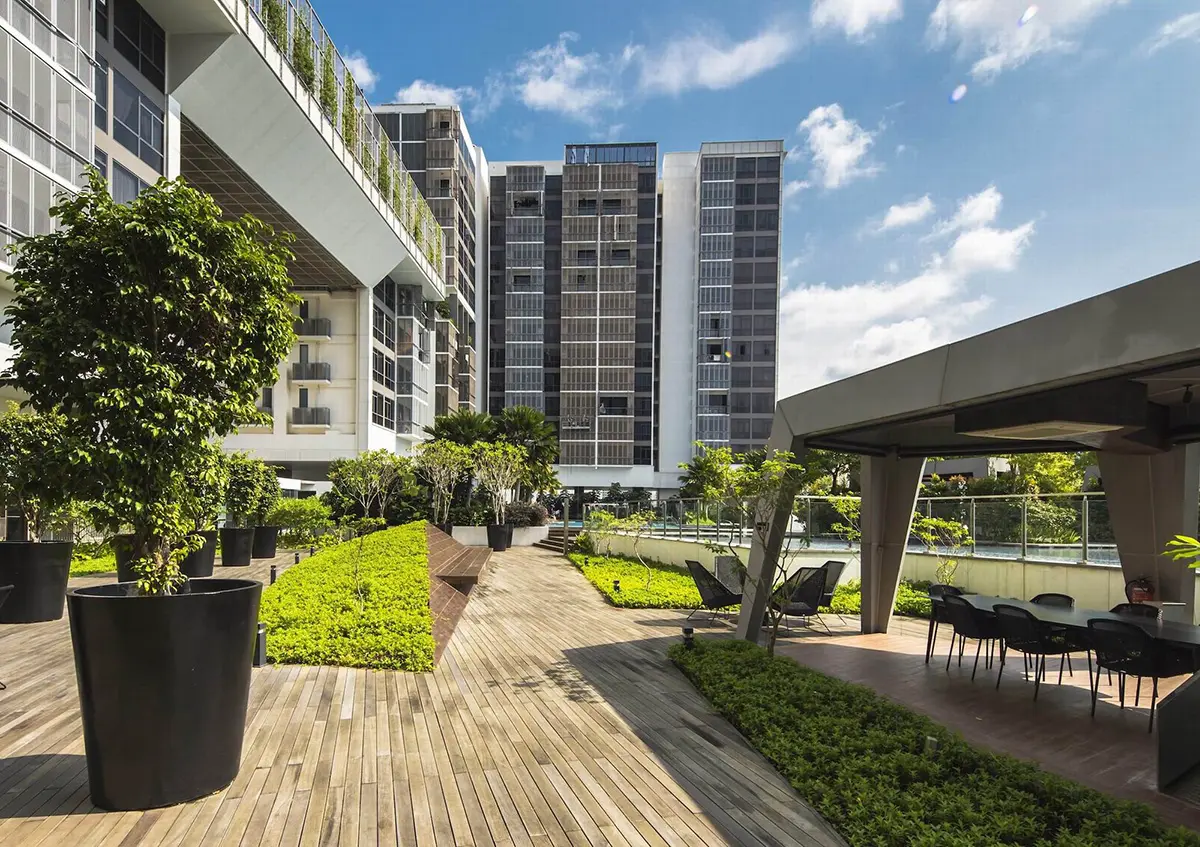
Deploying a 3-floor home elevator globally requires strict compliance with localized structural and electrical regulations. In North America, home lifts must conform to the ASME A17.1 safety code, which defines clear guidelines regarding cab sizes, weight limitations, gate configurations, and emergency lowering systems. In the European Union, the Machinery Directive 2006/42/EC and EN-81-41 govern slow-speed platform lifts, defining strict requirements for structural integrity and fail-safe mechanical control interfaces.
Adapting systems for local contexts involves customizing electrical cabinets to handle specific regional power supplies (e.g., 230V single-phase in European residential properties vs. 240V split-phase systems common in US homes). Additionally, structural components must be customized for local conditions, such as using corrosion-resistant 316-grade stainless steel for oceanfront villas in coastal regions of Spain and Florida, or upgrading active cabin ventilation systems to manage extreme summer heat in the Middle East.
Our structural designs are trusted in both residential and boutique commercial settings. We collaborate with clients across our global network to implement outstanding design ideas. By combining client guidelines with structural possibilities, we deliver high-performance lifts that enhance both the accessibility and visual appeal of premium properties.
The home elevator industry is undergoing a digital and environmental transformation. As smart homes become standard, vertical mobility systems are moving beyond basic push-button functionality to become fully integrated components of the domestic technology ecosystem.
Modern three-floor elevators are increasingly outfitted with Internet of Things (IoT) monitoring packages. These units collect real-time data on door cycles, motor heat signatures, rope tension, and control board diagnostics. This data is transmitted to cloud servers, allowing maintenance providers to perform predictive maintenance before a component fails. Homeowners can monitor their lift status, control access, or pre-call the elevator to their floor via integrated mobile apps and smart home assistants.
Environmental sustainability is a key driver of modern elevator design. Traditional hydraulic elevators consume significant energy to pump fluid during ascent and generate heat during descent. In contrast, modern MRL traction systems use energy-efficient permanent magnet synchronous motors. Additionally, regenerative drives are being integrated to capture kinetic energy during cabin braking and feed it back into the home's electrical grid, reducing the lift's net energy consumption.
In response to hygiene concerns, touchless control interfaces have transitioned from commercial spaces to luxury residential elevators. Users can operate their elevator via voice commands, gesture sensors, or smartphones. Inside the cabin, built-in air purification systems using HEPA filters and silent UV-C disinfection cycles operate automatically when the elevator is empty, maintaining a clean and healthy environment.
Get professional answers to common questions about installing, maintaining, and certifying three-floor home elevators.
Explore our professional-grade replacement components, cabin assemblies, and controller modules engineered for long lifecycles.
 Bluetech