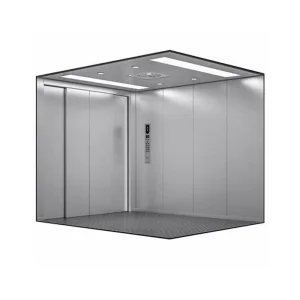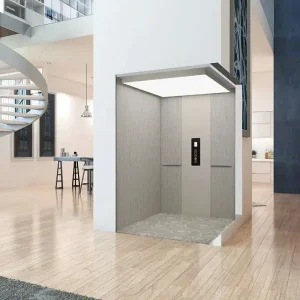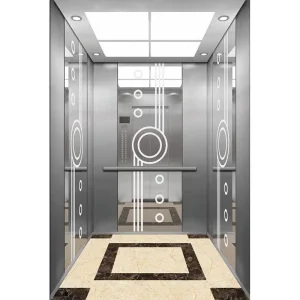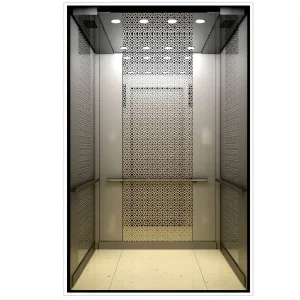
The modern vertical mobility market is undergoing a structural evolution. Architects, civil developers, and property retrofitting consultants are increasingly bypassing conventional elevator shafts in favor of shaftless elevator systems. Historically, vertical transport required dedicated load-bearing concrete structural shafts. Shaftless lifts—predominantly employing through-floor aperture mechanics, self-supporting guide rails, or pneumatic vacuum chambers—negate the need for heavy masonry construction, delivering profound reductions in engineering footprints and upfront capital expenditures.
For high-volume developers and commercial procurement teams, navigating wholesale shaftless elevator costs involves balancing direct factory pricing with local engineering requirements, structural standardizations, and custom electrical configurations. Sourcing directly from certified factories facilitates localized structural tailoring while leveraging significant wholesale economies of scale.
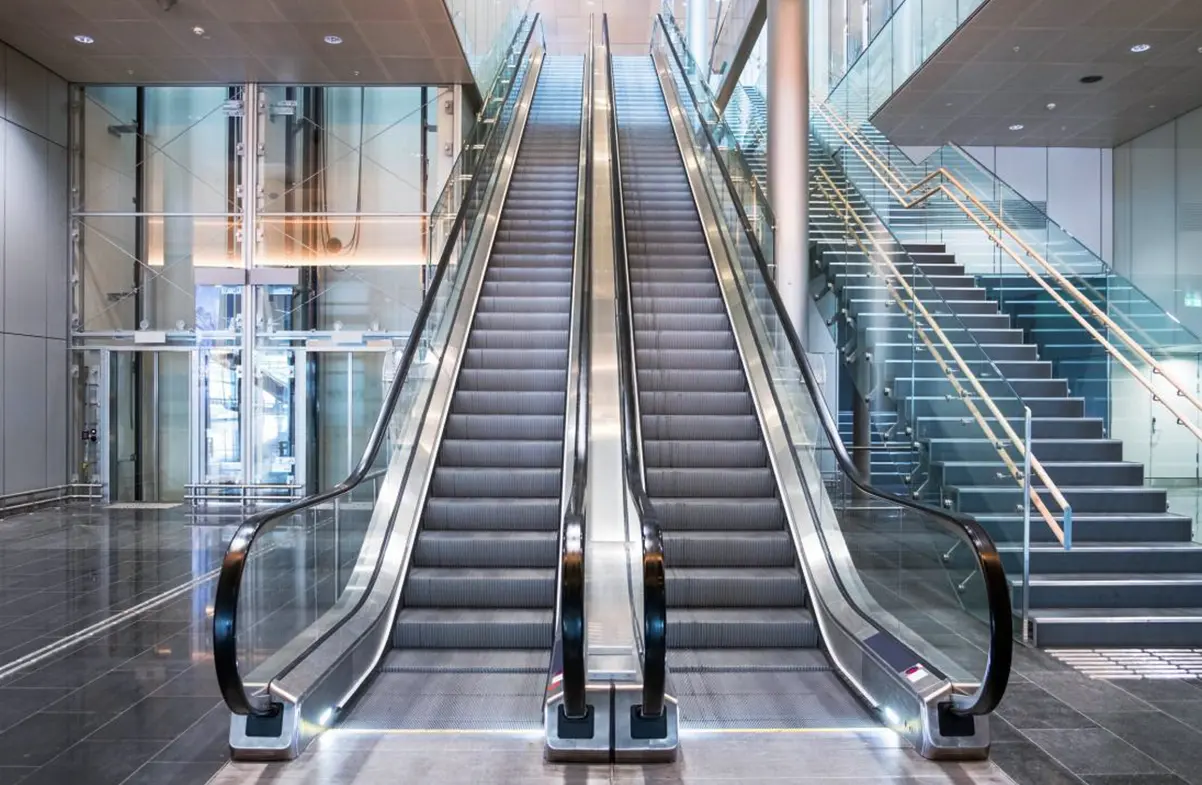
Direct-from-factory procurement demands an analytical understanding of cost structures. Below is an engineering cost matrix representing current global industrial ranges for wholesale shaftless systems.
| System Archetype | Typical Mechanical Drive | Average Wholesale Cost Range (USD) | Primary Civil Savings Factor | Ideal Application Scenario |
|---|---|---|---|---|
| Residential Through-Floor Lifts | Hydraulic / Winding Drum | $10,000 - $18,000 | No pit required, minimal ceiling cutout | Retrofits in existing multi-story homes |
| Pneumatic Vacuum Lifts | Air Pressure Differential | $15,000 - $24,000 | 360-degree self-supporting enclosure | Architectural showcase / luxury villas |
| Compact Traction Shaftless | Gearless MRL Traction | $12,000 - $20,000 | Extremely low overhead requirements | New-build modern compact residences |
| Heavy-Duty Custom Cargo/Home hybrid | Double-Mast Hydraulic | $18,000 - $35,000 | No overhead load-bearing walls needed | Home workshops, mixed commercial/residential |
These baseline factory costs represent direct EXW/FOB pricing structures. When optimizing procurement strategies, logistics managers must evaluate total cost of ownership (TCO) variables, including customs duties, local mechanical inspections, electrical frequency calibration (e.g., 50Hz to 60Hz conversions), and localized safety certification. Ningbo Bluetech engineers assist in mitigative pre-compliance audits, saving clients up to 15% in post-delivery local commissioning expenses.
Established by a core group of elevator engineering specialists in 2006, Ningbo Bluetech has dedicated nearly 20 years to the research, development, and manufacture of advanced vertical transport systems. Through continuous technological modernization, our global operations now span over 30 countries.
All products are engineered and tested in accordance with international safety norms, satisfying the strict requirements of EN-81 elevator guidelines.
What differentiates Ningbo Bluetech in the wholesale manufacturing space is our integration of complex control engineering. We implement advanced safety systems including intelligent Variable Frequency (VF) speed regulation, automated microcomputer emergency rescue systems (ARD), and eco-friendly regenerative drive arrays that feed energy back into the property's power grid during descent cycles.
Our solutions cater to high safety margins and strict quality controls. Our factories utilize precision CNC manufacturing lines to guarantee tolerances within fractions of a millimeter. This meticulous quality control ensures that our shaftless designs require less runtime maintenance and provide smooth, quiet cabin transits.
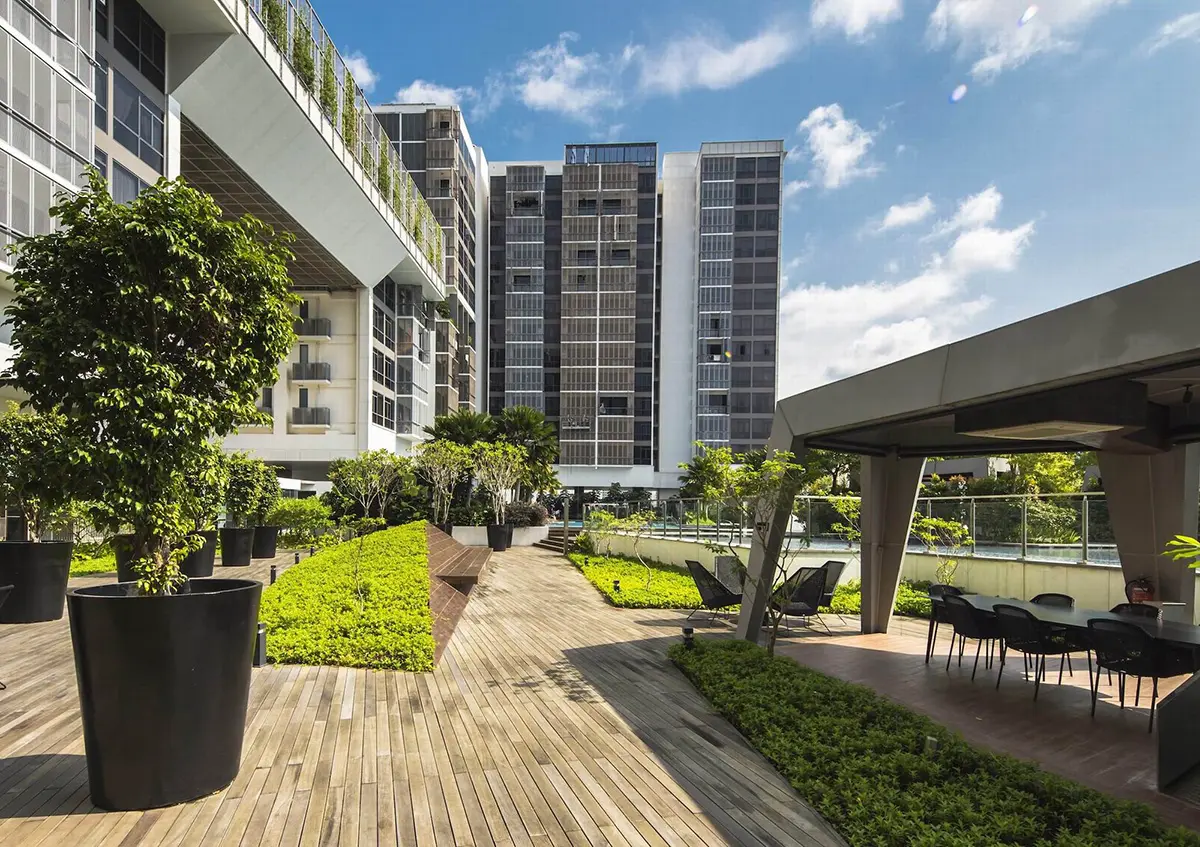
Our deep engineering bench allows us to design custom bespoke configurations for highly irregular floorplates and challenging structural layouts.
Our engineering support team offers comprehensive pre-sales consults and detailed technical proposals within 12 hours of contact.
Strong relationships with Tier-1 raw material suppliers and lean production lines allow us to yield superior wholesale cost efficiency.
Standardized shaftless and home lift systems are fabricated and packed for transit within 3 weeks. Urgent projects can be fast-tracked to 2 weeks.
Ningbo Bluetech works in close alignment with major global vertical transportation players. Our industrial partnerships extend to renowned multinational lift enterprises, including Mitsubishi Middle East and ThyssenKrupp Africa. These continuous relationships encompass supply chains for new installations, structural modernization initiatives, and high-safety maintenance components.
Whether you represent an architecture agency in Singapore, a luxury estate development company in Saudi Arabia, or a mechanical installation contractor in Germany, we streamline the supply chain process to deliver components that interface directly with local build parameters and electrical code regulations.
Including: Singapore, Thailand, Saudi Arabia, United Arab Emirates, Germany, Egypt, Ethiopia, Nigeria, and more.
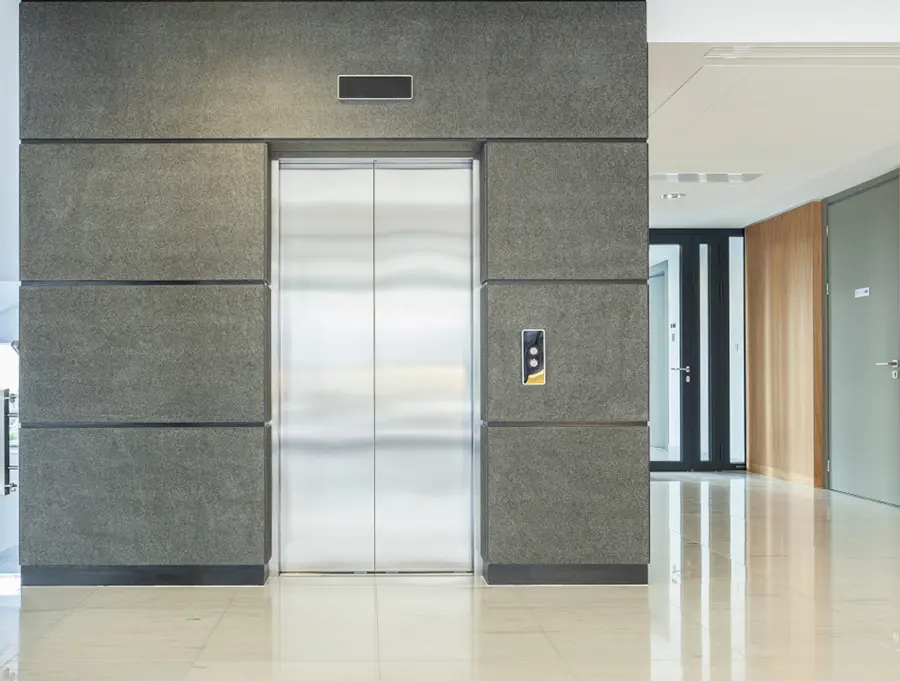
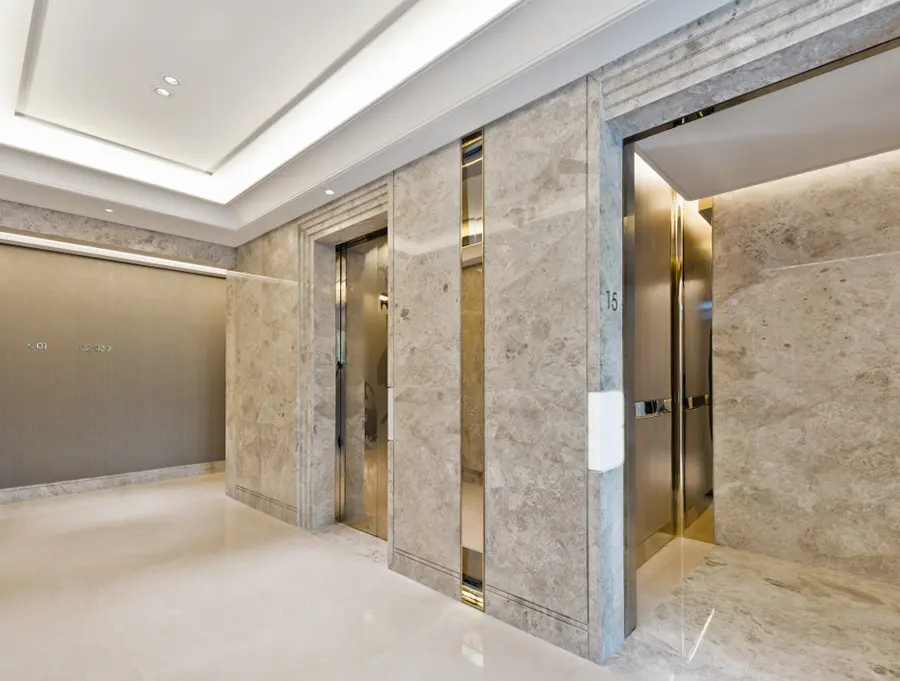
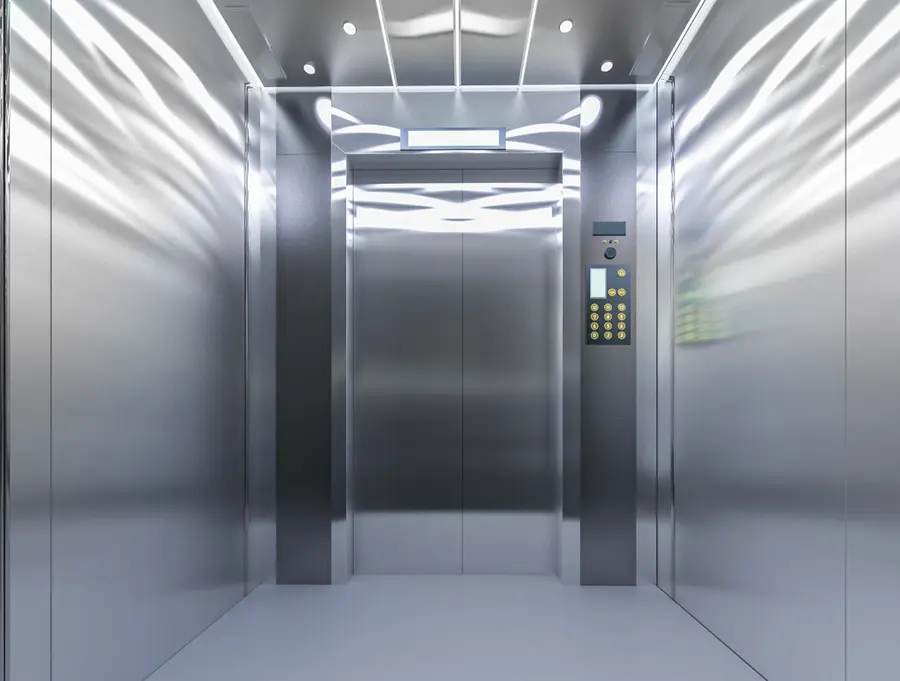
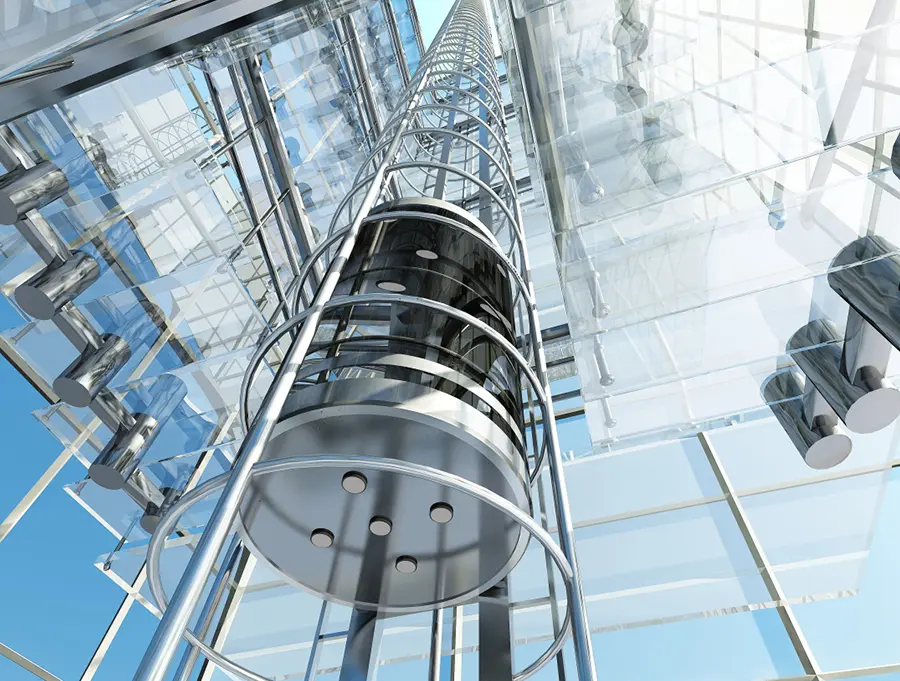
We collaborate closely with building contractors to ensure successful project execution. Below are select visual highlights from our international project files, including retrofitting projects like the ACE Hotel.
Essential engineering and commercial answers to help you navigate direct-to-factory elevator importing.
 Bluetech