In the era of hyper-urbanization and megacity development, the efficiency of transit hubs, multi-level logistics terminals, and massive retail facilities relies directly on heavy-duty vertical transit mechanisms. Escalators and moving walks ("movings") form the circulatory system of our built environment. As cities expand vertically and underground, engineering a seamless, high-volume flow of pedestrians is no longer merely a architectural convenience—it is a core safety and logistical imperative.
From transit airports processing ninety million passengers a year to transit subways handling dense commuter crowds during rush hours, the choice of escalator and moving walk systems determines operational reliability. B2B procurement managers and municipal planners require systems engineered for maximum uptime, extreme structural resilience, and low lifecycle operating costs. High-efficiency escalator movings must be built to withstand heavy mechanical loads, varying environmental climates, and continuous duty cycles, keeping urban flow efficient and safe.
"Modern escalator movings represent a complex harmony of mechanical precision, safety redundancies, and energy recovery mechanisms. Sourcing these units requires an in-depth understanding of engineering standards and localized performance conditions."
Globally, the demand for high-reliability escalator and moving walkways is driven by public infrastructure upgrades and the expansion of high-speed rail lines and regional airports. As urban zones emphasize low-carbon developments, energy-efficient escalators incorporating variable-speed drives (VFD) and regenerative motor technologies have become standard. In this shifting industry landscape, working directly with established manufacturers who understand these technical standards ensures compliance and reduces project risk.
Established in 2006 by a group of industry specialists, NINGBO BLUETECH has dedicated nearly 20 years to the research, development, and manufacture of high-quality elevators, escalators, and moving walks. Under strict adherence to the latest EN-81 and EN-115 standards, our custom solutions are engineered for safety, durability, and operational value.
We serve both domestic markets and global markets, exporting to over 30 countries and regions including Singapore, Thailand, Saudi Arabia, the UAE, Germany, Egypt, Ethiopia, and Nigeria. Through our engineering expertise, we design and manufacture complex passenger transit systems tailored to unique projects, providing continuous technical support from design to installation.
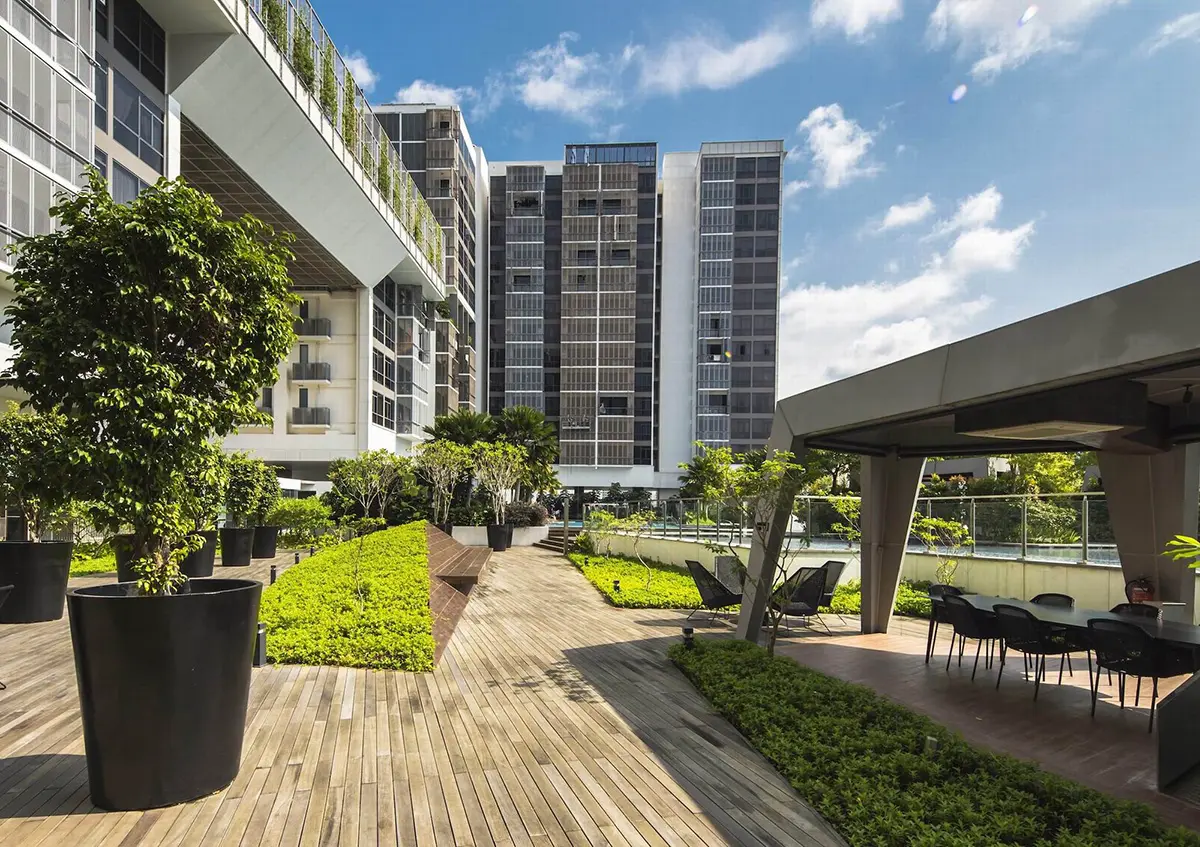
Purchasing vertical mobility equipment requires evaluating lead times, engineering flexibility, and structural quality. China’s manufacturing sector offers clear advantages through complete supply chain integration, advanced production robotics, and specialized engineering clusters. The Ningbo industrial zone provides immediate access to high-grade structural steel, precision gearboxes, and state-of-the-art microcomputer control systems, allowing us to build custom escalators with shorter lead times than Western competitors.
At Ningbo Bluetech, we leverage this localized ecosystem to streamline our manufacturing processes. From structural truss welding using robotic cells to automated run-in testing, our production line optimizes material flows and quality control. This allows us to shorten standard lead times to just 3 weeks, and 2 weeks in critical cases—significantly faster than the industry average. We deliver high-reliability systems without compromising on durability or compliance.
Selecting the right escalator or moving walk requires analyzing key mechanical and electrical specifications. The table below outlines the standard parameters for commercial and public transport escalators designed and supplied by Ningbo Bluetech:
| Engineering Parameters | Commercial Specification (Retail/Malls) | Public Transit Specification (Subways/Airports) |
|---|---|---|
| Angle of Inclination | 30° or 35° | 27.3°, 30° |
| Step Width Options | 600 mm / 800 mm / 1000 mm | 800 mm / 1000 mm |
| Nominal Speed | 0.5 m/s | 0.5 m/s / 0.65 m/s / 0.75 m/s |
| Truss Construction | Standard Welded Channel Steel | Heavy-Duty H-Beam / Tube Steel |
| Balustrade Options | Tempered Glass (10mm) / Stainless Steel | High-strength Stainless Steel (SUS304) |
| Drive Control System | VVVF Smart Sensor Control | Heavy Duty VVVF / Dual-drive redundancy |
| Operating Durability | 12 - 16 hours daily | 20 - 24 hours daily (Heavy transit duty) |
In addition to structural strength, our escalators use variable voltage variable frequency (VVVF) smart drive systems. These systems detect passenger flow and slow the escalator during periods of inactivity, saving up to 40% in energy costs and reducing wear on mechanical gears. Integrated emergency rescue systems and automatic lubrication units keep the equipment running smoothly with minimal manual intervention.
Different installation environments present unique challenges. Ningbo Bluetech customizes vertical transport systems to handle varying environmental conditions, aesthetic requirements, and safety regulations.
Focuses on aesthetic design, glass balustrades with LED lighting, and compact footprints to maximize retail space while providing smooth, quiet passenger transit.
Heavy-duty structures designed for high passenger volumes, outdoor weathering protection, dynamic brake monitors, and high-capacity step systems.
Moving walkways optimized for shopping carts and strollers, using specialized step grooves and magnetic brake systems for stability on inclines.
Focuses on heavy-load durability, using reinforced steel steps and structural paint coatings to protect against dirt, water, and industrial wear.
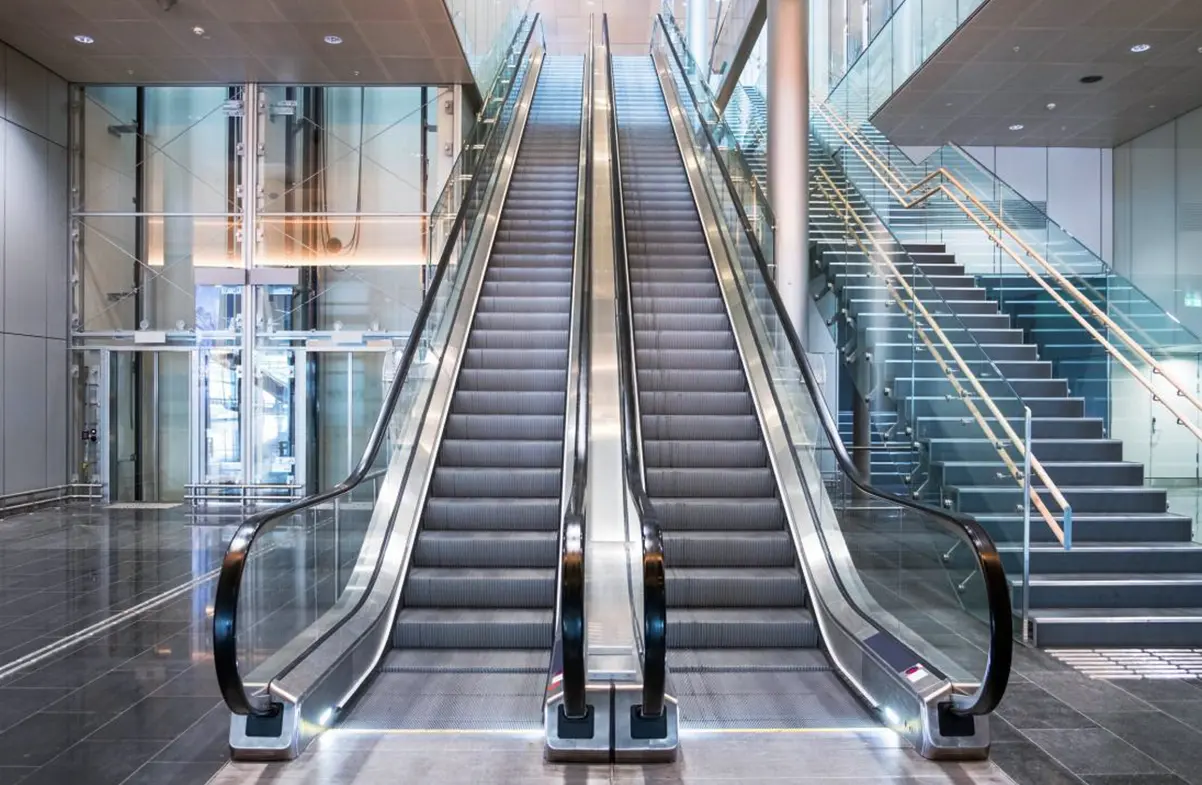
Our long-standing partnerships with leading international elevator companies, such as Mitsubishi Middle East and ThyssenKrupp Africa, demonstrate our focus on quality, safety, and operational reliability. We cooperate closely with these partners on new installations, system modernizations, and maintenance projects globally.
When you choose Ningbo Bluetech, you work with an experienced team of engineering professionals dedicated to delivering reliable, safety-compliant products. We focus on continuous design innovation and long-term sustainability to help you control total cost of ownership (TCO) and ensure passenger safety.
Our engineering team collaborates with clients across multiple regional offices to deliver customized mobility solutions. We work carefully to match architectural designs, technical specifications, and safety guidelines for every installation.
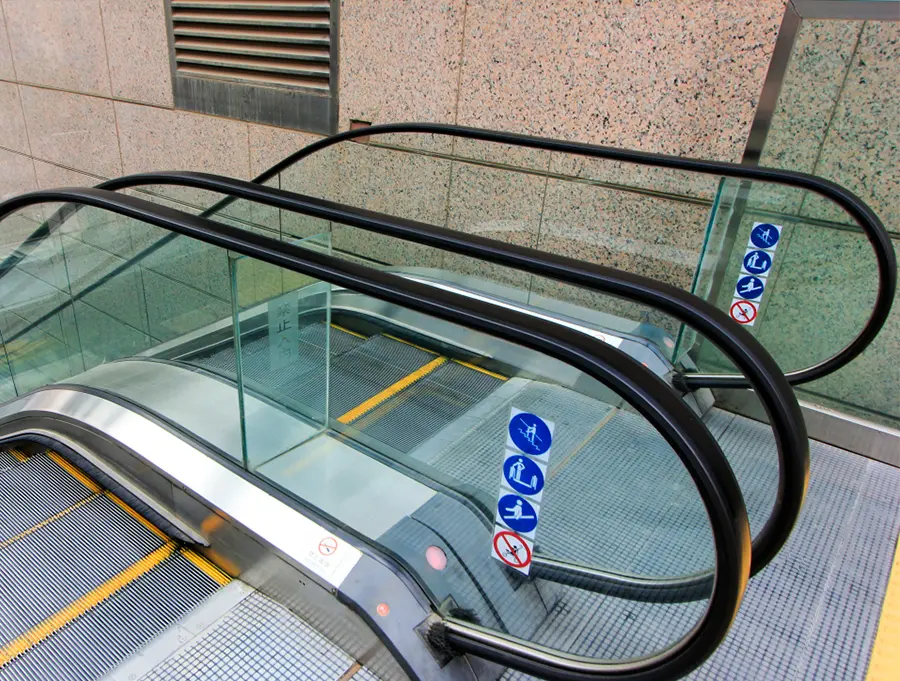
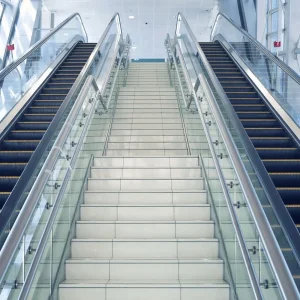
Custom commercial escalators designed for a modern aesthetic, featuring energy-saving VVVF drives and sleek glass balustrades.
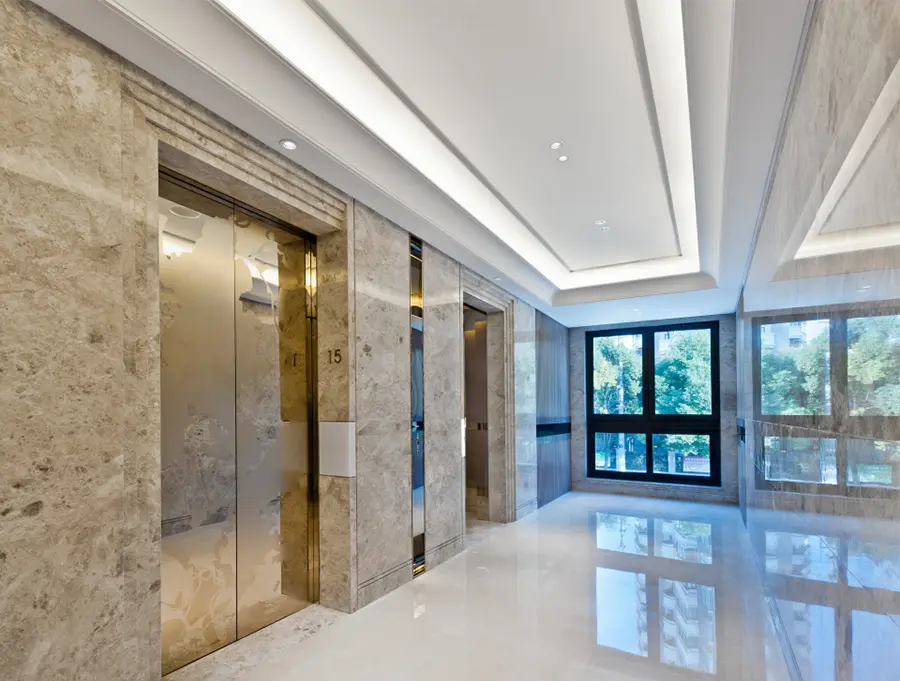
Incline moving walks installed to handle high-capacity passenger luggage and cart flows, with anti-slip step systems.
Heavy-duty escalators designed for continuous outdoor operation, complete with water-resistant electrical components and automatic lubing.
Key technical answers to guide procurement managers, architects, and engineering consultants during project planning.
Our escalators feature comprehensive safety redundancies, including broken-drive chain safety devices, skirt safety switches, comb plate safety switches, emergency stop buttons at both landing zones, handrail speed monitors, auxiliary brakes, and step sag indicators. These safety systems comply fully with the EN-115 safety code.
Variable Voltage Variable Frequency (VVVF) control allows the escalator to run at a lower standby speed (around 0.1 to 0.2 m/s) when no passengers are detected. When a passenger approaches, built-in light barriers or floor sensors ramp the speed up to 0.5 m/s. This system reduces idle energy consumption by up to 40%, lowers mechanical wear on gears, and extends the overall operating lifespan of the system.
Yes. Outdoor installations require specific configurations, including hot-dip galvanized structural trusses, stainless steel step chains with rust-resistant coatings, IP55-rated motors and control systems, built-in water drainage systems with oil-water separators, and integrated truss heaters to prevent ice formation in colder climates.
Our standard manufacturing cycle is 3 weeks from drawing approval to final factory testing. In urgent project scenarios, we can expedite production to 2 weeks. Sea freight transit times vary depending on the destination port, typically ranging from 15 to 35 days.
We provide detailed mechanical/electrical installation manuals, wiring diagrams, and layout blueprints for every unit. We can also coordinate with local installation partners or dispatch field engineers to assist with site commissions. Additionally, we stock a complete inventory of spare parts to support maintenance routines.
Explore our complete vertical mobility catalog. Contact our engineering team for customized drawings, specifications, and project-specific pricing.
 Bluetech