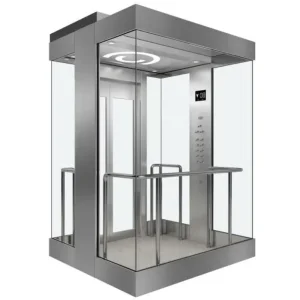
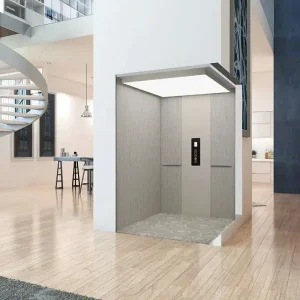
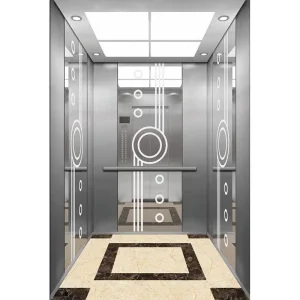
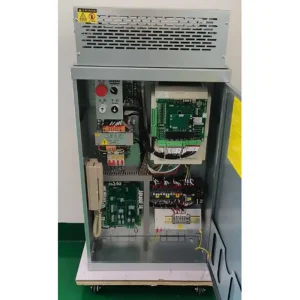
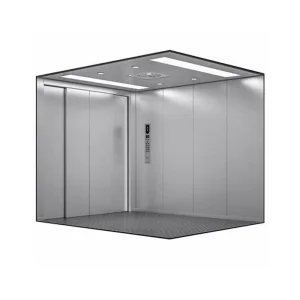
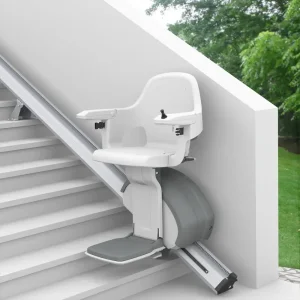
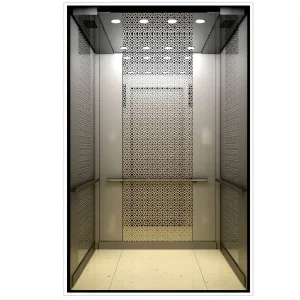
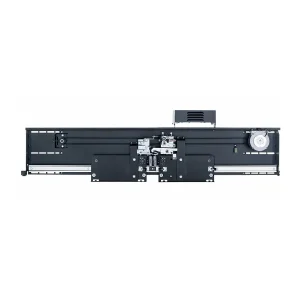
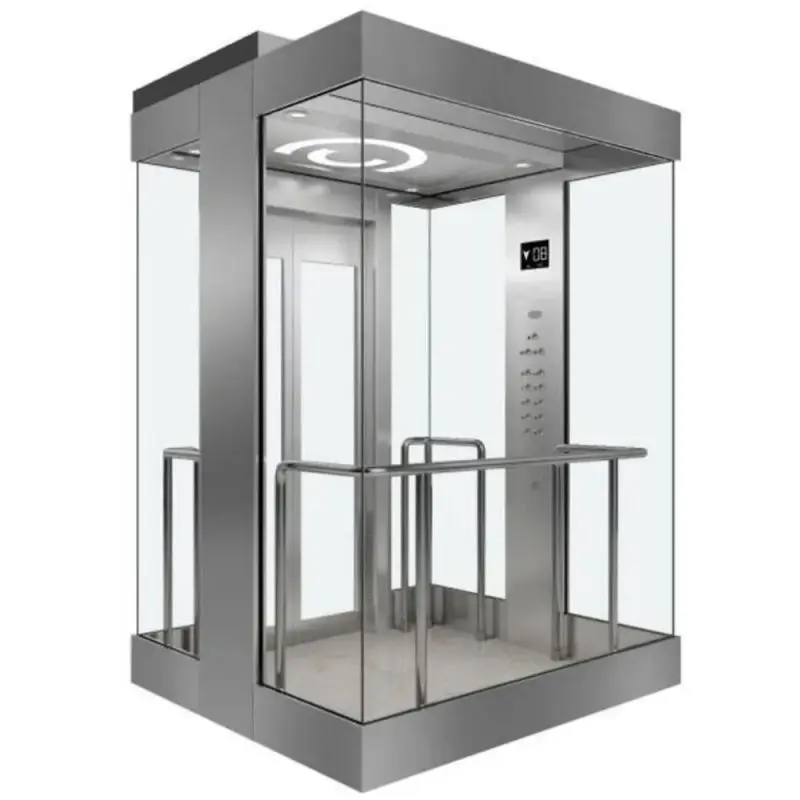
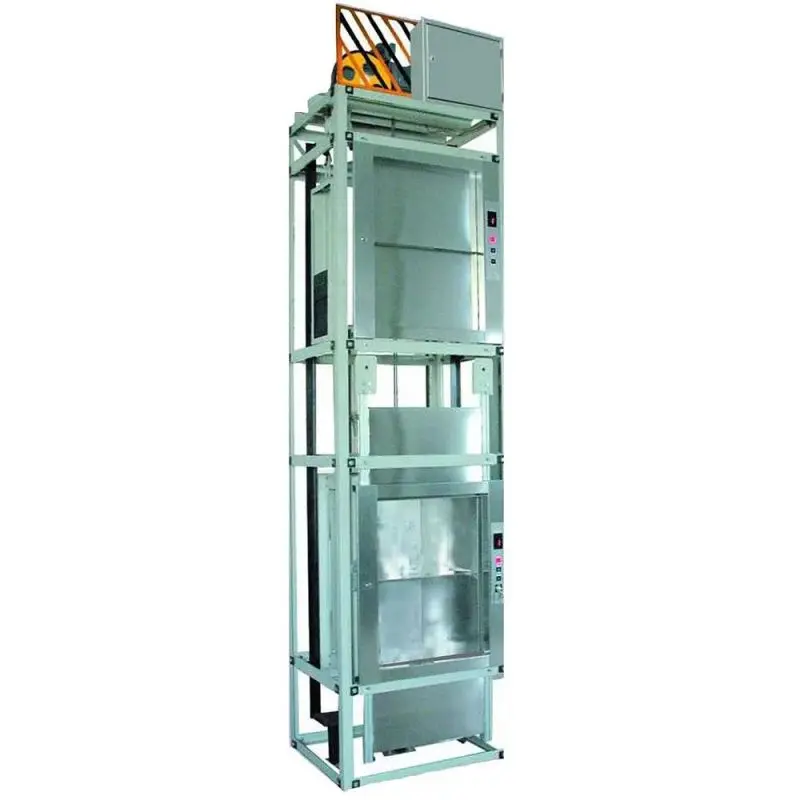
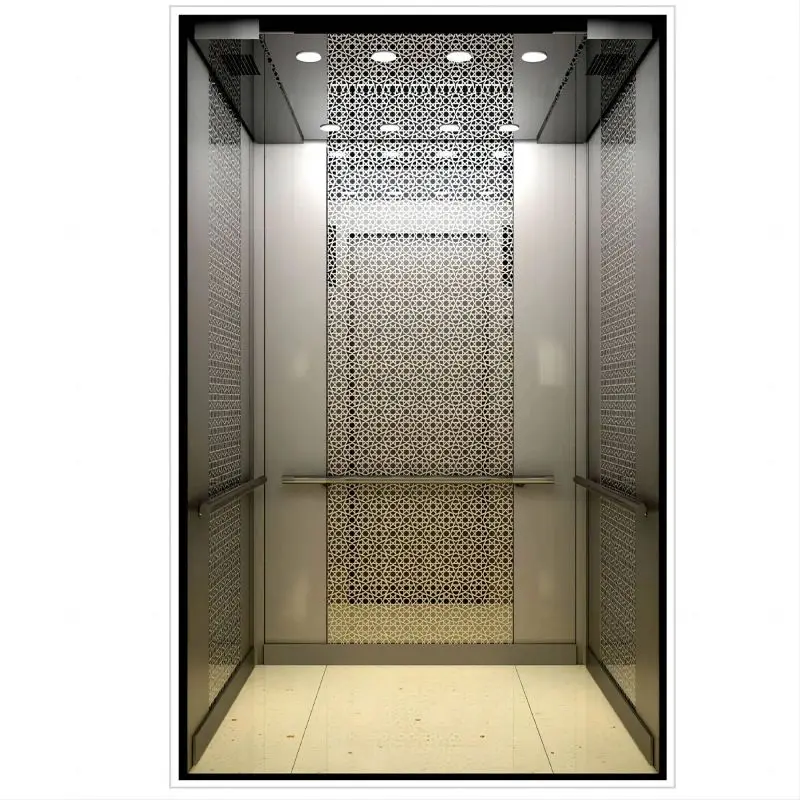
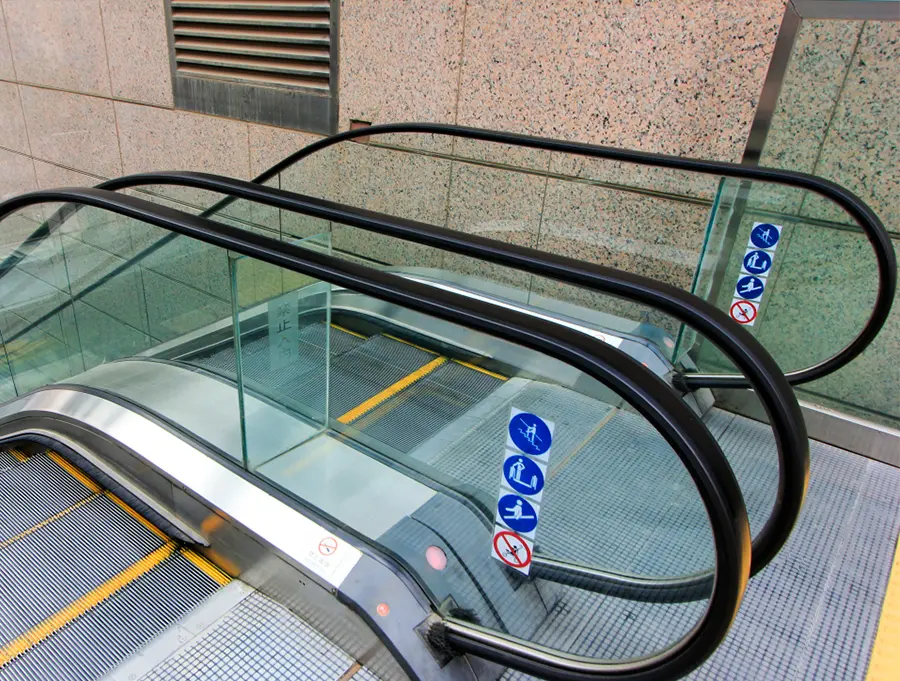
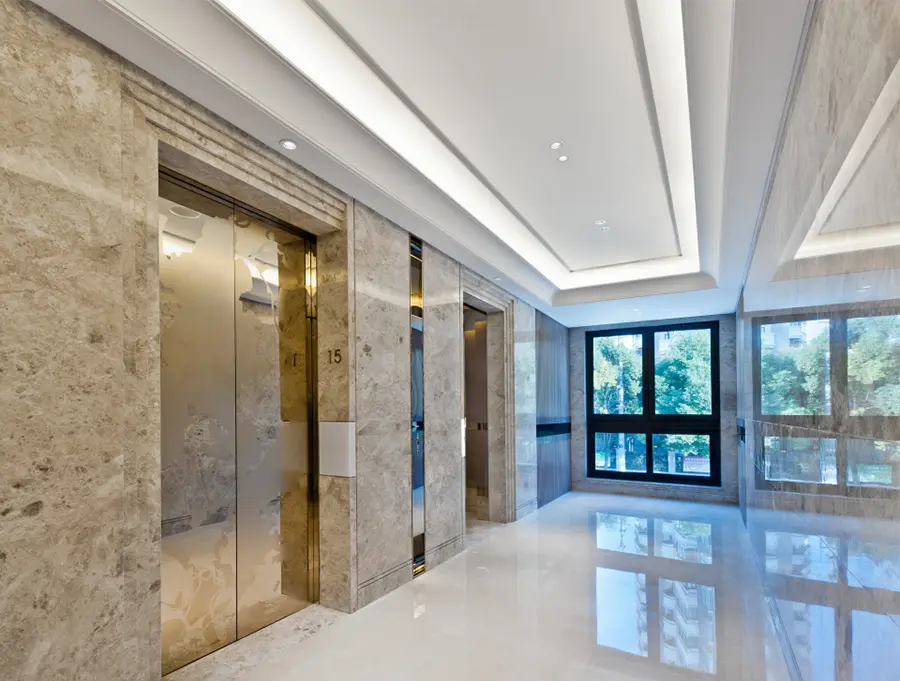
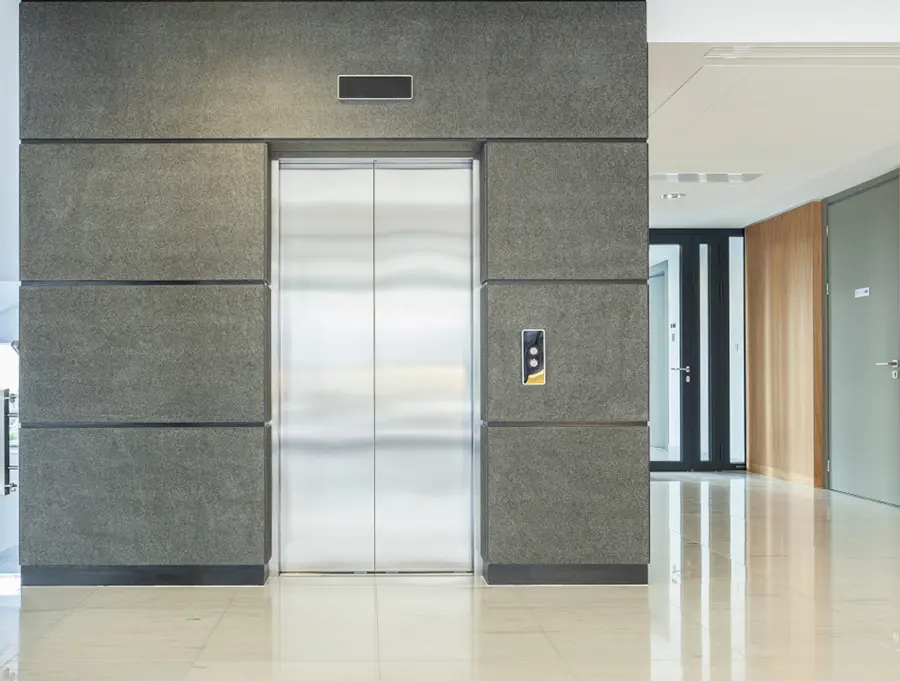
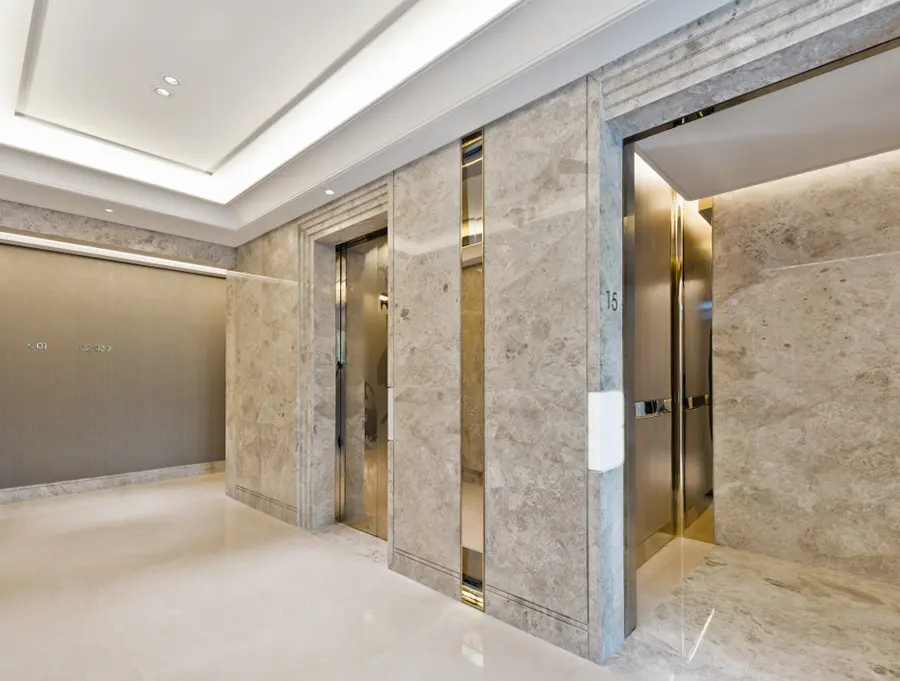
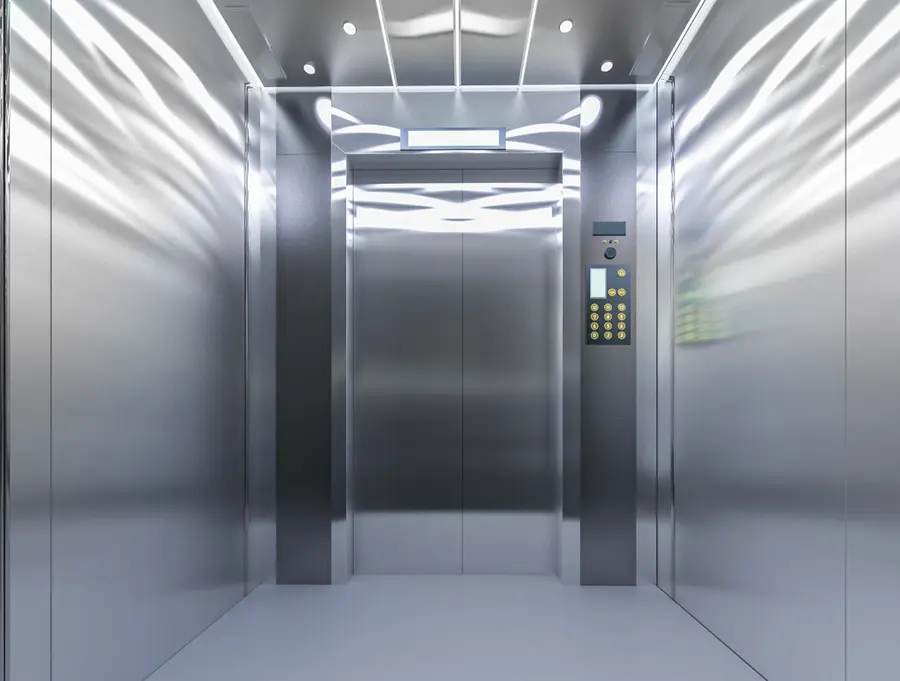
Explore our advanced range of high-end home elevator systems designed for structural optimization, minimal spatial requirements, and ultimate luxury.
Overcoming the limitations of traditional architectural design with high-precision engineering from China.
In contemporary civil design and home remodeling projects, spatial efficiency is no longer just a luxury—it is an absolute design priority. Standard passenger elevators have historically required deep concrete pits (often ranging from 1,000mm to 1,500mm depth) to safely house structural buffers, guide rails, and bottom-mounted mechanical safety gear. However, for many modern custom villas, penthouses, historical renovations, and high-water-table regions, excavating such a deep pit is structurally unfeasible or financially prohibitive.
This is where Low Pit Home Elevators step in. Engineered with modern structural configurations, these systems reduce the required pit depth to as little as 100mm to 300mm. Some variants, commonly known as pitless designs, can be mounted directly onto the finished floor slab with only a small threshold ramp. The elimination of heavy excavation protects post-tensioned structural slabs, avoids penetration into high-altitude foundation footings, and drastically lowers waterproofing risks in coastal zones.
Deep-dive analysis of drive types, spatial parameters, and modern mechanical compromises.
When engineering low pit home lifts, choosing the correct drive technology is paramount to satisfying both user expectations (smooth acceleration, acoustic comfort) and spatial limits. Below is a comparative breakdown of the three primary technologies utilized in the low-pit domain:
| Drive Technology | Min. Pit Depth | Standard Overhead | Max Speed (m/s) | Key Advantages | Ideal Application |
|---|---|---|---|---|---|
| PMSM Gearless Traction | 150mm - 300mm | 2600mm - 2800mm | 0.4 m/s | Extremely quiet, high energy efficiency, long lifespan. | Premium custom villas, new constructions. |
| Hydraulic Drive (Side-Acting) | 100mm - 200mm | 2500mm | 0.3 m/s | Exceptional lifting capacity, mechanical simplicity, low pit force. | Renovations, multi-floor retrofits. |
| Screw & Nut Drive | 0mm - 50mm | 2200mm (or open) | 0.15 m/s | Zero pit required, self-contained shaft, no machine room. | Tight interior hallways, historical buildings. |
To operate safely within reduced physical space at the travel terminal, low pit elevators employ unique mechanisms:
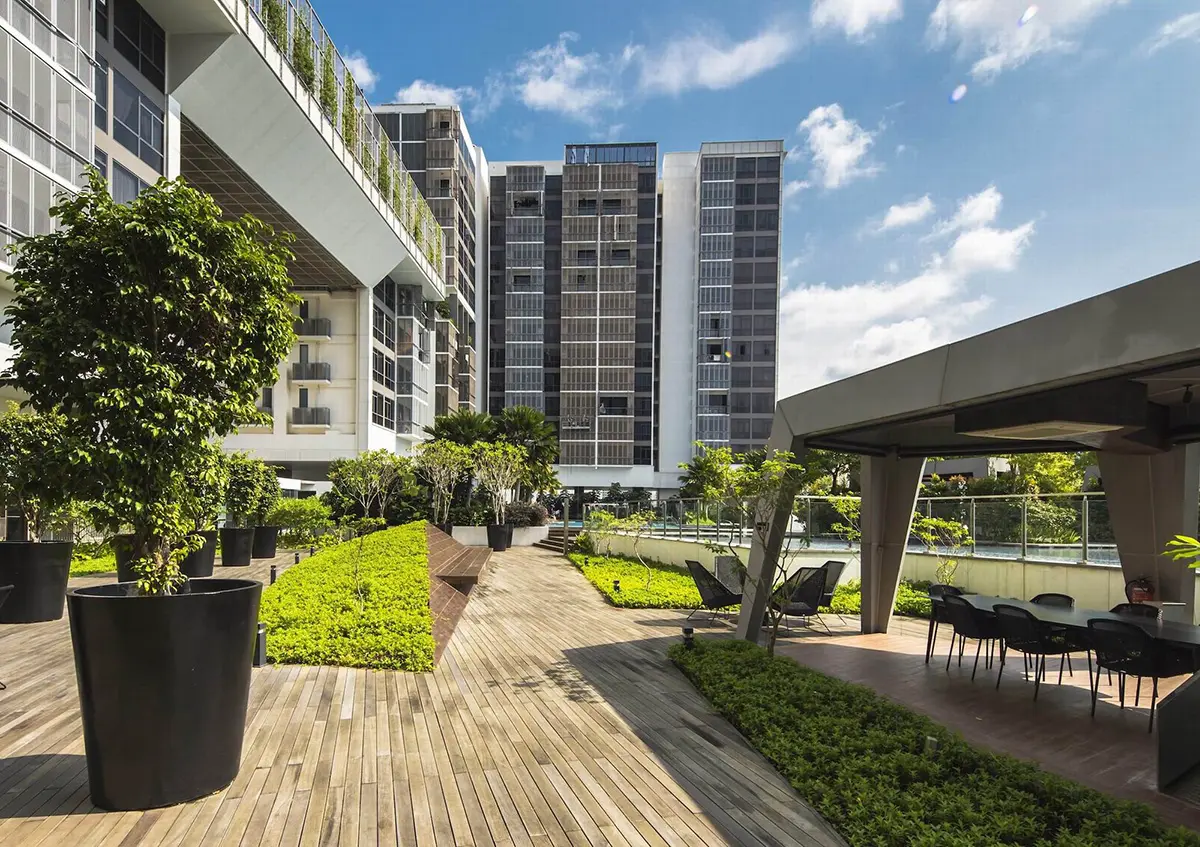
Established in 2006 by a group of senior lift technology specialists, NINGBO BLUETECH has spent nearly two decades refining vertical transportation solutions. Our engineering core encompasses home elevators, luxury passenger lifts, high-capacity cargo lifts, and reliable residential escalators. All of our engineering pathways are strictly designed and manufactured in line with the latest European EN-81 and EN-81-21 safety criteria.
We work hand-in-hand with major global partners. Our deep collaborative history includes prestigious collaborations with international companies such as Mitsubishi Middle East and ThyssenKrupp Africa, serving both new-build installations, complex modernizations, and critical spare parts maintenance projects.
Unlocking supply chain advantages, lean manufacturing, and fast delivery timelines.
As a leading China low pit home elevator manufacturer, our facility runs on integrated Industry 4.0 paradigms. Advanced production lines utilizing CNC-controlled fiber laser cutters, high-precision robotic welding arms, and automated surface treatment coatings ensure structural components possess tight tolerances (within +/- 0.1mm). This degree of manufacturing precision is critical, as low pit configurations leave very little margin for installation errors.
Our localized supply chain in Ningbo and surrounding Yangtze River Delta industrial cluster allows us to source high-grade raw steels, premium traction motors, and smart control microchips with zero transit lag. This vertical integration keeps production cycle times down to just 3 weeks, and down to 2 weeks for urgent projects, allowing builders to maintain tight scheduling.
Our long-term architectural experience allows us to customize home lifts for irregular spaces, including polygonal, round, and ultra-narrow hoistways.
We respect your operational schedules. We guarantee to provide comprehensive layouts, shaft advice, and technical quotes within a 12-hour window.
All elevator cabins and components are tested to meet CE, EN-81, and related regional building and electrical safety requirements.
Enabling space-saving accessibility options for complex global building developments.
In highly populated urban centers, real estate developers and government municipal organizations face the challenge of retrofitting multi-story structures to support aging populations. Installing standard elevators in legacy masonry or concrete buildings often compromises structural integrity. Low-pit home elevators bypass these issues by minimizing load concentration points and removing the need for deep foundation alterations.
Additionally, modern developers seek eco-efficient solutions to fulfill green building certifications like LEED or BREEAM. Our systems incorporate state-of-the-art variable frequency (VF) motor controllers and optional energy regeneration modules. Rather than wasting kinetic energy as heat, our systems feed power back into the household electrical grid during downward elevator runs, saving up to 35% of energy compared to legacy traction lift configurations.
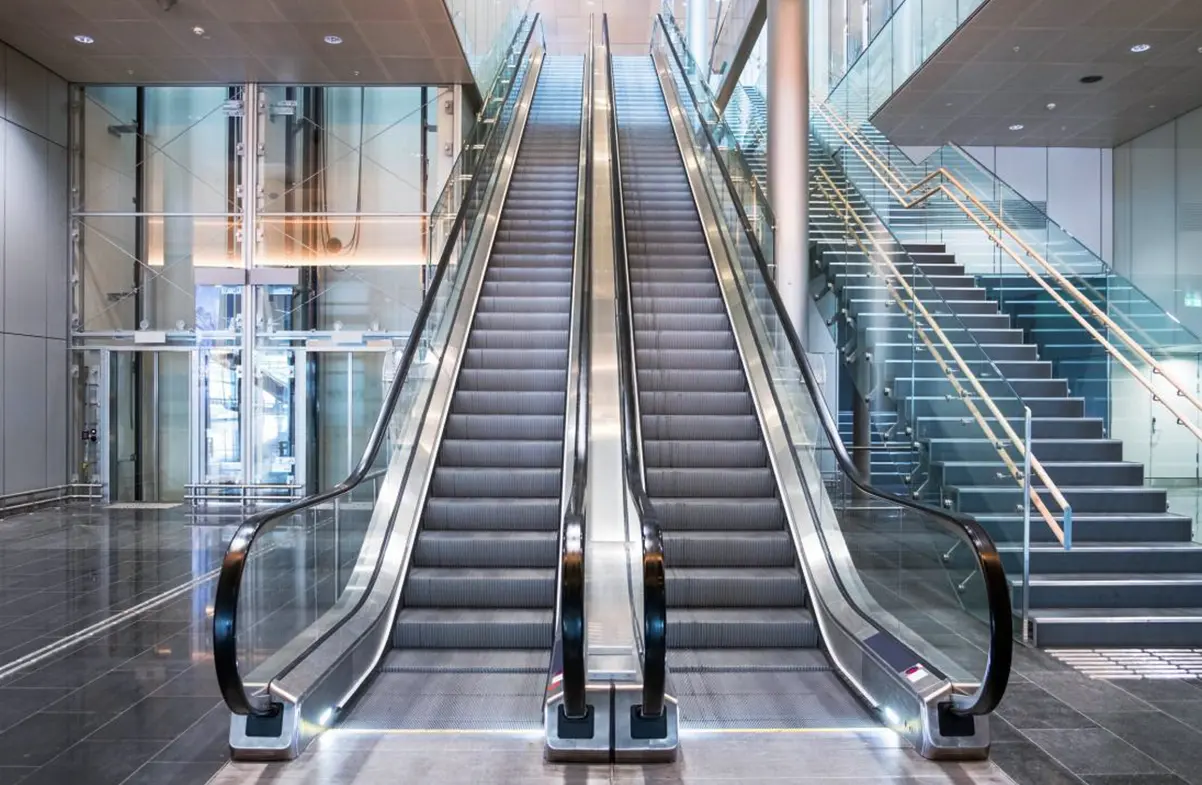
From fancy steel cars to cargo structures, our design team works directly with engineers across global offices. We pair custom design specifications, technical features, and localized architectural restrictions to build outstanding, high-functioning systems.
How we support international importers, distributors, and general contractors.
Procuring custom low-pit passenger platforms requires attention to localized parameters. A mismatch in dimensions, load capabilities, or local building certifications can lead to significant installation delays and cost overruns. Our team acts as an engineering partner, ensuring the system integrates smoothly with your project parameters from day one:
By coordinating with logistics teams out of Ningbo Port, we provide reliable sea and rail freight shipping. Our cargo loading processes utilize specialized wooden packaging crate systems to protect sensitive mechanical guide rails and electronic components from transit vibrations and ocean humidity.
Innovating next-generation home lifts through research and technological development.
The low pit home elevator market is experiencing a shift driven by smart home integration and sustainable building technology. Over the next five years, Ningbo Bluetech’s product engineering roadmap will focus on three key areas:
Detailed answers to frequently asked technical and engineering questions.
Our advanced permanent magnet synchronous traction home elevators require a minimum pit depth of just 150mm. For sites with no excavation allowance, we also offer screw-driven systems that require a pit depth of only 50mm or can be installed flush with the floor with a minor threshold ramp.
No. All our low pit systems feature alternative safety designs that comply with EN 81-21. This includes active safety switches and mechanical locking mechanisms that deploy automatically during maintenance, ensuring full technician safety without needing a deep pit.
Yes, our drive and inverter packages are fully adaptable. We can configure our systems to run on standard single-phase 220V power or three-phase 380V power, depending on local residential grid specifications.
We build our systems using high-grade structural steel and quality components from verified suppliers. With nearly 20 years of manufacturing experience, our design team ensures every elevator undergoes strict testing before export, ensuring lasting reliability.
Our standard production lead time is 3 weeks. For urgent client needs, we can fast-track manufacturing to 2 weeks, supported by our local supply chain near Ningbo Port.
Explore our advanced range of high-end home elevator systems designed for structural optimization, minimal spatial requirements, and ultimate luxury.
 Bluetech