Choosing a mini elevator for home use can be a daunting task. With so many options available, it’s easy to feel overwhelmed. A mini elevator for home significantly enhances accessibility and convenience. It allows you to move between floors with ease. However, not all elevators are created equal; selecting the right one requires careful consideration.
Understanding the specific needs of your household is critical. Factors like space, design, and weight capacity should guide your decision. Every home is unique, and your mini elevator choice should reflect that. Take time to research brands and models known for reliability and safety. Look for those with positive customer feedback and solid warranties.
While it’s tempting to focus on trendy features, practicality is key. Consider installation costs and required maintenance. A beautifully designed elevator won’t be a great investment if it breaks down often. Reflect on how many users will rely on it daily. Making an informed choice now will save frustration later.
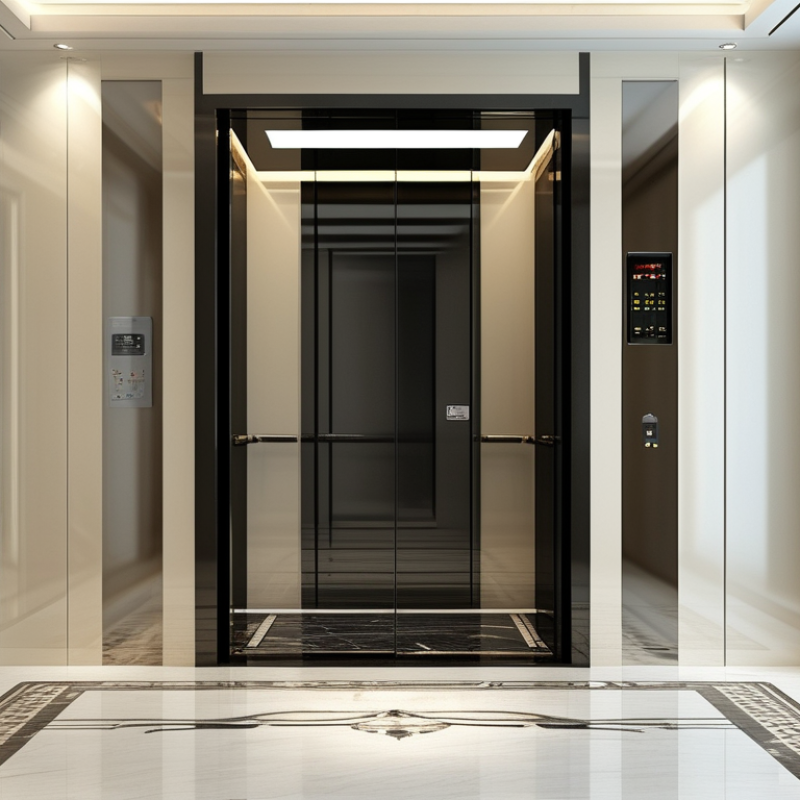
Understanding Different Types of Mini Elevators Available for Home Use
When considering a mini elevator for home use, it's essential to explore various types available. There are primarily two categories: hydraulic and screw-driven elevators. Hydraulic elevators are commonly used due to their smooth operation and ability to handle heavy loads. These systems require a pit, which can be a challenge in homes with limited space.
Screw-driven elevators, on the other hand, offer a compact design and do not need a pit. They are often easier to install in existing homes. However, they might have weight limitations. This difference is crucial when planning your installation.
Also, consider the intended use. Will it be for transporting people or goods? This decision impacts the needed capacity and features. Assess aesthetic preferences as well. The appearance of the elevator can influence home value. A poorly integrated design could disrupt the overall look of your space. Reflect on these factors carefully to find the most suitable option for your home.
Key Factors to Consider When Choosing a Mini Elevator for Your Home
When selecting a mini elevator for home use, several key factors require careful consideration. Safety remains paramount. Statistics show that nearly 28,000 elevator accidents occur annually in the U.S., primarily due to improper installation or maintenance. Investing in a mini elevator with solid safety features is crucial. Look for options that comply with regional safety standards and come equipped with emergency systems.
Another essential aspect is the available space. Mini elevators are designed to fit various home sizes. The typical footprint is around 3 to 4 square feet, but custom designs can vary. Homeowners need to measure their spaces accurately before making a choice. Moreover, the installation process can be complex and may require structural modifications. It’s advisable to consult experts to ensure proper fit and function.
Cost is a significant factor as well. According to industry reports, the average price for a mini elevator ranges from $15,000 to $30,000. This figure often excludes installation fees, which can add another $5,000 to $10,000 depending on home specifics. It’s prudent to budget accurately and consider long-term benefits versus upfront costs. Balancing these elements can be challenging but is vital for making an informed decision.
Assessing Your Home's Space and Structural Requirements for Installation
When considering a mini elevator for your home, assessing your space and structural requirements is crucial. A recent report by the National Home Builders Association indicates that over 60% of homeowners underestimate the space necessary for installation. These elevators generally require a shaft space of about 3 to 5 square feet. Ensure you measure your area accurately to avoid costly modifications.
Home structure plays a significant role as well. Not all homes are built to accommodate the weight and mechanical needs of an elevator. The International Code Council suggests that structural reinforcement may be needed, particularly in older homes. Neglecting this can lead to serious safety concerns and expensive repairs.
It's important to have realistic expectations when planning your installation. Variability in home designs can lead to unexpected challenges. Consulting a professional can provide insights into your specific situation. The installation process can reveal hidden issues, prompting necessary adjustments. Be prepared to adapt your plans as needed.
Evaluating Safety Features and Compliance Standards for Mini Elevators
When selecting a mini elevator for home use, safety features and compliance standards are paramount.
According to the National Association of Elevator Contractors (NAEC), over 3,500 accidents occur annually due to elevator malfunctions. Therefore, investing in equipment that adheres to safety guidelines is non-negotiable. Check for compliance with the American Society of Mechanical Engineers (ASME) A17.1 code. This code outlines essential safety measures for elevators, including emergency break systems and redundancy checks.
Additionally, consider the proposed weight limits and load capacity of the mini elevator. A typical mini elevator should comfortably support weights up to 750 pounds, accommodating individuals in mobility devices. Research shows that 15% of home elevator users report feeling unsafe due to insufficient safety measures. Look for features like emergency alarms and battery backup systems. These features can mitigate risks during power outages or emergencies.
It’s vital to evaluate the installation process and the qualifications of the installers. Poor installation can lead to functional issues. Engaging licensed professionals ensures adherence to safety regulations. Many homeowners overlook the importance of regular maintenance, yet neglect can reduce safety and functionality. Regular inspections can identify wear and potential hazards, ensuring your elevator remains a safe and reliable addition to your home.
Budgeting: Costs and Maintenance Considerations for Home Mini Elevators
When considering a mini elevator for your home, budgeting is crucial. Costs can vary widely based on features, size, and installation needs. A mini elevator might range from $15,000 to over $30,000. Installation costs can also add significantly to the budget. Investing in a quality mini elevator often means considering long-term reliability over initial savings.
Maintenance is another important aspect to ponder. Regular upkeep is essential to ensure safe operation and longevity. Routine check-ups can prevent costly repairs later on. Some owners find themselves unprepared for these ongoing expenses. Setting aside a monthly budget for maintenance can prove beneficial.
Additionally, consider the space required for the installation. Some homes may need renovations to accommodate an elevator. Ensuring that your choice fits both your budget and your lifestyle can be challenging. Reflecting on how often you will use the elevator can guide your decision. Balancing cost, maintenance, and practicality can lead to a more satisfying investment.
Top Tips for Choosing a Mini Elevator for Home Use
| Feature |
Cost (USD) |
Maintenance Frequency |
Lifespan (Years) |
| Hydraulic System |
$15,000 - $25,000 |
Every 6 months |
15 - 20 |
| Screw Drive System |
$12,000 - $20,000 |
Annually |
10 - 15 |
| Vacuum Elevator |
$20,000 - $35,000 |
Every 2 years |
15 - 20 |
| Cable-Driven System |
$10,000 - $18,000 |
Every 6 months |
10 - 15 |
FAQS
: There are two main types: hydraulic and screw-driven elevators.
Hydraulic elevators are smooth and can handle heavy loads but require a pit for installation.
Screw-driven elevators have a compact design and do not need a pit, making installation easier.
Homeowners often underestimate the space needed, typically around 3 to 5 square feet for installation.
Some homes may need structural reinforcement to support an elevator's weight and mechanical requirements.
Look for compliance with safety codes, emergency alarms, and battery backup systems.
Routine maintenance and inspections are essential to identify potential hazards and maintain functionality.
Unexpected challenges can arise due to variability in home designs, requiring adaptability in planning.
Poor installation can lead to functional issues, making professional installation crucial for safety.
A typical mini elevator can support weights up to 750 pounds, accommodating various users.
Conclusion
When considering a Mini Elevator for Home use, it's essential to understand the various types available, each designed to meet different needs and preferences. Key factors such as the size, capacity, and style of the elevator play a crucial role in ensuring it fits seamlessly into your living space. Additionally, assessing your home's structural requirements is vital for a successful installation.
Safety features and compliance with local regulations must also be prioritized, as they ensure the elevator's reliability and security. Finally, budgeting for a Mini Elevator For Home extends beyond the initial purchase, requiring careful consideration of installation costs and ongoing maintenance. By taking these aspects into account, homeowners can select a mini elevator that enhances their living environment while providing convenience and safety.

 Bluetech