A Safety Passenger Elevator is more than a moving cabin between floors. It is a coordinated system of mechanical, electrical, and protective controls. The car travels inside a guided shaft, supported by hoist ropes or a belt system. A motor moves the car, while a counterweight reduces the required lifting force. Sensors continuously monitor position, speed, door status, and load conditions.
Industry standards define how these systems should be designed and tested. ASME A17.1/CSA B44 covers elevator safety requirements in North America. ISO 8100-1 provides international safety principles for passenger and goods lifts. The European Lift Association also emphasizes inspection, maintenance, and competent servicing throughout an elevator’s operating life. These standards reflect an important fact: safety depends on several layers, not one device.
The protection sequence is easy to picture. The landing doors should remain locked until the car reaches the correct floor. If abnormal speed occurs, the governor can activate the safety gear and bring the car toward a controlled stop. Buffers at the shaft base provide another protective layer. Emergency lighting, alarms, communication systems, and battery lowering can assist passengers during a power interruption. The Elevator and Escalator Safety Foundation repeatedly highlights maintenance and passenger awareness as practical safety factors. Market studies from Grand View Research and Fortune Business Insights also show continued investment in modern elevator systems, especially in dense urban buildings. Yet no system is perfect. Poor maintenance can weaken reliable equipment. This guide examines how a Safety Passenger Elevator works, what each safeguard does, and where human judgment still matters.
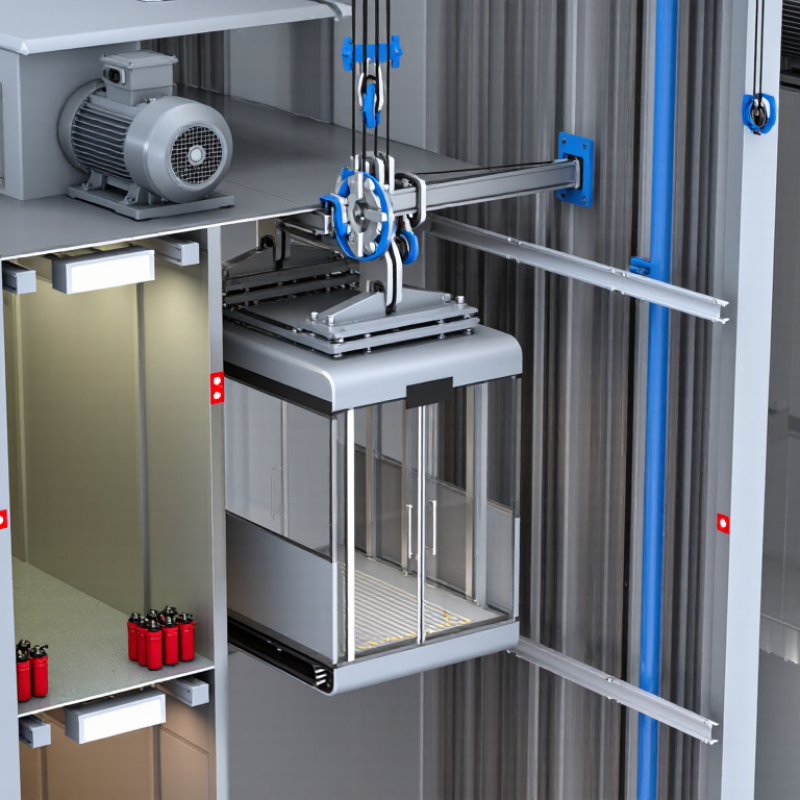
A safety passenger elevator is a vertical transport system designed to move people between floors under controlled conditions. It combines an elevator car, hoisting equipment, guide rails, landing doors, and several independent safety devices. Its purpose is not simply speed. It must control movement, stopping, access, and unexpected events. In daily use, passengers notice the smooth ride, but hidden mechanisms do most of the work.
When a passenger selects a floor, the control system checks door position, car location, and operating conditions. The motor then moves the car along the guide rails. Door interlocks prevent movement while a door remains open. A speed governor detects excessive downward speed and can activate the safety gear. Brakes hold the car when it reaches a floor. Buffers at the shaft base provide additional protection during an extreme event. Emergency lighting, alarms, and two-way communication support passengers if the elevator stops.
Small details matter. Uneven leveling can create a trip hazard, especially for older passengers or wheelchair users. Regular inspections test braking, door protection, alarm functions, and emergency procedures. Qualified technicians also examine cables, sensors, and control responses. No safety system is flawless. Human error, missed maintenance, or unclear instructions can still reduce protection. That is why reliable elevator operation depends on layered engineering and disciplined servicing, not one device alone.
A safety passenger elevator combines controlled movement, monitored doors, and emergency protection. OSHA reports that elevators and escalators carry about 325 million passengers daily in the United States. That scale makes reliable safety engineering essential, not optional.
The traction machine moves the car through steel ropes and counterweights. A brake holds the car when power stops. An overspeed governor detects unsafe movement and activates the safety gear. Buffers below the shaft absorb energy if the car travels too far downward. Door interlocks prevent movement while landing doors remain open. Load sensors can warn about overcapacity, although sensors need regular calibration. Emergency lighting, alarms, communication systems, and automatic rescue devices support passengers during power failures. These features follow technical requirements in ASME A17.1/CSA B44 and EN 81-20 standards. Maintenance teams inspect brakes, ropes, guides, door edges, and control systems. Small defects matter.
Tips: Watch the doors before entering. Keep bags away from the threshold. Do not force open doors. If the car stops, use the alarm and communication device, then wait for trained assistance.
Real-world reliability depends on maintenance quality, not only on equipment design. A modern elevator can still become unsafe when inspections are rushed or records are incomplete. The U.S. Bureau of Labor Statistics continues to track elevator-related workplace incidents, showing why technicians need documented procedures and proper training. Safety is layered, but it is not perfect. A careful passenger and a disciplined maintenance program remain important.
Key components and the primary safety functions they perform
The chart groups commonly used passenger-elevator safety devices by their primary protective functions. Door interlocks prevent operation with an unsafe landing-door condition, while the overspeed governor and safety gear protect against uncontrolled descent. Buffers, final-limit switches, emergency communication, and monitored braking provide additional layers of protection. The values represent a count of primary functions, not a performance ranking.
A safety passenger elevator moves people between floors while controlling speed, doors, and cabin position. When a passenger presses a landing button, the control system receives the request. It checks the elevator’s location, direction, and current load. The cabin then travels through a protected shaft. Most modern systems use electric traction, cables, a motor, and counterweight. The counterweight reduces the motor’s effort.
Inside the cabin, sensors confirm that doors are fully closed. Door locks prevent movement when an opening remains. The motor accelerates gently, then maintains a controlled speed. Near the selected floor, sensors guide the cabin into a precise leveling position. The controller slows the motor before stopping. Brakes hold the cabin securely. If unusual speed occurs, a governor can activate safety equipment and stop the car against the guide rails. Emergency lighting, alarms, and backup communication support passengers during faults. These systems work together, but no machine deserves careless trust.
Tips: Keep hands and bags away from closing doors. Do not exceed the posted capacity. Stand clear when the doors open. If the elevator stops, press the alarm button and follow the operator’s instructions. Never force the doors. Regular inspection matters because worn rollers, sensors, or brakes may cause rough movement. Maintenance technicians test these parts under controlled conditions. A small delay may feel inconvenient, yet it often reflects a careful safety check.
A safety passenger elevator is designed to protect people when normal travel fails. Its emergency system uses door interlocks, a machine brake, an overspeed governor, and safety gear. Buffers absorb energy below the car. Standards such as ASME A17.1/CSA B44 and EN 81-20 define these protective requirements. They do not make every incident impossible.
Rescue begins with communication. An emergency alarm, two-way voice connection, and cabin lighting help passengers remain visible and calm. Automatic rescue devices may move the car to the nearest landing during a power failure. The doors should not be forced open. A trapped passenger should use the communication system and wait for trained responders. A U.S. Consumer Product Safety Commission staff report estimated about 10,200 elevator-related injuries and 27 deaths annually among the public from 1992 to 2009. The figures are old, but they still show why rescue procedures matter.
During a real response, technicians confirm the car’s position, isolate hazards, and open landing doors under controlled conditions. Firefighters or building personnel may assist, depending on local procedures. The safest rescue is usually slow and deliberate. Yet human judgment can fail under pressure. I once underestimated how frightening a dark cabin can feel. Better lighting helps, but clear instructions matter more. Regular inspections, tested alarms, and realistic evacuation drills reduce that uncertainty. Rescue plans should also consider children, older passengers, and people with disabilities.
A safety passenger elevator carries people through controlled vertical travel, but safe operation depends on disciplined maintenance. The European Lift Association’s ELA Statistics 2023 reports more than six million lifts in service across Europe. Each unit needs documented inspections, even when daily operation appears normal. Technicians check ropes, sheaves, brakes, door interlocks, buffers, alarms, emergency lighting, and floor leveling. Small door delays can reveal larger mechanical problems.
Testing must follow the applicable local code and inspection schedule. ASME A17.1/CSA B44 and EN 81-20/50 define widely used safety requirements for design, installation, testing, and examination. Qualified personnel may perform overspeed governor tests, safety-gear tests, brake checks, load tests, and emergency-device verification. Test results should include measured values, dates, defects, and corrective actions. A signed checklist is useful, but it is not proof of perfect safety. Human judgment still matters.
Tips: Keep a visible maintenance log near the control equipment. Record unusual noises, uneven stops, door reopening, or delayed alarms immediately. Never treat repeated faults as harmless. Confirm that inspectors are properly qualified under local rules. Review evacuation and emergency procedures with building staff. In real maintenance work, missed details happen; independent inspections can expose what routine visits overlook.
| Safety Dimension | How It Works | Typical Safety Function | Maintenance Focus | Testing or Inspection Method |
|---|---|---|---|---|
| Passenger elevator definition | A powered vertical-transport system designed to move people between designated floor levels inside a guided car. | Combines controlled motion, landing access protection, emergency communication, and multiple protective devices. | Keep the car, shaft, doors, controls, and safety devices in serviceable condition. | Routine maintenance and periodic inspections carried out by qualified personnel under the applicable local code. |
| Door interlocks and door sensors | Electrical interlocks confirm that landing and car doors are closed and locked before the elevator is permitted to run. | Prevents car movement with an open landing entrance or an unlocked door. | Inspect locks, contacts, rollers, guides, gibs, door operator components, and reopening devices. | Check door-lock engagement, electrical continuity, reopening response, closing force, and obstruction detection according to the governing code. |
| Overspeed governor | A speed-monitoring device detects excessive downward or, where required, upward car speed and initiates the safety circuit. | Triggers the car safety gear when the governor reaches its specified tripping condition. | Check rope condition, sheave movement, seals, mounting, electrical contacts, and freedom from contamination. | Verify operation and tripping performance using the procedure and limits required by the applicable elevator standard. |
| Car safety gear | When actuated by the governor, the safety gear grips or wedges against the guide rails to decelerate and hold the car. | Provides protection against uncontrolled downward movement caused by certain suspension or drive-system failures. | Inspect linkage, springs, wedges or jaws, guide-rail condition, clearances, and signs of prior activation. | Conduct a controlled safety-gear test and restore, inspect, or replace affected components as required after activation. |
| Suspension and traction system | Ropes, belts, sheaves, or other approved suspension means transmit force between the car, counterweight, and drive machine. | Supports controlled travel and balanced operation while limiting wear and irregular motion. | Inspect for corrosion, broken wires, wear, uneven tension, tracking problems, lubrication issues, and abnormal noise. | Measure or assess wear, tension, diameter or belt condition, traction, alignment, and stopping performance according to code requirements. |
| Braking system | A mechanical brake normally holds the machine when power is removed and releases only under controlled electrical conditions. | Stops and holds the car at the floor and helps prevent unintended movement. | Check brake lining, springs, armature movement, air gaps, coil condition, adjustment, and contamination. | Test stopping distance, leveling, brake holding, and unintended car movement protection where required. |
| Buffers | Energy-absorbing devices are installed at the bottom of the hoistway below the car and counterweight travel paths. | Limit impact energy if the car or counterweight travels beyond its normal terminal zone. | Inspect mounting, alignment, corrosion, damage, oil level where applicable, and unobstructed clearance. | Perform visual and functional checks; test requirements vary by buffer type and the governing standard. |
| Terminal stopping and limit devices | Position sensors and limit switches reduce speed and remove power if the car approaches or passes a terminal landing. | Provides an additional layer of protection against overtravel at the top or bottom of the hoistway. | Inspect switches, vanes, magnets, sensors, wiring, mounting, and stopping accuracy. | Simulate terminal conditions under controlled procedures and verify correct shutdown and reset behavior. |
| Emergency communication | An emergency alarm and two-way communication system allow trapped passengers to request assistance. | Provides a communication path when normal elevator operation is unavailable. | Check alarm audibility, communication quality, backup power, signage, and accessibility of controls. | Test initiation, connection, speech quality, alarm operation, and backup power in accordance with local requirements. |
| Emergency lighting and backup power | Battery-supported lighting and, where required, standby power maintain essential functions during a supply interruption. | Helps passengers see controls and supports emergency communication or controlled evacuation procedures. | Inspect batteries, charging equipment, lamps, wiring, test indicators, and accessible emergency controls. | Conduct a simulated power-loss test and verify required duration and functionality under the applicable code. |
| Leveling and stopping accuracy | The controller uses position feedback to bring the car smoothly and accurately to the landing floor. | Reduces trip hazards and supports safe boarding for passengers with mobility limitations. | Inspect sensors, drive settings, brake response, guide components, and floor-to-car alignment. | Measure stopping, leveling, acceleration, deceleration, and ride quality during inspection runs. |
| Routine maintenance | Scheduled preventive work identifies wear, contamination, misalignment, electrical faults, and abnormal operating conditions before failure. | Maintains reliability and preserves the intended performance of safety-related components. | Use a documented maintenance plan covering doors, machine, controller, shaft, car, pit, safety devices, and emergency systems. | Frequency is determined by equipment condition, usage, manufacturer instructions, risk, and local regulations; there is no single universal interval. |
| Periodic inspection and testing | An authorized inspector or competent authority evaluates safety devices, operating performance, records, and code compliance at prescribed intervals. | Confirms that the elevator remains fit for service and that required corrective actions are completed. | Maintain inspection certificates, test reports, defect records, repair history, and rescue procedures. | Intervals and test scope depend on the jurisdiction; common frameworks include ASME A17.1/CSA B44, EN 81-20/EN 81-50, and ISO 8100 series requirements. |
| Applicable safety standards | Standards specify design, construction, installation, examination, testing, and maintenance principles for lifts and their safety components. | Creates consistent minimum requirements for passenger protection and equipment performance. | Use the edition legally adopted for the installation location rather than relying on a generic international reference. | Compliance is demonstrated through design documentation, commissioning tests, periodic examinations, records, and corrective actions. |
Note: Inspection intervals, acceptance limits, emergency procedures, and required tests vary by jurisdiction, elevator type, installation date, usage, and the code legally adopted at the site.
A traction machine moves the car using steel ropes and counterweights. A brake holds it when power stops. Movement is monitored.
Door interlocks stop travel when landing doors remain open. Keep bags and fingers away from the threshold. Do not force doors.
An overspeed governor detects unsafe movement and activates safety gear. Buffers below the shaft absorb energy. Protection is layered.
Stay inside the car. Use the alarm and two-way communication system. Emergency lighting should improve visibility. Wait for trained assistance.
It may move the car to the nearest landing during some power failures. It cannot solve every fault. Conditions matter.
No. Do not force them open. Technicians must confirm the car’s position and control the release.
Technicians inspect brakes, ropes, guides, door edges, and controls. Small defects matter. Rushed inspections can miss serious problems.
Watch the doors and check the floor is level. Keep loose bags away from the entrance. Enter carefully.
Test alarms, communication systems, lighting, and rescue procedures regularly. Plans should include children, older people, and disabled passengers. Practice helps, but it is not perfect.
No. Equipment can fail, and human judgment can weaken under pressure. Clear instructions and disciplined maintenance remain necessary. Safety is never automatic.
A Safety Passenger Elevator is a vertical transportation system designed to move people between floors smoothly while protecting them during normal operation and unexpected situations. Its main components include the car, hoist system, guide rails, doors, control panel, sensors, brakes, and emergency communication devices. Multiple safety features help prevent accidents, including door interlocks, overload detection, speed monitoring, automatic leveling, and backup braking systems.
The elevator operates by receiving a floor request, checking that the doors are secure, and moving the car through a controlled lifting and braking process. Sensors continuously monitor speed, position, door status, and system conditions. If a fault or power interruption occurs, emergency protection systems can stop the car safely, provide lighting and communication, and support passenger rescue by trained personnel. Regular inspections, preventive maintenance, load testing, and functional checks are essential for reliable performance. Following established safety standards and keeping accurate service records further helps ensure that the elevator remains dependable throughout its working life.

Bluetech