What Is a Panoramic Elevator and How Does It Work?

Time:2026-09-27 Author:Sienna
0%

A Panoramic Elevator turns an ordinary vertical journey into a moving architectural experience. Its transparent walls expose the lobby, façade, skyline, or interior atrium. Yet its purpose extends beyond visual appeal. It must transport people smoothly, safely, and reliably between different floors.

Dr. Lee Gray, an elevator historian and professor, describes an elevator as “a machine that moves people vertically.” That simple idea explains the foundation of every Panoramic Elevator. An electric motor moves the car through a guided shaft. Ropes, traction sheaves, counterweights, brakes, sensors, and control systems coordinate each trip. The glass enclosure changes the passenger experience, not the need for precise engineering.

The view can be unforgettable. So can glare.

Designers must consider sunlight, reflections, heat, privacy, vibration, and nighttime visibility. Laminated or tempered glass can improve protection, while ventilation and climate control support passenger comfort. Sensors monitor door zones, speed, leveling, and obstructions. Emergency communication systems remain essential, even when the elevator looks open and elegant.

This article will examine how a Panoramic Elevator works, where its main components operate, and why its design requires careful planning. It will also compare visual benefits with practical limitations. A transparent cabin may reveal a beautiful cityscape, but it can expose dust, fingerprints, and mechanical imperfections. That is worth remembering. Good design is not simply about creating a dramatic view. It balances structure, accessibility, maintenance, energy use, and human comfort. Real projects may differ, and local safety requirements should always guide final decisions.
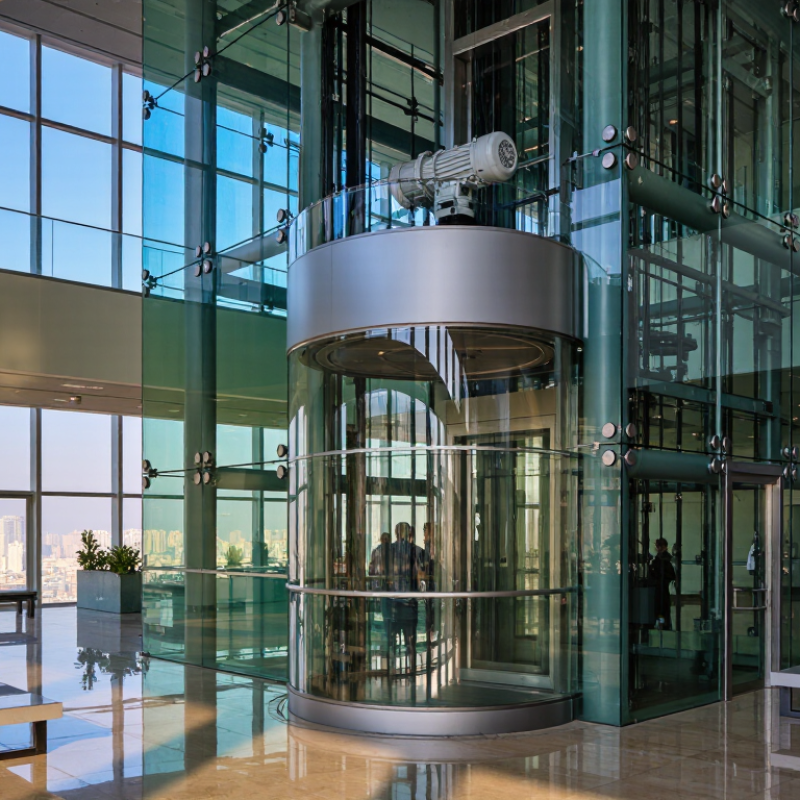
What Is a Panoramic Elevator and How Does It Work?

Definition and Key Features of a Panoramic Elevator

A panoramic elevator is a lift designed with transparent or partly transparent walls, allowing passengers to view the surrounding space during travel. Its cabin may use glass panels, wide windows, or curved surfaces. The exact design depends on the building’s structure, traffic needs, and local safety requirements.

The elevator works through a standard lifting system hidden within the shaft. In many buildings, an electric traction motor moves the cabin with cables and counterweights. Other installations use hydraulic equipment to push the cabin between floors. Transparent materials provide visibility, but they must also resist impact, vibration, pressure changes, and repeated movement. This balance is not always simple.

Key features include automatic doors, emergency communication, overload sensors, and controlled braking systems. A level sensor helps the cabin stop accurately beside each floor.

Interior lighting reduces reflections on the glass, although glare can still affect passengers at night. Some cabins also include ventilation and temperature control. From a practical design perspective, cleaning access deserves more attention than it often receives. Dust, fingerprints, and water marks become highly visible on transparent surfaces. Privacy can also be limited, especially in busy public areas. A well-designed panoramic elevator therefore combines visual openness with reliable mechanical protection, clear visibility, and comfortable movement.

Main Components and Their Functions

What Is a Panoramic Elevator and How Does It Work?

Main Components and Their Functions

A panoramic elevator uses transparent or curved glass walls to create wider views during travel. Its cabin usually includes a steel frame, glass panels, flooring, lighting, and ventilation equipment. Laminated safety glass helps resist impact and limits dangerous shattering. The cabin frame carries passengers and transfers weight to the suspension system.

The traction machine moves the cabin through steel ropes, pulleys, and a counterweight. The counterweight reduces motor effort and helps maintain smoother movement. Guide rails keep the cabin aligned inside the shaft. A controller coordinates acceleration, stopping, door operation, and floor selection. Door sensors check for obstacles before movement begins. Small details matter here.

Safety devices include mechanical brakes, overspeed protection, buffers, and emergency communication equipment. Position sensors report the cabin’s location to the controller. Backup power may lower the cabin safely during an electrical failure, depending on the system design. Technicians must inspect ropes, rail alignment, glass seals, brakes, and door clearances regularly. Site conditions can complicate installation, especially with sunlight, wind, heat, or limited shaft space. A common design mistake is treating the glass as decoration rather than a structural and maintenance concern. Clear views are attractive, but fingerprints and condensation quickly expose weak cleaning plans. Reliable performance depends on careful engineering, accurate installation, and consistent inspection under applicable safety requirements.

What Is a Panoramic Elevator and How Does It Work? — Main Components and Their Functions
Component Main Function How It Works Key Design or Safety Consideration
Viewing panels and enclosure Provide visibility while separating the elevator car or hoistway from surrounding spaces. Transparent or partially transparent panels are incorporated into the car, the hoistway, or both, depending on the design. Panels and supporting frames must be suitable for the loads and conditions specified for the installation. The enclosure must also meet applicable building and elevator codes.
Elevator car Carries passengers between floors. The car travels vertically along guide rails and is moved by a traction system or a hydraulic system, depending on the elevator type. Its structure, capacity, lighting, ventilation, and finishes are designed for the intended use and rated load.
Guide rails and guide shoes Keep the car—and, in traction elevators, the counterweight—aligned during travel. Rails are fixed vertically in the hoistway. Guide shoes or rollers attached to the moving assemblies run along them. Correct alignment and secure fixing help provide smooth travel and support the operation of safety equipment.
Traction machine and drive Supply the force that moves a traction elevator. An electric motor turns a traction sheave. The sheave moves the suspension ropes or belts connected to the car and counterweight. The machine, drive, and braking system must be selected and installed for the elevator’s rated load, speed, and travel.
Suspension ropes or belts Support and move the car and counterweight in a traction elevator. They pass over the traction sheave and connect the moving assemblies in a configuration determined by the elevator design. They require appropriate inspection and maintenance; their type and arrangement must comply with the applicable elevator code.
Counterweight Balance much of the car’s weight in a traction elevator. Connected to the car by the suspension system, it moves in the opposite direction and reduces the effort required from the drive. It travels within its own guided path and must be appropriately guarded and maintained.
Landing and car doors Control access to the car and help prevent entry into the hoistway when the car is absent. Interlocks and controls coordinate door operation with the car’s position and movement. Doors normally remain closed while the elevator is traveling. Door interlocks are an important safety feature. Door operation and clearances must meet applicable requirements.
Controller and position sensors Coordinate calls, car movement, leveling, and door operation. The controller receives input from landing and car buttons and position-related devices, then directs the drive and other elevator systems. Control logic includes operating limits and safety-related functions. The specific arrangement varies by elevator design.
Overspeed governor and car safety gear Help stop the car if it exceeds a defined speed or another specified condition occurs. The governor monitors car movement. In applicable systems, it can activate the safety gear, which grips the guide rails to stop the car. These devices must be compatible, tested, and maintained as required by the governing elevator code.
Buffers Provide a final protective measure at the bottom of the hoistway for the car or counterweight. Positioned in the pit, buffers absorb or dissipate energy if a moving assembly travels beyond its normal lowest position. Buffer type, placement, and required clearances depend on the elevator’s design and applicable code.

How a Panoramic Elevator Works Step by Step

A panoramic elevator follows the same basic travel sequence as a standard lift, but its transparent walls make movement visible. The controller records a floor request and verifies that the doors are closed and locked. The drive then moves the car along fixed guide rails. Depending on the building, it may use traction machinery or a hydraulic drive. Position sensors track the car as it rises or descends. At the selected floor, the controller slows the car, aligns it with the landing, and releases the doors.

Inside, passengers can see the building exterior through engineered glazing, while structural framing supports the enclosure. The controller monitors door interlocks and position signals during travel. If a signal falls outside expected limits, the elevator may stop rather than continue; the precise response depends on its design. In daylight, the view can feel calm. For some riders, though, the first trip feels oddly exposed.

Tips: Keep clear of closing doors and watch the floor indicator. If the car stops, use its alarm or intercom. Do not force the doors.

Cabin Design, Visibility, and Passenger Experience

A panoramic elevator turns the shaft into part of the ride. Clear laminated glazing, slim cabin frames, and carefully placed handrails preserve the view without making passengers feel exposed. A low handrail can double as a visual reference when the landscape moves past. Yet full-height glass is not automatically comfortable. Reflections from bright ceiling lights can obscure the view, while direct sun may create glare and heat. A clear view can reassure. It can also unsettle. Designers should test sightlines from seated and standing positions, and check what passengers see when the car stops between floors.

Cabin finishes shape the experience as much as the view. Matte surfaces reduce reflections; contrasting controls remain easier to find against glass and metal. Lighting should illuminate faces and buttons without turning the cabin into a mirror at night. The IEA’s 2023 Global Status Report for Buildings and Construction attributes about 30% of global final energy use to buildings. That figure is not elevator-specific, but it supports treating lighting and heat gain as real design considerations. In practice, a smaller glazed area may deliver a calmer ride than an all-glass cabin. The trade-off is easy to miss. A short mock-up ride can reveal glare, visual discomfort, and awkward handrail placement before those details become part of daily travel.

How Cabin Glazing Affects the View

The chart compares the vertical angle occupied by the glazed area for seated and standing passengers. These are geometric calculations, not passenger-study results: the example assumes a glazing top at 2.10 m, an eye-to-glass distance of 0.80 m, and the eye heights shown. Sill heights are illustrative design scenarios, not industry standards.

Safety Systems, Applications, and Maintenance

A panoramic elevator uses glass panels, a compact traction system, and controlled vertical movement. Its safety design matters more than its view. The European Lift Association’s 2023 industry data estimates over six million lifts operate in Europe, with many exceeding 20 years of service. Aging equipment needs careful assessment.

Multiple systems protect passengers. Door interlocks prevent movement when doors remain open. Overspeed governors trigger mechanical brakes during abnormal descent. Buffers absorb energy near the shaft base. Load sensors detect excessive weight, while emergency communication supports trapped passengers. Standards such as EN 81-20 and ASME A17.1 define structural, electrical, and testing requirements. However, compliance on paper is not enough. Installation quality still matters. A loose handrail or damaged glass panel can create real risk. Panoramic lifts suit hotels, shopping centers, museums, and transit buildings, where visibility improves orientation and architectural value. Their exposed surfaces also reveal dust, condensation, and scratches quickly.

Tips: Inspect door edges, glass seals, lighting, alarms, and ride smoothness during every scheduled visit. Keep maintenance records specific. Note unusual vibration, delayed leveling, or repeated door reopening. The U.S. Bureau of Labor Statistics continues to identify elevator installation and maintenance as specialized, higher-risk work, so qualified technicians should handle repairs. Cleaning staff should never bypass safety circuits. That shortcut can become dangerous. A practical weakness remains: owners sometimes prioritize appearance over hidden mechanical wear. Periodic testing, documented fault analysis, and honest replacement planning are more reliable than visual inspection alone.

FAQS

What is a panoramic elevator?

It is a lift with transparent or partly transparent walls. Passengers can see the surrounding space while traveling.

How does it move between floors?

Many use a traction motor, steel ropes, pulleys, and a counterweight. Some use hydraulic equipment instead.

What materials are used in its cabin?

Cabins may combine a steel frame, laminated safety glass, flooring, lighting, and ventilation equipment. The design varies by building.

How does the elevator stop accurately?

Position sensors report the cabin’s location to a controller. A level sensor helps it stop beside each floor.

What safety features may it include?

Common features include controlled brakes, overspeed protection, buffers, door sensors, and emergency communication equipment. Details depend on the system.

What happens during a power failure?

Some systems use backup power to lower the cabin safely. This feature depends on the installation.

Does the glass require special upkeep?

Yes. Fingerprints, dust, and water marks show clearly on transparent panels. Cleaning access needs planning.

Can passengers experience glare or reduced privacy?

Yes. Lighting can reduce reflections, but glare may remain at night. Busy areas can also feel exposed. Something to consider.

Conclusion

A Panoramic Elevator is a passenger lift designed with transparent or broad glass walls that provide views of the surrounding space during a ride. Its main components typically include a cabin, guide rails, a drive system, doors, a control system, and safety devices. Together, these parts move and support the cabin while allowing passengers to see outside. The cabin’s layout, glass surfaces, lighting, and handrails can shape both visibility and comfort, making the ride feel more open than a conventional enclosed elevator.

During operation, passengers select a floor, the control system processes the request, and the drive system moves the cabin along its rails. Sensors and braking equipment help regulate movement and respond to unusual conditions. Panoramic elevators can be used in places such as hotels, shopping centers, offices, and public buildings, where views can enhance the visitor experience. Regular inspection, cleaning, and maintenance help preserve clear visibility, reliable operation, and passenger safety.


Sienna

Sienna

Sienna is a skilled marketing professional with a deep expertise in our company’s core products and services. With a passion for innovation and detail, she plays a pivotal role in crafting insightful blog posts that not only highlight the unique features of our offerings but also provide valuable......