What is a Low Overhead Home Elevator and How Does It Work?

Time:2026-06-19 Author:Mason
0%

In recent years, the demand for home elevators has surged. Particularly, the "Low Overhead Home Elevator" has become increasingly popular. According to a report by the National Association of Home Builders, over 50% of new homes feature some form of accessibility feature. This trend reflects a growing interest in practical, space-efficient solutions that enhance mobility within homes.

A Low Overhead Home Elevator stands out due to its minimal space requirements. These systems typically require less than 10 feet of overhead space, making them ideal for residential settings. They are designed to fit seamlessly into various home designs without extensive renovations. Additionally, a study from the International Association of Elevator Engineers estimates that these elevators can increase a home's value by up to 20%. However, potential buyers often question their long-term reliability and maintenance costs.

While these elevators are innovative, they are not without challenges. Issues such as installation complexity and technological advancements may create uncertainties for homeowners. It is vital for consumers to research thoroughly and consult with experts before investing in this technology. In a market filled with options, understanding the functionalities and limitations of a Low Overhead Home Elevator can lead to well-informed decisions that enhance home comfort and accessibility.
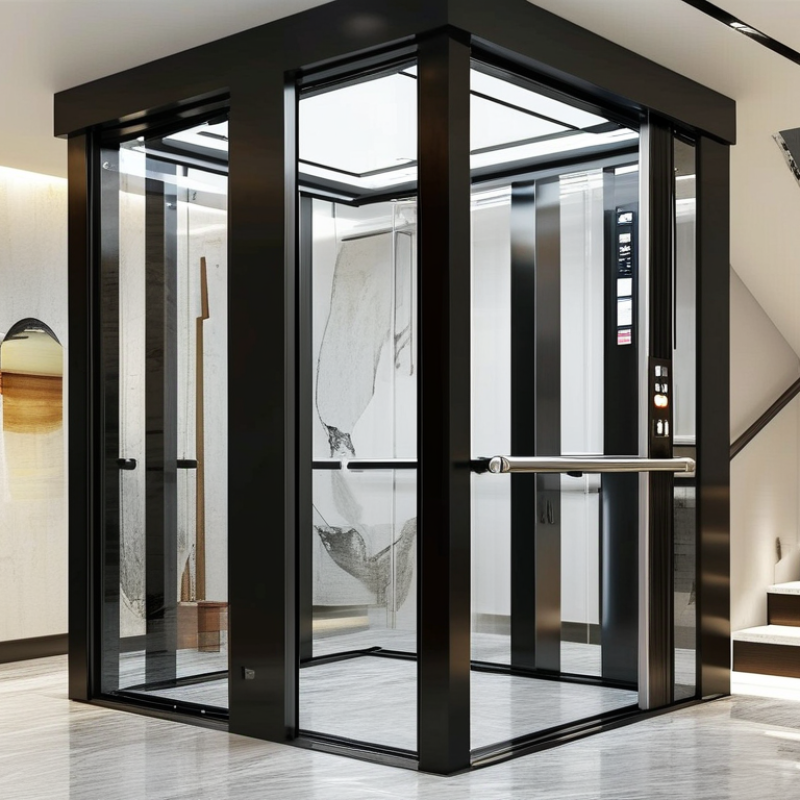
What is a Low Overhead Home Elevator and How Does It Work?

What is a Low Overhead Home Elevator?

A low overhead home elevator is designed specifically for residential use. It requires minimal overhead space for installation. This feature makes it an excellent choice for homes with limited vertical clearance. According to industry studies, these elevators typically need only about 8 to 10 feet of overhead space compared to traditional models requiring up to 14 feet.

Low overhead elevators operate using a variety of mechanisms, including hydraulic or pneumatic systems. They move smoothly between floors, providing accessibility to all family members. One unique aspect is their ability to minimize structural modifications. This can save homeowners both time and money. Reports suggest that the installation can add significant value to a home, with estimates of up to a 10% increase in property value.

Tip: Consider your home’s layout before choosing an elevator model. A professional consultation can help determine the best option for you. It's also wise to assess the long-term benefits versus initial costs. Sometimes, the most cost-effective solution may not seem obvious at first. Regular maintenance is crucial. It ensures that the elevator continues to operate efficiently and safely over time.

What is a Low Overhead Home Elevator and How Does It Work?

Category Details
Description A low overhead home elevator is designed to operate with minimal vertical clearance, making it suitable for homes with limited ceiling height.
Installation Space Requires less than traditional elevators, often needing only a few feet of headroom.
Mechanism Typically employs a hydraulic or cable-driven system for smooth lifting and descending.
Weight Capacity Ranges from 400 to 1000 pounds, depending on model and specifications.
Power Source Electric powered, often with battery backup in case of power failure.
Safety Features Generally includes safety brakes, emergency stop buttons, and door sensors to prevent accidents.
Cost Installation costs typically range from $10,000 to $20,000, depending on options and customization.

Key Components of Low Overhead Home Elevators

Low overhead home elevators offer a practical solution for multi-story homes. They are designed with a unique configuration, allowing them to fit in tight spaces without the need for extensive structural changes. A report by the National Association of Home Builders (NAHB) indicated that 40% of new home buyers prefer features that enhance accessibility. This has led to increased popularity for residential elevators.

Key components of low overhead home elevators include the drive system, track, and the cab. The drive system can be either hydraulic or pneumatic. Hydraulic systems use fluid pressure to lift the cab, while pneumatic systems rely on air pressure. Both systems require less space than traditional elevators. The track guides the elevator smoothly and ensures stability during operation. Typically, these tracks are mounted on walls, saving more room.

Most importantly, safety features are crucial. Emergency brakes and communication systems are standard. According to the Elevator and Escalator Safety Foundation, 80% of elevator-related incidents are preventable with proper maintenance. Ensuring these elevators function safely requires regular inspection and adherence to industry standards. Homeowners should reflect on the requirements for maintenance, as neglect can lead to safety hazards.

How Low Overhead Home Elevators Function

Low overhead home elevators are becoming an attractive solution for multi-story homes. They allow for convenient mobility while requiring less space than traditional elevator models. These elevators use a simple hydraulic or cable system that operates quietly and efficiently. According to a 2022 industry report by Home Elevators Organization, these systems can save homeowners up to 30% in installation costs due to their compact design.

The functionality of low overhead elevators is straightforward. Sensors and controls manage the elevator's movement, ensuring safe operation. Many models have a counterweight system that optimizes energy usage. This makes them eco-friendly options. Research indicates that residential elevators with low overhead designs can reduce energy consumption by 20% compared to older models. However, buyers must evaluate installation space carefully. Insufficient overhead clearance can lead to improper installation, affecting performance.

Routine maintenance is essential for these systems. Neglecting this can result in costly repairs over time. Homeowners should stay informed about even minor issues to ensure longevity. Regular checks on cables and sensors can prevent unexpected breakdowns. While these elevators offer convenience, they require a commitment to proper care. Understanding their functionality before purchasing is crucial for optimal use.

Benefits of Installing a Low Overhead Home Elevator

Installing a low overhead home elevator has several significant benefits. These elevators are designed to fit in less space compared to traditional models. They require a minimal ceiling height, making them ideal for houses with limited vertical room. According to industry reports, homes with elevators can see an increase in value, sometimes up to 15%. This is particularly appealing in urban areas where property space is precious.

Accessibility is another key benefit. A low overhead home elevator allows individuals with mobility challenges to navigate multi-level homes. It can reduce the risk of falls, which is crucial for elderly family members. Statistics indicate that more than one in four seniors experience falls each year. Elevators can provide a safer alternative to stairs, promoting independence and enhancing quality of life.

Furthermore, these elevators can operate quietly and efficiently. Homeowners might find the installation process less disruptive than expected. However, some may feel uncertain about the initial investment. Understanding the long-term value can help in decision-making. It’s essential to weigh the potential comfort and safety benefits against any upfront costs.

Common Applications and Considerations for Home Elevators

Home elevators are becoming increasingly popular in modern residences. A low overhead home elevator is a great choice for those needing accessibility without compromising space. These elevators often require less ceiling height than traditional models. They work on innovative mechanisms that save room while ensuring safety. This feature greatly appeals to homeowners concerned about aesthetics and functionality.


Applications for home elevators vary widely. They are perfect for multi-story homes, allowing easy access between floors. Families with elderly members or individuals with mobility challenges benefit significantly. Additionally, elevating heavy items, such as groceries or laundry, becomes hassle-free. Most elevators integrate seamlessly into a home's design, providing not only utility but also enhancing property value.


However, potential buyers should carefully consider various factors. Installation may require specific structural modifications. Maintenance is essential to ensure longevity and safety. A low overhead home elevator can be a worthy investment, but improper planning can lead to frustrations. Assessing your home’s layout and future needs is crucial before making a decision.

FAQS

: What is a low overhead home elevator?

: It is designed for residential use, needing minimal overhead space for installation. Typically, it needs 8 to 10 feet.

How do these elevators operate?

They use hydraulic or pneumatic systems, moving smoothly between floors. This provides accessibility for all family members.

What are the key components of these elevators?

Key components include the drive system, track, and cab. Hydraulic and pneumatic systems lift the cab using fluid or air pressure.

What safety features do low overhead home elevators have?

They include emergency brakes and communication systems. Regular maintenance is vital to prevent safety hazards.

How can low overhead elevators add value to a home?

Reports suggest they can increase property value by up to 10%. This may make them a worthwhile investment.

What is crucial for the upkeep of these elevators?

Routine maintenance is essential. Neglecting this can lead to costly repairs and unexpected breakdowns over time.

How do I ensure proper installation?

Evaluate installation space carefully. Insufficient overhead clearance can lead to improper installation and affect elevator performance.

Do these elevators save energy?

Yes, low overhead designs can reduce energy consumption by 20% compared to older models. They are eco-friendly options.

Why is consultation recommended before purchase?

A professional can help determine the best elevator model for your home’s layout. This ensures better functionality and safety.

What should homeowners reflect on regarding maintenance?

Understanding the maintenance needs is crucial. Neglect can lead to safety hazards and impact the elevator's performance.

Conclusion

A Low Overhead Home Elevator is a specialized type of residential elevator designed to operate with minimal overhead clearance, making it ideal for homes with limited vertical space. These elevators incorporate key components such as a compact drive system and space-saving shafts, enabling installation without extensive renovations.

The functionality of Low Overhead Home Elevators allows for smooth and efficient vertical transportation within a residence, enhancing accessibility for individuals with mobility challenges. The benefits of installing such an elevator include increased property value, improved convenience, and a greater sense of independence for users. Common applications for these elevators can be found in multi-story homes, assisting those who require regular access to different levels, while considerations for installation involve assessing structural integrity and compliance with safety standards.


Mason

Mason

Mason is a seasoned marketing professional with a deep expertise in the company's offerings and a passion for driving brand awareness. With a strong background in digital marketing strategies, he has an innate ability to connect with diverse audiences and effectively communicate product benefits.......