A Glass Elevator for Home is more than just a stylish addition; it's a functional marvel. Experts in the field, like renowned architect Maria Sanchez, emphasize, "A glass elevator transforms the essence of home design." This innovation offers convenience and elegance, making it a popular choice for modern homeowners.
Glass elevators are designed to blend seamlessly into their surroundings. They create an open, airy feeling, allowing natural light to flow through the home. However, proper installation and maintenance are crucial. Poorly designed glass elevators can lead to safety issues. As beautiful as they are, they require careful consideration.
Understanding how a glass elevator works can demystify its appeal. Homeowners benefit from its space-saving architecture and accessibility. Still, prospective buyers should research and consult experts. An informed choice enhances both safety and aesthetic satisfaction, ensuring the glass elevator serves its purpose effectively.
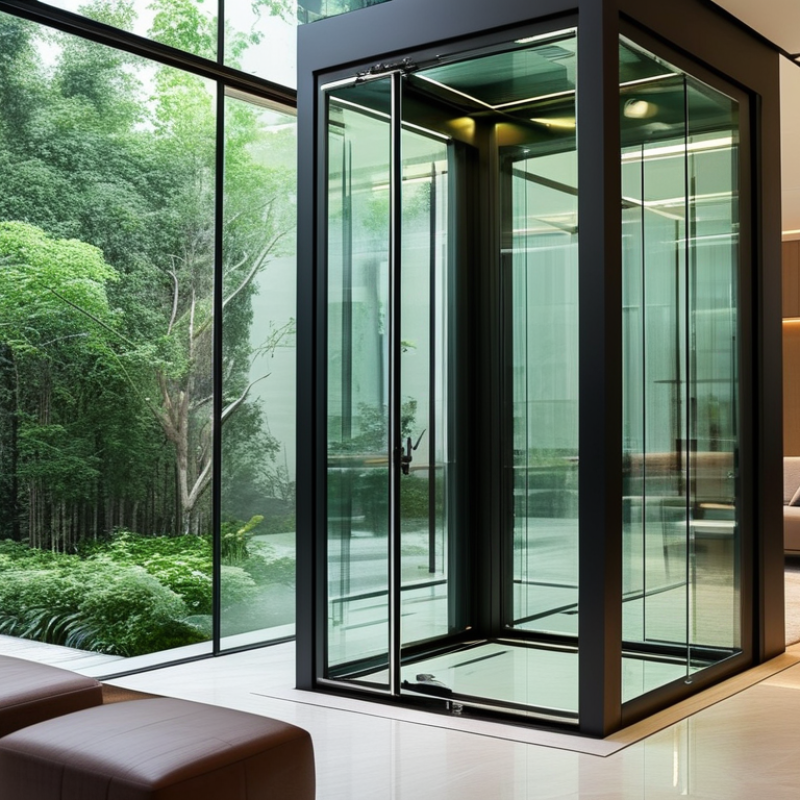
What Is a Glass Elevator for Home?
A glass elevator for home is a modern innovation in vertical transportation. Unlike traditional elevators, these designs feature transparent panels, allowing light to flow in and offering panoramic views. Many homeowners are drawn to their sleek aesthetic and futuristic appeal. According to a report by the National Association of Home Builders, the demand for residential elevators, especially glass ones, has surged, with sales increasing by over 30% in recent years.
These elevators operate using a simple yet sophisticated mechanism. They utilize a trapped-air system to lift the cabin. When the cabin descends, air is pushed down, creating a vacuum that lifts it back up. This technology not only reduces energy consumption but also enhances safety. However, it's crucial to ensure that the installation complies with local safety codes, as poor installation can lead to malfunction or accidents.
While glass elevators are visually stunning, they do present challenges. Regular maintenance is essential to keep the glass clear and the mechanism functioning smoothly. Some homeowners might find the cost of installation daunting, with average prices ranging from $20,000 to $40,000. The decision to install a glass elevator should involve careful consideration of both aesthetics and functionality, as well as budget constraints.
The Key Features of Residential Glass Elevators
Residential glass elevators offer a modern twist on vertical mobility in homes. These elevators often feature a sleek design, providing both functionality and aesthetic appeal. According to a recent industry report, the global market for residential elevators is expected to grow by 10% annually. Homeowners are increasingly drawn to glass elevators for their unobstructed views and elegance.
Key features include the compact design that fits into tight spaces without extensive structural changes. Most models use hydraulic or pneumatic systems, providing efficiency and reliability. A professional analysis indicates that these elevators consume 30% less energy than traditional models. Safety is crucial; many glass elevators come equipped with features like emergency stop buttons and automatic doors, ensuring a safe ride.
Despite their unique charm, installation costs can raise concerns. Average prices range from $20,000 to $40,000, making glass elevators a significant investment. Homeowners must also consider maintenance. While they typically require less upkeep than traditional elevators, routine inspections are still necessary. Balancing luxury with practicality can be challenging, yet many find the benefits exceed the initial hurdles.
What is a Glass Elevator for Home and How Does It Work? - The Key Features of Residential Glass Elevators
| Feature |
Description |
Benefits |
| Design |
Transparent glass panels allowing visibility and natural light |
Enhances home aesthetic, provides a modern look |
| Safety Features |
Equipped with safety brakes and emergency stop systems |
Provides peace of mind and safety for users |
| Space Efficiency |
Compact design suitable for residential spaces |
Saves space compared to traditional elevators |
| Elevator Type |
Hydraulic or pneumatic systems |
Smooth operation and efficient power usage |
| Installation |
Can be installed in new constructions or retrofitted |
Flexible options for different home styles |
How Glass Elevators Operate: Mechanics and Technology
Glass elevators have become a popular choice for residential homes due to their aesthetic appeal and modern functionality. These elevators use a set of mechanical components to ensure smooth operation. Typically, a motor drives the system, using cables and pulleys. The design allows for a stunning view outside while moving between floors. However, this transparency comes with maintenance challenges.
Safety mechanisms are crucial in the operation of glass elevators. They often include emergency brakes and backup power systems to ensure user safety. The glass panels are made from tempered glass, providing strength and durability. Still, some homeowners worry about potential breakage or scratches. Regular upkeep is necessary to keep the glass clean and clear.
Installation can be complex. The process often requires professional expertise to ensure structural integrity and efficiency. Homeowners need to consider space constraints and local building codes. Sometimes, design choices lead to challenges. Balancing elegance and practicality is not always straightforward. Yet, many find that the benefits of adding a glass elevator outweigh the drawbacks.
Benefits of Installing a Glass Elevator in Your Home
Installing a glass elevator in your home offers a unique blend of aesthetics and functionality. These elevators are designed to enhance the look of your space with their transparent structure. They can create an open and airy feel, allowing natural light to flood through. This is particularly beneficial in multi-story homes, where lighting and space can sometimes feel limited.
Beyond looks, glass elevators provide practical advantages. They are an excellent solution for individuals with mobility issues. By ensuring easy access between floors, they promote independence. Additionally, many people enjoy the panoramic views they provide. Riding in a glass elevator can turn an ordinary trip into an experience. However, maintenance is crucial. Regular cleaning is necessary to keep the glass clear and the mechanism functioning properly.
Yet, potential downsides exist. Some homeowners may feel self-conscious about the transparency, especially if their home lacks privacy. Cost can also be a factor. Glass elevators often require a higher initial investment compared to standard options. It’s essential to weigh these considerations before making a decision.
Safety Standards and Regulations for Glass Home Elevators
Glass elevators for homes are becoming increasingly popular due to their aesthetic appeal and functionality. However, safety standards and regulations are crucial for ensuring their safe operation. Organizations like the American Society of Mechanical Engineers (ASME) provide guidelines that govern the design and installation of residential elevators. ASME A17.1 is a key standard, emphasizing safety features such as emergency braking systems and proper weight limits.
According to recent industry reports, around 30% of home elevator accidents stem from improper installation or neglecting maintenance. Homeowners must choose installers who comply with local codes to mitigate such risks. Regular inspections are recommended to uphold safety standards. These check-ups assess not just the glass components but also the mechanical and electrical systems that ensure smooth operation.
Furthermore, many regions enforce regulations that mandate features like emergency lighting and alarms. These help ensure safety during power outages. Despite the elegance of glass elevators, it’s essential to reflect on their safety just as much as their design. Homeowners should educate themselves on the risks and ensure compliance with regulations for a safe and enjoyable vertical transport experience.
Glass Elevator Safety Standards Comparison
This chart illustrates the various safety standards related to glass elevators for homes. The data compares key dimensions of safety features, such as load capacity, emergency power supply availability, installation standards, maintenance requirements, and noise level regulations.
Conclusion
A Glass Elevator for Home is an elegant architectural feature that combines functionality with aesthetic appeal. These elevators are designed to seamlessly blend with the home environment while providing easy access between different floors. Key features include a transparent design that enhances visibility and space perception, as well as customization options to suit various interior styles.
Mechanically, Glass Elevators operate using advanced technology that ensures smooth and quiet movement, often utilizing electric or hydraulic systems. The benefits of installing a glass elevator in your home include improved accessibility, increased property value, and a stunning visual element that can elevate the overall design of your living space. Additionally, complying with safety standards and regulations is crucial to ensure the safe operation of these elevators, providing peace of mind for homeowners.

 Bluetech