Choosing the right pitless elevators for your needs is crucial in various sectors, including residential, commercial, and industrial applications. According to a report by the Elevators and Escalators Market Analysis, the demand for pitless elevators is projected to grow significantly over the next few years. This growth can be attributed to their space-saving designs and ease of installation, which are particularly beneficial in urban environments.
Pitless elevators offer unique advantages. They do not require a traditional pit, allowing for greater flexibility in building design. However, selecting the right model involves careful consideration of factors like load capacity, safety features, and overall cost. Industry professionals emphasize the importance of evaluating specific needs to avoid costly mistakes. A poorly chosen elevator can lead to operational inefficiencies and safety risks.
Ultimately, investing in a pitless elevator should reflect both current requirements and future growth potential. It is essential to consult with experts and conduct thorough research before making a decision. Balancing practicality with innovation can lead to better long-term outcomes, ensuring that your choice remains relevant in a rapidly evolving market.
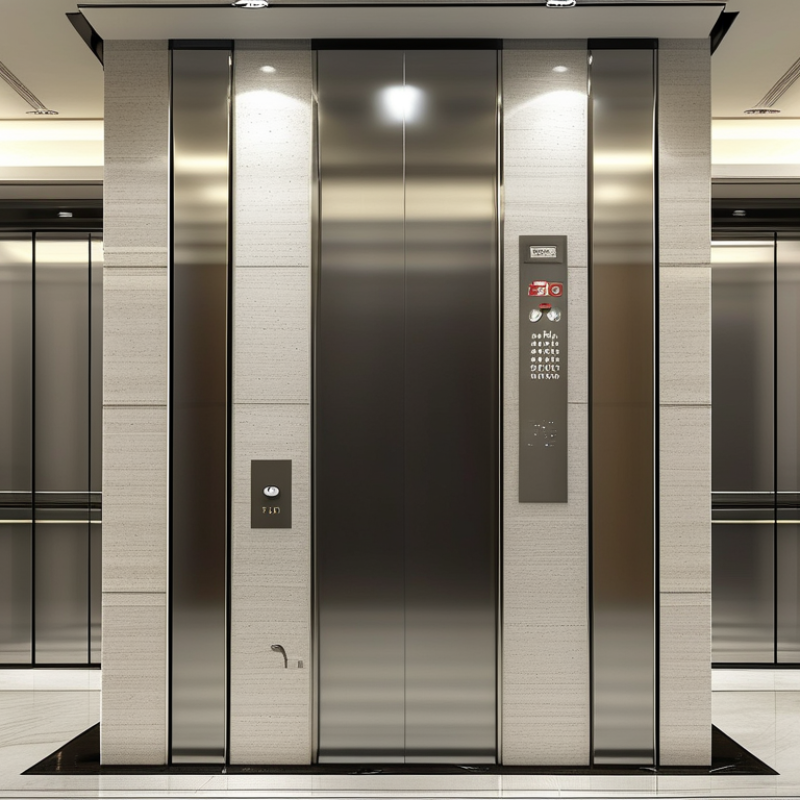
Pitless elevators are an innovative solution for enhancing accessibility in various environments. Their design eliminates the need for a deep pit, making installation simpler. According to industry reports, pitless elevators can save up to 30% on construction costs. This makes them an attractive option for both residential and commercial projects.
One key feature of pitless elevators is their versatility. They can be installed in spaces with limited depth, allowing for greater placement flexibility. This design is particularly beneficial in retrofitting older buildings. Studies show that older properties often struggle with compliance due to space constraints. Pitless elevators address this issue efficiently.
Another significant benefit is their reduced maintenance requirements. Many users report lower operational costs compared to traditional elevators. This can lead to long-term savings for building owners. Yet, it’s essential to choose the correct capacity and speed for your needs. Failing to do so may result in inefficiencies. Overall, understanding the specific requirements of your environment is crucial for selecting the right solution.
When assessing your spatial requirements for pitless elevators, consider the available area meticulously. Measure the height of your building and ensure the elevator fits seamlessly within the given space. Pitless elevators often require less overhead clearance, allowing more flexibility in placement.
Also, think about the elevator's dimensions. Each elevator has specific width and depth requirements. Ensure your layout accommodates these dimensions. Analyze any surrounding structures or obstacles that may limit accessibility.
Consider the traffic patterns as well. High-traffic areas may need larger elevators to manage capacity. Look at the flow of people and goods. A well-planned space can improve functionality. Reflection on these aspects will ensure you choose a fit that balances space constraints with operational needs.
When selecting pitless elevators, understanding load capacity and performance specifications is crucial. Various reports indicate that 50% of maintenance issues stem from incorrect load assessments. It's vital to match the elevator's capabilities with your operational needs. A common standard for residential elevators is a load capacity of around 1,000 pounds. This figure varies for commercial uses, where demands can rise to 3,000 pounds or more.
Evaluating performance specifications involves looking beyond capacity. Speed matters too. Many pitless elevators offer speeds between 30 to 100 feet per minute. However, the performance of the elevator can be negatively influenced by improper installation. Reports show that almost 30% of premature elevator failures relate to installation errors. This highlights the need for checking not only the technical data but also the installation process.
Pay attention to energy efficiency, too. Pitless elevators can consume various amounts of energy. On average, an elevator consumes about 2 kilowatt-hours per trip, depending on its specifications. Efficiency ratings can differ widely among different types. Opting for models with better performance specs often leads to long-term savings. Inadequate consideration of these factors may result in elevated operational costs down the line. Choose wisely.
When it comes to pitless elevators, the variety on the market can be overwhelming. Each model offers unique features aimed at different needs. It's vital to focus on specifics like weight capacity, speed, and dimensions. Some models are designed for high traffic, while others prioritize energy efficiency. Understanding these differences can greatly impact building accessibility and operation costs.
Additionally, consider the installation process and maintenance requirements. Some pitless elevators have complex setups and require specialized knowledge. Others are user-friendly, promoting easier integration into existing structures. Evaluating the long-term costs associated with each model is equally important. Regular maintenance might be necessary for certain designs due to their advanced components, leading to unexpected expenses.
In the end, thorough research is essential. Seek insights from industry professionals, and check user reviews. Identifying what others appreciate can guide you toward a suitable choice. However, what works for one building might not fit another. Reflect on your specific needs and how each elevator model aligns with them. The right decision requires careful thought and consideration.
When considering the installation and maintenance needs for pitless elevators, several factors come into play.
These elevators are designed for efficiency and cost-effectiveness, but improper installation can lead to future complications.
A proper foundation is essential, as a poorly prepared site can cause misalignment and operational issues.
Always assess the site condition before installation.
Maintenance is another critical aspect.
Pitless elevators often require regular inspections to ensure they are functioning correctly.
Common issues may include mechanical parts wearing out or electrical faults arising.
Consider creating a maintenance schedule to address these problems proactively.
While some may feel confident in DIY repairs, it’s vital to consult professionals for complex issues.
Ignoring signs of wear can lead to costly repairs later.
Furthermore, reflect on the accessibility and user experience.
Elevators should not only operate efficiently but also be user-friendly.
Having an elevator that requires frequent maintenance defeats its purpose.
Building owners must balance upfront costs with long-term reliability.
Ultimately, the choice of a pitless elevator should reflect both immediate needs and future considerations.
: Pitless elevators are designed without a deep pit, simplifying installation. They enhance accessibility in various environments.
These elevators can save up to 30% on construction costs. They are cost-effective for residential and commercial projects.
They can fit in spaces with limited depth. This makes them suitable for retrofitting older buildings.
Regular inspections are necessary. Common issues are mechanical wear and electrical faults.
Poor installation may cause operational problems. A stable foundation is essential for proper alignment.
Capacity and speed must match your needs. Choosing incorrectly can lead to inefficiencies in operation.
Consult professionals for complex repairs. Ignoring wear can lead to expensive fixes later.
Frequent maintenance can defeat the purpose of an elevator. Consider the user experience in your decision.
They must balance upfront costs with long-term reliability. Immediate needs shouldn’t overshadow future considerations.
When selecting the right pitless elevators for your needs, it is essential to understand their key features and benefits. Pitless elevators offer unique advantages, such as saving space and providing a more cost-effective solution for vertical transport. Before making a decision, assess the space requirements to ensure compatibility with your building’s layout, and evaluate the load capacity and performance specifications to meet your specific demands.
Additionally, comparing different pitless elevator models available on the market can help you identify the best fit for your needs. It is also crucial to consider the installation process and ongoing maintenance requirements, as these factors can significantly affect the overall functionality and longevity of the elevators. By carefully analyzing these aspects, you can make an informed choice that enhances convenience and efficiency in your environment.

Bluetech