Choosing the right Capsule Lift for global sourcing requires more than comparing prices and polished product photos. Buyers must connect technical performance with real installation conditions, supplier reliability, and long-term service support. A lift designed for a compact hotel may not suit a busy hospital, residential tower, or retail complex. Shaft dimensions, cabin weight, travel height, door configuration, power supply, and expected traffic should guide every decision.
Details matter.
Experienced sourcing teams usually request certified drawings, load data, material specifications, control-system information, and documented testing procedures. They also examine how the supplier manages quality inspections before shipment. A factory visit, video audit, or independent inspection can reveal practical issues, including poor weld finishing, incomplete packaging, or unclear spare-parts labeling. These observations often matter more than a persuasive sales presentation.
Global procurement adds another layer of responsibility. The Capsule Lift should align with applicable local building codes, elevator safety requirements, electrical standards, and accessibility expectations. Buyers should verify whether the manufacturer has completed comparable installations in similar climates. Coastal humidity, freezing temperatures, dust, and unstable logistics can influence materials and maintenance needs. Freight dimensions also affect shipping costs and site handling.
Still, no sourcing method is perfect. A supplier may pass an audit yet struggle during installation. A lower quote may hide commissioning costs, software limits, or delayed technical support. Careful buyers should therefore compare the complete ownership picture, not only the purchase price. Clear warranties, response times, training, spare-parts availability, and realistic delivery schedules create stronger purchasing decisions. This guide explores those factors and offers a practical framework for selecting a reliable Capsule Lift with greater confidence.
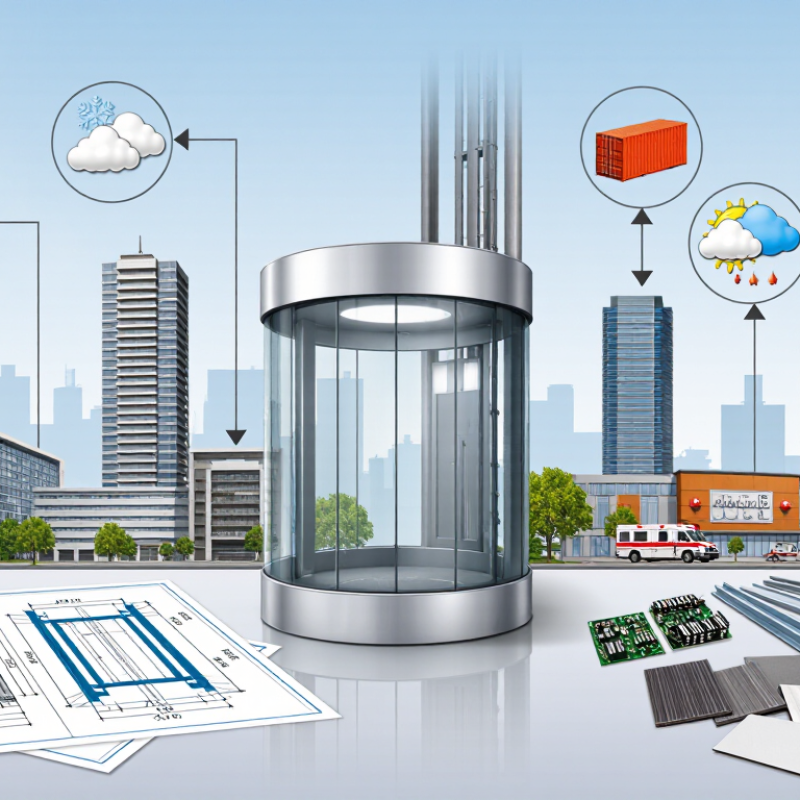
How to Choose the Right Capsule Lift for Global Sourcing?
A capsule lift is a passenger elevator with a visible, often rounded cabin. Its glass enclosure creates an observation experience. Common types include panoramic lifts, inclined lifts, and compact vertical lifts. Panoramic models suit hotels, shopping centers, and public atriums. Inclined versions connect split-level spaces or follow unusual architectural lines. Compact vertical lifts work better where the shaft footprint is limited.
The intended use defines the operating design. A hotel may need quiet travel, soft lighting, and high daily capacity. A retail atrium may prioritize visibility and flexible access. Check the rated load, travel speed, stopping accuracy, door width, and cabin dimensions. These details affect comfort and maintenance. A glass cabin also needs strong lighting control and regular cleaning access. Small marks show quickly.
Core features deserve careful comparison. Traction systems usually support efficient vertical travel, while hydraulic systems can suit low-rise applications. Machine-roomless layouts may save building space. Safety equipment should include overspeed protection, door interlocks, emergency communication, backup lighting, and automatic leveling. Ask for test records, installation drawings, spare-parts availability, and climate suitability. Humidity matters. Coastal sites can expose metal parts to corrosion.
A low quotation can look attractive. It may hide costly installation limits. I have seen specifications that ignored shaft tolerance and local service skills. That mistake is easy to repeat. Compare the complete operating package, not only the cabin finish. Confirm inspection requirements with qualified local professionals before purchase.
Choosing a capsule lift for global sourcing starts with the real load, not the brochure figure. Measure passengers, mobility equipment, tools, and daily traffic. A 450-kilogram rating may seem adequate. However, a wheelchair user and companion can quickly reduce comfortable space. Ask for rated capacity, usable floor area, and loading limits. Confirm whether capacity includes operators or service equipment. It often does not.
Dimensions need equal attention. Record shaft width, pit depth, overhead clearance, landing space, and door opening. Compare these measurements with certified drawings, not marketing images. Small errors can stop installation. Leave room for maintenance access. This detail is easy to overlook.
Speed should match the building’s rhythm. Faster is not always better. Short travel distances may gain little. Frequent starts can affect comfort and energy use. Review acceleration, deceleration, door-cycle time, and expected trips per hour. Request test data under realistic loads. I have seen projects focus on top speed and miss slow door operation. That changed the user experience. Accessibility must cover the full journey. Check wheelchair turning space, clear door width, level accuracy, handrails, control height, tactile markings, audible signals, and emergency communication. Requirements differ across countries and building types. Independent verification is wise.
Tips: Create a site-survey sheet before requesting quotations. Include sketches, photos, traffic patterns, climate conditions, and maintenance access. Compare equivalent specifications. If one measurement remains uncertain, pause the purchase. A cheaper unit can become expensive after structural changes. Recheck assumptions with the installer and facility manager. Their feedback may reveal a practical issue that engineers missed.
| Lift Configuration | Typical Rated Capacity | Typical Car Size (Width × Depth) |
Typical Door Clear Opening | Typical Rated Speed | Recommended Use | Key Sourcing Considerations |
|---|---|---|---|---|---|---|
| Compact panoramic lift | 450–630 kg Approximately 6–8 passengers |
1,000–1,100 mm × 1,250–1,400 mm | 800–900 mm | 0.63–1.00 m/s | Low-rise residential buildings, boutique hotels, small commercial premises, and limited-shaft renovations. | Confirm minimum pit, overhead, machine-room, and structural requirements before finalizing the cabin size. |
| Standard passenger capsule lift | 630–1,000 kg Approximately 8–13 passengers |
1,100–1,350 mm × 1,400–1,600 mm | 800–900 mm | 1.00–1.60 m/s | Medium-rise offices, hotels, apartments, retail buildings, and public-access facilities. | A practical general-purpose range when passenger comfort, visual design, and moderate traffic performance must be balanced. |
| Large passenger capsule lift | 1,000–1,275 kg Approximately 13–17 passengers |
1,350–1,600 mm × 1,500–1,800 mm | 900–1,100 mm | 1.00–1.75 m/s | High-occupancy hotels, office buildings, shopping areas, transport facilities, and busy public venues. | Check landing-door width, electrical demand, guide-rail loads, and the effect of the larger glass enclosure on total car mass. |
| Accessible capsule lift | 630–1,000 kg Capacity depends on local accessibility rules |
Preferably at least 1,100 mm × 1,400 mm; larger cars improve wheelchair maneuverability |
Preferably at least 900 mm | 0.63–1.00 m/s for many low- and medium-rise applications | Buildings serving wheelchair users, older adults, healthcare visitors, schools, hospitality guests, and the general public. | Provide level access, audible and visual indicators, reachable controls, handrails where required, an emergency communication system, and adequate turning space. |
| Stretcher-compatible capsule lift | 1,000–1,275 kg | Common planning target: approximately 1,100 mm × 2,100 mm or larger | 900–1,100 mm | 1.00–1.60 m/s | Healthcare facilities, residential buildings with care services, and projects requiring stretcher or bed movement. | Verify the required stretcher orientation, turning path, door dwell time, fire-service operation, and local healthcare regulations. |
| High-traffic capsule lift | 1,000–1,600 kg | Approximately 1,350–1,600 mm × 1,600–2,100 mm | 1,000–1,100 mm | 1.60–2.50 m/s | High-rise commercial, hospitality, mixed-use, and public buildings with frequent passenger demand. | Evaluate handling capacity, average waiting time, group control, peak traffic patterns, heat rejection, and standby power requirements. |
| Core Specification Checks Before Global Sourcing | ||||||
| Rated capacity selection | Use the expected passenger load, luggage or equipment weight, and local code requirements. | Do not select capacity from passenger count alone. A commonly used planning estimate is approximately 75 kg per passenger, but the applicable regional standard may define a different basis. | ||||
| Shaft and installation dimensions | Request a dimensioned general-arrangement drawing. | Confirm shaft width and depth, pit depth, overhead clearance, door position, counterweight arrangement, guide-rail space, structural loads, and maintenance access. Actual dimensions vary by lift design and jurisdiction. | ||||
| Speed selection | 0.63–1.00 m/s is often suitable for low- to medium-rise buildings; 1.60 m/s or higher may be appropriate for taller or busier buildings. | Higher speed can reduce travel time but may increase equipment cost, energy consumption, braking requirements, noise-control needs, and commissioning complexity. | ||||
| Accessibility baseline | Plan for a level threshold, accessible controls, audible and visual floor signals, and sufficient door and car dimensions. | Use the accessibility requirements applicable in the destination market, such as EN 81-70, ISO 21542, the Americans with Disabilities Act where applicable, or equivalent national regulations. | ||||
| Door arrangement | Single-slide, telescopic, or center-opening doors may be used depending on shaft geometry. | Center-opening doors generally provide a wider and more convenient entrance, while telescopic doors can help where the shaft width is restricted. Verify entrance width, clear height, sill level, and door dwell time. | ||||
| Environmental suitability | Define the intended indoor or outdoor installation conditions. | For outdoor or semi-exposed capsule lifts, specify corrosion protection, drainage, glazing performance, water ingress protection, temperature range, wind exposure, and local electrical requirements. | ||||
| Compliance and documentation | Require complete technical documentation before purchase. | Request conformity documentation, applicable test certificates, wiring diagrams, installation manuals, maintenance instructions, inspection requirements, spare-parts lists, and the destination-market code references. | ||||
| Planning note: The dimensions and performance ranges above are industry-typical planning values, not guaranteed equipment specifications. Final selection must be confirmed against the approved shaft drawings, traffic study, structural calculations, local lift regulations, fire requirements, and accessibility standards in the destination country. | ||||||
When sourcing a capsule lift globally, safety evidence should come before appearance, price, or delivery speed. Ask for the exact safety standard used in the destination market. A supplier should provide current test reports, risk assessments, and a traceable technical file. Look for certification from an accredited body, not a decorative certificate with unclear ownership. Confirm whether the certificate covers the complete lift system, including doors, controls, brakes, and emergency communication. Small gaps matter.
Installation conditions can change the product choice. Measure shaft dimensions, pit depth, overhead clearance, power supply, ventilation, and structural loading before ordering. Outdoor capsule lifts may need stronger weather protection, drainage, lighting, and corrosion-resistant materials. Ask who will install, inspect, and commission the equipment locally. Qualified technicians should follow approved drawings and record every test. A remote installation promise sounds convenient, but it may hide practical risks.
Request maintenance intervals, spare-part availability, rescue procedures, and operator training in writing. Check the language of manuals and the response time for technical support. In real projects, delays often occur because a lift fits the building but fails the inspection process. That mistake costs more. Local approval requirements can also differ between regions, even within one country. Let an independent engineer review the documents before payment and shipment. A careful comparison may feel slower. It usually prevents faster problems later.
Choosing a capsule lift for global sourcing begins with the manufacturer, not the brochure. Request factory certificates, production photos, test records, and a traceable quality plan. Ask who builds the drive unit, cabin frame, doors, and control cabinet. A capable supplier should explain tolerances, inspection points, and corrective actions clearly. During a factory review, check welding consistency, cable protection, packaging, and assembly cleanliness. Small details matter.
Customization should follow accurate site data. Share shaft dimensions, floor height, rated load, power supply, climate, cabin finish, door position, and accessibility needs. Request approved drawings before production. Confirm which changes affect price, structural calculations, testing, or lead time. Materials also need practical review. Glass, metal, lighting, and flooring may look impressive, yet cleaning and replacement costs are easy to overlook. One mistake is treating every visual option as harmless. It is not.
Supply chain support often decides whether the lift performs after delivery. Require a realistic schedule covering design approval, component procurement, factory testing, export packing, shipping, installation guidance, and spare parts. Ask for serial-numbered components, inspection reports, remote troubleshooting, and technician training. Clarify trade terms, documentation, warranty scope, and local service responsibilities. A low quotation can hide weak after-sales support. My own evaluation can become too focused on initial price. A better comparison weighs downtime, replacement access, and communication speed. Leave room for delays. Global projects rarely follow the first plan.
Choosing the right capsule lift begins with total sourcing cost, not the purchase quotation. Request a detailed breakdown for the lift, controls, crating, freight, installation, training, and spare parts. Import duties and local electrical changes can alter the final figure significantly. Ask suppliers for documented load ratings, cycle data, and factory acceptance procedures. These records support a safer comparison than sales promises.
Maintenance requirements deserve equal attention. Check whether bearings, sensors, belts, and seals are standard components in your region. A low-cost replacement is useless if it takes eight weeks to arrive. Review cleaning access around contact surfaces and inspect how quickly operators can remove product residue. Ask for preventive maintenance intervals and realistic service hours. Some suppliers provide excellent manuals, but their remote support may be slow. That risk belongs in the sourcing calculation.
Long-term value depends on uptime, energy use, operator time, and product protection. Compare the lift’s expected cycles with your actual production schedule, including seasonal peaks. A model that runs quietly and smoothly may reduce fatigue and accidental damage. However, predicted savings are not guaranteed. They should be tested against reference installations and written service commitments. Build a five-year spreadsheet with purchase cost, maintenance labor, replacement parts, downtime, and training. Leave room for uncertainty. Early estimates are often too optimistic. A short pilot run can expose awkward cleaning steps, unstable controls, or poor access for inspections.
A capsule lift is a passenger elevator with a visible, often rounded cabin. Its glass enclosure creates an observation experience. Visibility matters.
A compact vertical lift usually fits spaces with a small shaft footprint. Confirm the shaft dimensions before ordering. Drawings can prevent expensive changes.
Panoramic lifts suit hotels, shopping centers, and public atriums. Inclined lifts connect split-level areas or follow unusual building lines.
Compare rated load, travel speed, stopping accuracy, door width, and cabin dimensions. These details affect comfort and maintenance. Small differences matter.
Look for overspeed protection, door interlocks, emergency communication, backup lighting, and automatic leveling. Request test records from the supplier.
Request factory certificates, production photos, test records, and a traceable quality plan. Check welding, cable protection, packaging, and assembly cleanliness.
Provide shaft dimensions, floor height, rated load, power supply, climate, cabin finish, door position, and accessibility needs. Approve drawings first.
Require a schedule covering design, procurement, factory testing, packing, shipping, installation guidance, and spare parts. Delays happen.
A low quotation may exclude installation limits, local service, or replacement access. Compare downtime, training, warranty coverage, and communication speed.
Humidity can expose metal parts to corrosion, especially near coastal sites. Glass also needs regular cleaning and controlled lighting. I might underestimate cleaning costs.
Choosing the right Capsule Lift for global sourcing requires a structured evaluation of both technical performance and business suitability. Begin by identifying the lift type, intended application, operating environment, and essential features, such as vertical travel, control systems, and accessibility. Compare capacity, dimensions, travel speed, loading requirements, and user access to ensure the equipment fits the building and daily workflow. Safety should remain a priority, so review applicable standards, certifications, emergency functions, installation conditions, and local compliance requirements before making a decision.
A reliable sourcing process also depends on evaluating manufacturers’ production capabilities, customization options, quality controls, communication, and after-sales support. Confirm whether the supplier can provide installation guidance, spare parts, training, and responsive maintenance assistance across different regions. Finally, calculate the complete ownership cost, including transportation, installation, energy use, inspections, repairs, and expected service life. The best Capsule Lift is not simply the lowest-priced option, but the solution that balances safety, performance, adaptability, supply chain reliability, and long-term value.

Bluetech